Segment D – Rural retirees on stable income
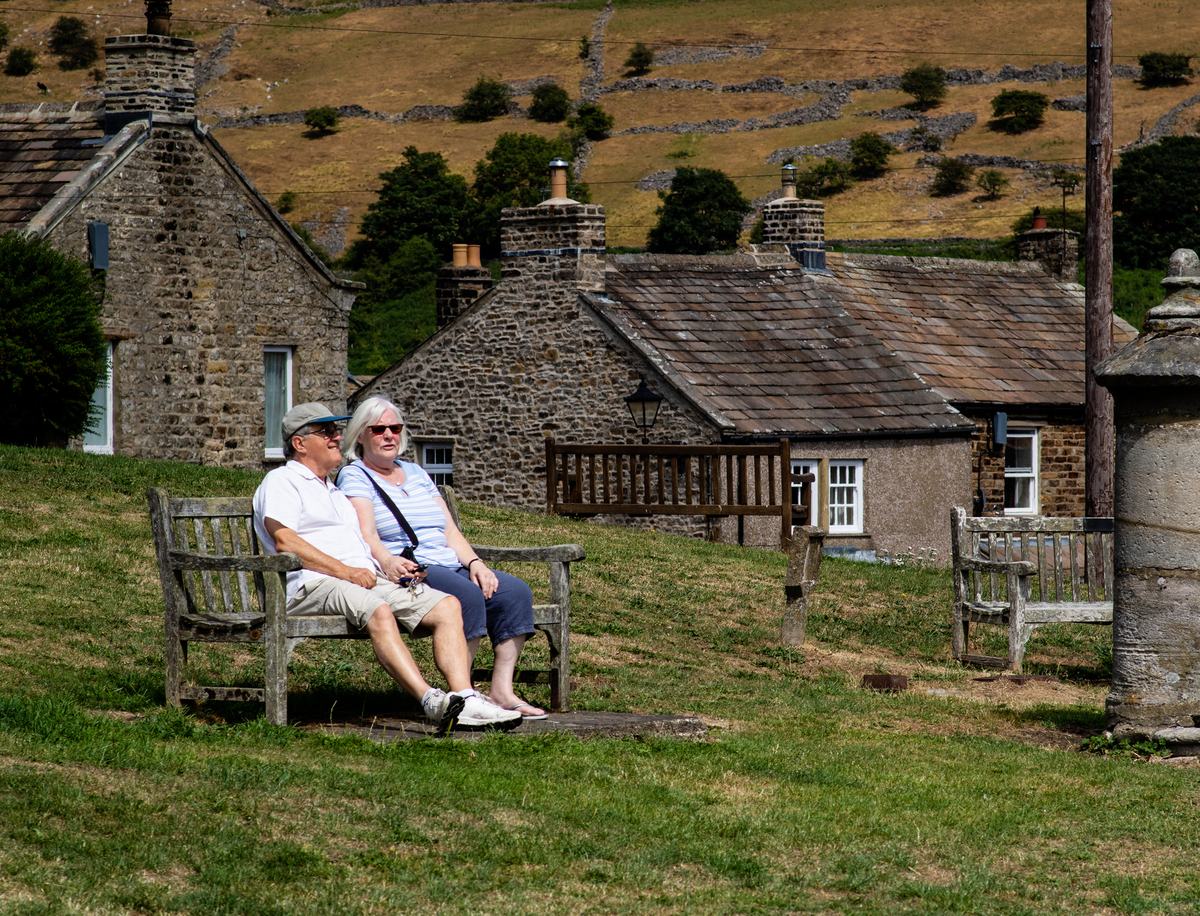
Older affluent families who live in remote locations in large detached properties, often off the gas grid. Less eco-engaged, with heat pump adoption tending to be more out of necessity.
By the numbers
Around 1.7 million households make up this group of generally older, financially stable retirees – with 64% of heads of household in this segment aged 56 or above. They tend to live in rural locations in large, older, detached homes, often off the gas grid, with big gardens. This segment is prominent in predominantly rural regions on the geographical edges of the UK, such as the Highlands and Devon.
In this group, 32% are saving for retirement, with the same number saving for holidays or travel. This was the group most likely to have made a major home improvement in the last 12 months (10%). This was also the segment most likely to consult an independent financial advisor before making a financial decision (28%). Some 17% of this segment are members of the National Trust. They use the internet infrequently, preferring to access information through physical media, such as newspapers and magazines.
This group tends to choose green products that improve their lifestyle, rather than because of the potential benefits to the environment. Being less eco-engaged, heat pump adoption tends to be out of necessity. Given that many of them rely on oil for heating, switching to heat pumps is attractive due to the significant cost savings. In addition, one in five have solar panels, meaning they could make big savings on their heating bill by moving to a heat pump. A quarter (26%) said a heat pump is affordable.
Less than half (45%) of this group would consider a heat pump as their next heating system in the next five years. The biggest barrier to getting a heat pump for this group is the installation cost (24%), while a further 14% claim it wouldn't be suitable for their home, and 14% say it wouldn’t keep their home warm. The benefit most likely to persuade this group would be environmental (16%), closely followed by lower home energy bills (15%).
Deep dive interview insights
Priorities for current heating system
Rising energy costs experienced by this segment is reflected in a priority for their heating system to be efficient – in terms of providing good value for money and not wasting energy. Reliability of the system is also a major priority. Given that this segment is more likely than others to have oil home heating, servicing options are a concern. This segment requires constant warm homes as they feel the cold more because of their age, or they may be caring for older dependents.
Benefits of moving to electricity
Becoming self-sufficient, having a constant, warm home and preventing damp and mould were particularly important as benefits to switching. Given the prominence of off-grid, oil-heated homes in this segment, self-sufficiency as the primary benefit is very relevant.
Approaches for preparatory upgrades
While in the main in favour of upgrades, more information on what work would need to take place, and the disruption this would cause, is an important requirement for this segment. Alongside this, heritage constraints, including living in a conservation area, is felt to be a limiting factor in making upgrades. Many respondents feel they needed a lot of prep work to make their older home suitable for a heat pump and also cite the disruption of this as being off-putting.
Sources of information
The approach rural retirees on stable incomes take to gathering information relies heavily on local professionals’ opinions and comparison websites, avoiding forums or social media as sources of information. They are also more likely than other segments to use retailers’ websites and news sources. This segment also reports not seeking information from government or local authorities, as they lack trust in these institutions.
Attitudes towards heat pumps
This segment expresses an unfavourable feeling towards heat pumps, though they did mention a willingness to look into them in the future. A lack of trust in the technology is a primary reason – specifically that a heat pump wouldn’t work in their older home, which has been reinforced by comments from friends and tradespeople. Of those that would, they report lacking information to act on this – specifically around cost – for both install and return on investment.
Potential message themes for this audience
Mapping across to the Britain Talks Climate groupings, this segment is closely mirroring traditional conservatives and rooted patriots. These groups value stability and continuity along with cost and fairness – a feeling that they are getting what they deserve and not paying more than is fair. They value credible specialists over activists, and distrust institutions and elites. They have a strong attachment to place and independence and while their climate concerns are real, they judge issues by the direct effect on their lives rather than a sense of urgency.
Our research to date suggests the message themes worth testing for this group are around comfort and reliability first, followed by cost control and energy security. Also, messaging around proven, established technology and rural relevance. Messages should avoid elite voices, heavy climate language and overly complex technicalities.
Messages should tap into themes around sensible, future-proof investment, a logical next step and a proven technology that is part of a wider transition. While there is more to do to find out ‘what works’ for each segment, initial findings from testing we ran on Meta with this audience group, with a few message variations, saw the messages explicitly reference replacing oil boilers, stabilising costs and heat pumps working in rural homes, achieving engagement.