Our mission is to narrow the outcome gap between children growing up in disadvantage and the national average.
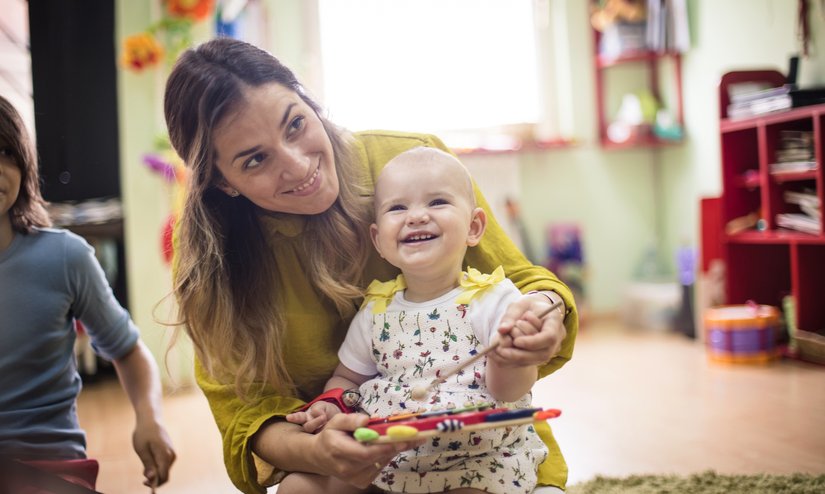
All babies and young children need stable, caring relationships and stimulating experiences to develop and thrive.
Our environment, relationships and experiences in early childhood shape our brains and bodies. It's a crucial time when the building blocks of our physical, emotional and cognitive skills are established.
Not every child gets what they need to develop during the early years. Without help, this can have lifelong effects. Children growing up in poverty are less likely to live a long, healthy, wealthy and happy life than their peers.
It’s not right that some people are disadvantaged throughout their lives because of the circumstances of their family when they are born. But with the right support during the earliest years of life, we can change that.
Together, we can make sure that every baby and young child has the same opportunity to develop and to thrive.
By 2030, the UK will have eliminated the school readiness gap between babies and young children born into deprivation and their peers.
Our first priority is to support children within their families. Parenting is a demanding job, so we are exploring ways to help families provide the best home-learning environment for babies and young children. This means working out which tools and techniques are most effective at stimulating child development and getting them into parents’ hands. It also means finding the best solutions to reduce financial pressures on families so parents can focus their energy on supporting children's learning and development.
A rich and stimulating home environment provides the best context for development. All very young children need loving, stable and responsive care. This can be achieved by improving the availability of high-quality early education or people's ability to access it and by making parenting programmes more cost effective so we can have more of them.
When families are struggling and stressed, it can be difficult for them to give babies and young children the best possible start. Unstable or unsuitable housing, poverty, physical or mental health needs, disabilities or developmental differences can all impact on parents’ ability to provide the responsive care and stimulating environment that are so critical to development. Our work will investigate ways to reduce pressure on families, for example by making sure they can find and access specialist support services when they need to.
Our second priority looks beyond families, to focus on the broader context of systems and services that influence early years development.
We know that finding effective ways to support children and families relies on good data. We want to fill the evidence and policy gaps in how best to improve child outcomes. We will use data to understand local needs and target support where it is most needed. We will generate evidence of the impact of early years investment. We will work with local and national governments across the UK to make sure that evidence about what works is put into practice.
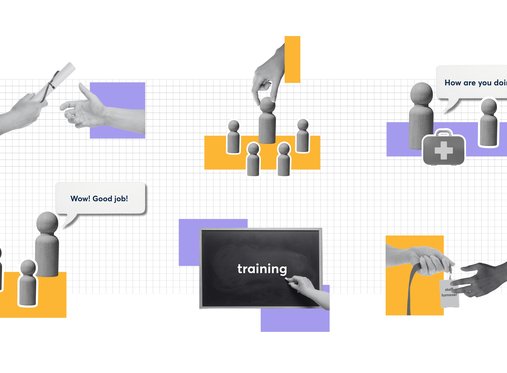
Strengthening our early years and education workforce is essential. Those who work in education and care play a crucial role in shaping the learning and development of babies and young children. We will be exploring opportunities to expand the workforce and cultivate the talents and experiences of people performing these crucial roles.