Four realities for installing a heat pump in a flat
 www.nesta.org.uk/blog/four-realities-for-installing-a-heat-pump-in-a-flat/
www.nesta.org.uk/blog/four-realities-for-installing-a-heat-pump-in-a-flat/
www.nesta.org.uk/blog/four-realities-for-installing-a-heat-pump-in-a-flat/
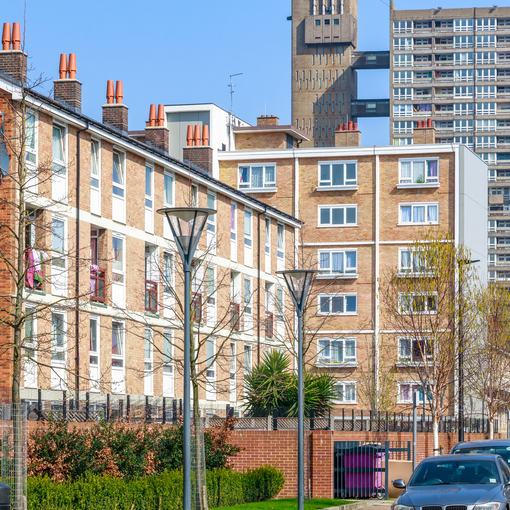
Flat owners that have decided an air source heat pump is right for them may find they have a few extra steps to get approval compared to a house. With flats making up 15% of homes in Great Britain this can pose a challenge for millions of households.
First, it’s likely that they don’t fully own the building they live in. Owning a leasehold, the most common type of flat ownership, requires the freeholder’s approval for the installation of a heat pump on any part of the building or land for which they own or share the freehold.
Second, as those in flats often live in closer proximity to their neighbours, it’s harder to find a place to put the heat pump within the limitations of permitted development rights. This means they may need to submit a full planning application.
But it’s not all bad news. Research by Nesta has found that securing these approvals may be less challenging than anticipated, provided the necessary preparation has been completed.
The vast majority of flats across Great Britain are not owned outright. In Scotland, tenements tend to be under a shared ownership system with others in the same block. In England and Wales a leasehold generally means flat owners own the living space but the land it sits on, and sometimes even the bricks and mortar, remain the property of the freeholder. A freeholder might be an individual, an organisation or a shared ownership model between the leaseholders.
We spoke with a range of people who own or manage the freehold for blocks of flats to find out whether they’d be likely to grant permission. We held three focus groups with a mix of freeholder types in each and found a few surprising, yet similar, results.
Green upgrades such as heat pumps, EV chargers or solar panels aren't viewed differently to other types of upgrades by the freeholders we spoke to. They treat them on a case-by-case basis.
Some freeholders feel a duty to play their part in protecting the environment, with one freeholder telling us they coordinated a joint purchase of EV chargers to help reduce the cost for all their leaseholders.
Whilst requests for green modifications are still quite rare, freeholders are expecting an increase between now and 2030, and say they are preparing for it.
Freeholders want to ensure the installation won't compromise fire safety or building integrity, and need assurances on the quality of the work.
Some freeholders have concerns about what impact work might have on them, for example, what happens if a leaseholder installs a heat pump and then moves out a few years later. This could be mitigated by setting out who is responsible for what, for example, how much work might be needed on the property and where responsibility will rest with the future leaseholder if the current one should sell up.
Freeholder consent is only part of the story - heat pump installations also need to meet planning requirements around location and noise
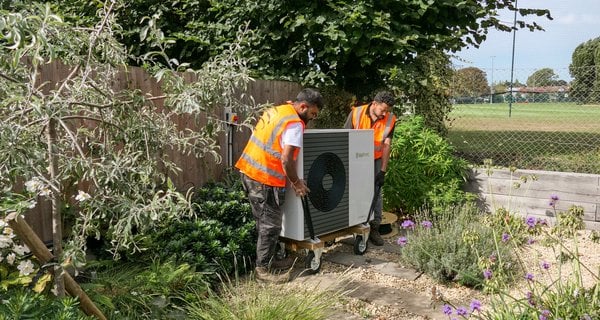
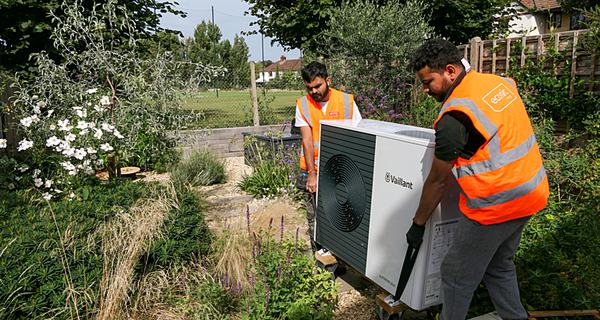
While it is possible to install a heat pump in a flat under permitted development rights, success depends on specific technical assessments to find the right system and location.
The standard assessment for air source heat pumps is MCS 020 (a). This assessment checks whether the heat pump sound is within a 37dB threshold one meter from the neighbour’s window. Pass it, and the other permitted development requirements, and installation can go ahead without needing a full planning application.
We had a look at a few flats to see what sort of building characteristics might mean a flat is more likely to pass. What we found was encouraging.
We carried out a noise assessment across a range of flats – including those with back gardens, shared courtyards and larger balconies – and found that, if there is reasonable outdoor space and the neighbour’s windows are at least three metres away, a heat pump could comfortably pass.
In denser urban settings, it is worth getting an informal site assessment early as the necessary distance often isn’t there, making the noise threshold much harder to meet. However, don’t write it off before speaking to an installer especially as newer heat pump models are quieter.
Getting an informal assessment from an installer before committing money or approaching the freeholder will quickly clarify where you stand.
If the property didn’t pass the assessment, or if there is already a heat pump installed on the block, a full planning application becomes the route forward. This may add cost, time and a degree of uncertainty to the process. However, we spoke to several flat owners who have been successful in installing a heat pump and who said it helps if applicants can demonstrate a low noise profile or show that the visual impact was minimal.
Local planning authorities vary in their approach to these applications, so while outcomes aren’t always predictable, a full application remains a viable option for those who fail the initial assessment.
While heat pumps remain a relatively new technology, making the right decision can weigh on both freeholders or planning officers. Flat owners can help their case by doing their own research and providing planning teams and their freeholder with additional information to consider with the request.
A good place to start is GetAHeatPump.org.uk to gather reliable information on the benefits of getting a heat pump as well as understanding how they work and what’s involved.
For those interested in seeing a heat pump for themselves, they can head to VisitAHeatPump.com. This website has over 1,000 hosts across the country who will be pleased to show what they have installed at their home and answer any questions leaseholders or freeholders may have around the process, including recommendations for a qualified and accredited installer.