Executive summary
In this report, we examine the market for parenting support services for families with children under the age of five. The report focuses on generating four insights: i) what the potential impact of parenting support could be at scale; ii) what types of interventions are available; iii) which of these appear to be most popular; and iv) what can be done to make the market operate more effectively. We build on our previous work that comprehensively details the practical barriers and enablers to the scaling of parenting interventions in the UK (Nesta and BIT (Behavioural Insights Team), 2024), but here our focus is on analysing more comprehensively what interventions are available, what their impact could be and how their features relate to their scale of implementation.
To this end, we provide an overview of the market for parenting interventions through a largely quantitative lens, including analysis of available interventions and their potential impact. One of our main contributions is to conduct a rapid but systematic analysis of 135 parenting interventions, focusing on early-years programmes that directly target socioemotional or cognitive development. We also explore how the features of these programmes appear to be related to their popularity in the UK. Our data permit us to say more about England than the rest of the UK, particularly on the current implementation and potential impact of parenting interventions, but our analysis of the available set of interventions is directly relevant to the other UK nations.
Parenting interventions are among the most promising strategies for improving children's developmental outcomes. While many interventions that have been evaluated demonstrate robust impact, these evidence-based programmes are not currently implemented at a sufficient scale to deliver their maximal impact on children at the population level. Our analysis traces this shortfall back to key barriers to the efficient functioning of the market, focusing in particular on important blockages in the flows of information between intervention developers and the ultimate beneficiaries of interventions: families. These barriers include the high costs of generating robust evidence, the complexity of the set of available interventions, poor infrastructure and capabilities for data collection from families, and insufficient funding. We argue that these structural features of the market are likely to disincentivise investment in high-quality interventions and to produce significant barriers to the allocation of the most effective and well-suited interventions to those families who could benefit the most from them.
Finally, the report sets out a framework for addressing these constraints, with recommendations focused on three main areas: making more comprehensive and accessible information about the evidence base and features of parenting programmes available to key decision-makers; building more systematic feedback loops about the performance of parenting programmes through better data on parents' preferences and engagement; and investing in the robust implementation and national scale-up of the most impactful parenting programmes.
Our findings
1) Parenting interventions could have a significant impact if scaled well
While many parenting interventions show strong evidence of causal impact on a range of outcomes for both parents and children, one challenge in prior work has been translating these impacts into comparable, policy-relevant outcomes. Using new modelling, we estimate that certain evidence-based parenting interventions could increase the chances of children with the highest level of behavioural difficulties reaching a ‘Good Level of Development' (a comprehensive measure of development collected for all children in England at age 5) by up to 20 per cent, or closer to 10 per cent under more conservative assumptions. If these interventions were rolled out to all families with children experiencing the highest 20 per cent of behavioural difficulties, this could mean approximately 8,000 more children in England achieving a Good Level of Development every year (or 4,000 under a lower quality of implementation).
However, in order for parenting interventions to achieve their maximal impact at scale, it is essential that careful attention is devoted to devising an effective scaling strategy (Nesta and BIT, 2024). Otherwise, implementation issues could radically reduce the effectiveness of these interventions. Additionally, because many parenting interventions are ineffective (Jeong et al., 2021), it is critical that those implemented at scale are evidence-based. This means both that they have been evaluated using a robust method such as a randomised controlled trial, and that the resultant evidence has been critically appraised, such as in the Foundations Guidebook, to determine that the findings are trustworthy and likely to be applicable to the UK.
2) Several features of the market for parenting support are likely to hinder its efficient operation
To motivate some of our analysis and findings, we provide a simple characterisation of the market for parenting support, focusing on how its procurement structure, as well as resulting breakages in important flows of information, could hinder it from operating well.
The presence of public institutions in this market is crucial for parenting support to be delivered at scale: central government must provide sufficient funding for interventions to be delivered to families who cannot pay for them, and local authorities and Family Hubs must then commission and deliver interventions to meet local populations' needs. However, this structure also creates special challenges in enabling the ‘feedback loops' that may otherwise exist in a well-functioning market. In particular, commissioners need to marshal complex information on interventions and their effectiveness to decide on which ones are best to deliver in their local context. In reality, they often need to do so without sufficient time and resources to survey the full array of existing interventions, as we attempt to in this report, and most likely without reliable data on families' preferences or children's needs between birth and age 5.
There are also important barriers to the supply of information about new interventions. While parenting interventions have a relatively mature evidence base, building evidence for new interventions using randomised controlled trials (RCTs) is both costly and complex, creating a barrier to entry. Compounding that barrier, new evidence generally needs reasonably intensive critical appraisal even where it has been generated. For example, the Foundations Guidebook assigns a rating to each intervention from 1–4 depending on the strength of evidence that underpins it. However, many notable interventions with RCTs end up not meeting the threshold for being evidence-based due to implementation or methodological issues. This environment of incomplete information is likely to both stymy innovation and result in the proliferation of non-evidence-based interventions in order to meet perceived needs at the level of local services. This is a risky state of affairs: while many evidence-based parenting interventions are known to powerfully impact children's outcomes, meta-analyses have found that most newly tested interventions do not have a significant impact on various measures of child development (Jeong et al., 2021). Thus, it is critical that those interventions implemented at a large scale, normally with substantial public funds, are those that have rigorous evidence of a positive impact on the children they are ultimately intended to benefit.
3) The set of available interventions is relatively diverse, but we know much more about the evidence base in some domains than others
We identify 135 interventions that cater to a diverse set of domains of development, levels of family need, and delivery mechanisms, although those directly targeting some aspects of cognitive development (numeracy and literacy) and those intended for universal audiences are less common.
Likely as a result of barriers to the generation of evidence in this market, our collective knowledge of the evidence base that underpins different types of interventions is much more uneven. For example, interventions targeting acute socioemotional difficulties have by far the most mature evidence base, whereas we know much less about those targeting cognitive development, those designed for universal audiences, and those with a less fixed format.
4) The evidence base does not appear to drive the popularity of interventions; features such as tailoring to individual needs and group delivery are more important to local commissioners
We analyse data on interventions implemented by Family Hubs across 75 local authorities in England, and stitch together coarser information on what interventions are implemented through other mechanisms and across the UK. Through this analysis, two main themes emerge. The first is that interventions we know are evidence-based do not appear to be more popular than others. For example, the majority of the most popular interventions implemented by Family Hubs in England are classed by Foundations as having an evidence rating of 2 and therefore only ‘preliminary evidence' of impact – meaning they are associated with a positive child outcome, but we cannot say the outcome was caused by the intervention. Beyond the context of Family Hubs, we also find evidence that a few programmes are implemented at a large scale in the UK while apparently lacking any quantitative evidence of impact.
Instead, the interventions that have been scaled more widely appear to be more likely to be group-based and offer the promise of flexibility to meet specific needs. This is to be expected under resource constraints, in which group-based programmes are able to reach more families for each hour of staff time. Additionally, although interventions explicitly targeting outcomes such as early numeracy and literacy are less common, and we know less about their evidence base, they are commonly implemented at a large scale.
We believe these trends are likely to be related to the slow generation of evidence on new interventions, potentially to mixed conceptions and attitudes towards the value of rigorous evidence, and potentially to an overly optimistic view of the likely effectiveness of new, untested interventions.
Our recommendations
1) Better flows of information could strongly benefit the market, but this requires action and funding from key stakeholders
While this report takes a first step towards clarifying the relatively complex market for parenting support, much more needs to be done to assist key decision-makers, especially local commissioners and central government. First, as suggested above, substantial funding needs to be made available to evaluate promising interventions through methods such as randomised controlled trials (RCTs). Ideally, these evaluations would be run at a sufficiently large scale to be able to understand whether they have heterogeneous impacts across different groups of individuals, addressing a common concern on the part of local authorities: that an intervention may not work as well in their local context as for the whole population. The best evaluations are also run with the possibility of collecting medium- and long-term follow-up measures, which involve additional costs.
To be able to deliver on these objectives, around £15 million in additional funding for evaluations could make a profound difference: it would enable particularly promising interventions to obtain the level of evidence necessary to give reassurance that they are ready to scale, as well as providing crucial information on those that are currently implemented widely without clear evidence of efficacy.
Second, while organisations such as Foundations have done excellent work in critically assessing the evidence underpinning many parenting interventions, it is important that we continue to invest in updating this authoritative view as new evidence emerges over time. We do not currently have a sufficiently comprehensive repository of information about the evidence base and implementation requirements for early years parenting interventions. As a result, it is difficult to determine which programmes already have proven causal impact and which ones are still developing their evidence base. Our analysis identified over 40 RCTs of parenting interventions that require critical appraisal to determine whether they convincingly demonstrate evidence of a causal impact on a child outcome. Creating an updated review of the evidence base for parenting programmes for children aged under 5, building on the information currently held in the Foundations Guidebook, is a substantial task. This will require investment so that decision-makers can access a more comprehensive and up-to-date view of the programmes available to choose from. Our analysis of gaps in the evidence base shows that this exercise would particularly benefit certain programmes already being implemented at a wide scale in the UK, and also those designed for universal audiences and to target children's cognitive developmental outcomes.
Although there are well-established avenues to identifying which programmes are effective (namely, running rigorous RCTs), we know very little about which ones are the best fit for different families' needs and preferences. Significant progress can be made by researchers in the short term, for example, by using methods such as large-scale surveys of families. However, a longer-term solution could involve investment in the infrastructure and support available for the continuous monitoring and evaluation of parenting programmes. For example, in England, the Department for Education's Family Hubs programme could play an important role in building the capacity of local authorities to collect systematic information about parents' and caregivers' engagement with parenting support, and whether or not this support may have benefited their family.
2) The Government should invest in national scale-up of the most well-evidenced and suitable parenting programmes to enable a substantial increase in the number of families who are able to access effective support with their children's early development
While more needs to be done to establish the scale of parenting support delivered in Scotland and Wales, our analysis of the possible reach and impact of parenting interventions demonstrates that the current piecemeal approach to delivery in England is not working. Based on the £30 million allocated to these interventions in the Family Hubs and Start for Life programme in 2025–26, we estimate (very roughly, given we have no data on uptake) that between 10,000 and 60,000 families currently receive parenting support in England per year, whereas at least 120,000 children could probably benefit per single-year age cohort between the ages of 0 and 5. Assuming an approximately flat annual investment in parenting support, maximising the share of children reaching a Good Level of Development every year in England at age 5 would mean delivering at least 120,000 parenting interventions per year to families with children aged 0–5. This would most likely require funding to increase by a factor of between 2 and 10+.
If the most highly effective parenting interventions were implemented with an excellent scaling strategy and efficiently targeted children in the top 20 per cent of developmental needs, our most optimistic analysis suggests that this measure alone would make up to 15 per cent of the progress required towards the Government's target of 75 per cent of children reaching a Good Level of Development by 2028. Under less optimistic assumptions about how well interventions are implemented at scale, the impact may be about half as big. Given our assessment that parenting interventions are among the most effective and cost-efficient policy levers available to influence child development, we believe that current insufficient funding for this policy area presents a serious threat to the Government's ability to succeed in its mission to 'Break Down Barriers to Opportunity' in England.
In addition to the limited scale of parenting support currently available, our analysis indicates that many parenting programmes offered at a relatively large scale in the UK do not have clear evidence of impact. As previously emphasised, given that many parenting interventions do not work, it is crucial that those implemented widely have good evidence of impact.
With this in mind, Nesta is calling for the governments of England, Scotland and Wales to invest in centrally-driven national programmes to scale up the delivery of the most effective parenting interventions. Central investment should be geographically differentiated, using data on local areas in which the highest shares of children are not on track with their development by the time they start school (see the map included in Figure 2). There should also be consideration given to how more isolated groups of families, such as those living in rural areas, can be reached effectively; previous research has indicated that the location of support services is frequently a barrier for families (Action for Children, 2022; UNICEF and NSPCC, 2024). Options for overcoming these access barriers may include parenting programmes that can be delivered online.
Taking lessons from previous scale-up attempts, such as the national implementations of the Family Nurse Partnership in England and Scotland (see Nesta and BIT, 2024), the most robust national implementation of evidence-based parenting support programmes would include:
- Funding for a central implementation team to oversee the national implementation, including dedicated time from the intervention developer to support problem-solving
- Dedicated time from a local implementation manager based in each local area to oversee local implementation
- Funding to ringfence protected time from local practitioners so they have adequate capacity to support outreach and engagement with parents, as well as core programme delivery
- Funding for training, ongoing supervision and other appropriate mechanisms for monitoring and supporting fidelity, so that programmes are delivered as intended
- Robust data collection about caregivers' take-up of parenting programmes, their perceptions of whether their needs were met, and their children's outcomes
Next steps
Following the publication of this report, the A Fairer Start team at Nesta will consult with a range of key stakeholders from the parenting support sector (including central governments, local authority commissioners and other service providers, developers of parenting programmes, research and innovation funders and What Works Centres) to inform and co-develop an ambitious research and innovation agenda that will strengthen the market of parenting support in the UK.
We would like to work with stakeholders to identify shared priorities in the following domains: (i) improving the supply of effective programme models, (ii) filling gaps in the evidence base about 'what works, for whom, and in what circumstances', (iii) improving the availability of comprehensive information about early years parenting programmes, and (iv) scaling up the most effective and suitable programmes to meet UK families' needs.
Following this consultation, we will convene a range of collaborators to develop and fund an ambitious programme of research and innovation that is geared towards addressing problems in the current market of parenting support and substantially increasing parents' and caregivers' access to effective parenting interventions in the UK.
1. How could parenting interventions benefit families in the UK?
Why focus on parenting interventions?
Nesta's A Fairer Start mission has identified parenting support as one of its key areas of focus. Here, we briefly summarise the rationale for this focus. Note that a more detailed discussion of similar arguments can be found in the Deaton Review's chapter on early childhood inequality (Cattan et al., 2024), while further discussion of the case for investing in the early years is made in Heckman (2006).
Warmth and stimulation in parent-child interactions, as well as other aspects of the home-learning environment, are well known to play a crucial role in children's early development. However, early experiences within the home are highly variable across households. Household income is also correlated with a greater use of positive parenting practices, such as parents reading daily to their children (Cattan et al., 2024). Children in higher-income households are also significantly more likely to reach early learning goals in a range of socioemotional and cognitive skills (Figure 1). This may be for a variety of reasons, including the material and informational resources that different households have access to.
As evidence of the crucial role of parenting, many interventions and programmes supporting parents in their parenting show consistent and robust evidence of impact on a range of important outcomes, ranging from parenting practices to cognitive and socioemotional development (for meta-analyses, see Yap et al., 2016 and Jeong et al., 2021). Some interventions, such as the Family Nurse Partnership and Incredible Years Preschool, have even been demonstrated to causally impact children's outcomes years later. Thus, in aid of A Fairer Start's goal of giving every child the same chance of developing to their full potential in the early years, parenting interventions hold particular promise. Notably, our goal is closely aligned with the Government's new Break Down Barriers to Opportunity mission, which has the objective of increasing the share of children in England reaching a 'Good Level of Development' (Box 1) to 75 per cent by 2028. Although this objective is ambitious, we will show shortly that widespread rollout of the most effective parenting interventions could play a substantial role in attaining it.
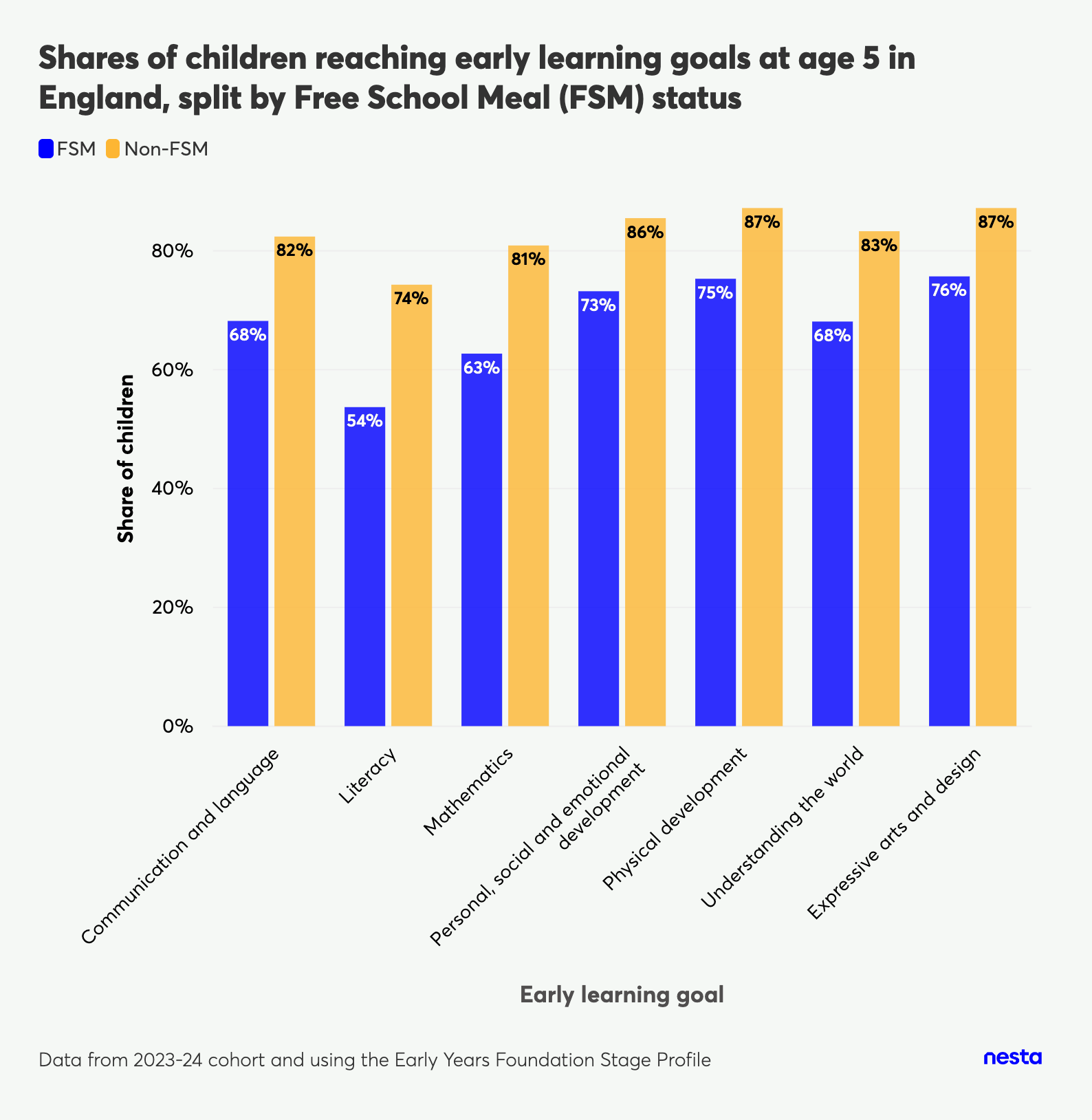
Figure 1. Shares of children reaching early learning goals at age five in England, split by Free School Meal (FSM) status
Box 1. The Early Years Foundation Stage Profile and the Good Level of Development
The Early Years Foundation Stage Profile (EYFSP) is a statutory assessment of 5-year-old children in England, measuring whether each child is at the expected level of development across a wide range of domains. It is conducted by schools and, in rare cases, childminders in the final term of the academic year in which the child reaches the age of 5.
In the current definition of the profile, children are assessed on whether they meet expected levels of development across 17 early-learning goals. They are then classed as reaching a 'Good Level of Development' if they meet all of their early-learning goals within five key areas of learning: communication and language; personal, social and emotional development; physical development; literacy; and mathematics.
As well as being used as a key outcome in our own work within England in A Fairer Start, this measure has particular salience in the Government's mission to 'Break Down Barriers to Opportunity', whose target is to increase the share of children reaching a Good Level of Development to 75 per cent by 2028. In the latest available data (for 2023–24), 67.7 per cent of children reached a Good Level of Development.
Who could benefit from parenting interventions?
Parenting interventions normally specify the group of families for which they are suitable. Some are designed for universal audiences, but others are designed with more acute needs in mind. In the rest of our analysis, we use the terms ‘targeted reactive', 'targeted preventative' and 'universal' to classify interventions by their intended target group. These are versions of equivalent categories in the Foundations Guidebook, but simply renamed to be more intuitive. Their definitions can be seen in Table 1.
As we will show later in this report, the current implementation of parenting interventions in the UK appears to be heavily skewed towards targeted programmes, which are implemented by local institutions such as Family Hubs and Sure Start
What could the impact of parenting interventions be at a population level?
centres, and as part of Flying Start programmes (though note that we only have implementation data from Family Hubs). These centres are often mandated to offer support to groups in which children are more likely to have additional developmental needs, such as low-income communities, or directly to families whose children already have identified developmental difficulties.
Table 1. Typical intervention types and possible audiences
| Intervention type |
Description of target audience |
Examples of interventions |
Approximate share of the population that could be targeted |
| Targeted reactive (also called 'Targeted indicated') |
Specific families in which the child already has an acute and identified need, for example by scoring above a threshold for problem behaviours |
Incredible Years Preschool; Empowering Parents, Empowering Communities |
10–20% |
| Targeted preventative (also called 'Targeted selective') |
Normally demographic groups with elevated needs on average – for example, low-income groups or young parents |
The Family Nurse Partnership; Making it REAL |
>20% – but varies depending on intended target group |
| Universal |
All families |
EasyPeasy; Tiny Happy People Text Message Programme |
Up to 100% |
Note: shares of the population are most relevant for interventions targeting socioemotional development
In Table 1, we estimate the shares of children who could likely benefit from various categories of parenting intervention. To do so, we took typical target groups for interventions in each category and mapped them to shares of the population. For example, targeted reactive interventions focusing on socioemotional development often filter for children scoring above thresholds that indicate potential challenges on measures such as the Strengths and Difficulties Questionnaire or the Eyberg Child Behaviour Inventory. In the case of the Strengths and Difficulties Questionnaire, the 'close to average' category was designed to capture 80 per cent of children. Thus, a reasonable estimate is that around 20 per cent of children could be targeted by reactive programmes intended for children with existing behavioural difficulties.
Now focusing on England, just under 18 per cent of children do not meet their early-learning goals for personal, social and emotional development. Given its statistical similarity to the share that could benefit from targeted reactive programmes, this measure can also be used to analyse where funding for parenting interventions could most effectively be directed within England. To illustrate, we plot the share of children not meeting their early-learning goals for personal, social and emotional development across local authorities in England (Figure 2). The most obvious conclusion to be drawn from this exercise is that the need for parenting support is quite uneven across local areas, suggesting that effective mechanisms for the efficient regional allocation of funding are likely to be essential. For example, several local authorities in the North West have very high shares of children failing to meet their early-learning goals, while those in parts of the South fare much better.
Estimated shares of children per English local authority who could benefit from targeted parenting interventions
Share of children per local authority who could be targeted by parenting support (%)
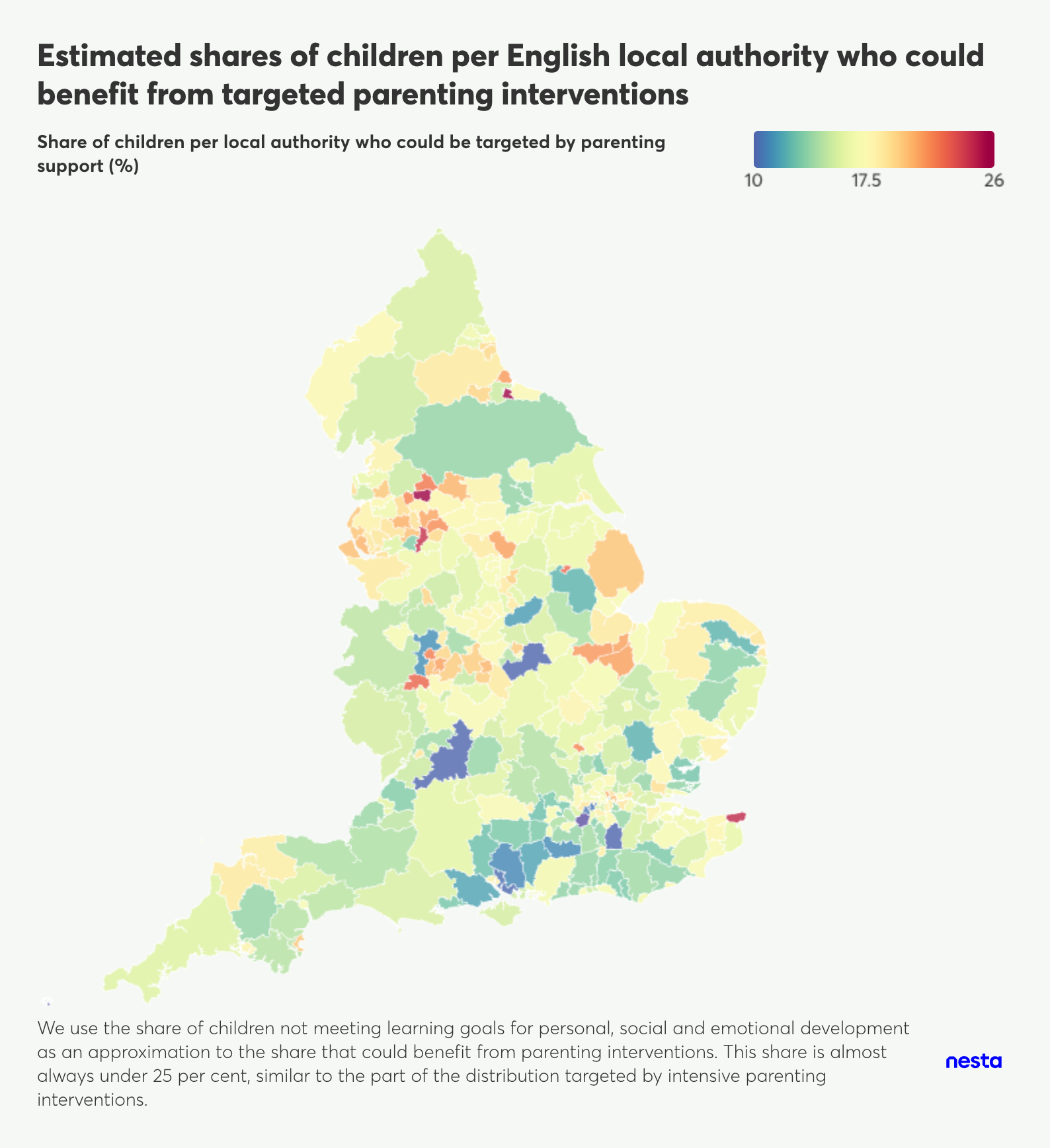
We use the share of children not meeting learning goals for personal, social and emotional development as an approximation to the share that could benefit from parenting interventions. This share is almost always under 25 per cent, similar to the part of the distribution targeted by intensive parenting interventions.
Figure 2. Estimated shares of children per English authority who could benefit from targeted parenting interventions
What could the impact of parenting interventions be at a population level?
In this section, we focus mainly on interventions that target socioemotional development because, for the purposes of this report, they are more convenient to analyse using the data we have available.
One measure that receives particular attention in this section is the Strengths and Difficulties Questionnaire. This measure has been used in a large number of evaluations of parenting interventions across the world and has also been collected in many nationally representative datasets such as the Millennium Cohort Study (Box 2). It is a survey-based measure, designed to elicit a relatively broad swathe of the components of socioemotional development. It can be administered to parents or teachers of children as young as two years old and up to 17 years old.
Box 2. The Millennium Cohort Study
The Millennium Cohort Study (MCS) is a prominent study of roughly 19,000 children born in the UK in the year 2000. It has followed this cohort of children and their parents since then, routinely collecting diverse data on their characteristics, activities, beliefs and outcomes.
Most relevant for the purposes of the analysis in this report is that the study collected data at three points in the early lives of these children: at 9 months, 3 years and 5 years of age. Our analysis here focuses on the waves of the survey collected at 3 and 5 years of age.
The dataset includes a broad array of variables that cover aspects of children's development, including the Strengths and Difficulties Questionnaire and measures of cognition, as well as parenting practices and the home learning environment. Especially helpfully, the wave collected at age 5 has been linked to cohort members' Early Years Foundation Stage Profile scores in England.
An important caveat in our use of the MCS is that the dataset is now two decades old, so some of the precise findings are only suggestive of where the data would be now. For this reason, we focus on relationships between variables – for example, between measures such as the Strengths and Difficulties Questionnaire and the Early Years Foundation Stage Profile, and gaps between demographic groups – that are likely to have been more stable over time than, say, the distribution of individual variables across the population.
Our approach is mostly vindicated by a comparison of the MCS and a newer cohort study, SEED, in the Deaton Review's chapter on early childhood inequalities (Cattan et. al, 2024). This comparison reaches mixed conclusions, with some important variables changing substantially over time but others remaining more stable. For example, parenting practices overall have significantly improved in the two decades since the MCS, and demographic variables such as family structures and parent characteristics have undergone substantial change. However, over time, some indicators of gaps in development have remained relatively stagnant.
First, we examine an intervention with very strong evidence of impact on the Strengths and Difficulties Questionnaire (SDQ): Incredible Years Preschool. Using evidence from its evaluation, we simulate what might happen if it were rolled out to all children with existing behavioural difficulties (Figure 3).
Simulated impact of Incredible Years Preschool on degree of externalising problems, age 5
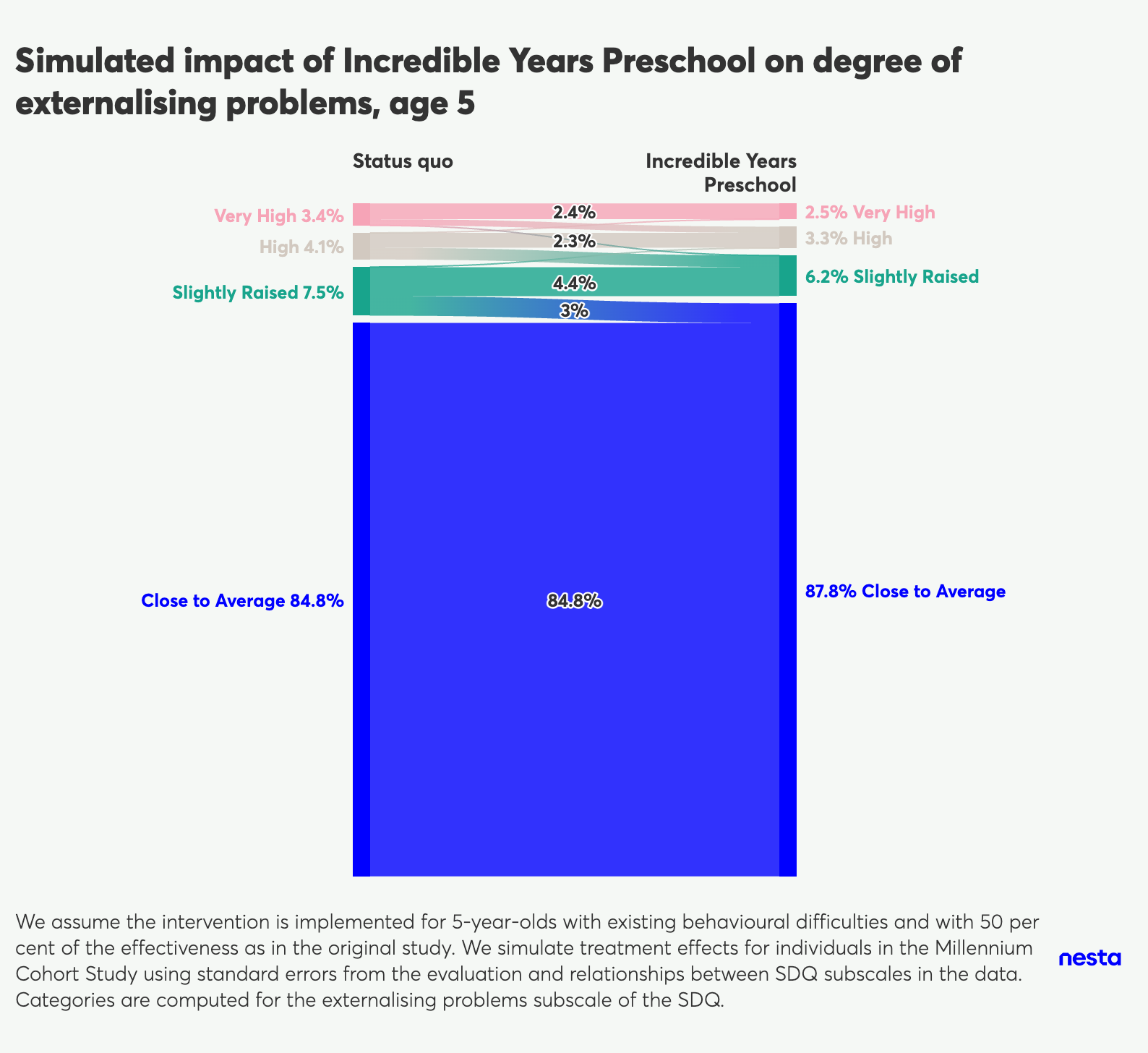
We assume the intervention is implemented for 5-year-olds with existing behavioural difficulties and with 50 per cent of the effectiveness as in the original study. We simulate treatment effects for individuals in the Millennium Cohort Study using standard errors from the evaluation and relationships between SDQ subscales in the data. Categories are computed for the externalising problems subscale of the SDQ.
Figure 3. Simulated impact of Incredible Years Preschool on degree of externalising problems, age 5
Even under the conservative assumption that this intervention has only 50 per cent of the impact it had in its initial evaluation, its effect would be to shift a fairly substantial share of children across categories of behavioural difficulties. For example, about 44 per cent of children with ‘slightly raised' externalising-behaviour difficulties would shift into the 'close to average' category. Technically, although the effects are numerically modest, this is because the thresholds for behavioural difficulties are relatively fine-grained above the ‘close to average' category. For example, the 'slightly raised' category only encompasses scores of 12–13 out of 20, while 'close to average' absorbs all children with scores of 11 or lower.
It is also notable from Figure 3 that a single intervention is unlikely to shift a child from the highest levels of behavioural difficulties to the ‘close to average' category. However, at such high levels of difficulty, small changes may make a substantial difference. This can be seen in part from the remarkably strong association in the Millennium Cohort Study data between the SDQ at age 3 and the likelihood of a child reaching a Good Level of Development (GLD) at age 5 (Figure 4). Seventy-three per cent of children in the 'close to average' category attain this benchmark, but this share drops quickly to 60 per cent if the child has 'slightly raised' difficulties, to 51 per cent for 'high' difficulties, and 43 per cent for 'very high' difficulties.
Likelihood of a child reaching GLD by level of behavioural difficulties at age 3
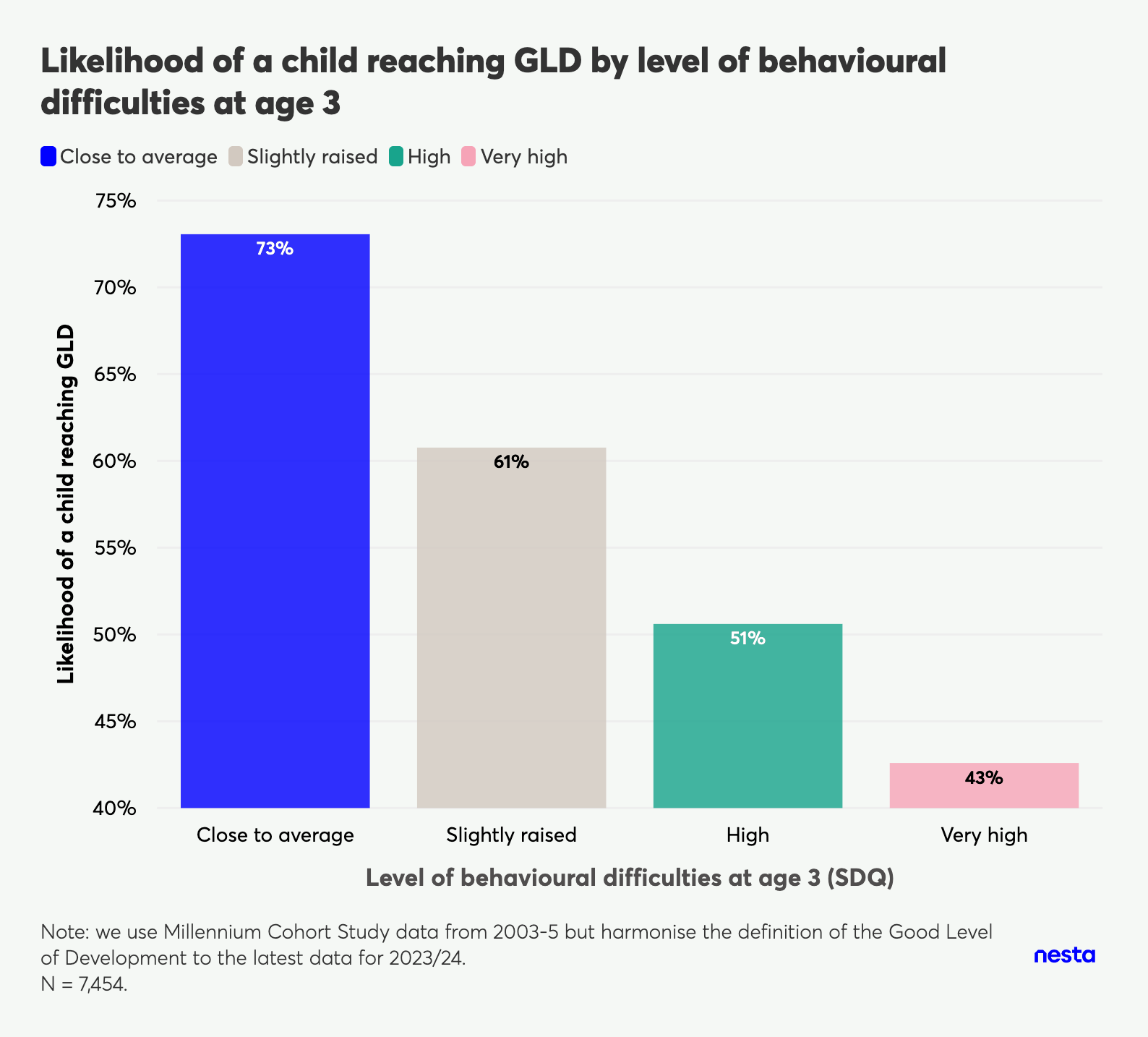
Note: we use Millennium Cohort Study data from 2003-5 but harmonise the definition of the Good Level of Development to the latest data for 2023/24. N = 7,454.
Figure 4. Likelihood of child reaching GLD by level of behavioural difficulties at age 3
To better understand the possible impact of parenting support interventions on a policy-relevant outcome, Nesta's A Fairer Start mission has developed a model to convert impacts on socioemotional difficulties into an impact on the share of children reaching GLD within England (Box 3). Note that the share of children reaching a GLD can be quite stable at the population level, barely changing, for example, from 67.2 per cent in 2022–23 to just 67.7 per cent in 2023–24.
Box 3. Modelling the impact of interventions on the Early Years Foundation Stage Profile and the Good Level of Development
In A Fairer Start, we have made a first step towards understanding the potential impact of parenting support at scale by carefully modelling its impact on the Good Level of Development (GLD). In order to do so, we take a set of interventions that have robust evidence of impact on socioemotional development. We then use the Millennium Cohort Study to carefully model the relationship between measures of socioemotional development and the Early Years Foundation Stage Profile. This allows us to predict the impact of each intervention on the GLD (see Box 1).
Our method involves using a 'structural model' that extracts common threads (factors) from measures of socioemotional development, such as the Strengths and Difficulties Questionnaire (SDQ), and the Early Years Foundation Stage Profile (EYFSP). By using this method, and also controlling for a set of variables such as household and local area characteristics that cannot be affected by parenting interventions, our aim is that these common threads isolate the parts of these variables that might plausibly be impacted by parenting interventions. We then use these common threads to predict the impact of each intervention on the EYFSP, given information on its impact on measures such as the SDQ.
You can experiment with a prototype interactive app we have built based on this model. It allows you to explore the impact of various parenting interventions on the GLD measure in England, depending on how they are implemented.
Using our model, we examine one possible scenario: that an evidence-based intervention designed for more acute levels of need is rolled out to all children with behavioural difficulties, as measured by the SDQ. The data in Figure 4 suggest this would be an effective strategy for targeting policy: as we have already mentioned, used at age 3, the SDQ is a striking predictor of a child reaching a GLD.
We examine a selection of parenting interventions with a strong evidence base, but different levels of effectiveness: Empowering Parents, Empowering Communities (EPEC); the Family Nurse Partnership; Incredible Years Preschool; and Triple P Online. While none of these parenting interventions are capable of closing the sizeable gap between children with behavioural difficulties and their peers, they could make significant progress towards that goal. Retaining our very conservative assumption that these interventions are only 50 per cent as effective at scale as in their initial evaluation, and if they were rolled out to the approximate 120,000 children who experience any level of behavioural difficulties in the age-3 cohort (the one that we are able to model), we estimate 4,000 additional children would reach a GLD per year.
Predicted impact of various parenting interventions on the chance that a child reaches a Good Level of Development
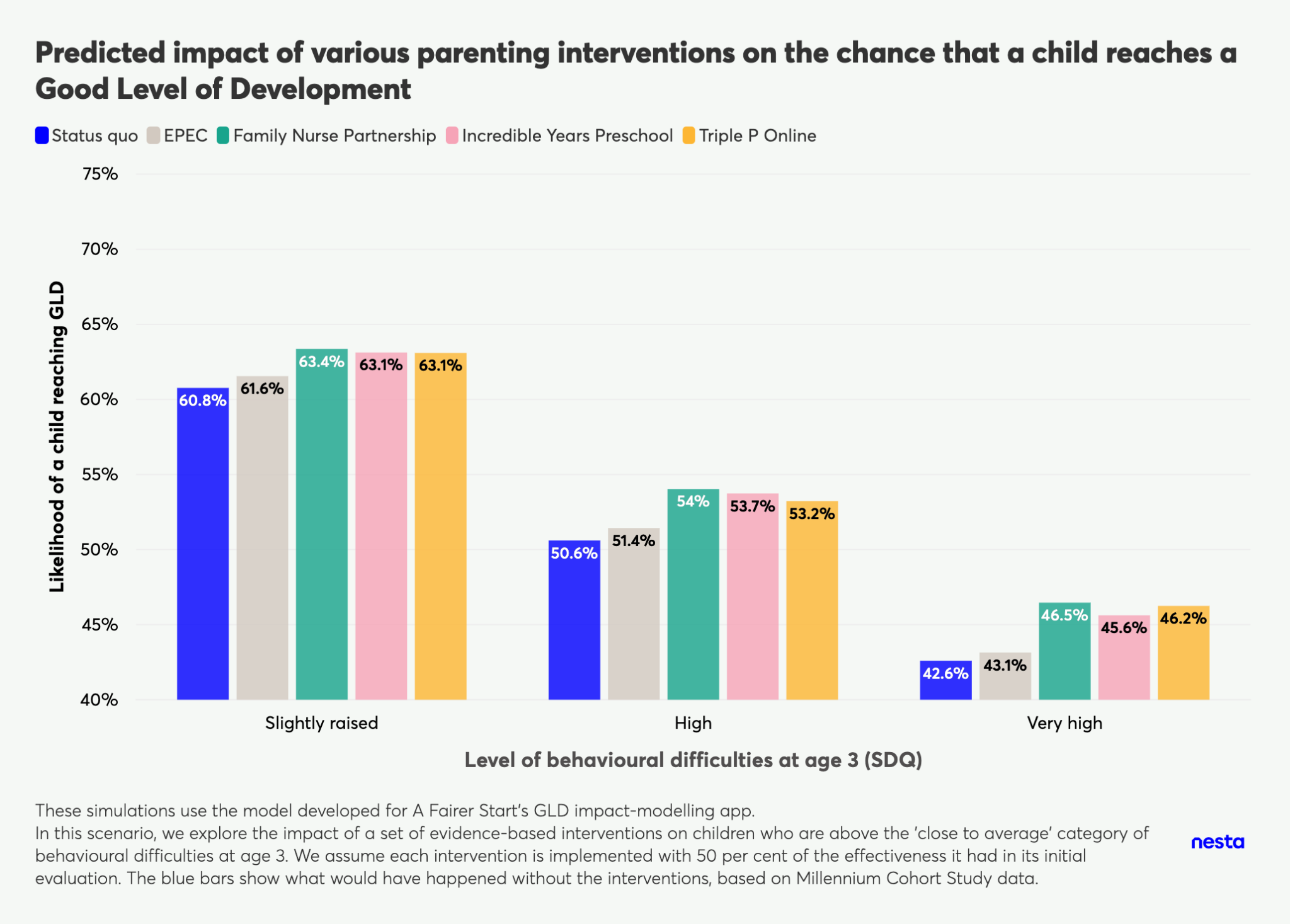
These simulations use the model developed for A Fairer Start's GLD impact-modelling app. In this scenario, we explore the impact of a set of evidence-based interventions on children who are above the 'close to average' category of behavioural difficulties at age 3. We assume each intervention is implemented with 50 per cent of the effectiveness it had in its initial evaluation. The blue bars show what would have happened without the interventions, based on Millennium Cohort Study data.
Figure 5. Predicted impact of various parenting interventions on the chance that a child reaches a Good Level of Development
Under a much more optimistic scenario, in which a given intervention is scaled up with the same effectiveness as in the original evaluation, the impacts would be substantially larger: the most effective interventions could close almost half the gap between children at 'very high' levels of behavioural difficulties and those in the 'slightly raised' category. The same is true for the gap between children in the 'slightly raised' category and those in the ‘close to average' category.
Correspondingly, the number of additional children reaching a GLD per year would be larger, at up to 8,000. In terms of the overall GLD target, this would be a fairly substantial impact of around 1.2 percentage points – about 15 per cent of the total progress needed to meet the Government's Break Down Barriers to Opportunity mission target from a single intervention that reaches a fifth of the relevant cohort of children.
Predicted impact of various parenting interventions on the chance that a child reaches a Good Level of Development - optimistic scenario
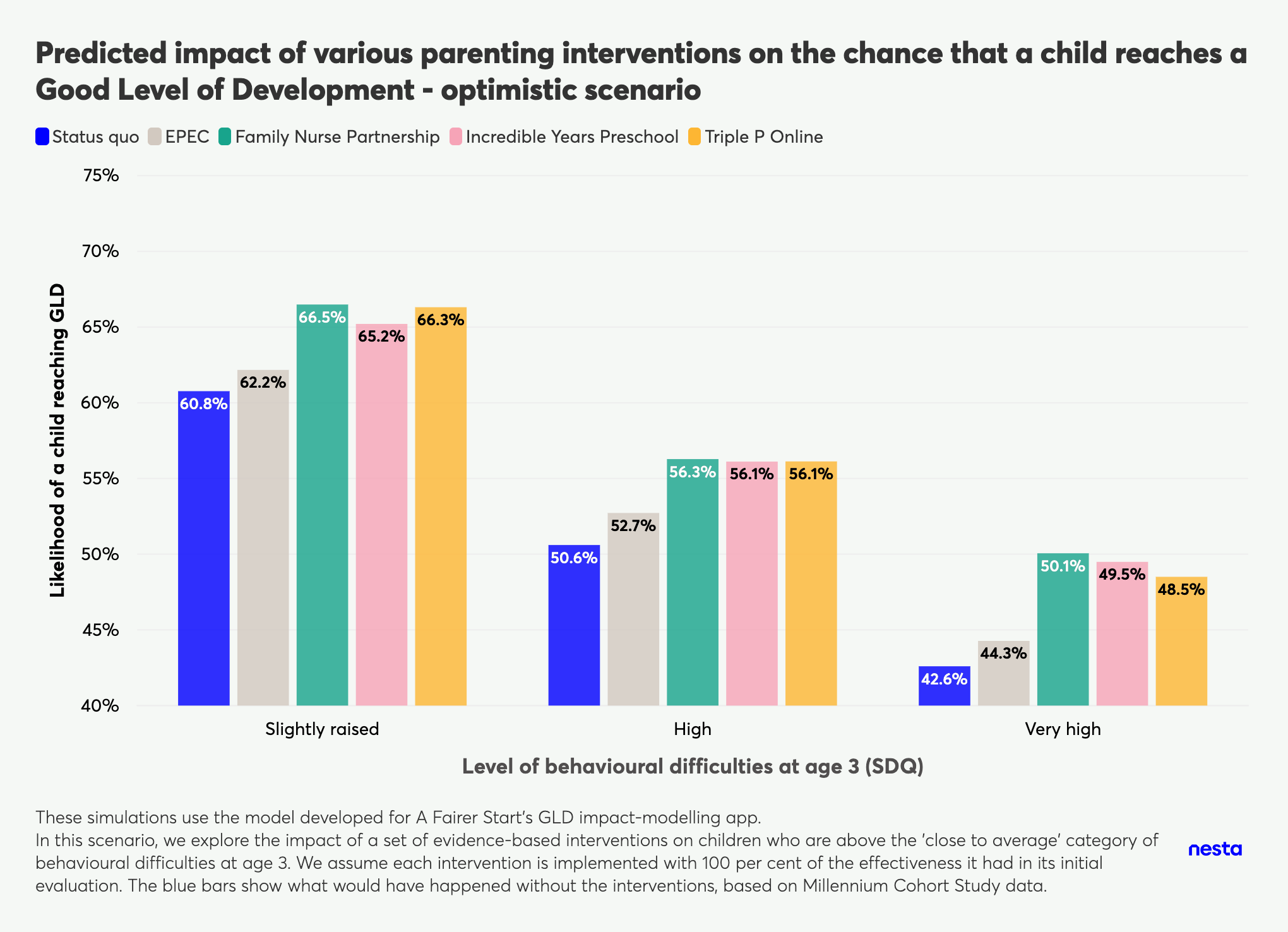
These simulations use the model developed for A Fairer Start's GLD impact-modelling app. In this scenario, we explore the impact of a set of evidence-based interventions on children who are above the 'close to average' category of behavioural difficulties at age 3. We assume each intervention is implemented with 100 per cent of the effectiveness it had in its initial evaluation. The blue bars show what would have happened without the interventions, based on Millennium Cohort Study data.
Figure 6. Predicted impact of various parenting interventions on the chance that a child reaches a Good Level of Development – optimistic scenario
Our analysis draws attention to two points. First, parenting interventions can have a meaningful impact on those children who may be most at risk of falling behind their peers developmentally. This is particularly notable because historically, gaps in developmental outcomes have been stubborn. Furthermore, some programmes can be delivered over a short period of time (EPEC and Triple P Online are delivered in 8 to 12 weeks, while Incredible Years Preschool and the Family Nurse Partnership are longer) and at relatively low cost (interventions such as Triple P Online and EPEC can be delivered at a cost of around of £100 per family, although more intensive interventions such as the Family Nurse Partnership can cost over £2,000 per family). These two factors make parenting interventions potentially highly scalable.
The second point is that it is particularly important for parenting interventions to be implemented effectively when they are scaled up. However, several aspects of the market for parenting support must conspire to achieve this goal, including: the political and economic environment that decides the form of parenting interventions and the funding available to deliver them; the facilitators and organisations that enable delivery; effective intervention design; parents themselves; and the scaling strategy (see Nesta and BIT, 2024 for more comprehensive analysis). Without these factors in place, it is most likely that the effects of a given intervention measured in a randomised control trial, typically conducted under advantageous conditions, will not be replicated.
For instance, although the Family Nurse Partnership had strong evidence of impact within its UK and US evaluations, including improved performance in both the Early Years Foundation Stage Profile and Key Stage 1, its intensive home-visiting model proved difficult to sustain within NHS staffing and infrastructure limits (Robling et al., 2014). In our previous report (Nesta and BIT, 2024), our assessment was that a tighter process evaluation of the scaling strategy would have been beneficial.
2. The structure of the market for parenting interventions
While many parenting-support interventions have proven impact on important child outcomes, the complex structure of the market for parenting interventions presents a set of unique challenges in attaining that goal.
In a well-functioning market, feedback loops between consumers and firms are crucial in enabling supply (the set of goods or services) to be well matched to demand (consumers' preferences and needs). These require strong flows of information from firms to consumers and from consumers to firms, as depicted in Figure 7.
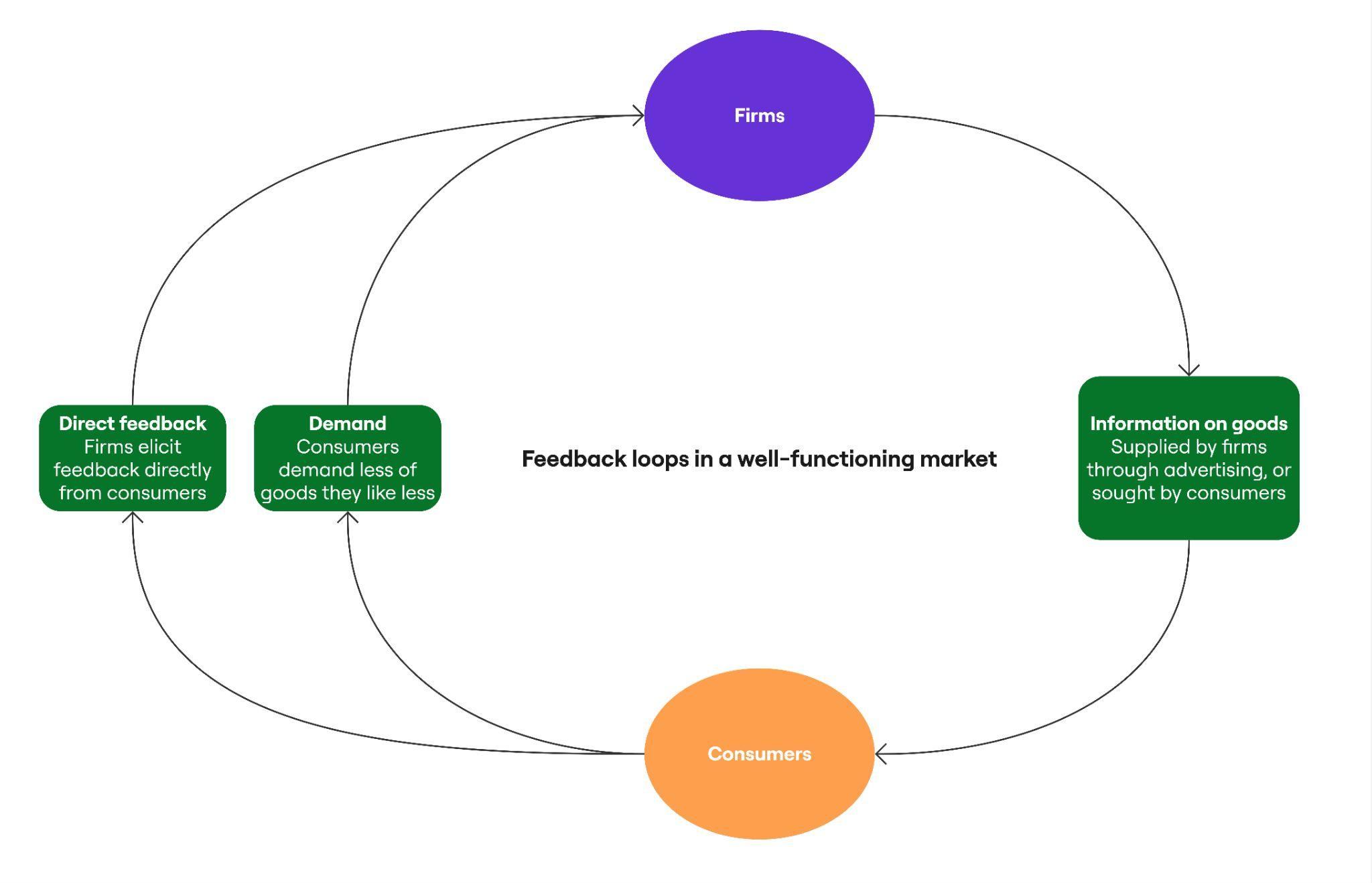
Figure 7. Feedback loops in a well-functioning market
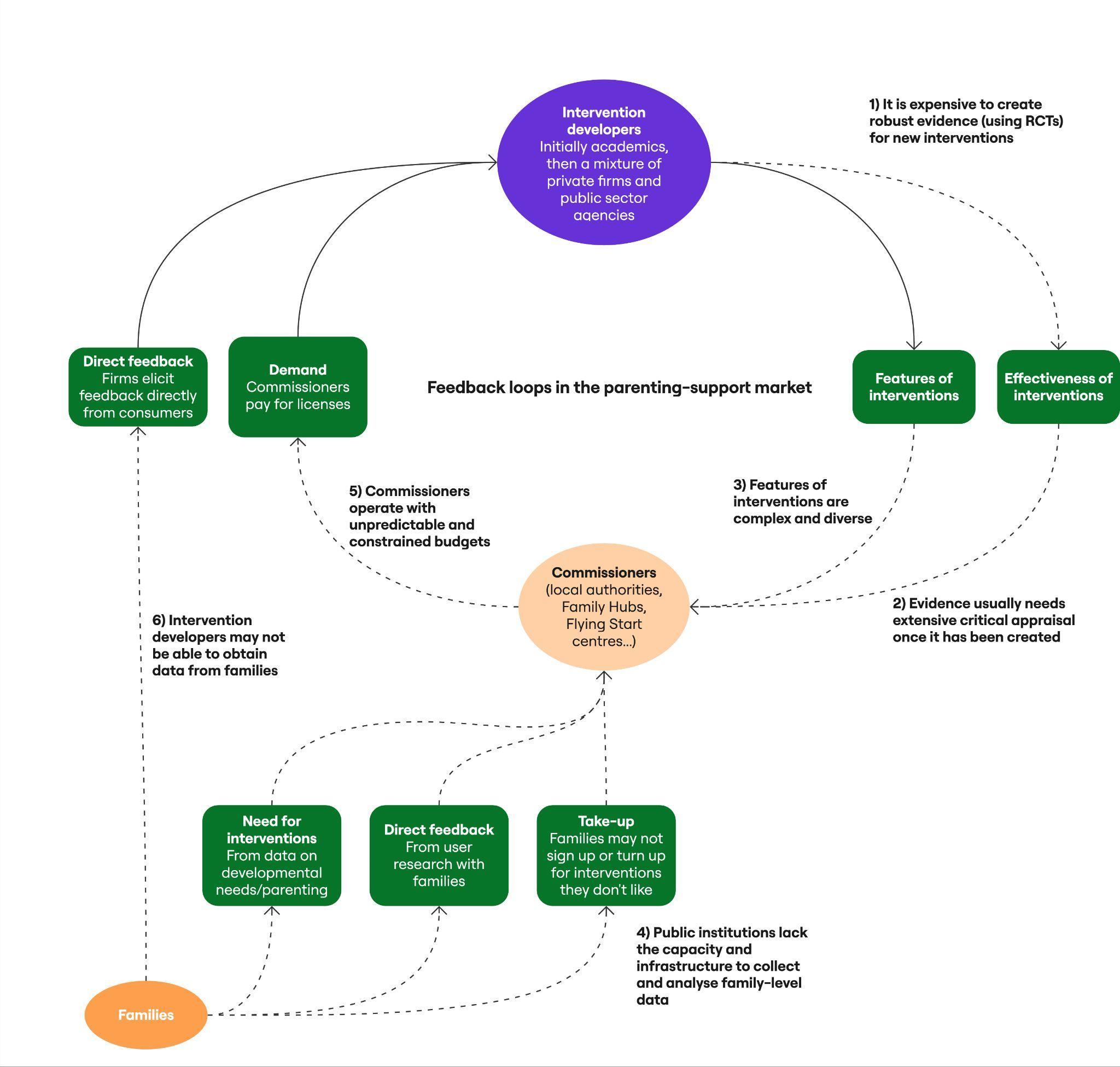
Figure 8. Feedback loops in the parenting-support market
In the market for parenting support, however, intervention developers almost never transact directly with families. Instead, local commissioners purchase interventions on families' behalf, using public funds. This intervention of public institutions, such as local authorities and family hubs, is essential: those families who could benefit the most from parenting support would almost certainly be unable to pay for it, and parenting interventions confer benefits to society at large, not just those families participating. Both of these factors imply that parenting interventions would be severely underconsumed in a fully private market. Yet the prominent role of public institutions in the market also means they need to shoulder the heavy burden of enabling many of the feedback loops that might otherwise arise naturally in a private market (Figure 8).
Setting aside for a moment how well these decision-makers understand families' needs and preferences, good information on two aspects of interventions is required to make effective commissioning decisions. The first is their effectiveness: how big an effect would each intervention have on important outcomes such as parenting and child development? The second is their design: how well are interventions matched to the needs and preferences of the local population and deliverability constraints? As shown in Figure 8, there are multiple barriers to the flows of both types of information in this market. We detail them below.
1) It is expensive to create robust evidence (using RCTs) for new interventions
Rigorous evaluation, ideally via randomised controlled trials (RCTs), is the best way to learn an intervention's true impact on parenting practices and child development. As previously highlighted, while some interventions are shown to be highly effective, a large proportion are not (Jeong et al., 2021). But RCTs are expensive, lengthy and technically demanding – they typically cost hundreds of thousands of pounds, or possibly much more if conducted to the highest standard. This can both create a serious barrier to entry for new interventions hoping to establish themselves as evidence-based, and lead to new interventions being implemented before it is really established that they are effective.
Additionally, it is critical that RCTs evaluate interventions under implementation conditions that replicate how they might be implemented at scale. However, given that intervention developers may have strong incentives to demonstrate positive effects, this may not always be the case. For example, intervention developers may test their interventions with relatively skilled staff and provide a level of support that would be unsustainable if the intervention were implemented at scale. This underscores the importance of independent evaluation and critical appraisal, both of which introduce additional costs.
2) Evidence usually needs extensive critical appraisal once it has been created
Even where trials have been conducted, critical appraisal of their methodology and results calls for specialist expertise. ‘Clearing houses' for evidence, such as Foundations and the Educational Endowment Foundation, have done excellent work in this capacity, but critical appraisal requires significant time and skill, and therefore also additional funding. Many of the more recent RCTs conducted on parenting interventions in the UK have not yet been critically appraised using an appropriate methodology. This makes it difficult to understand their exact merits or to enable sensible comparisons to be made between different programmes.
The provision of a strategic vision for parenting support falls to central government, which can guide local commissioners on the selection and implementation of the most effective parenting-support programmes. The main challenge in doing so is that any centralised policy framework needs to balance a clear vision, which crucially emphasises the implementation of programmes with fidelity (consistency to their original design), with a need for local tailoring and innovation.
3) Features of interventions are complex and diverse
Interventions have a wide array of varying features: group versus one-to-one delivery, varying session lengths, digital tools, home visiting and so on. Without careful analysis, it is extremely challenging to say definitively which combinations of features may be suitable for different types of families. This is likely to mean decision-makers such as commissioners and central government, lacking an understanding of ‘what works, for whom, in what circumstances' (Early Intervention Foundation, 2022; Nesta, 2024), are unable to decide on the optimal set of interventions both at the local and national level.
Aside from needing to understand what interventions are available, public institutions must also act as families' ambassadors in determining the set of interventions that are most effective and appropriate: families rarely transact with suppliers of parenting interventions. However, Figure 8 also illustrates some important constraints on the ability of those institutions to act in this capacity due to the lack of availability of good data on local families' needs and preferences.
4) Public institutions lack the capacity and infrastructure to collect and analyse family-level data
Collecting data on the take-up and retention of interventions by families is not straightforward and may require infrastructure that is not readily available at the local level. Even if these data are collected, they can provide opaque signals of families' preferences and needs. This makes it extremely difficult to find clarity on the extent to which currently implemented interventions genuinely meet the needs of the local population, and even more difficult to predict how other interventions might perform in comparison.
5) Commissioners operate with unpredictable and constrained budgets
Local commissioners must procure interventions with very limited and often short-term budgets, dictated largely by allocations from central government (eg, HM Treasury and the Department for Education). This likely precludes investment in the workforce and infrastructure required to effectively deliver interventions, and the vulnerability of these budgets creates uncertainty that is likely to further inhibit investment.
6) Intervention developers may not be able to obtain data from families using their programmes
Although some intervention developers require delivery partners to collect monitoring data, others may lack appropriate channels to collect ongoing feedback from families. In these cases, constraints on data sharing and collection are likely to limit their ability to gauge take-up, satisfaction or barriers to engagement (Nesta and BIT, 2024). Without the ability to monitor and evaluate their own programmes, developers may be less able to adapt existing programmes to fit families' needs.
Monitoring and feedback mechanisms have been identified as key components of successful initiatives; the evaluation of the Think Family initiative (York Consulting, 2010) identified strong monitoring and feedback mechanisms as a key component in successful sites. Feedback loops allowed for real-time data collection and course correction. The trial of CANparent, an initiative to test the universal provision of parenting programmes in a local context, also recommended that the Department for Education, the Department of Health and providers collaborate on aspects of branding and delivery (Department for Education, 2014).
Section summary
In combination, incomplete flows of information in the market for parenting support are likely to have two major implications. The first is that the set of available interventions may be slower to respond and less well calibrated to families' needs than would be optimal. The second is that those interventions delivered in local contexts may not be those that meet two important criteria: that they have robust evidence of efficacy and that they are well matched to families' needs. In the following section, we investigate the extent to which some of these predictions are borne out by reality.
3. What kinds of parenting interventions are supplied by the market? How much do we know about their evidence base?
The most ambitious component of this project involved conducting a rapid but systematic review of 135 parenting interventions. Our review aimed to include interventions matching the following criteria:
- The intervention is clearly defined and can be replicated
- The intervention aims to improve one of two target outcomes:
- Cognitive development: language and communication, executive functioning, early literacy, and early maths
- Children's social, emotional or behavioural development
- Intervention is aimed at improving children's outcomes before the child turns 5 (but may be targeted at older children too)
- The intervention works directly with the parent as the primary agent of change
Criteria 2. and 3. restrict our focus to interventions with the highest-proven potential to impact our mission goal. However, this means we do not include important interventions that directly target outcomes such as child maltreatment or abuse, or other aspects of mental and physical well-being. For these interventions, we refer interested readers to ongoing work by organisations such as Foundations, for example, in their Practice Guides, which have a more explicit focus on these outcomes.
We identified interventions that met our criteria via a rapid search that involved reviewing several authoritative sources, including the Foundations Guidebook, Foundations' Practice Guide for Parenting Through Adversity (Foundations, 2025), the Department for Education's list of programmes approved for delivery within the Family Hubs and Start for Life programme, and previous Nesta projects such as Mapping Early Years Practice (Nesta, 2023). We also included parenting programmes developed by a range of voluntary and community-sector organisations that were already known to our team. Due to the rapid nature of this exercise, we do not expect the list of 135 interventions we have identified (included in the Appendix) to be fully comprehensive. We would welcome information about any additional programmes that meet the criteria above, meaning they may be suitable to be included in our database.
Based on the sources reviewed, the majority of identified interventions originate from the Global North, with a substantial proportion developed in the United States, followed by the UK and other European countries.
Our principal aim was to systematically rate each intervention on a variety of dimensions. These are listed below:
Table 2. Variables captured in our rapid review of interventions
| Dimension of assessment |
Definition |
| Target age (target population) |
Age(s) of children in intended target group |
| Domain(s) of child development targeted (target outcome) |
Including the two domains chosen for eligibility: cognitive development (e.g. language and communication; early literacy; early maths), and children's social and emotional development – but also capturing other domains where present, such as child mental health or general development |
| Group size |
For example, individual sessions with caregivers only; caregiver-child dyads; group sessions for caregivers; or group sessions involving both caregivers and children |
| Facilitator involvement |
For example, whether the intervention is supported by a facilitator or accessed independently by the parent/caregiver via a website or app |
| Facilitator type |
Type of facilitator qualified to deliver the intervention; for example, teachers, health visitors, doctors, clinical psychologists or trained parent volunteers |
| Mode of delivery |
For example, in-person sessions, phone or video calls, digital messaging (e.g. SMS, WhatsApp, email) or access to instructional video content |
| Location of delivery |
Delivery setting of the intervention: for example, the caregiver's home, community spaces (e.g. children's or health centres), early years settings (e.g. nurseries) or schools (e.g. reception classes) |
| Intended-participant group |
Based on intervention design, rather than actual use; for example, universal, targeted selective or targeted indicated approaches |
| Estimated cost per person that year |
Estimated programme costs along with the year of calculation, including sources for all cost data where available (our data here are less reliable) |
| Tested target population, age, location and group size |
Target population in the programme's evaluation; for example, target group characteristics, such as age, location, duration and group size – and noted whether adaptations were made for specific groups |
| Reviewed by Foundations Guidebook |
A yes/no indicator for whether the intervention is included in the Foundations Guidebook |
| Type of evaluation |
For example, randomized controlled trial (RCT), quasi-experimental design (QED), pre-post study or qualitative assessment. |
| Foundations Guidebook rating |
A rating on Foundations' scale from 2 to 4, capturing the quality of evidence underpinning the intervention; crucially, a rating of 3 or higher suggests the intervention can be classed as evidence-based – see this link for more details |
| Designed in the UK |
Whether the intervention was designed in the UK, developed outside the UK but adapted for the UK, or neither designed nor adapted for the UK context |
| Has a fixed format |
An intervention is classed as having a fixed format if it comprises an exact number of sessions, covers a precise set of themes, has a fixed mode of delivery (e.g. online versus in-person) and is accompanied by supporting evidence that outlines the process of making a 'manual' for the programme. |
| Tailored to specific needs |
Whether the programme can easily be tailored to specific needs – such as Special Educational Needs, different demographic groups (ethnicities, income levels, cultural contexts) – along with supporting evidence for these adaptations |
| Scaling: UK/Non-UK |
The extent to which the intervention has been scaled up both within the UK and internationally; for example, whether the programme has only been implemented |
in a research context (e.g. as part of an RCT or other academic study) or is currently being delivered on a wide scale across the UK.
While the information included captured here is quite rough, we use the following definitions:
- R&D only: implemented only in the context of a study or trial
- Small scale: implemented in fewer than 10 sites
- Medium scale: implemented in 10 to 30 sites
- Large scale: implemented in 30 or more sites
To gather the information outlined above, we drew on a diverse range of sources, including the official intervention websites, the Foundations Guidebook, evaluations from the Education Endowment Foundation, academic research papers, partner organisations involved in programme delivery, local authority websites and relevant grey literature (Education Endowment Foundation, Nuffield Foundation, Early Intervention Framework, The Sutton Trust). Due to the scope and complexity of the task, data-extraction responsibilities were shared between two team members. All information collected was systematically linked to its supporting evidence. Following the completion of the design and scaling assessments, the two team members conducted a joint review and calibration process, using insights from the initial round of data collection to ensure consistency and accuracy. The final evidence review sheet then underwent two rigorous stages of quality assurance first by Nesta's Group Head of Evaluation and subsequently by a Principal Researcher and Deputy Director from the A Fairer Start team.
It is important to note that the ambition of this work was not to provide a detailed assessment of each individual intervention. Instead, our goal was to quantitatively survey the market of interventions by systematically recording relatively simple variables, eventually building a dataset that can be used to answer questions such as 'How many interventions targeting socioemotional development are classed as evidence-based by Foundations?'. Thus, our analysis is set entirely at the market level rather than at the level of individual interventions. However, in boxes throughout the rest of the section, we highlight a handful of interventions in various categories to bring the analysis to life.
Since we record several variables for each intervention, we structure our analysis around some key themes.
1) It is more common for interventions to directly target socioemotional development than cognitive development
While parenting interventions typically work with the parent as the primary agent of change – for example, by helping foster warm and stimulating parent-child interactions, by assisting parents to improve the home learning environment, and educating parents about their child's development – those in scope for our study all ultimately share the objective of positively impacting children. Within that, though, they can target different domains of development.
For example, a notable and relatively well-established set of interventions focuses on supporting parents to manage their child's problematic behaviours, thus directly targeting their socioemotional development (Box 4). However, it is important to note that because domains of development are strongly interdependent in early childhood, interventions successfully targeting socioemotional development are also likely to impact cognitive development. For example, in one long-term evaluation, Incredible Years Preschool was demonstrated to causally impact some children's reading ability around a decade after the intervention ended (Scott et al., 2014), even though it only explicitly targets socioemotional development through better parenting practices.
Box 4: Interventions targeting acute behavioural and socioemotional needs
There are many examples of this kind of intervention: Triple P (at its higher levels); Empowering Parents, Empowering Communities; Strengthening Families, Strengthening Communities; Generation PMTO, and many others.
As an example, here is the description of Incredible Years Preschool from the Foundations Guidebook:
The Incredible Years Preschool basic programme is for parents with concerns about the behaviour of a child between the ages of three and six. Parents attend 18 to 20 weekly group sessions where they learn strategies for interacting positively with their child and discouraging unwanted behaviour. Two facilitators (qualified to QCF Level 7 or 8) lead parents in weekly two-hour group discussions of mediated video vignettes, problem-solving exercises and structured practice activities addressing parents' personal goals.
Incredible Years Preschool has an evidence rating of 4+ from Foundations, the highest possible. This is because it was evaluated using three randomised controlled trials in the UK, one of which provided evidence of long-term impact: although the programme only directly targeted socioemotional development, it positively impacted children's reading ability ten years later.
Interventions in this category tend to have a fixed format and target certain demographic groups or specific families with identified needs. For example, Family Hubs will often work with families in low-income areas and develop an understanding of their needs, offering an intervention of this nature when appropriate.
As a reminder, interventions that target any aspect of socioemotional or cognitive development were included in our study. Many interventions in scope target multiple domains: for example, the Family Nurse Partnership is a holistic targeted intervention that focuses on educating new mothers about multiple aspects of their child's development, and the PEEP Learning Together Programme gives parents opportunities to learn about multiple domains of development. However, our review suggests that the vast majority (105 of 135 interventions) target aspects of socioemotional development, such as children's social, emotional and behavioural skills. In contrast, under half of the interventions target communication and language, and relatively few target domains such as early literacy or maths.
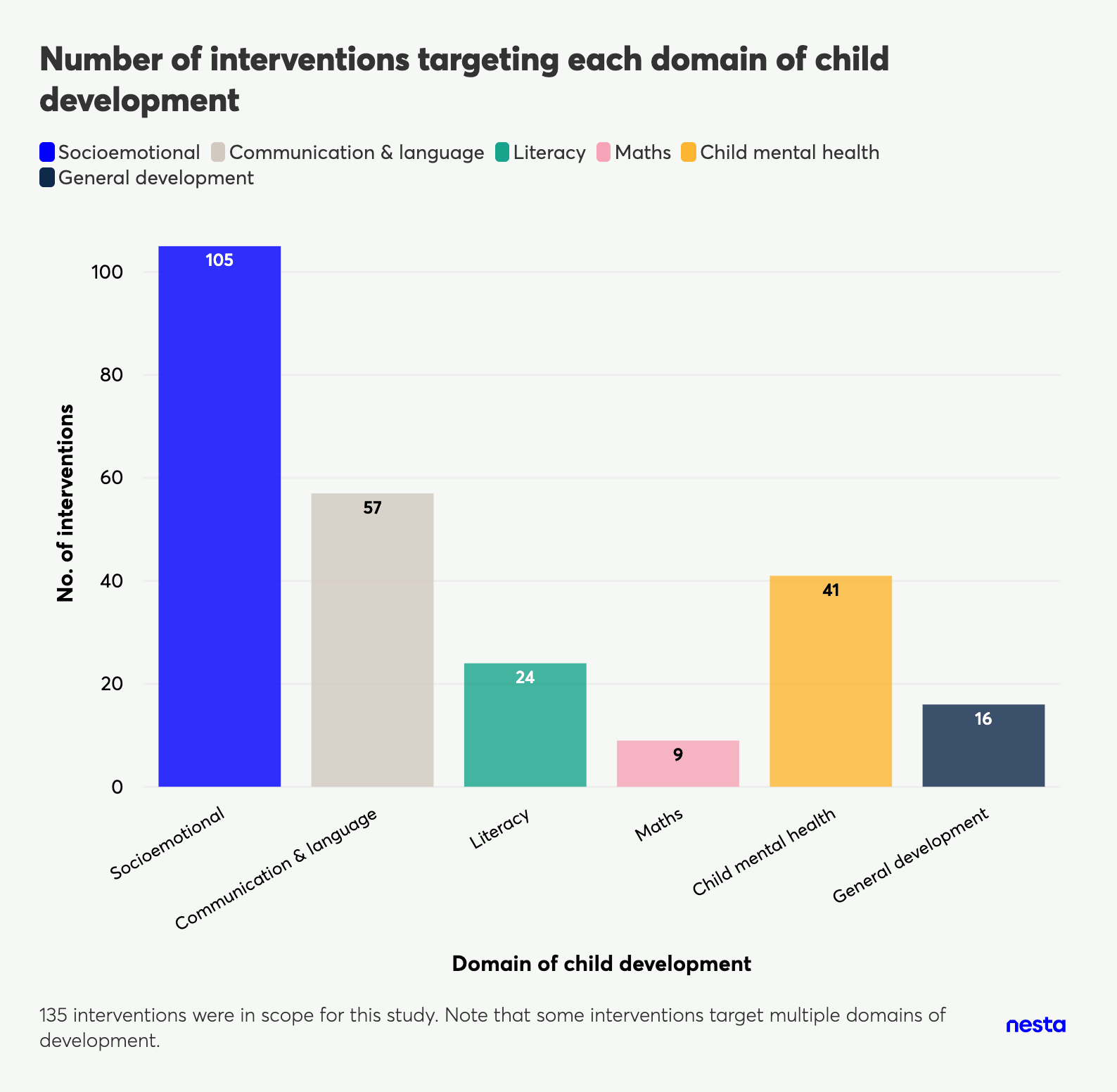
Figure 9. Number of interventions targeting each domain of child development
2) Group-based and individual models are both widely available, but in-person delivery is substantially more common
Many interventions are delivered in a group setting, with multiple families attending sessions to learn and reflect on parenting practices. However, an almost equal number offer more individualised approaches, such as home-visiting models (Figure 10). Choosing between these models involves multiple trade-offs: individual-level delivery can offer opportunities for more tailoring and a higher dosage of the intervention for each individual family, while group-based approaches may be less costly and can offer spaces for reflective discussion with peers.
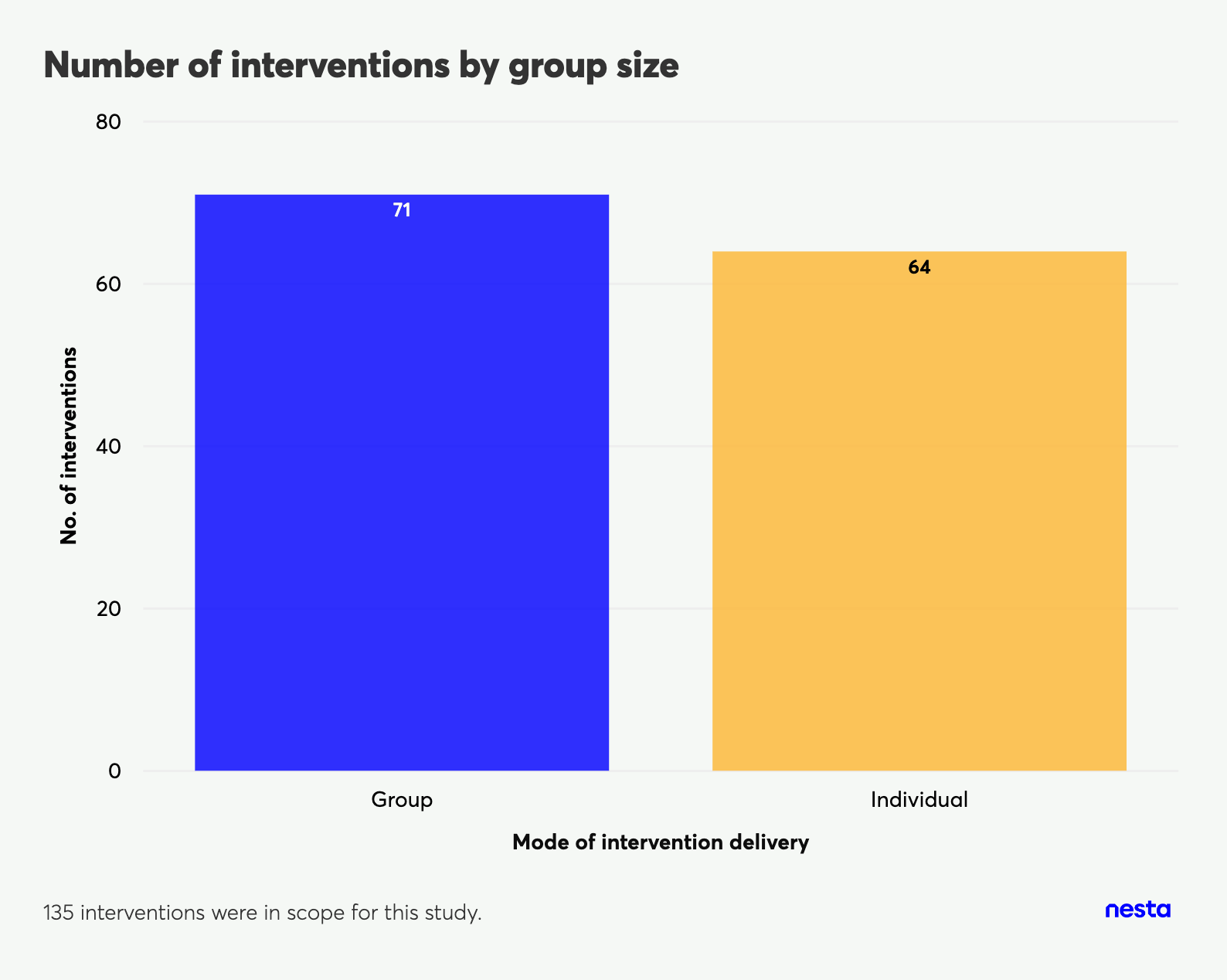
Figure 10. Number of interventions by group size
Another important dimension of delivery is whether an intervention is delivered online or in person. Online delivery has clear benefits, in being relatively convenient for families and generally more cost-effective. However, in-person delivery may provide better opportunities for social connection, as well as affording practitioners more control over what content is being delivered and the extent to which parents are engaging with it. Figure 11 illustrates that in-person delivery models are far more common than digital models, with 33 of 135 interventions in the latter category and 121 in the former.
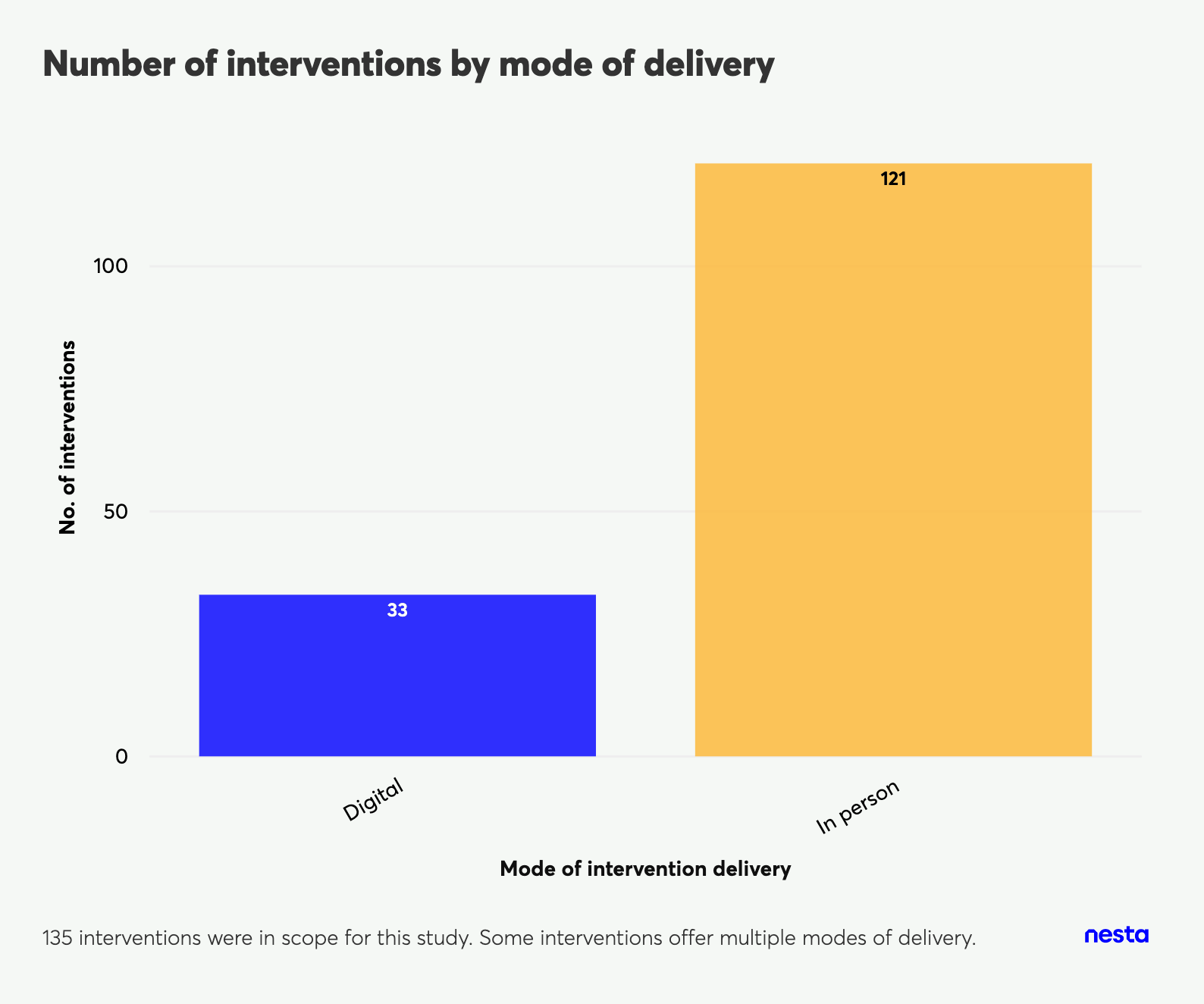
Figure 11. Number of interventions by mode of delivery
3) The vast majority of interventions are targeted rather than universal
Another important characteristic of the interventions we examined is the type of family they intend to work with. As mentioned earlier in this report (Table 1), we divide interventions into the following categories: targeted reactive, targeted preventative and universal.
Box 5: Universal parenting interventions
There are several examples of this type of intervention, such as Healthy Start, Happy Start, Peep TALK, the Solihull Approach, Tiny Happy People texting programme, lower level Triple P programmes and a few others.
As an illustration, here is a description of the Tiny Happy People texting programme:
The Tiny Happy People text-messaging programme offers free, digital parenting support by sending parents short, evidence-informed videos about activities they can do with their children. This provides a low-cost, universal and preventative solution to reach parents at scale, including those unable to access in-person support due to a number of barriers. Parents whose children are 6 months to 2 years old are eligible to sign up and receive text messages once a week for up to 18 months.
The Tiny Happy People texting programme is currently being evaluated for impact, meaning it is not yet eligible for inclusion in the Foundations Guidebook. Nesta is also working with the BBC and the University of Sheffield to explore families' engagement with a pilot version of the programme and possible options to scale it further.
These programmes are in some cases more flexible and adaptable to different family types, circumstances and demographic groups in order to have wide appeal. Universal interventions can also help to combat stigma around parenting support, though they may not provide the right level of support for families with more acute needs or concerns.
Our analysis demonstrates that a large majority of interventions offered by the market are targeted rather than universal. Only 36 of 135 interventions are designed for universal audiences (Figure 12). This may be a reflection of the fact that the infrastructure for commissioning and delivering parenting interventions in the UK, whose focal points are Family Hubs, Sure Start centres, and Flying Start centres, has the primary ambition of delivering family-support services to those most in need.
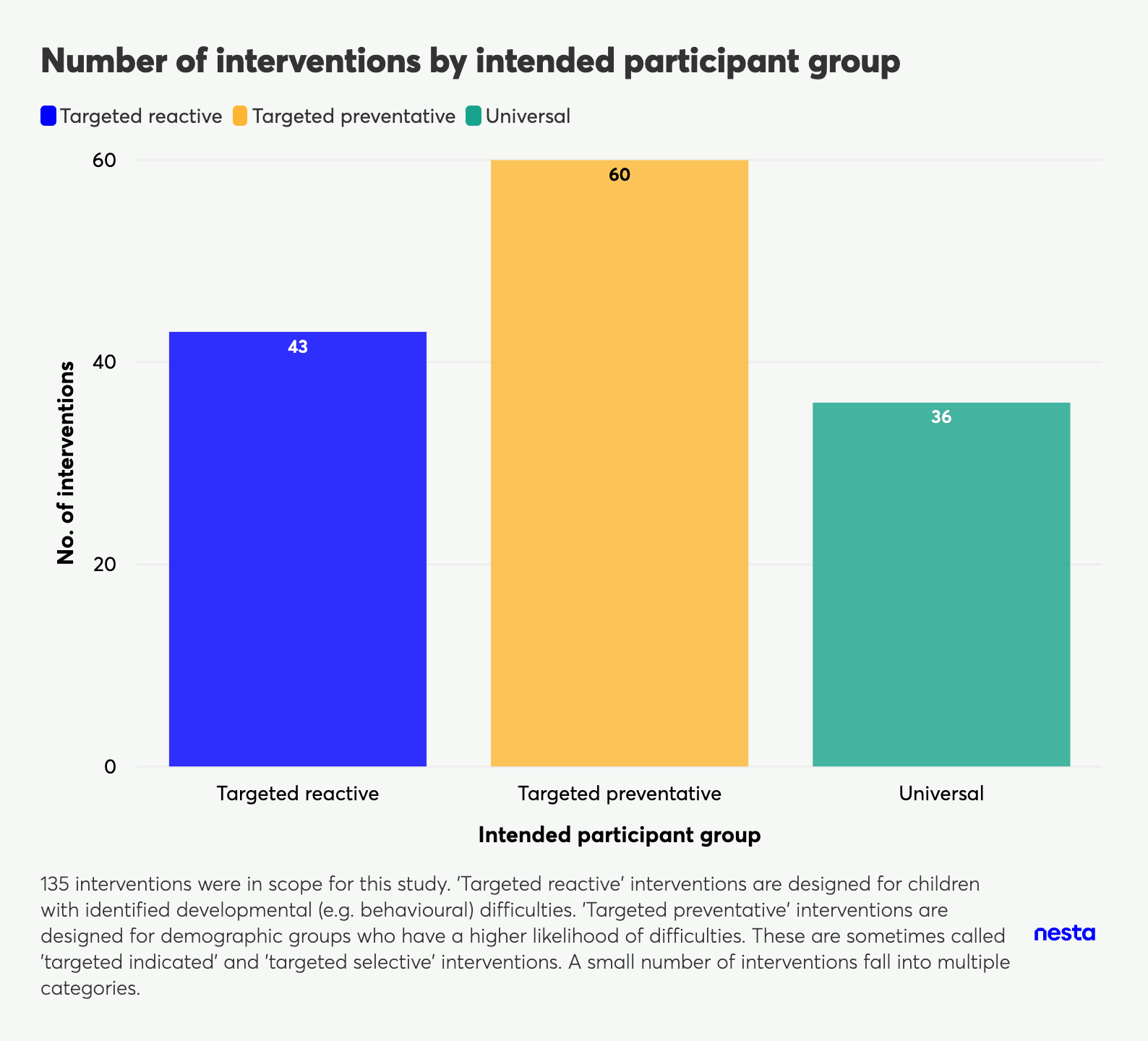
Figure 12. Number of interventions by intended participant group
When analysing the intersection of intended-participant group and domain of development, we find that targeted interventions are overwhelmingly more likely to directly target socioemotional development than cognitive development (Figure 13). On the other hand, universal interventions are much more likely than targeted interventions to target cognitive development. It would be instructive to explore further what drives this factor – for example, it could be that a greater number of parents are open to interventions supporting their child's cognitive development than their socioemotional development and, conversely, that interventions targeting socioemotional development are more palatable to parents who are more concerned about their child's behaviour. However, because of the aforementioned barriers to flows of information between the beneficiaries of interventions and their developers, it is also quite possible that the available set of interventions does not accurately reflect families' needs and preferences.
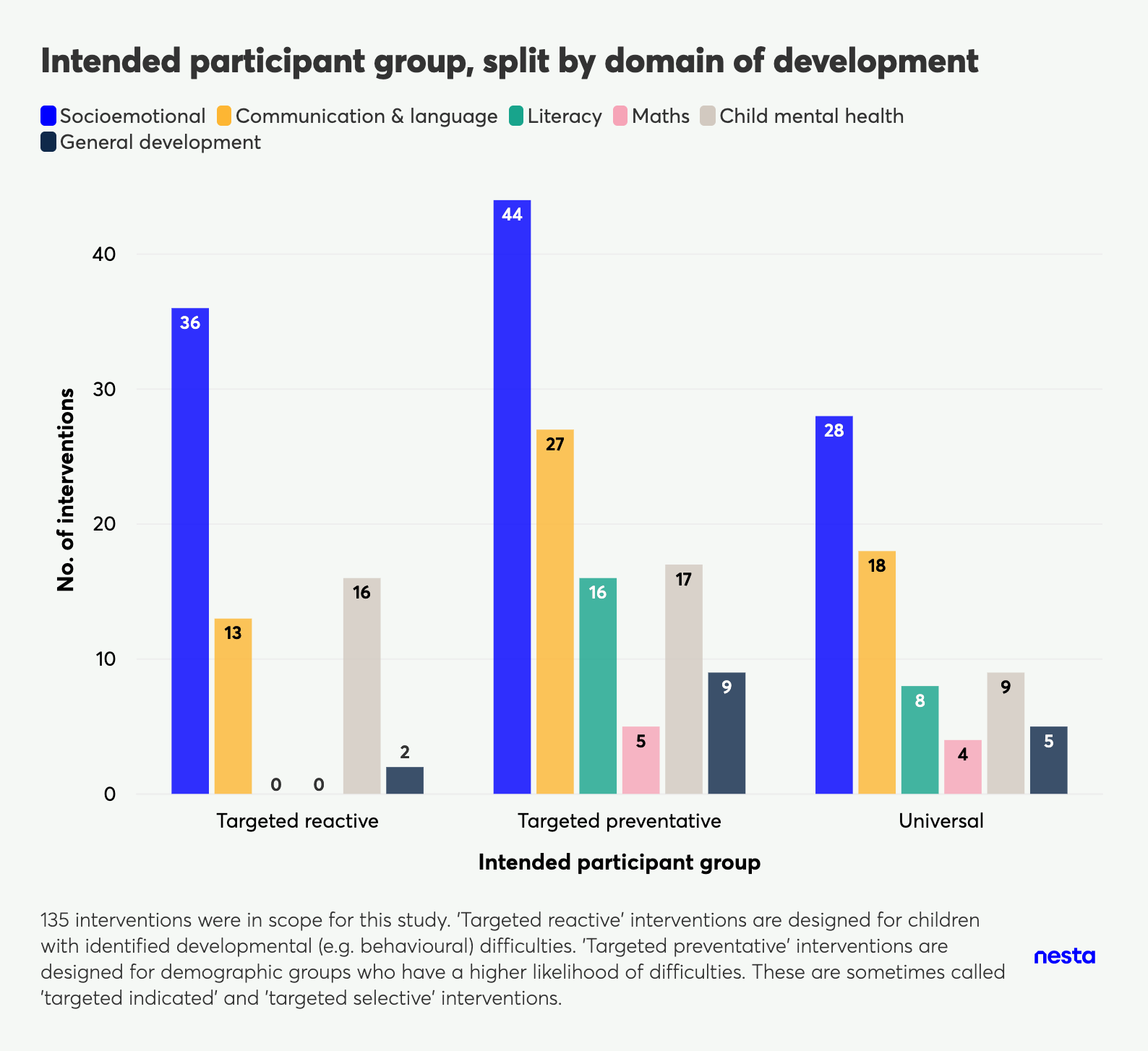
Figure 13. Intended participant group, split by domain of development
So far, these findings are only partially informative. For example, the fact that 'only' 24 interventions target literacy is not necessarily a cause for concern. What matters is twofold: first, that available interventions have a high likelihood of delivering genuine impact and, second, that they are sufficiently diverse as to cater to family needs within the population.
Due to the significant barriers to the creation of new evidence already detailed in this report, the second of these – the evidence base that underpins various types of
intervention – is most likely to be a limiting factor, so we focus on it in this part of the analysis. To this end, we use the Foundations Guidebook (within their Toolkit) as our primary measure of the maturity of the evidence base. This allows us to say how much is known about the evidence base for some categories of intervention, which we believe is a valuable approach because it allows us to say how much information is available to the central and local government institutions that are in charge of commissioning and delivering interventions.
Box 6. What it means for an intervention to be 'evidence-based'
Randomised controlled trials (RCTs)
Parenting interventions benefit from a relatively mature evidence base relative to other policy tools. A major reason for this is the extensive use of randomised controlled trials (RCTs) to evaluate them. RCTs are the most robust available method for evaluating the effectiveness of an intervention. They bring the method of clinical experiments to the domain of social sciences, allowing us to understand the causal impact of interventions and policies (such as parenting interventions) on key outcomes.
In the context of a parenting intervention, RCTs involve randomly assigning families to either receive the intervention (the ‘treatment’ group) or not receive it (the 'control' group). Since this method leads to the expectation that treatment and control groups are identical, we can say that any significant differences between the treatment and control groups must be caused by the intervention. The same cannot be said of other, non-experimental methods.
The importance of using robust evaluation methods such as RCTs should not be underestimated. For example, a meta-analysis of 2,746 pharmacological studies reached the striking finding that RCTs and non-experimental methods led to different conclusions in 37.6 per cent of cases for the same drug or intervention (Salcher-Konrad et al., 2024): namely, that the drug was effective rather than ineffective or harmful.
While RCTs offer the most robust form of evidence supporting an intervention's impact, they, as with almost any other form of evidence, need critical appraisal to be validated. Perhaps the most prominent source of critical appraisal is in the Foundations Guidebook. This was formerly known as the EIF Guidebook and has been relaunched as part of Foundations' new Toolkit.
Foundations have reviewed the evidence underpinning a large number of parenting interventions. They then rate each intervention on a scale of 2 to 4. Probably the most notable difference is between a rating of 2 and a rating of 3: a rating of below 3 indicates 'preliminary evidence', suggesting that there is evidence of a link between the programme and a positive child outcome, but the study was insufficiently robust to conclude that the link was causal.
We adopt Foundations' well-established definition of an evidence-based intervention: one that they have given an evidence rating of 3 or higher. It implies the intervention has been robustly evaluated using a methodologically sound RCT and, within that evaluation, there is evidence of a causal impact on at least one child outcome.
However, a limitation of this approach is that for interventions that are not included in the Guidebook, we generally cannot say whether they would meet the criteria to be classed as evidence-based (other than in cases where an intervention has not been evaluated using an RCT). To be able to make this distinction would require extending a Foundations-style critical appraisal to these remaining interventions. We will return to this point towards the end of the report, where we will discuss future work for both ourselves and the sector.
4) The evidence base is unevenly spread over types of intervention
The consistent theme that emerges from our review of the evidence base is that much less is known for certain categories of intervention. We highlight two particular dimensions here, the first of which is the domain of development. Interventions targeting socioemotional development have generally received much more attention from Foundations than interventions targeting cognitive outcomes: 28 interventions targeting socioemotional outcomes can be classed as evidence-based, whereas only 8 of those targeting communication and language can be classed in the same way (Figure 14). As we will show shortly, allowing for the diversity of implementation and approach that is needed in local contexts, the list of appropriate evidence-based interventions in some categories can become quite small.
Figure 14. Target domain of child development, split by maturity of evidence
Even sharper disparities in the evidence base can be observed across intended participant groups (Figure 15). There are fewer interventions intended for universal audiences than targeted audiences included in the Guidebook, meaning we identified only 5 that can be classed as evidence-based. That being said, around 16 others appear to have been evaluated using randomised controlled trials (RCTs). As we think universal parenting interventions could be a powerful lever in reaching a much larger number of families, both in their potential to destigmatise parenting support and because they can be a useful gateway to more targeted interventions, this represents a meaningful gap in our knowledge about their potential efficacy.
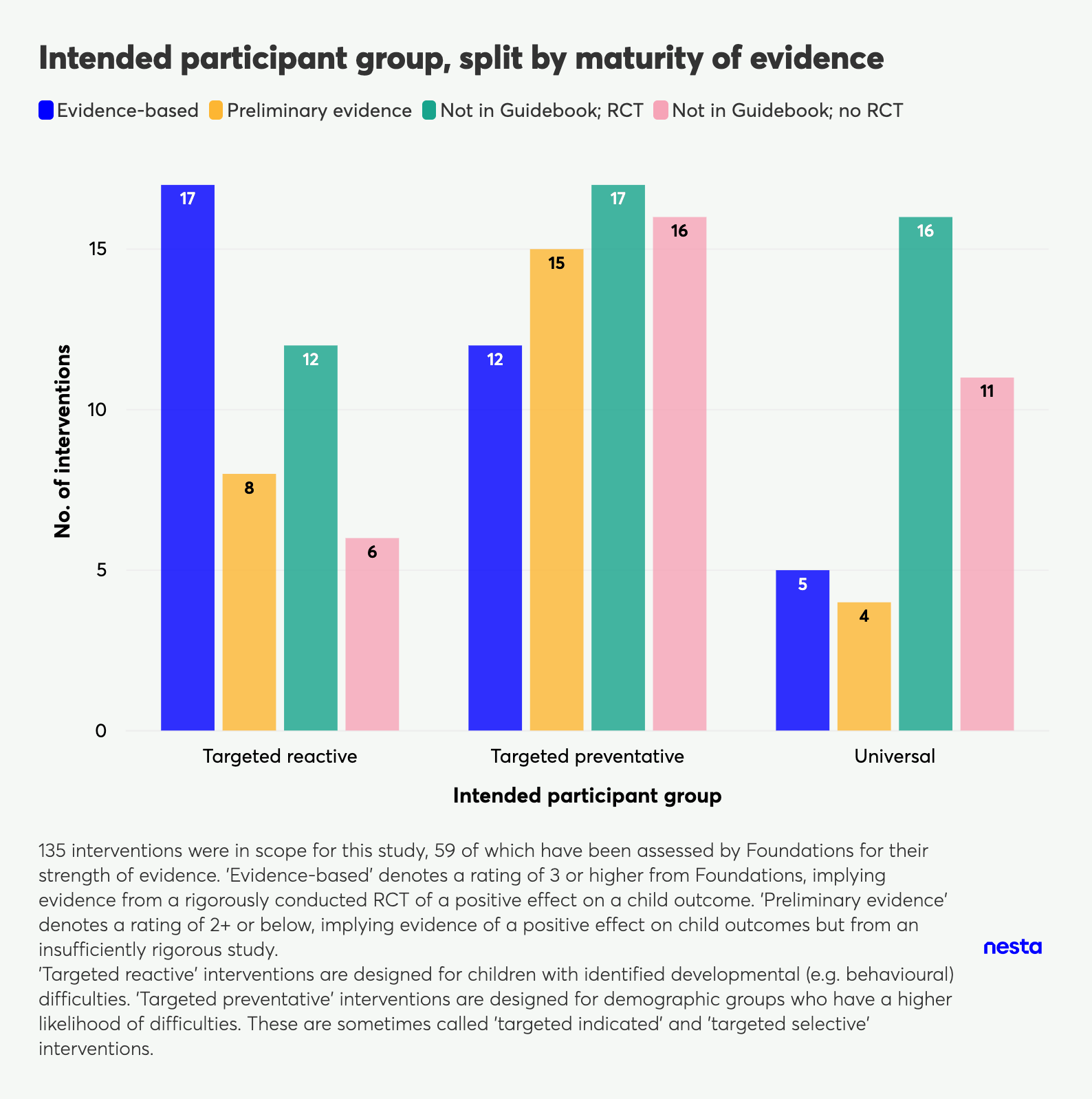
Figure 15. Intended participant group, split by maturity of evidence
Taken together, our analysis of the evidence base suggests that a first step would be to extend critical appraisal to a larger set of interventions. Overall, 44 interventions not included in the Guidebook appear to have been evaluated using an RCT, meaning they have the potential to be classed as evidence-based. While critical appraisal is not a straightforward task, it is a substantially smaller endeavour than developing new interventions or commissioning new evaluations of existing evaluations.
While the evidence base is one important part of assessing the fit of an intervention, another is its design. Here, we captured four aspects of particular interest in our rapid review. The first is whether the programme was developed in the UK or has been adapted for the UK context. The second is whether the programme has a fixed format, which gives an indication of its replicability across different contexts. The third is whether the programme can be tailored to specific needs, such as Special Educational Needs or very specific cultural contexts. We focus on these components of programme design not only because we think they are likely to be associated with the attractiveness of an intervention to those commissioning and delivering them, but also because they may have implications for the effectiveness of interventions when they are delivered.
62 interventions targeting socioemotional development have a fixed format, much higher than the 42 that have a flexible format (Figure 16). In contrast, interventions targeting early cognitive skills tend to be more evenly distributed across fixed and flexible delivery formats.
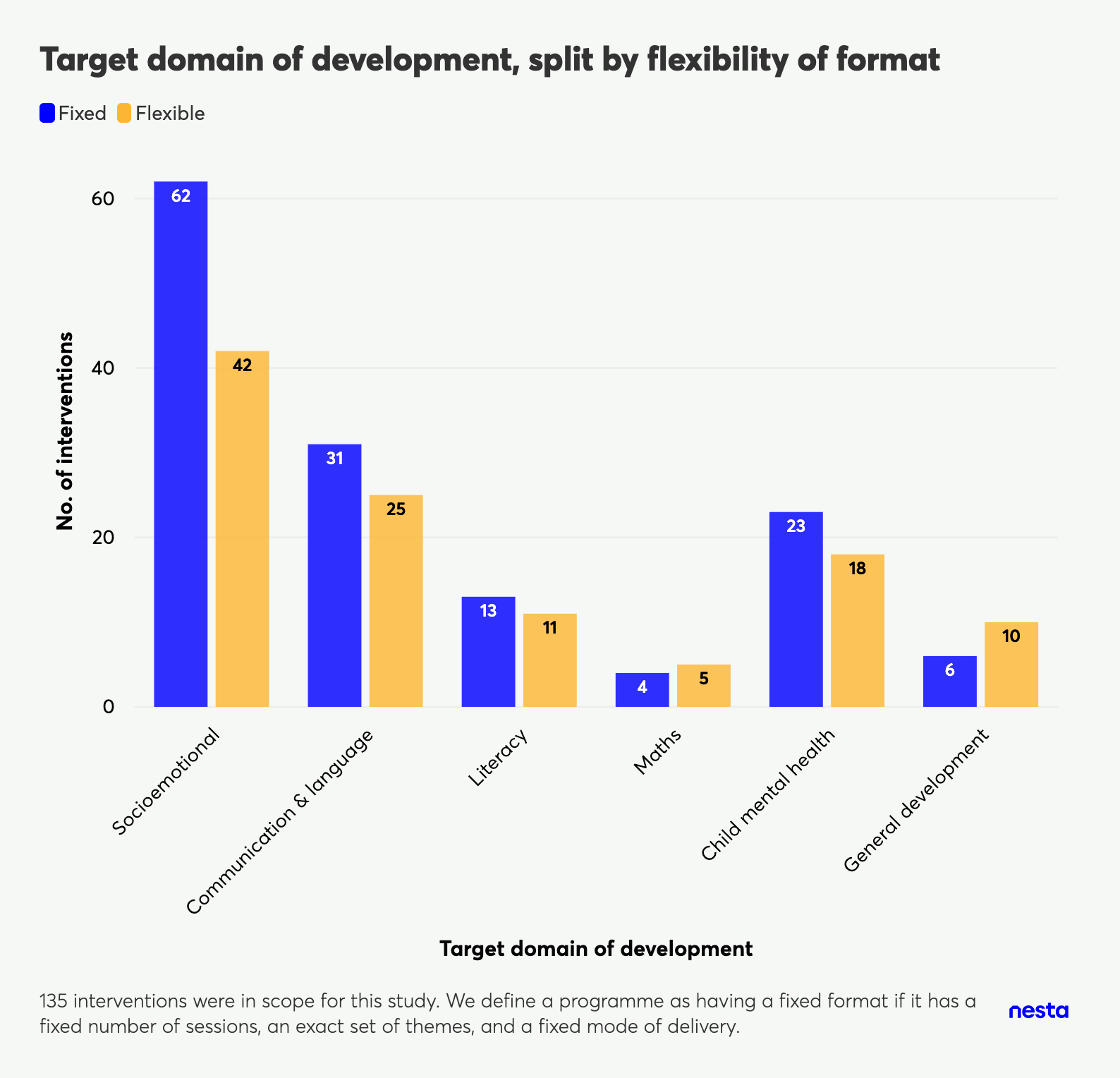
Figure 16. Target domain of development, split by flexibility of format
Also notable is that interventions classified as evidence-based by Foundations are also relatively likely to have a fixed format (Figure 17). Those with preliminary evidence are a little less likely to have a fixed format. Looking at interventions not included in the Guidebook, those that have not been evaluated using an RCT are more likely to have a flexible format than a fixed format. This is the only category of evidence for which this is true.
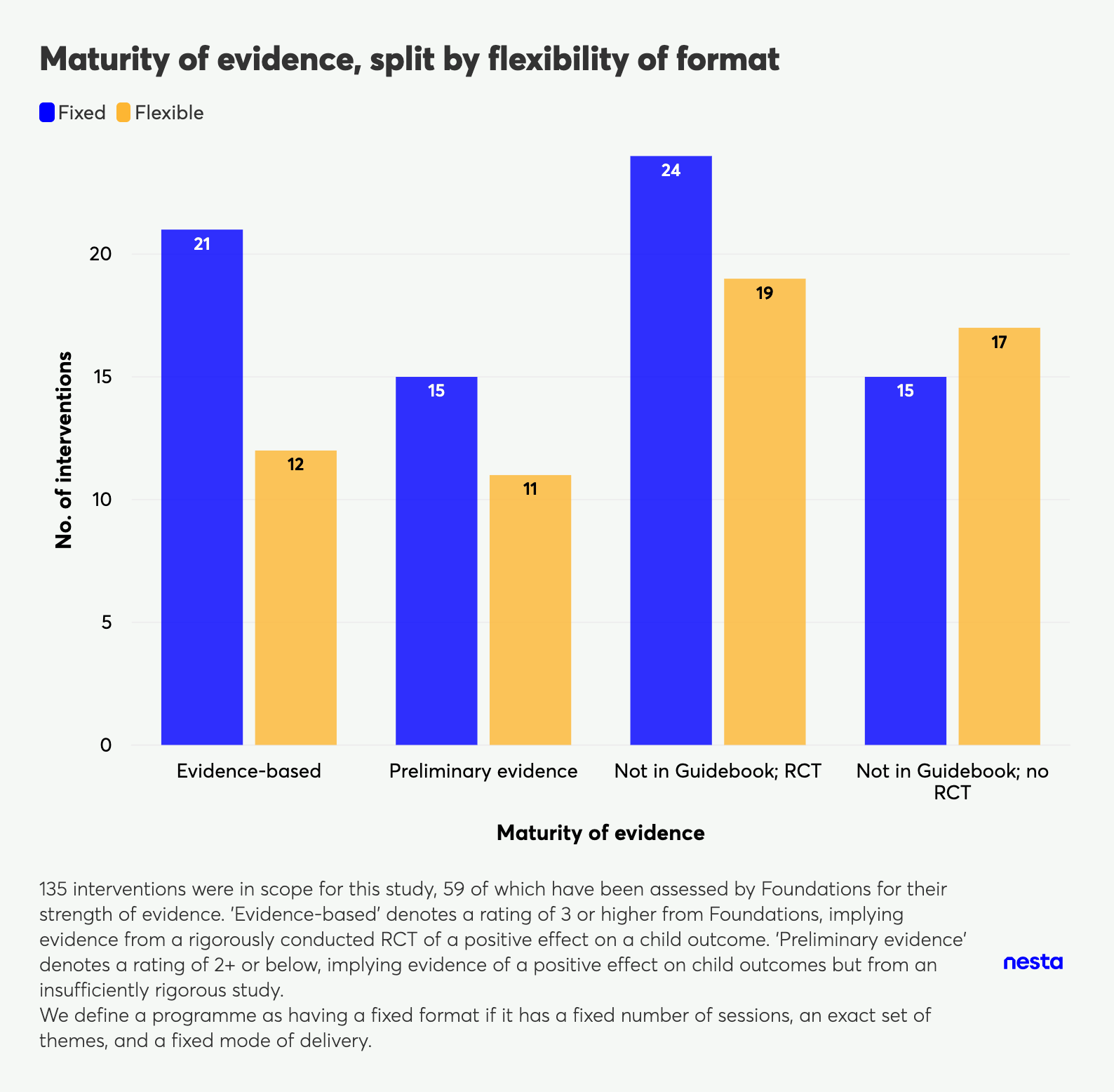
Figure 17. Maturity of evidence, split by flexibility of format
A more fixed delivery format has a few implications for an intervention. Probably the most unambiguous is that it makes the programme more replicable across contexts. This, in turn, means that it may be easier to assess the programme for fidelity monitoring whether the programme is being delivered appropriately – and, arguably, to evaluate it for effectiveness in an RCT. That may explain why fixed-format programmes are relatively abundant in the evidence-based category and flexible-format programmes are more likely to have not been evaluated using an RCT.
Flexibility (or a lack thereof) also has important implications for the way the intervention is delivered. A fixed programme is harder to adapt to the implementation constraints of a local context, such as the skills of facilitators and practical constraints on the duration of the programme. It is also harder to adapt to the needs of the local population.
However, a more prescriptive programme format also makes it easier for the programme to be delivered with higher consistency and fidelity, which may be valuable as many programmes are designed on the basis of extensive research and development. Although we know relatively little about the empirical reality of these tradeoffs, we explore in the next section how they seem to be related to the popularity of interventions in England and the UK.
4. What kinds of interventions are implemented in England and the UK more broadly?
What interventions are implemented by Family Hubs in England?
We analysed data from 75 local authorities, highlighting a range of parenting programmes that are currently delivered through Family Hubs. Since Family Hubs are the most prominent delivery mechanism for parenting support in England, and a channel over which the Department for Education has substantial oversight, this dataset serves as a valuable starting point for understanding the prevalence and popularity of particular interventions. Please note that this data was collected by the Department for Education in April 2024 and may not reflect any more recent changes in provision.
Since local commissioners have discretion to choose what interventions to offer, within the bounds defined by the Department for Education, this analysis also offers some clues on commissioners' perceptions of family needs, as well as which interventions are considered most deliverable.
Our most notable finding is that interventions classed as evidence-based by Foundations – implying causal evidence of a positive impact on child outcomes from a robust randomised controlled trial (RCT) – are relatively unlikely to be implemented by Family Hubs. Instead, those with 'preliminary evidence' – implying an association with a positive child outcome, but one we cannot say is causal – tend to dominate (Figure 18). As previously emphasised, because non-experimental and experimental (RCT-based) evaluations of interventions can frequently reach differing conclusions (Salcher-Konrad et al., 2024), and because many parenting interventions do not improve child-development outcomes (Jeong et al., 2021), this could mean that parenting interventions implemented at the widest scale in England are ineffective.
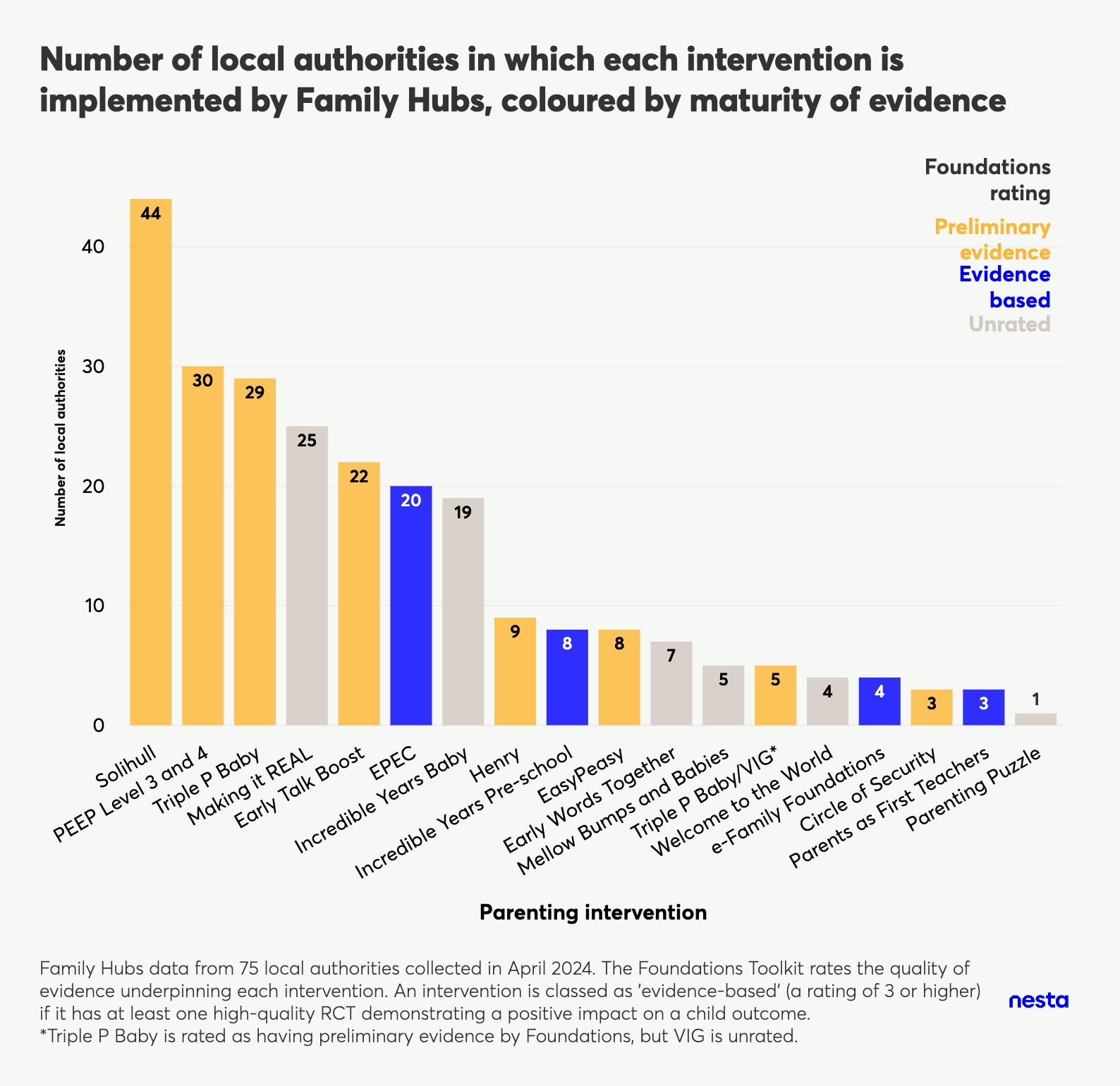
Figure 18. Number of local authorities in which each intervention is implemented by Family Hubs, coloured by maturity of evidence
Although they do not meet the threshold for being classed as evidence-based, the two most popular interventions across all Family Hubs, the Solihull Approach and PEEP, do offer the promise of being tailored to specific groups' needs. Additionally, while there are essentially an equal number of interventions that can be delivered on an individual and group basis, the overwhelming majority of interventions implemented by Family Hubs are delivered in a group format (Figure 19).
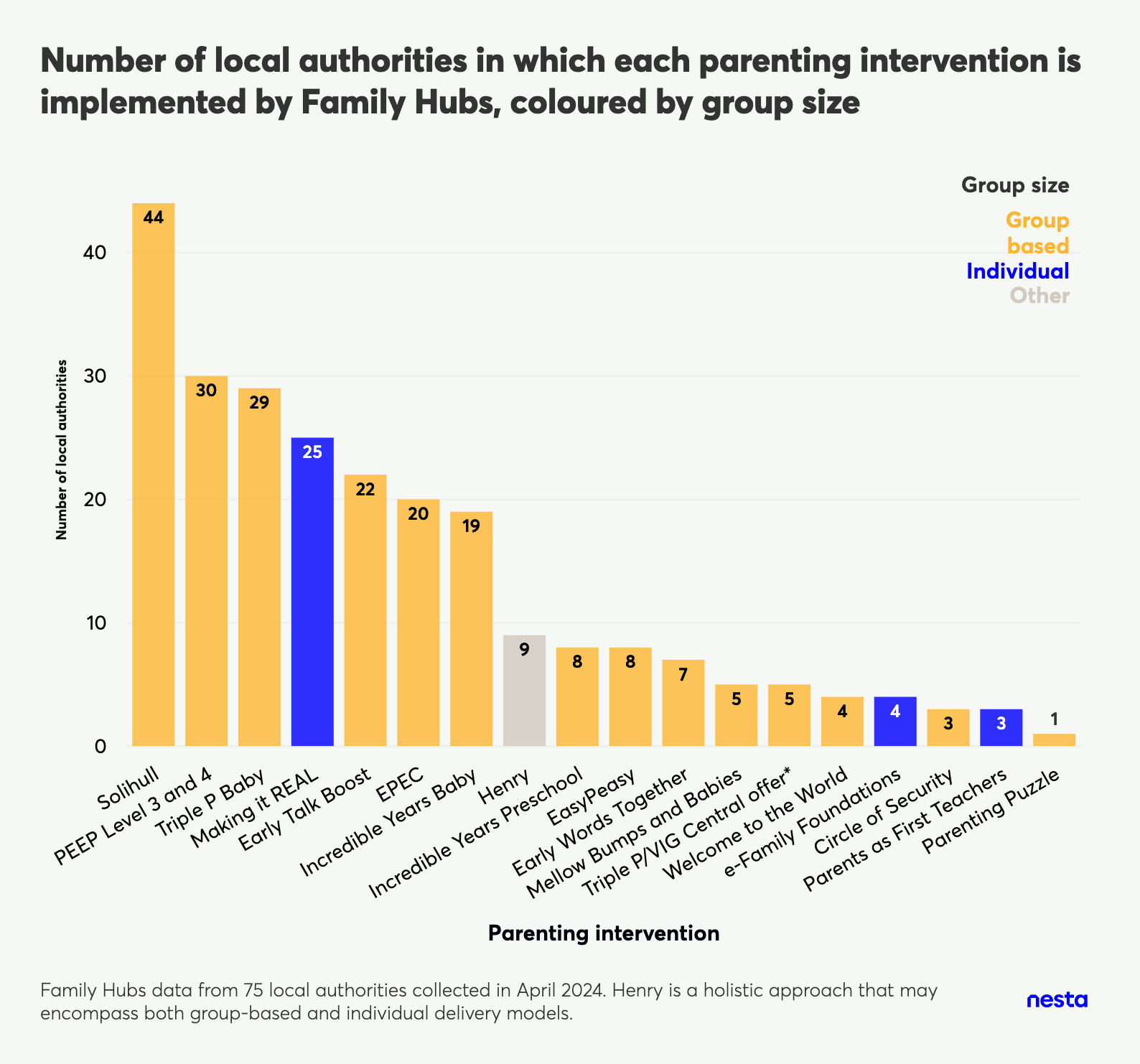
Figure 19. Number of local authorities in which each parenting intervention is implemented by Family Hubs, coloured by group size
Tentatively, these trends are suggestive of a preference among local commissioners for flexible interventions that can potentially be delivered more cost-effectively at scale, rather than those with strong evidence of impact. This finding is consistent with those from previous qualitative research with commissioners and intervention developers (Early Intervention Foundation, 2022; Nesta and BIT, 2024). Indeed, the Solihull Approach – the most widely implemented intervention by Family Hubs – satisfies both criteria but does not yet have robust evidence of impact (Box 6).
Box 6. The Solihull Approach – a case study
The Solihull Approach is the most commonly implemented parenting intervention by Family Hubs in the UK. Government data from April 2024 showed that this programme was being delivered by 44 Family Hubs.
From the Foundations Guidebook:
The Solihull Approach is a parenting intervention for any family with a child aged between 0 and 18 years old. It is delivered by two child and family practitioners to groups of up to 12 parents over 10 weekly sessions. During these sessions, parents learn strategies that foster a deeper understanding of their child's behaviour and improve their parenting practices.
While this intervention is manualised (i.e. it has a broadly fixed structure), it has a known capacity to be flexible to specific family needs. It also has the attraction of being deliverable to children of any age, and to a universal set of families.
The most robust evaluation of the Solihull Approach used a non-randomised 'comparison group' design in which parents were assigned to the treatment group if they signed up early enough for the programme (Douglas and Johnson, 2019). Those who signed up later were assigned to the control group. Although this evaluation found that the programme was associated with positive developmental outcomes, such as measures of socioemotional skills, it received a rating of 2 from Foundations.
There are two reasons that this intervention is not currently classed as evidence-based. Since assignment to the treatment group was non-random, the evaluation of the Solihull Approach cannot make the normal claim that the intervention was the only plausible cause of significant differences in outcomes between the control and treatment groups. For example, it could be the case that families who signed up to the programme later, and were therefore assigned to the control group, have different characteristics from those who signed up earlier.
In addition, the majority of control-group participants dropped out of the study before their outcomes could be measured, bringing a potentially even more serious challenge to the claim that the two groups are similar; it is highly plausible that participants with certain characteristics were more likely to drop out than others.
As there is a very high likelihood of properly designed RCTs and non-experimental methods reaching totally different conclusions about the efficacy of an intervention (Salcher-Konrad et al. 2024), and because many parenting interventions are unsuccessful in promoting child development (Jeong et al., 2021), we cannot be as sure about the impact of the Solihull approach as for other interventions with more robust evidence. It is for these reasons that the Solihull Approach is currently rated at level 2 in the Foundations Guidebook, which indicates 'preliminary evidence of improving a child outcome from a quantitative impact study, but there is not yet evidence of causal impact'.
What types of interventions appear to have been the most popular in the UK more broadly?
As a supplement to the above data on what interventions are being implemented by Family Hubs in England, we also attempted to collect information on how widely each intervention has been implemented in the UK through any delivery mechanism. Before proceeding to our results in this section, we want to clearly note the limitation that this information has been collected from inconsistent and rudimentary sources, such as references to the programme on local services websites, which may or may not be fully up to date. We attempted to find what we could - ideally, but not always, from intervention developers themselves – but there is no single source of information on how widely interventions have been implemented in the UK.
As such, our results in this subsection should be taken in the spirit that they likely contain some measurement error. Still, we think they provide some interesting insights about broad trends in the popularity of different types of intervention.
1. Evidence-based interventions seem to be implemented at an equal scale to those without any apparent evidence of impact
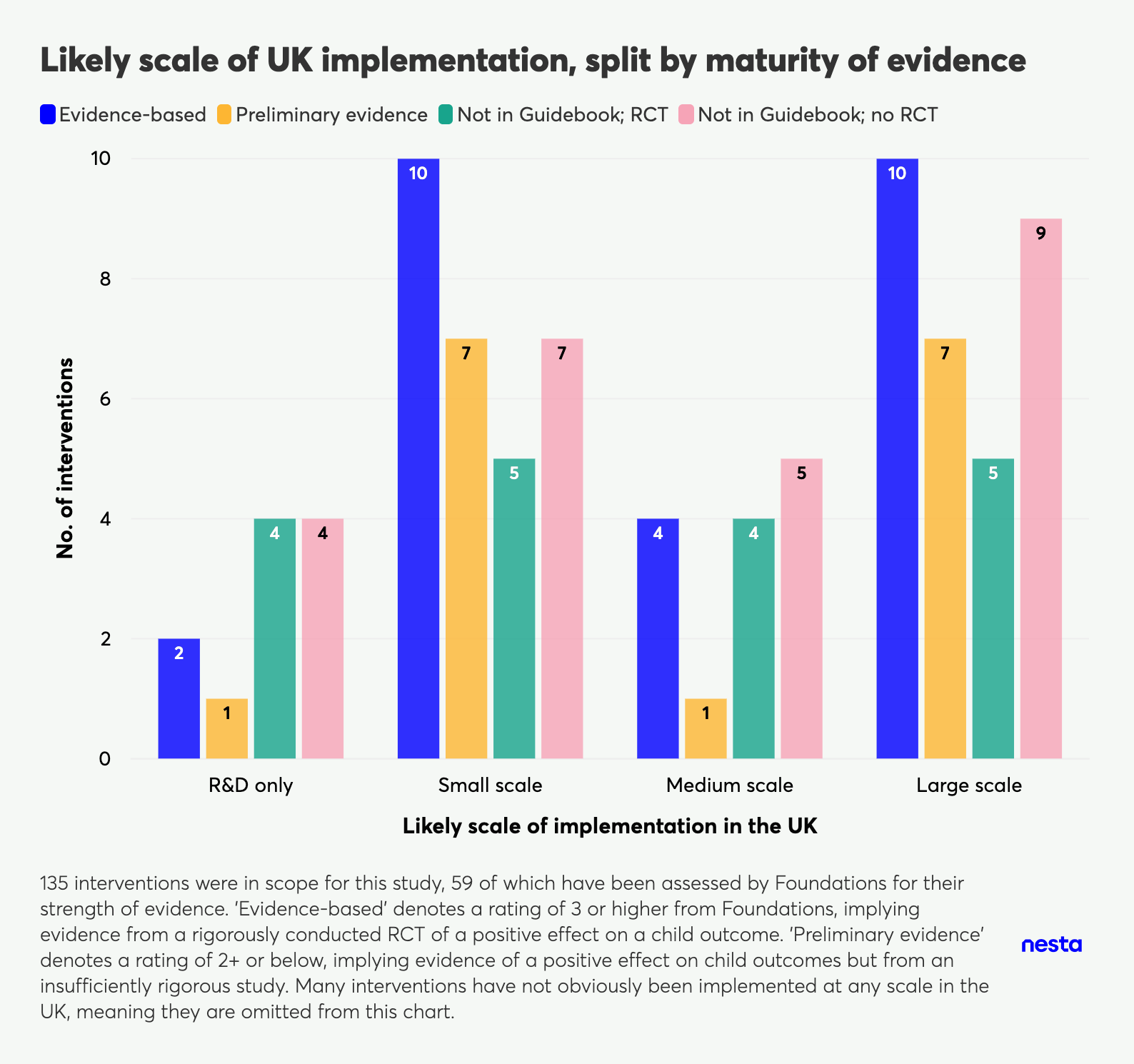
Figure 20. Likely scale of UK implementation, split by maturity of evidence
While evidence-based interventions are well represented at all levels of scaling in the UK, it is particularly notable that interventions that have apparently not been evaluated using an RCT are equally likely to have been implemented at both large and medium scale (Figure 20). This is highly consistent with the breakages in the flows of information we highlighted earlier in the report: because the evidence base is relatively complex, and because it takes time, effort and money to evaluate new interventions, commissioners of interventions may be more inclined to implement new interventions with promise even if they do not have strong evidence of impact. Although these interventions may have attractive features in the local context, such as flexible, group-based delivery models, this is likely to be a risky strategy because many interventions do not demonstrate evidence of impact once tested: for example, more than half of the parenting interventions included in Jeong et al. (2021)'s meta-analysis did not have a detectable impact on children's socioemotional development.
2. Implementation at scale appears to be spread across target domains of development, in spite of the uneven availability of interventions
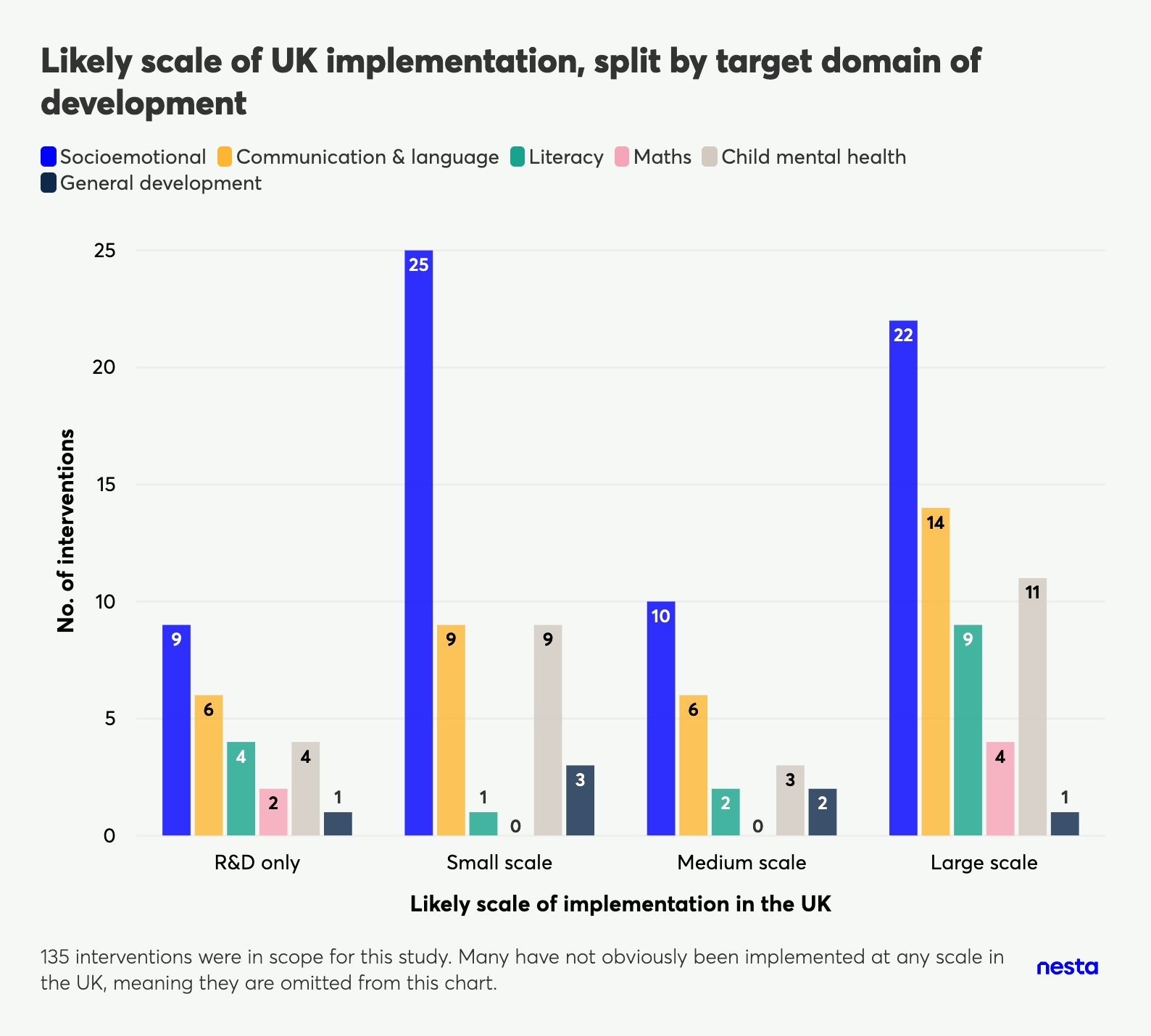
Figure 21. Likely scale of UK implementation, split by target domain of development
Even though interventions that directly target cognitive developmental domains such as maths and literacy are sparser, a given intervention in either of these categories seems to have a much higher likelihood of being implemented at a large scale in the UK (Figure 21). However, we also know much less about the quality of evidence underpinning these interventions, as previously noted. It is therefore unclear whether the relatively poor supply of these interventions is reflective of a market failure, in that the development of new interventions is not responsive enough to family needs, or if it is simply because they are less effective in improving early developmental outcomes.
3. Interventions that can be tailored to specific needs seem to be very popular
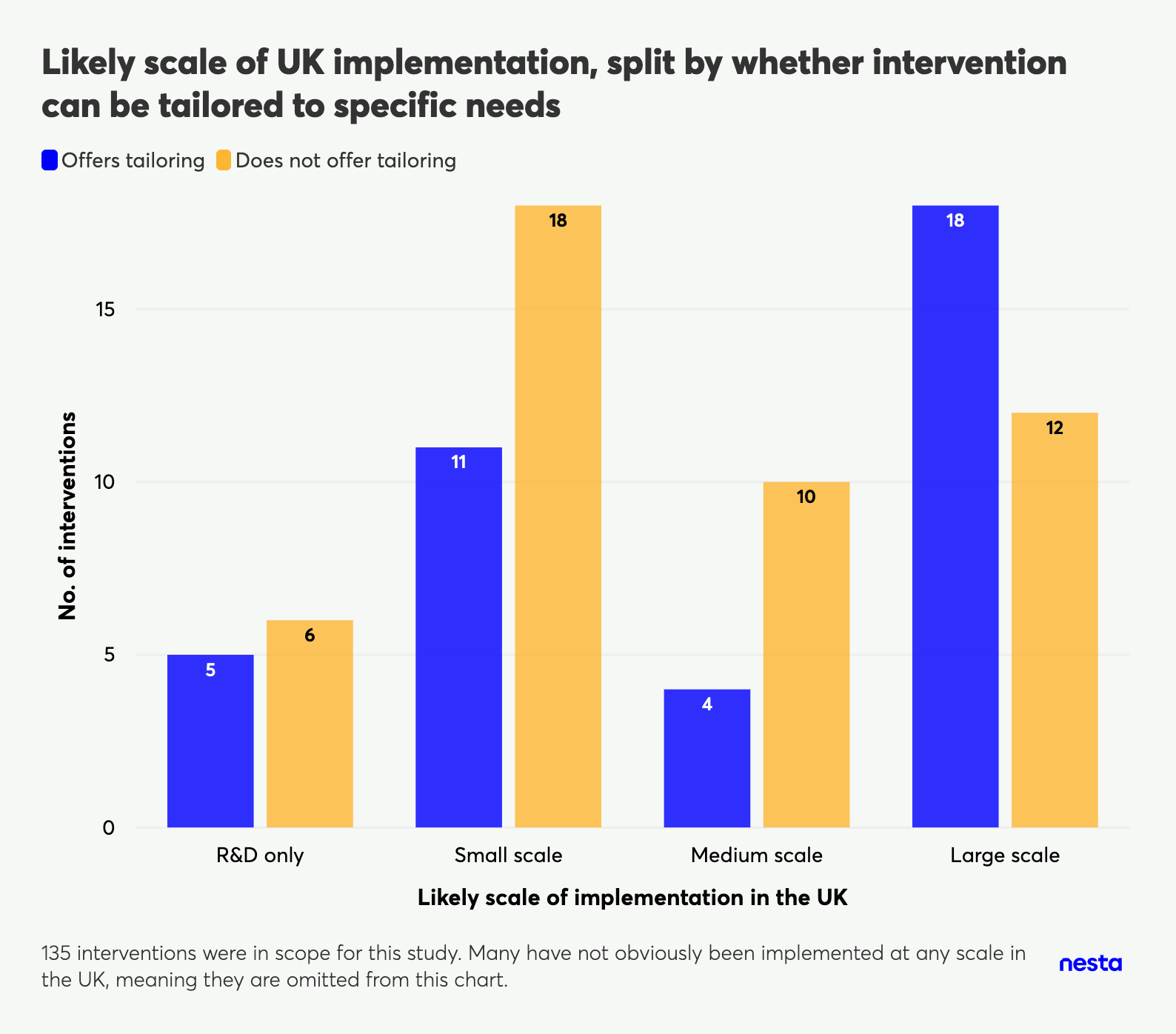
Figure 22. Likely scale of UK implementation, split by whether intervention can be tailored to specific needs
It is less common overall for parenting interventions to offer the option of being tailored to specific needs: 38 interventions that have been implemented or tested in the UK offer this form of tailoring, whereas 46 do not (Figure 22). However, those offering tailoring are starkly over-represented in the set offered at a large scale in the UK: 18 interventions offering tailoring appear to have been implemented widely, whereas only 12 interventions not offering tailoring have been implemented. This strongly corroborates anecdotal evidence from our previous work that local commissioners tend to prefer interventions they see as having the potential to serve the particular needs of the local population they serve (Nesta and BIT, 2024).
Section summary
Overall, across data from Family Hubs and a patchwork of information on implementation in the UK more broadly, two main findings emerge. The first is that there does not seem to be an obvious slant towards implementing parenting programmes with strong evidence of impact. This is more than a merely technical issue: implementing a programme without robust evidence is likely to mean a high probability that there will actually be no successful impact on child outcomes (Jeong et al., 2021).
The second finding is that other features of interventions seem to be somewhat more strongly associated with their popularity. For example, commissioners of interventions seem to prioritise interventions with a more scalable delivery model, such as in groups rather than at the individual level, and those that can meet a diverse spectrum of needs: interventions catering to diverse target domains of development, and those that can be tailored to meet specific needs.
This apparent mismatch between the set of interventions that are known to work well and the set that are implemented is likely to stem from failures in the market for parenting support. The supply of information on new interventions is stifled by the heavy costs of evaluation and the high levels of expertise and resources required to sift through that information once it is created. This may mean that commissioners make suboptimal choices among the set of interventions, constrained by incomplete information on those that are available, or that they are simply forced to choose interventions that are implementable but do not have evidence of impact.
In the next section, we prescribe some possible remedies through the lens of an optimally functioning market for parenting support.
5. Recommendations to improve the market for parenting support
This report takes a step towards making the market for parenting support more transparent. However, it also signals that further investment in data, evaluation, research and scaling could lead to a much more effective provision of parenting programmes to those families who could most strongly benefit from them.
To show how, we return to our description of breakages in feedback loops in the market for parenting interventions, but this time illustrating how incomplete or missing flows of information could be filled in by a programme of work involving key agents in the market (Figure 23).
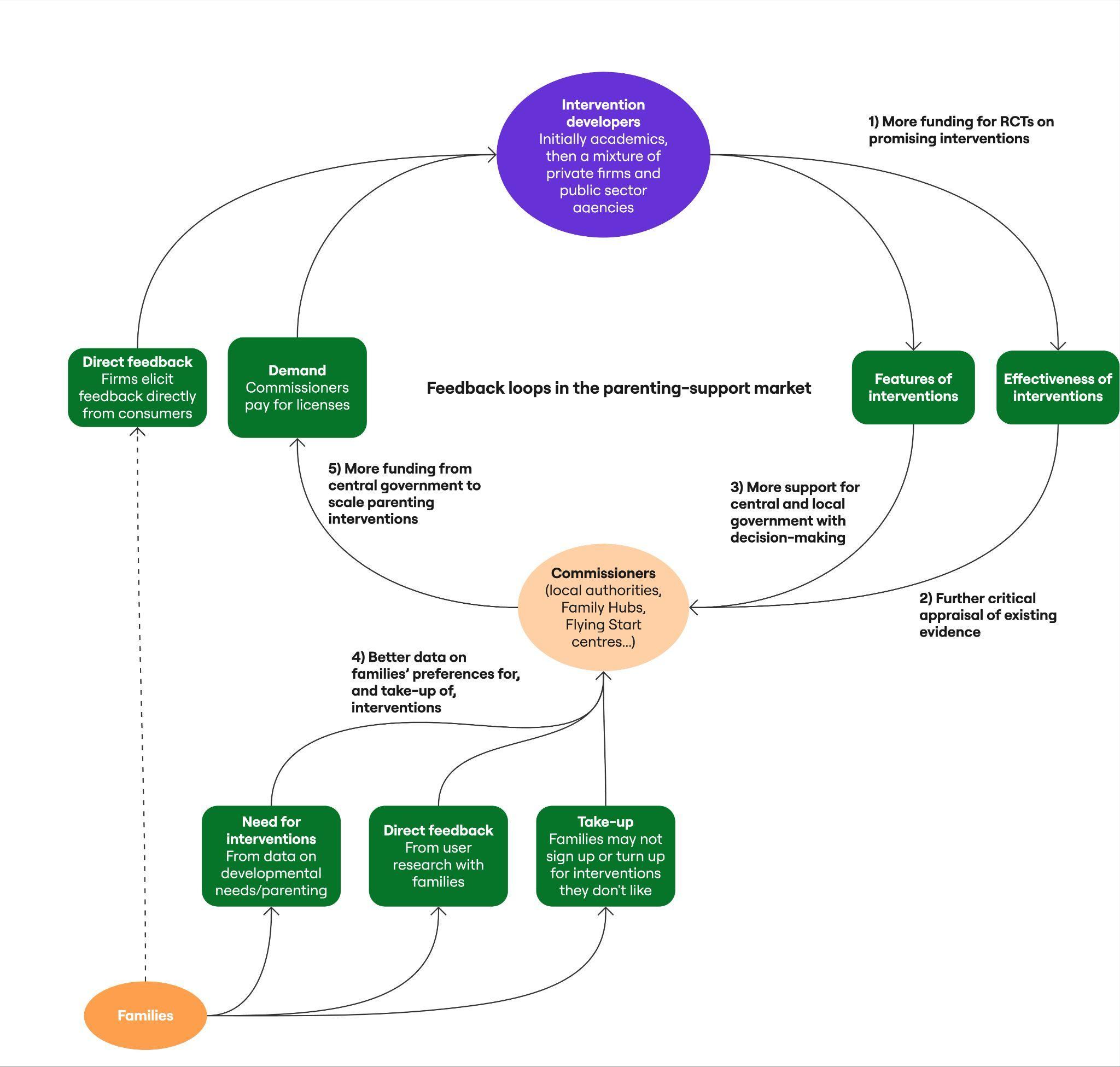
Figure 23. Possible resolutions of feedback-loop breakages in the market for parenting-support market
1) More funding for randomised controlled trials (RCTs) on promising interventions
Many potentially promising interventions, such as those designed with minoritised groups or universal audiences in mind, have not yet been evaluated. We also do not have a robust understanding of how the effectiveness of interventions differs across groups of the population or in different local contexts.
A lack of funding for RCTs is a critical barrier to entry for new interventions, simultaneously stifling innovation and leading to the proliferation of interventions without proven evidence of effectiveness (Nesta and BIT, 2024). Meanwhile, some interventions with strong evidence are decades old, potentially needing updates for cultural relevance and sensitivity. Additionally, we still know relatively little about the differential impact of interventions on subsets of the population. Generating this evidence would require evaluations to be run at a substantially larger scale than is typical, increasing the associated cost.
Developing, testing and evaluating a new parenting programme can take over a decade, currently requiring repeated cycles of funding. To ensure these interventions effectively improve parenting behaviours and child-development outcomes, sustained, long-term and ringfenced investment is essential at every stage of this development journey. Strategic funding should support not only programme design, but also the necessary infrastructure, relationship building, training and supervision – all of which play a critical role in enabling successful RCTs and sustained implementation and scaling (Nesta and BIT, 2024; Early Intervention Foundation, 2022; Nesta, 2024).
Our best estimate is that an additional £15 million of funding for the evaluation of promising interventions would help to carve a path towards the scaled implementation of appropriate, evidence-based interventions that meet potential gaps in the market, such as for tailored or universal interventions and potentially those focusing on some aspects of cognitive development.
2) Further critical appraisal of existing evidence
We do not have an expert assessment (for example, from Foundations) of the evidence base for 79 of 135 – well over 50 per cent – of the interventions we examined. Of these, 44 seem to have been evaluated using RCTs, suggesting some may have the potential to be classed as evidence-based if they were to be critically appraised using a similar methodology as in the Foundations Toolkit.
As previously noted, these gaps are uneven across types of intervention: information on the effectiveness of interventions targeting cognitive development and those for universal audiences is much sparser, even though many interventions appear to have been evaluated.
More comprehensive critical appraisal of the existing evidence is a vital next step in understanding what solutions are required: further evaluation of interventions with incomplete evidence, better scaling of existing interventions with good evidence of impact, or the development of new interventions to fill gaps in the market.
3) More support for central and local government in their decision-making
Decision-makers in central and local government settings are likely to require support in navigating the complex world of parenting interventions. This includes navigating the nuances of the evidence base and the set of interventions, as well as how to map these interventions to the needs of families at the local and national levels.
While our analysis makes some progress towards demystifying the market, we think more can be done in this regard. For example, A Fairer Start is working on tools to assist these decision-makers to understand what interventions are most likely to serve their objectives, such as the model and associated app used in this report to analyse the impact of interventions on the Good Level of Development measure. Another critical role is being played by clearing houses such as Foundations and the Education Endowment Foundation, as well as some local authorities that are spearheading efforts to collect better data, for example, in the Changemakers Programme.
4) Better data on families' preferences for, and take-up of, interventions
There is currently no large-scale source of data on parents' preferences for, and take-up of, interventions. We also know that these data are only sparingly collected at the local level, leaving local decision-makers to make commissioning decisions on the basis of highly incomplete information.
While some progress has been made in this area using qualitative methods by various organisations, including Foundations, these methods do not have the capacity to deliver the kind of generalisable and precise insights that are needed to know the extent to which parenting interventions should be scaled, and what types of intervention should be scaled. For example, we know relatively little about what kinds of interventions might be palatable to the many parents not currently reached by local institutions such as Family Hubs – for instance, those without existing concerns about their child's behaviour.
In the context of this report, a lack of information on families' preferences means we cannot make complete statements about what the optimal set of interventions should look like. We do not know what the scope of universal parenting interventions should be, or what mix should be offered across features such as online and in-person delivery formats, domains of development, and so on.
A collection of data on parents' preferences and engagement with parenting interventions, ideally using large samples and quantitative methods, would help us to make significant progress. Some interventions, such as Video Interaction Guidance, have successfully innovated in this respect: they offer integrated pre/post measures, real-time reporting and automated alerts for low engagement (Nesta and BIT, 2024). However, in the absence of this infrastructure, other methods, such as large-scale surveys of families, are relatively straightforward for researchers to implement and could deliver rich insights.
5) More funding from the central government to scale well-evidenced and suitable parenting interventions
As emphasised earlier in the report, parenting interventions command a unique position in the set of policy tools available for the early years: many have strong, robust evidence of impact and can be delivered relatively quickly and at low cost.
However, current levels of funding do not come close to accommodating the rollout of interventions to all families who could benefit from them. By combining estimates of government funding with rough estimates of unit costs, our best estimate is that somewhere in the region of 10,000 to 60,000 families are reached in England each year with the current level of funding. Even maintaining the current ethos of focusing on the delivery of interventions to families with existing concerns about the behaviour of their children, our estimate is that up to 20 per cent of children aged 0–5 could stand to benefit from targeted parenting support. Within each age cohort, this means at least 120,000 children in England could benefit from targeted parenting interventions – many more than can currently be reached.
Our recommendation is that the governments of England, Scotland and Wales invest in a centrally-driven agenda to scale up the delivery of a small number of the most effective parenting programmes. This should involve two main components, each of which would ideally follow steps to fill in the gaps in the flows of information outlined above.
The first is to provide stronger guidance on the set of evidence-based programmes that meet the needs of local populations, ideally taking better account of data on local needs and analysis of what kinds of programmes are most likely to appeal to families. The second is to invest substantial resources in scaling these programmes. Funding would need to cover the costs of the programmes themselves, alongside measures to support parent engagement with those programmes. However, it is also critical that interventions are implemented at scale with mechanisms to support their effectiveness and avoid 'voltage drops'. Learning from previous successful scale-up programmes, the most robust national implementation of evidence-based parenting support programmes would include:
- Funding for a central implementation team to oversee national implementation, including dedicated time from the intervention developer to support problem-solving
- Dedicated time from an implementation manager based in each area to oversee local implementation
- Funding to ringfence protected time from local practitioners, so they have adequate capacity to support outreach and engagement with parents, as well as core programme delivery
- Funding for training, ongoing supervision and other appropriate mechanisms for monitoring fidelity so that programmes are delivered as intended
- Robust data collection about caregivers' take-up of parenting programmes, their perceptions of whether their needs were met and their children's outcomes
Our estimate is that the current level of funding is far from sufficient to support this level of implementation. Given our assessment that parenting interventions can be among the most powerful and cost-efficient tools to support child development, this presents a serious threat to the Government's ability to reliably deliver on its mission to 'Break Down Barriers to Opportunity': if interventions reached around 20 per cent of families with the highest level of need, and implemented under a highly effective scaling strategy, they would make about 15 per cent of the progress required to meet the Opportunity Mission target.
Next steps
Following the publication of this report, the A Fairer Start team at Nesta will consult with a range of key stakeholders from the parenting-support sector (including central governments, local authority commissioners and other service providers, developers of parenting programmes, research and innovation funders, and What Works Centres) to co-develop an ambitious research and innovation agenda that will strengthen the market of parenting support in the UK.
We would like to work with stakeholders to identify shared priorities for (i) improving the supply of effective programme models, (ii) filling gaps in the evidence base about 'what works, for whom, in what circumstances', (iii) improving the availability of comprehensive information about early-years parenting programmes, and (iv) scaling up the most effective and suitable programmes to meet UK families' needs.
Following this consultation, we will convene a range of collaborators to develop and fund an ambitious programme of research and innovation geared towards addressing problems in the current market of parenting support, and substantially increasing parents' and caregivers' access to effective parenting interventions in the UK.
References
Action for Children (2022). Parenting services under pressure: Unequal access to early years support in England
Cattan, S., Fitzsimons, E., Goodman, A., Phiminster, A., Ploubidis, G. B., and Wertz, J. (2024). Early child inequalities. Oxford Open Economics, 3 (Supplement_1), i771-1740.
Department for Education (2014). CANparent Trial Evaluation Final Report.
Douglas, H., and Johnson, R. (2019). The Solihull Approach 10-week programme: a randomised controlled trial. Community Practitioner, 92(7), 45–47.
Early Intervention Foundation (2022). Leading and delivering early childhood services: 10 insights from 20 places across England and Wales.
Foundations (2025). Parenting through adversity: Parents of babies & children 0 to 10
Heckman, J. J. (2006). Skill formation and the economics of investing in disadvantaged children. Science, 312 (5782), 1900–1902.
Jeong, J., Franchett, E. E., Ramos de Oliveira, C. V., Rehmani, K., and Yousafzai, A. K. (2021). Parenting interventions to promote early child development in the first three years of life: A global systematic review and meta-analysis. PLOS Medicine, 18(5), e1003602.
Nesta (2023). Mapping early years practice in England: results from our pilot
Nesta (2024). What will it take to scale effective parenting interventions in the UK?
Nesta and BIT (2024). Enablers for effectively scaling parenting interventions.
Robling, M., et al. (2014). Evaluating the Family Nurse Partnership programme in England: The Building Blocks randomised controlled trial.
Salcher-Konrad, M., Nguyen, M., Savović, J., Higgins, J. P., and Naci, H. (2024). Treatment effects in randomized and nonrandomized studies of pharmacological interventions: a meta-analysis. JAMA network open, 7(9), e2436230-e2436230.
Scott, S., Briskman, J., and O'Connor, T. G. (2014). Early prevention of antisocial personality: long-term follow-up of two randomized controlled trials comparing indicated and selective approaches. The American Journal of Psychiatry, 171(6), 649–657.
UNICEF and NSPCC (2024). Opening Doors: Access to early childhood services for families impacted by poverty in the UK.
Yap, M. B., Morgan, A. J., Cairns, K., Jorm, A. F., Hetrick, S. E., and Merry, S. (2016). Parents in prevention: a meta-analysis of randomized controlled trials of parenting interventions to prevent internalizing problems in children from birth to age 18. Clinical Psychology Review, 50, 138–158.
York Consulting (2010). Turning around the lives of families with multiple problems – an evaluation of the Family and Young Carer Pathfinders Programme.
Appendix
Parenting support interventions included in our analysis
| No. |
Interventions included in our analysis (listed alphabetically) |
| 1 |
1-2-3 Magic |
| 2 |
5 Pillars of Parenting |
| 3 |
Attachment and Biobehavioral Catch-up |
| 4 |
Auditory Verbal Therapy |
| 5 |
Baby Steps |
| 6 |
BEM Program (Play Teaches Change) |
| 7 |
Changing Lives Initiative |
| 8 |
Chat2Learn |
| 9 |
Chicago Parent Program |
| 10 |
Child First |
| 11 |
Child-Parent Psychotherapy |
| 12 |
Circle of Security (Group) |
| 13 |
Circle of Security (Parenting) |
| 14 |
Community Outreach through Parent Empowerment (COPE) |
| 15 |
COPEing with toddler behavior |
| 16 |
Dare to be You |
| 17 |
Dialogic Book Sharing |
| 18 |
e-Family Foundations |
| 19 |
Early Head Start |
| 20 |
Early Pathways |
| 21 |
Early Talk 0-5: Working with Parents |
| 22 |
EasyPeasy |
| 23 |
Empowering Parents, Empowering Communities (EPEC) |
| 24 |
Enhancing Parenting Skills Programme |
| 25 |
Families Connect |
| 26 |
Family Check-Ups (FCU) |
| 27 |
Family Foundations |
| 28 |
Family Links (Now called Centre for Emotional Health), Parenting Puzzle |
| 29 |
Family Nurse Partnership (FNP) |
| 30 |
Family Partnership Model |
| 31 |
Family Spirit intervention |
| 32 |
Family Talk (FT) |
| 33 |
Fathering in Recovery (FIR) |
| 34 |
First Steps Program |
| 35 |
For Baby's Sake |
| 36 |
GenerationPTMO Group |
| 37 |
Getting Ready |
| 38 |
Going Mellow |
| 39 |
Hanen Centre's More Than Words |
| 40 |
Happy Talk |
| 41 |
Healthy Start, Happy Start |
| 42 |
Hitkashrut |
| 43 |
Home Instruction for Parents of Preschool Youngsters |
| 44 |
Home Visiting by paraprofessionals and nurses |
| 45 |
HUGS |
| 46 |
I-INTERACT |
| 47 |
Incredible Years – Attentive Parenting Programme |
| 48 |
Incredible Years Baby Parenting Program |
| 49 |
Incredible Years Preschool |
| 50 |
Incredible Years Preschool BASIC + ADVANCE Parent Training Curriculum |
| 51 |
Incredible Years Toddler |
| 52 |
Incredible Years Well-Baby Program |
| 53 |
Infant Mental Health Home Visiting (Michigan Model) |
| 54 |
Infant-Parent Psychotherapy (IPP) |
| 55 |
Internet adaption of PALS program |
| 56 |
Invest In Play Parent Programme |
| 57 |
Let's Play in Tandem |
| 58 |
Let's Talk about Children |
| 59 |
Literacy Trust: Early Words Together |
| 60 |
Literacy Trust: Early Words Together at Two |
| 61 |
Literacy Trust: First Words Together |
| 62 |
Making it REAL |
| 63 |
Mellow Ability |
| 64 |
Mellow Bumps and Dads-to-Be |
| 65 |
Mellow Futures |
| 66 |
Mellow Growing Together |
| 67 |
Mellow Toddlers (now called Going Mellow) |
| 68 |
Minding the Baby |
| 69 |
My Baby's First Teacher |
| 70 |
New Beginnings Programme for Divorced and Separating Families |
| 71 |
Nobody Slips Through the Net |
| 72 |
Nurture and Play |
| 73 |
PALME: a preventive parental training program for single mothers with preschool-aged children |
| 74 |
Parent Aide |
| 75 |
Parent coaching |
| 76 |
Parent Management Training (PMT) |
| 77 |
Parent-Child Interaction Therapy (PCIT) |
| 78 |
Parent-Infant Psychotherapy |
| 79 |
ParentChild+ (formerly known as Parent Child Home Programme, or PCHP) |
| 80 |
ParentCorps |
| 81 |
Parents as First Teachers |
| Number |
Intervention |
| 82 |
Parents Forever |
| 83 |
Parents Under Pressure |
| 84 |
PEEP Antenatal Programme: Getting to know your baby |
| 85 |
PEEP for 4s |
| 86 |
PEEP Learning Together Programme |
| 87 |
Peep TALK |
| 88 |
Perinatal Dyadic Psychotherapy |
| 89 |
Play and Learning Strategies (PALS I and PALS II) |
| 90 |
Playtime with Books |
| 91 |
Preparing for Life |
| 92 |
Prevention Program for Externalising Problem behaviour (PEP) |
| 93 |
PriCARE |
| 94 |
Project PRIMER |
| 95 |
Project Support |
| 96 |
Promoting First Relationships |
| 97 |
Raising Early Achievement in Literacy (REAL) |
| 98 |
Rational Positive Parenting Program (rPPP) |
| 99 |
Reach Out and Read |
| 100 |
Reach Up and Learn |
| 101 |
SafeCare Parent Child Interaction |
| 102 |
Safer Kids |
| 103 |
Schoolchildren and their Families |
| 104 |
Sing & Grow |
| 105 |
Solihull Approach |
| 106 |
Step Towards Effective and Enjoyable Parenting – adaptation for adolescent mothers (STEEP-b) |
| 107 |
Strengthening Families, Strengthening Communities (in-person) |
| 108 |
Strengthening Families, Strengthening Communities (online) |
| 109 |
Strengthening Families, Strengthening Communities (Stronger relationships) |
| 110 |
Supporting Father Involvement/Parents as Partners |
| 111 |
Systematic Training for Effective Parenting (STEP) |
| 112 |
Tandem |
| 113 |
Tiny Happy People text-message programme |
| 114 |
Tips by Text |
| 115 |
Todder-Parent Psychotherapy |
| 116 |
Tots Talking |
| 117 |
Trauma-Focused Cognitive Behavioural Therapy |
| 118 |
Triple P - Enhanced Triple P (Level 5) |
| 119 |
Triple P – Family Transitions |
| 120 |
Triple P - Group Stepping Stones |
| 121 |
Triple P - Level 4 Group Triple P |
| 122 |
Triple P - Level 4 Standard Triple P |
| 123 |
Triple P - Level 5 Pathways |
| 124 |
Triple P - Primary Care Stepping Stones |
| 125 |
Triple P - Selected (Seminars) Stepping Stones |
| 126 |
Triple P – Standard Stepping Stones |
| 127 |
Triple P for Baby |
| 128 |
Triple P Level 3 Discussion Groups |
| 129 |
Triple P Online |
| 130 |
Triple P Seminars |
| 131 |
Tuning in to Kids |
| 132 |
Universal Parenting Program |
| 133 |
Video Interaction Guidance (VIG) |
| 134 |
Video-intervention to promote positive parenting and sensitive discipline (VIPP-SD) |
| 135 |
VIPP-PMH |
58 Victoria Embankment
London EC4Y 0DS
+44 (0)20 7438 2500
[email protected]
X @nesta_uk
f nesta.uk
www.nesta.org.uk
ISBN: 978-1-916699-40-3
Nesta is a registered charity in England and Wales with company number 7706036 and charity number 1144091. Registered as a charity in Scotland number SCO42833.
Registered office: 58 Victoria Embankment, London EC4Y 0DS.
(Creative Commons Attribution Non-Commercial Share-Alike license)