FutureFit is a major training and research project led by Nesta and supported by Google.org
Authors
Chrystalla Kapetaniou
Olivia Chapman
Beatrice Bekar
June 2021
FutureFit is focused on creating an effective adult learning system to help tackle inequality and social exclusion. In partnership with some of Europe's largest unions, leading researchers, employers and adult learning experts, FutureFit reskills workers at risk of job displacement and is conducting an extensive evaluation of what works, so that solutions can be scaled. Nesta is an innovation foundation. For us, innovation means turning bold ideas into reality and changing lives for the better. We use our expertise, skills and funding in areas where there are big challenges facing society.
To find out more, visit: www.nesta.org.uk/project/futurefit
If you'd like this publication in an alternative format such as Braille or large print, please contact us at: [email protected]
Acknowledgements
This report was authored by Chrystalla Kapetaniou, Olivia Chapman and Beatrice Bekar at Nesta.
It was developed using primary data collected and analysed by our valuable research partners. We thank HIVA - Research Institute for Work and Society, KU Leuven in Belgium, the Think Tank DEA and Det Antropologiske Foretagende ApS in Denmark, Demos Helsinki in Finland, Utrecht University in the Netherlands and the University of Gothenburg in Sweden, which were commissioned by Nesta to conduct research for this programme.
We would especially like to thank Lise Meylemans, Lise Szekér and Ezra Dessers at HIVA - Research Institute for Work and Society, KU Leuven, Belgium; Sidse Frich Thygesen, William Boel Byth and Josefine Kjær at the Think Tank DEA, Denmark; Jens Waltorp, Thomas Hervik and Natalie Blix Flagstad at Det Antropologiske Foretagende ApS, Denmark; Johannes Anttila, Julia Jousilahti and Lari Hokkanen at Demos Helsinki, Finland; Thomas Martens, Sergio Lo Iacono, Feline Wafelaar and Linde Bekkers at the Future of Work Hub, Institutions for Open Societies, Utrecht University, the Netherlands; Bengt Larsson, Sofia Bjork and Erica Nordlander at the University of Gothenburg, Sweden.
A special thank you also goes to our trade union and training partners which supported, designed and delivered the FutureFit programme, especially Roeland Ballet, Karen Maes and Kris Van Eeckhout at Mtech+, Belgium; the teams at City of Ghent, IDROPS, TEO and bit by bit, Belgium; Bart De Wit and Vera De Norre, ACV-CSC METEA, Belgium; the team at ABVV-Metaal an ACLVB, Belgium; Peter Kofler, Patrick Cedergren and Maria Guy at IVÆKST, Denmark; Jeppe Engell at HK Privat, Denmark; Kim Katainen, Janne Laulumaa and Jouko Muuri at Workers' Educational Association (TSL), Finland; Mikko Laakkonen and Tarja Mäenpää at Service Union United (PAM), Finland; Sari Helminen and Vesa Holappa at Industrial Union of Finland (Teollisuusliitto), Finland; Mikko Heinikoski at the Central Organisation of Finnish Trade Unions (SAK), Finland; Esa Tuominen and Johanna Tuomaala at Transport Workers' Union (AKT), Finland; Nienke Wiersma, David Gerritsen, Jaap Jongejan, Diederik Prakke, Joost Oude Groen and Ron Wassenaar at SBI Formaat, the Netherlands; Ed Luthgart, Isabel Coenen, Sandra ter Maat and Wilma Daams at the Federation of Dutch Trade Unions (FNV), the Netherlands; Nick Bennett, Oskar Elfner, Johanna Nordin, Maria Cole and Nick Wright at Hyper Island, Sweden; Johan Fogelberg and Eylem Ekici at Unionen, Sweden; Ann Charlotte Jägberg, Anneli Hagberg, Cecilia Hagangen, Carl-Johan Schnell and Christian Örjestål at Vision, Sweden; Malin Engström and Anna Euren at Finansförbundet, Sweden; Ann-Therese Enarsson and Carl Melin at Futurion, Sweden.
We are also grateful to the many employers who collaborated with our partners to facilitate the training and enable employees to take part in FutureFit. These include Volvo Cars Gent (VCG), Niko and Anglo Belgian Corporation (ABC) in Belgium; MSK Cabins Oy, Oras Oy, Teknos Oy Pitäjänmäki, Maler Oy Ylivieska, Javasko Machines Oy, Sampo-Rosenlew, RKW Finland Oy, Normet Oy, Nokia Solutions and Networks Oulu, Lassila & Tikanoja, PerkinElmer Wallac Oy, Boliden Kokkola Oy, Black Bruin Oy, Savotek Oy and SOL Palvelut Oy in Finland.
We are also grateful to our friends at Google.org and Google who supported us throughout the programme, especially Liza Belozerova, Kristian Riber Kraaer, Casper Copper, Gabriëlle Snijder, Karri Kattelus, Christine Sørensen, Sara Ovreby, Ellen Axenborg, Arjan El Fassed, Roeland Coomans, Rik Jansen, Caroline Coesemans and Cathy Cremer.
And finally, we are indebted to our fantastic colleagues at Nesta, especially Genna Barnett and Amy Solder who have been enduringly smart, positive and supportive.
1. Introduction
When we started FutureFit two years ago, the most disruptive elements threatening the stability of the labour market were rapid technological advancements. Exacerbated by demographic change, technological innovations – such as artificial intelligence (AI), 3D printing, big data and the internet of things - had considerably changed the nature of jobs and skills requirements. The question most frequently asked was whether new technologies would take jobs away from workers. But we knew that technology would also create new jobs in sectors of the economy that are less automated, forcing many people to reskill to gain the right combination of technical and interpersonal skills needed to move easily between jobs, occupations and sectors.
In 2021, the labour market is affected by an ever more complex variety of problems, which governments, organisations and individuals alike are struggling to cope with. The COVID-19 pandemic has exposed and widened the digital divide further still. Digital technologies are accelerating at a rapid rate, with a huge impact on the labour market and the type of skills needed both in the economy and society. 4 out of 10 adults and 1 out of 3 employees in the EU who lack basic digital skills are facing exclusion. Working remotely and interacting online during the pandemic has exacerbated inequality by leaving millions of people excluded from basic public services, information and communication.
Those people are more likely to be older and have lower educational attainment. The most recent data (2019) shows that only 33 per cent of those in the EU aged between 55 and 74 have basic digital skills, compared with 82 per cent of young individuals (aged 16-24). Whereas only 31 per cent of those with no or low levels of formal education have these basic skills, 85 per cent of those with higher levels of formal education have basic digital skills.
Although the EU supports lifelong learning, the challenge is considerable. Our research shows that there are huge disparities in adult learning which favour younger workers from privileged socio-economic backgrounds, implying that equality and social inclusion are still distant goals. How can adults find time to study if they're working full time or have family commitments? What if they find it hard to get by on their income and the courses are expensive? The most frequently cited reasons for people not participating in lifelong learning, even if they wanted to, are clashes with work schedules, family responsibilities and the high cost of courses. Participation in adult learning is characterised by what the sociologist Robert Merton called the 'Matthew Effect': those who already have opportunities get more, while those who don't have opportunities will not get any.
33%
of those in the EU aged
between 55 and 74 have basic
digital skills (2019)
31%
of those with no or low levels
of formal education have basic
digital skills (2019)
Lifelong learning is something that many people talk about but few really practise. The question then becomes: how do we get more people to learn throughout their lives?
– Anna Wikland, Google, 2020
The European Commission has set a target of ensuring that 70 per cent of adults have basic digital skills by 2025. However, we need more granular research to understand the motivators and barriers for different groups when it comes to learning digital and digital-complementary skills. We need to act fast to find innovative ways to achieve this target, empowering workers with the skills they need for tomorrow and bridging the digital divide.
To meet the demands of a fast-changing labour market, governments, unions and industry have all made a greater effort to understand the skills that will be required and how those in work could be reskilled and upskilled. However, there have been only limited attempts to understand how training and learning approaches must be developed in order to attract workers and prepare them for the jobs of the future. Devising an effective adult learning system to prepare a resilient workforce while tackling inequality and social exclusion still seems to be a distant goal.
In response to this challenge, we launched FutureFit, a major training and research project led by Nesta and supported by Google.org, which focused on creating an effective adult learning system to help tackle inequality and social exclusion.
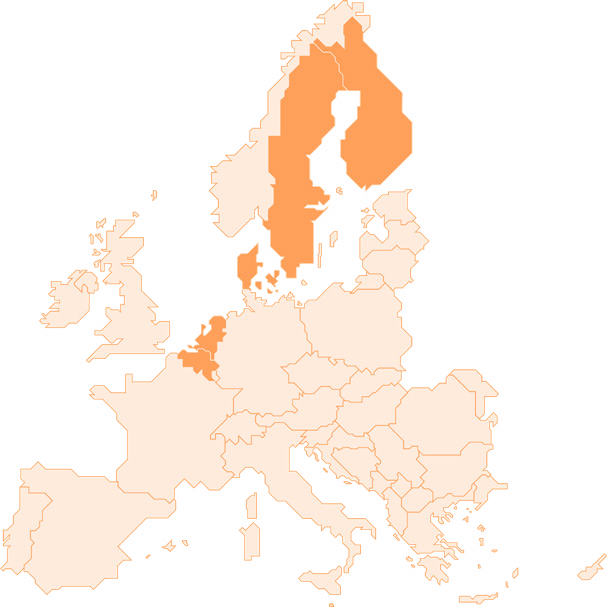
Through cross-system partnerships in Finland, Sweden, the Netherlands, Denmark and Belgium, and with key stakeholders such as trade unions, training organisations, leading researchers and employers, we have reskilled and upskilled over 1,000 workers and conducted an extensive evaluation of what works.
Through our FutureFit programme, we have trialled and tested innovative learning methods that positively improve learner experience – including communities of practice and learning mindset - and learning outcomes. Of the participating learners, 89 per cent stated that they had gained better digital skills through the training and that they would use the skills and knowledge they had acquired from FutureFit.
Our research partners across the five FutureFit countries followed a similar mixed method approach, combining surveys, interviews, observations, focus groups and field experiments. Between three and four surveys were conducted in each country at three stages: shortly before the beginning of training, on the completion of training and after the training. Between 10 and 26 interviews were conducted in each country with trainers, learners, trade unions and, where relevant, with employers. Qualitative insights were also gathered through participation in and observations during courses. A field experiment was conducted in the Netherlands to assess to the extent to which the FutureFit training programme impacts learning outcomes.
This report provides illustrative examples of how the five participating countries in the FutureFit programme designed and delivered training to support workers whose jobs are rapidly changing. Based on the learning journey of the 1,109 learners who completed the training, we developed a FutureFit learning framework that presents the essential mechanisms, infrastructure and learning approaches, for unlocking the necessary skills for the jobs of the future. To identify what makes training efficient, we focused on three aspects: who was trained; how was the training designed and delivered; and how did the training programme impact the skills of learners.
We explore these questions in detailed case studies informed by our primary research. Throughout the report, we provide recommendations based on lessons learnt through the FutureFit programme. We hope the report provides guidance and inspiration to multiple stakeholders for designing, supporting and delivering inclusive learning experiences.
28
Partners
13
Trade unions and
confederations
9
Training providers
6
Research partners
18
Employers
supporting workplace training,
including some of the world's
best known companies, such
as Volvo, Nokia and Oras
9
Sectors
across the programme, including
retail, manufacturing, transport,
IT, banking, meat, construction,
metal and administration
5
Curricula
designed to meet the skills needs
of workers including modules
on using Google Workplace,
developing a digital mindset and
encouraging motivation to learn
5 Countries
- The Netherlands
- Sweden
- Belgium
- Denmark
- Finland
4
Tech
interventions
including an AI chatbot, 100%
online large-scale classrooms
and gamification strategies
1,109
learners completed training
89%
gained better digital skills
through FutureFit
2. The FutureFit learning framework
A variety of factors have a major influence on participation in education and training. Individual attitudes and attributes, organisational factors, and how each curriculum is designed and delivered could all affect an individual's ability to participate in and successfully complete educational and training activities.
Based on the learning journey of the 1,109 individuals who completed training across five countries in Europe, the framework we have developed prepares adults for the future of work. It provides a set of guiding principles by which to realise inclusive and accessible adult learning systems for the digitalised future of work and to deliver the skills necessary to thrive in the new economy.
The framework includes:
- Two learning infrastructure mechanisms
- Four learning mechanisms
- Three essential skills that need to be unlocked
Effective adult learning systems ensure that every adult is given equality of opportunity to access adult learning. Such systems are driven by two infrastructure principles: multi-stakeholder partnerships and inclusion.
The transition to an inclusive learning environment will also require learning mechanisms that, by focusing on learners' experiences, can motivate learners to complete training and help unlock the skills needed for a more resilient future. Research conducted across the five participating countries has allowed us to identify four learning mechanisms:
- Communities of practice
- Personalised learning aligned with labour market needs
- Digital mentoring
- Learning mindset
Adults must be prepared for the future of work. Realising this vision requires adults to be equipped with digital skills. While these skills are essential, adult learning systems must also deliver some additional skills, including interpersonal skills and learning agility.

The FutureFit learning framework
Learning mechanisms
Communities of practice
Creating a peer/social learning environment where individuals share and learn by collaborating and supporting each other.
Personalised learning aligned with labour market needs
Shifting from a standardised learning approach to a more personalised, inclusive and relevant model.
Digital mentoring
Encouraging digital ambassadors to share their knowledge and motivate individuals to engage in learning activities.
Learning mindset
Fostering a learning environment that promotes the act of learning.
Skills
Digital skills
Using digital devices, the internet and software to access and manage information.
Interpersonal skills
Improving communication, the ability to collaborate and self-lead learning.
Learning agility
Learning, adapting and evolving to keep up with constantly changing conditions.
Infrastructure mechanisms
Multi-stakeholder partnerships
Industry, trade unions, training providers and government working together to share knowledge, define common goals and skills priorities.
Inclusion
Designing interventions that remove barriers to learning and include those most at risk of exclusion.
3. Infrastructure mechanisms
3.1 Multi-stakeholder partnerships
Digital exclusion is real. The pandemic has served to highlight the division between people who can move online and those who don't even have basic access, devices or skills. Now is the time to make sure that people are not left behind, isolated and out of work. To ensure that every adult is given equality of opportunity to access adult learning, we need training providers, policymakers, unions, employers and other stakeholders to come together to devise new, inclusive adult learning systems.
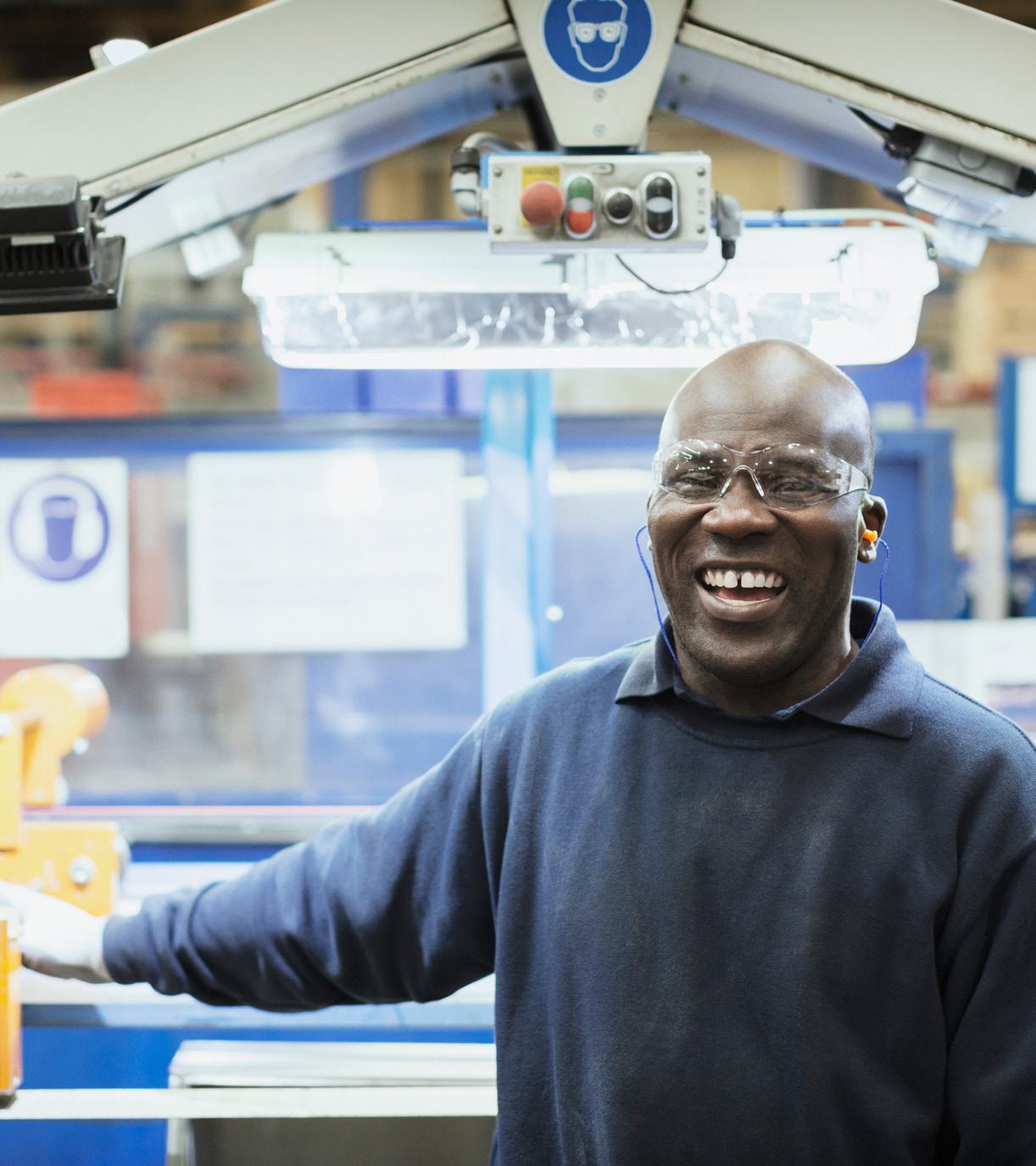
Case study: FutureFit
What did we do?
To tackle the challenge of adult learning, upskilling and reskilling across the labour market, we built cross-system partnerships in the Netherlands, Sweden, Belgium, Denmark, Finland. Those included key organisations and stakeholders that play an active role in shaping the future of work, such as 13 of Europe's largest unions and confederations, 9 training organisations, 6 leading researchers and 18 employers. FutureFit upskilled 1,109 individuals and conducted an extensive evaluation of what works so that solutions can be scaled.
Why did we do this?
To meet the demands of a fast-changing labour market, governments, unions and industry have increased efforts to understand what skills will be in demand and how those in work could be reskilled and motivated to keep learning. Their goal is to promote the development of valuable '21st-century skills' that will ensure the workforce is inclusive and productive. However, there is too little research that addresses the motivation of learners or informs the development of more innovative training approaches that will prepare workers for the jobs of the future.
Through FutureFit, 89 per cent of learners significantly improved their digital skills. The majority of learners also enhanced their interpersonal skills, learning agility and confidence.
Through FutureFit, we found evidence of what works in the skills systems of the Netherlands, Sweden, Belgium, Denmark, Finland. These digital frontrunner countries are recognised as enthusiastic and early adopters of digital technology and advanced in the use of robotics, machine learning and AI. Hence, FutureFit was established to examine adult learning as a system, with the aim of understanding what motivates workers to engage, complete and perform well in training for digital skills.
FutureFit partnerships
A circular diagram showing the partners in FutureFit. The inner circle shows "F&F". The outer circle is divided into four segments:
* Trade unions and confederations
* Employers
* Researchers and experts
* Training providers
Recommendations
Engage multi-sector partners
Multi-sector partnerships strategically aggregate the resources and competencies of each partner and promote a more inclusive and targeted approach to skills development. Such partnerships are able to reach all parts of society, facilitate training that is directly linked to labour market needs, familiarise employers with upskilling and reskilling, and help training providers keep up to date. FutureFit has enabled collaborations between trade unions, training experts and employers. These partners co-designed training programmes with two objectives. The first is to provide personalised training programmes that are aligned with labour market needs. The second is to reach under-represented groups.
FutureFit has given FNV the opportunity to support members to develop their basic digital skills. The target group is members with very low digital skills. They're very vulnerable because of the increasing digitalisation of society and the labour market. FutureFit gave these members the opportunity to develop the first principles of digital skills.
– The Federation of Dutch Trade Unions (FNV), the Netherlands
SAK got plenty of good feedback from stakeholders, and the media was very interested in our project. Our member trade unions were also very active and they felt that FutureFit was a very good project. Workers have demanded this kind of education.
– The Central Organisation of Finnish Trade Unions (SAK), Finland
Engage in international collaborations that allow for local and sectoral adaptation
To address the challenge of upskilling and reskilling, we need to understand what motivates different types of learners in different sectors and countries to participate in adult learning. There is no 'one-size-fits-all' solution. Personalising the learning experience means each individual gets the right kind of education based on how they learn and what their needs are. The learning must fit individual needs and circumstance individual needs and circumstances to enhance digital inclusion and access.
I would like to advise middle-aged women and men to participate in this programme. Especially people who nowadays don't dare or feel limited in the use of digital services. Our attitude is the most important! [...] I'm so happy that I dared to sign up and join. I took the time to be involved and engaged in every aspect, and that gave me so much back. [...] The programme has been the most rewarding experience I've ever had.
– Learner, Sweden
The trade union Unionen had the opportunity to invite members to skills development in a sector where we see there will be changes in the future. We were given the chance to cooperate with other trade unions, trainers and educators/evaluators along the way, and we have had the opportunity to market our project participation to the public.
– Unionen, Sweden
Action the evidence; put it into practice
Collaborations can have a tremendous impact on shifting towards more innovative training approaches and reaching people at scale. Participating in this project was an opportunity for partners to gain knowledge which they can apply in the future. FutureFit partners themselves have learned new skills and knowledge that they can use to design and deliver training that is inclusive, accessible and aligned with labour market needs.
Online training, flexible training and flipped classrooms are an integral part of Vision's training activities now and will be in the future, in offering training to union representatives and members. The FutureFit programme has given us good proof that this is possible and effective even with a larger target group. We work continuously with external partners to achieve the best quality and impact, based on different training scopes and target groups.
– Vision, Sweden
The FNV now has more insight into what this group needs to develop themselves. We can use this for developing future policy and actions.
– The Federation of Dutch Trade Unions (FNV), the Netherlands
3.2 Inclusion
There are huge disparities in adult learning across different demographic groups. While upskilling and reskilling efforts depend on the institutional environment of each country, our research shows that there are well-known individual barriers that prevent adults from learning throughout their lives: cost and lack of time; lack of access to high-quality training; limited guidance on what type of training to do; and a lack of belief and motivation to get involved in training in the first place.
By the mid-2030s, 30 per cent of current jobs will have been automated. People with lower education levels could be much more vulnerable to being displaced by machines. In particular, 44 per cent of workers with low education are at risk of losing their jobs.
A focus on individuals who don't possess basic digital skills, and who are consequently at risk of marginalisation, is essential. As upskilling and reskilling are key drivers of employment and shared prosperity, learning systems must shift towards more accessible methods for these individuals. Recognising the challenges faced by those with low digital skills, FutureFit training programmes have provided accessible and inclusive learning.
Case Study: The Netherlands
The Netherlands
Digital skills in the Netherlands
- 87% Active labour force with at least basic digital skills
- 20% Participation rate in education and training
- 69% Enterprises reporting that they had problems filling vacancies requiring relevant IT skills
- 60% Employees working from home during the COVID-19 pandemic
FutureFit Netherlands
- 26 Number of learners who completed training
- 92% Learners with low or medium levels of educational attainment admitted to the programme
- 25% Women learners admitted to the programme
- 88% Learners over 56 years of age included in the training
63% of learners gained better digital skills
Our partners
Universiteit Utrecht
Research Partners: Future of Work Hub, Institutions for Open Societies, Utrecht University
FNV
Union partners: Two branches of the Federation of Dutch Trade Unions (FNV), FNV Bouw and FNV Bondgenoten
SBI Formaat
Training partner: SBI Formaat
Who was trained?
Members of the FNV were invited to participate in training. FNV's network of workers includes those who find themselves in a precarious position in the workforce and, as such, it was decided to offer digital skills training to those with the lowest digital skills levels. The training was specifically aimed at employees from the construction and meat sectors. In total, 26 learners completed training in autumn and winter 2020-2021.
These people aren't ready for the future. They have insufficient digital skills to get along in a digitalised society. At the same time, society continues to change [...] and it might be that their jobs cease to exist in a few years from now [...] they simply have no choice other than to adapt to these changing circumstances if they want to participate in society.
– Trainer, The Netherlands
How was the training designed and delivered?
Training experts from SBI Formaat developed tailored training programmes for the FutureFit programme in the Netherlands. The initial plan was to deliver training offline. During the training period, restrictions were imposed by the Dutch government because of the COVID-19 pandemic. Some of the sessions continued online.
The programme consisted of two practical and short interactive curricula. The curricula were offered over two full days or four half days. The programme was tailored to suit the specific needs of the construction and meat sector workers, and it largely covered developing skills around the internet, Microsoft Word, DigiD (an identity management platform that government agencies in the Netherlands use), social media and privacy. The last session of the training programme was designed to allow learners to apply their knowledge to the context of their work sector. The programme was short and intensive.
How did the training programme impact the skills of learners?
Individuals with low levels of formal education are less likely to participate in adult learning, but they're the group most likely to benefit from it. A field experiment was conducted on a sample of the adult population in the Netherlands to assess the impact of the training programme. People invited to the study were randomly assigned to one of the following conditions:
- Control, invitation to take part in a survey on IT skills
- Training treatment, invitation to take part in a survey on IT skills and the FutureFit digital skills training programme
Learners reported interacting with technology a lot more after the training programme, reaching levels comparable to those reported in the control group. People who took part in the training started with a lower level of IT skills than the control group. However, as a consequence of the training programme, they were able to bridge that gap quickly, showing significant improvement and reaching levels comparable to those of the control group (which experienced no significant change).
Fig 1: Level of digital skills, by treatment and control group
A bar chart showing the mean score of digital skills on a scale of 1-5, before and after training, for a treatment group and a control group.
- Before training:
- Treatment group: 2.3
- Control group: 3.1
- After training:
- Treatment group: 2.9
- Control group: 2.9
Q. On a scale of 1–5, how would you rate your digital skills? Base: Respondents in the treatment group before training (n = 23), Respondents in the treatment group after training (n = 22), Respondents in the control group before training (n = 84), Respondents in the control group after training (n = 86). Note: Level of digital skills is based on the mean score of IT skills reported in participants' self-assessments. IT skills self-assessment was based on a scale of 1 = 'very low' to 5 = 'very high'.
Individuals (willing to learn) need only a little push to start using technology much more frequently. That is, once the learning barrier has been overcome, people appear able to bridge the gap to their peers quickly.
[...] searching on the internet when you need to buy a train ticket or book a vacation. This is something that I can do by myself now. Before I took this training course, I would have asked other people to do it for me.
– Learner, The Netherlands
For example, email and other forms of digital contact with the UWV (employee insurance agency) and tax authorities. I can do such things now that I wasn't able to do before.
– Learner, The Netherlands
Even more interestingly, our field experiment shows that these effects don't deteriorate over time, indicating that people who train in these skills maintain them through using them.
Learners perceived the training to be very positive and described the content as relevant, interesting and pleasant. Some participants described the training as enlightening and educational.
I now feel like I want to learn more, look for more jobs and also have more contact with other people.
– Learner, The Netherlands
Recommendations
Low-skilled individuals are the least likely to participate in adult learning. Raise awareness through campaigns is one way forward. Implementing awareness-raising campaigns can promote the need for lifelong learning, career adaptability and digital skills. Trade unions could play a significant role in raising workers' awareness of the challenges new technologies present to their job security.
I recall that it hasn't been made explicit [in the advertisement], that might sound a bit harsh but [...]: are you aware that your job won't exist any more in five years from now and do you know how important it is to become digitally skilled?
– Trainer, The Netherlands
It's important to make employees understand that this digital trend also has many advantages. Of course, there will be new challenges on the labour market, in which training and lifelong learning will play a major role. We want to make our members aware that this is an opportunity to strengthen themselves and to address their skills proactively.
– Trade union, Belgium
Tackle individual barriers to learning
Learning must fit individual needs and characteristics. Some of the most frequently cited reasons for not participating in lifelong learning (averaged across the EU member states) are clashes with work schedules (39.9 per cent), family responsibilities (32.5 per cent) and the costs of courses (28.4 per cent). Ensuring more training is available for those who can't afford it and providing flexible courses for those with limited time, all while focusing on the particular characteristics and needs of individual learners to improve their learning experience, are essential.
This is a great opportunity for me to learn and develop those skills I have today. Being able to do it remotely and do so free of charge is what really attracts me! [...] I'm at a point in life where I want to resign from my current job and move on, and this course is gold!
– Learner, Sweden
Ensuring employers are supportive
Providing training in collaboration with and through the employer is an important factor in ensuring participation. Support from employers is a crucial influence on learners' decisions to participate in and complete training. Most of the trainees in Denmark, Sweden and the Netherlands completed the course during their free time. However many adults struggle to do necessary training due to existing work obligations. A committment from employers to continuous learning means workers' skills are regularly updated and relevant.
We see this project as the kick-off for the digitalisation trend within the company. With this project, we want to give a clear signal of launching the digitalisation of the company.
– Employer, Belgium
4 Learning mechanisms
4.1 Communities of practice
Communities of practice are important for learning experiences. A community of practice – a group of people who wish to learn something by collaborating and supporting each other – can create learning environments that have presence and meaning for learners. A shared learning experience, focusing particularly on peer-to-peer learning, can help training initiatives boost engagement and course completion rates.
We tend to form groups of peers at work, school or in our personal lives. Groups of peers can play a fundamental role in our personal and professional development. The sense of belonging that arises from such groups or communities is key in fostering the motivation and perseverance to learn.
The FutureFit training programmes incorporated communities of practice to help boost engagement and course completion rates in training initiatives. This took a variety of forms, including peer support groups and peer tutoring, both online and offline.
Case study: Sweden
Sweden
Digital economy in Sweden
- 79% Active labour force with at least basic digital skills
- 34% Participation rate in education and training
- 72% Enterprises reporting that they had problems filling vacancies requiring relevant IT skills
- 43% Employees working from home during the COVID-19 pandemic
FutureFit Sweden
- 365 Number of learners who completed training
- 72% Learners with low or medium levels of educational attainment admitted to the programme
- 89% Women learners admitted to the programme
- 22% Learners over 56 years of age included in the training
96% of learners gained better digital skills
Our partners
UNIVERSITY OF GOTHENBURG
Research partners: University of Gothenburg
Unionen, Vision and Finansförbundet
Union partners: Unionen, Vision and Finansförbundet, who are members of TCO - the Swedish Confederation of Professional Employees
HYPER ISLAND
Training partner: Hyper Island
Who was trained?
The Confederation of Professional Employees (TCO) organised the participation of Unionen, Vision and Finansförbundet in FutureFit. The unions identified employees in administrative roles to take part, as they represented a group both affected by changes in its work due to digitalisation and in need of training. A total of 365 learners completed the programme. Priority was given to those who perceived their job as being at risk, were concerned about digital tools and/ or had lower education levels.
How was the training designed and delivered?
Sweden's FutureFit programme took place entirely online. The programme was developed by Hyper Island in collaboration with trade unions. The training took place between 14 February and 26 March 2020 and lasted for six weeks. Each week had its own theme.
The first week provided an introduction, with the learners acquainting themselves with the digital tools of the programme. Those included a web platform with text, films and tasks for reflection, Zoom seminars with smaller group interaction and Slack group discussions. During the second week, learners were given examples of how digitalisation creates change, developed an understanding of the need for source criticism on the internet, and were introduced to how continuous learning and collaboration can be tools to help them adapt to change. In the third week, feedback and coaching techniques were introduced. The fourth week focused on self-leadership and self-awareness. In the fifth week, through reflection, self-awareness and self-leadership, learners were to set out a goal for their future and begin their journey there. The final week encouraged learners to adopt new habits of continuous learning, self-reflection and collaboration.
The training programme had high completion rates, with 89 per cent of those active in the second week of training completing the full programme. The training was delivered in large online classrooms via Zoom (250 learners at a time), followed by facilitated discussions and work in online breakout groups. All learners were supported in a Slack community and nudged by a chatbot, 'Doris', to finish tasks and reflect on their experiences. Learners highlighted in their reflections the importance of belonging to a community. For example:
Hello Doris! It has been an exciting and a slightly nerve-racking week. So many new things to learn and get started on, just to understand how it all works. But it went really well in the end. I got started with both Slack and Zoom and successfully logged in with both audio and video, and I hosted today's meeting! That you can do this much at a distance, it's pretty amazing. We even split up into small groups and we could talk to each other. And everything worked!
– Learner, Sweden
By taking part in live sessions online and group work, the majority of learners experienced a significant sense of community.
Having live sessions with engaged course leaders and doing exercises with positive people was a new and fun way to learn that inspired me.
– Learner, Sweden
Despite the programme being remote, the mentors created a personal contact and presence that provided security and a sense of belonging with other course participants.
– Learner, Sweden
How did the training programme impact the skills of learners?
Fig 2: Impact of training programme on learners' abilities
A bar chart showing the percentage of respondents who reported that the training affected their abilities. Base: Respondents (n = 265).
* Understand how digitalisation affects society: 86%
* Take on new digital tools: 83%
* Acquire and absorb new knowledge: 83%
* Feel confident about change: 81%
* Evaluate information sources: 74%
* Problem-solve – to see and analyse a problem, then come up with ideas for how to solve it: 72%
* Lead the group's work: 61%
* Collaborate: 60%
Note: Share of respondents scoring each statement 1-2 on a scale where 1 = 'I have become much better', 2 = 'I have become a little better' and 3 = 'It has not affected my ability'.
As a result of the training, the vast majority of learners (86 per cent) reported that they had a better understanding of how digitalisation affects society. Similarly large numbers – over 80 per cent – said that they can take on new digital tools, acquire and absorb new knowledge, and feel more self-confident in the face of change. For 60 per cent of the learners, their ability to collaborate was also significantly influenced by the training programme. The use of digital tools such as Slack significantly increased learners' sense of community, thereby improving the overall course experience. For instance, more than 80 per cent of the learners who actively engaged via Slack had a very high sense of belonging.
Recommendations
Shaping online communities by using digital technologies has proved highly successful. FutureFit in Sweden shows that digital tools such as Slack and Zoom are an incredible resource for the creation and support of communities of practice. Slack and live sessions addressed a common challenge with online learning: the connection with other learners. Using digital tools to set up breakout rooms and classroom channels for lessons, discussions and other activities leads to a high retention rate and engaging learning experiences.
Introduce group work to foster collaborations
Introducing group work fosters productive collaboration and idea sharing among learners. Group work provides the interaction needed to reduce isolation and build community engagement. Knowledge created and shared in group activities significantly enhances learning. FutureFit's group-based assignments made training more interesting and inspiring.
Had I been alone, there wouldn't have been the same kind of learning and a sense of accomplishment that we now collectively share. So it usually is much nicer to work in a group.
– Learner, Finland
Assign learners to groups by skill level
Evaluating learners' digital skills prior to the training and grouping them accordingly is important. Communities of practice are planned around the idea of offering peer support.
The teachers encouraged us all the time to encourage each other. And if somebody had learnt something and their neighbour hadn't, then you would teach that neighbour.
– Learner, Finland
However, there is great diversity in the digital skills of learners. There are learners who have never held a computer mouse, whereas others are very familiar with computers. If a group is unequal in terms of skills, highly skilled learners could act as mentors for the less skilled ones and may not get support from their peers. Special provision should be made so that all learners have access to mentorship and peer support.
4.2 Personalised learning aligned with labour market need
People with different educational backgrounds, work experience, skills levels and personal circumstances have varying learning needs. Shifting from a standardised learning approach to a more personalised and flexible model can help learners to acquire job-relevant skills and improve their learning experience. Training providers need to understand the barriers and needs of learners and design personalised courses to give everyone the opportunity to learn relevant new skills.
Case study: Belgium
Belgium
Digital economy in Belgium
- 68% Active labour force with at least basic digital skills^22
- 8% Participation rate in education and training^23
- 66% Enterprises reporting that they had problems filling vacancies requiring relevant IT skills^24
- 59% Employees working from home during the COVID-19 pandemic^25
FutureFit Belgium
- 422 Number of learners who completed training
- 77% Learners with low or medium levels of educational attainment admitted to the programme
- 28% Women learners admitted to the programme
- 15% Learners over 56 years of age included in the training
93% of learners gained better digital skills
Our partners
Research partners: HIVA - Research Institute for Work and Society, KU Leuven
Union partners: ACV-CSC METEA, ABVV Metaal and ACLVB
Training partners: Mtech+ Oost Vlaanderen and Mtech+ Vlaanderen
Who was trained?
The training was supported by three trade unions, the ACV-CSC METEA, ABVV-Metaal and ACLVB, and organised for employees in the technology and metal sector at Anglo Belgian Corporation (ABC), Niko and Volvo Cars Gent (VCG). Of the 663 employees from the metalworking sector who attended the Digi Smaakmaker, or digi-fair, 422 completed the training between January and April 2021.
How was the training designed and delivered?
FutureFit in Belgium consisted of two elements:
1The digi-fair, an interactive fair, which encourages employees to engage with and learn about new digital technology
2Custom-made training programmes designed according to the needs of the learners and of their employers
Learning organisations iDrops, TEO and Bit by Bit were involved in the project. iDrops developed the digi-fair, with TEO and Bit by Bit providing and setting up tailor-made training programmes for the participant companies.
Digi-ambassadors were appointed within the companies to act as contact points for their participating employees. Digi-ambassadors also played a role in communications regarding the digi-fairs and the FutureFit training programme to encourage employee participation.
The three company digi-fairs were originally planned as physical events but, due to COVID-19 measures, two were held online. The digi-fair at Niko was the only one held as a physical event, with social distancing measures in place.
During the physical and online digi-fairs, learners could visit various booths with activities such as a digital quiz, with questions about digitalisation, and a brainstorming wall where inspiring videos about digitalisation and digital transformation were shown, after which learners could write their ideas, concerns and needs.
Once people have crossed that initial threshold, it's possible to motivate them to work with digital tools or to learn more about them. The digi-fair is a great way to do this.
– Digi-ambassador, VCG, Belgium
After the digi-fairs, custom-made training modules were delivered in each company. ABC opted for a collective classroom experience focusing on Microsoft Office software. The training courses took place in a virtual classroom where an instructor provided an online live class of three hours, including theoretical training and workshop formats. The courses were organised on so-called 'digital Mondays'. Niko and VCG had a flexible, mixed-learning, individual, digital and online training approach focusing on technical skills.
A digital learning platform and practical training 'boxes' were provided through which employees gained theoretical insights from short videos, then applied their new knowledge directly by doing exercises in the box, such as constructing electrical circuits. This flexibility was expected to allow companies to engage more employees in training programmes. Employees had to go through the training course individually, but they were also supported by a coach, who provided feedback on their progress.
At Niko, employees were required to participate in the digi-fair, with their participation mutually agreed by the employee and their supervisor, whereas at ABC and VCG employee participation was completely voluntary.
How did the training programme impact the skills of learners?
Fig 3: Impact of training programme on learners' abilities at work
A bar chart showing the percentage of respondents who agreed with statements about the impact of training on their work. Base: Respondents (n = 122).
* I expect that I will be able to use the knowledge and skills I have learned in this programme in my daily work in the future: 69%
* I will share the knowledge and skills I have learned in training with my colleagues: 66%
* I will be able to immediately use the knowledge and skills I have learned in this training in my daily work: 64%
Note: Share of respondents scoring each statement 3–4 on a scale of 1 = 'not at all' to 4 = 'to a high degree'.
The majority of learners perceived the training to be useful, interesting and fun. As a result of the training, learners reported that they were able to use the knowledge and skills acquired during the training immediately (64 per cent) or that they expected to be able to in the future (69 per cent). Similarly, 66 per cent said that they would share with their colleagues the knowledge and skills they had acquired.
Learners reported three significant outcomes. Firstly, learners stated that they had become more self-reliant in their work and were working more efficiently. Secondly, they reported having improved their digitalisation and digital tools knowledge. Thirdly, they said that they had grown in the company and found new job perspectives.
Thanks to the extra knowledge, I feel more confident in carrying out my tasks.
– Learner, ABC, Belgium
Firstly, I want to expand my knowledge. A second step is then to grow within the company. Now, I work in the field of logistics, but I would like to do more with my diploma as an electrician.
– Learner, Niko, Belgium
What I wanted to achieve has already been realised: I now work as a technician in VCG. I hope to continue learning.
– Learner, VCG, Belgium
Recommendations
Make learning fun and interactive
Making learning fun and interactive leads to positive learning experiences. The digi-fairs in Belgium were easily accessible, interactive, motivating and playful. They were open to all employees and designed to be easy to engage with and understand. Activities were designed to enable learners to move through at their own pace. The booths and practical training boxes allowed learners to learn by doing and through play while engaging with new digital technologies.
Having live sessions with engaged course leaders and doing exercises with positive people was a new and fun way to learn that inspired me. I could do exercises and reflect at my own pace. I liked the pace of the course, that made me stay active and not quit. A thousand thanks! The best thing I've done for myself.
– Learner, Sweden
We felt it was important for employees to become more digitally self-reliant. To keep the threshold towards digitalisation as low as possible, we think it's important that the fair is interactive and makes people want to learn more about digital skills.
– Employer, VCG, Belgium
Align training with labour market needs
FutureFit training programmes were designed by learning designers, trade unions and, in some cases, employers (e.g. FutureFit in Belgium). By actively involving trade unions and employers in designing adult learning programmes, training programmes provide learning based on the local labour market needs. For example, learners in Belgium perceived the course to be highly useful. Perceived usefulness of the course was scored approximately 8 (mean) on a scale from 1 to 10. The majority of learners in Belgium mentioned that they would be able to use the knowledge and skills they had acquired in this training in their daily work in the future.
Provide ongoing feedback
Providing ongoing feedback will ensure learners are clear about the learning goals and realise their full learning potential. Ongoing feedback helps learners to adapt and adjust constantly while improving their confidence and motivation to learn. Employees in Belgium, for example, had to go through the training course individually, but a coach followed up with each participant. The coach marked the exercises and provided support and feedback for all employees, including those with low digital skills. In small groups, trainers can be supportive and provide ongoing feedback.
If there was a question, [it was possible to get] one-to-one advice from the trainer as there were so few of us. A small enough number of participants eases the training; we were fewer than 20.
– Learner, Finland
4.3 Digital mentors
Recruiting adult learners to be mentors can support adults from socially and economically deprived communities to participate in training. Digital mentors have the skills and confidence to motivate potential learners to engage in learning activities. By communicating the benefits of digitalisation and transferring their knowledge, mentors can lead to positive effects on digital skills development.
Encouragement and peer support in the workplace are frequently cited as factors that affect engagement with training opportunities. The majority of employees first turn to their peers when they seek to learn a new skill. Encouraging informal volunteers to act as digital mentors within organisations and local communities can have positive effects on skills development.
Case study: Denmark
Denmark
Digital economy in Denmark
- 75% Active labour force with at least basic digital skills^27
- 25% Participation rate in education and training^28
- 60% Enterprises reporting that they had problems filling vacancies requiring relevant IT skills^29
- 34% Employees working from home during the COVID-19 pandemic^30
FutureFit Denmark
- 91 Number of learners who completed training
- 78% Learners with low or medium levels of educational attainment admitted to the programme
- 83% Women learners admitted to the programme
- 36% Learners over 56 years of age included in the training
72% of learners gained better digital skills
Our partners
Research partners: The Think Tank DEA in partnership with Det Antropologiske Foretagende
Union partner: HK Privat
Training partner: IVÆKST
Who was trained?
Members of the trade union HK Privat hit hard by digitalisation at small- to medium-sized companies were identified as the focus for FutureFit in Denmark. The business development service IVÆKST supported the recruitment process by publishing videos and hosting information meetings for union members. Other trainees were on-boarded through personal phone calls and by meeting HK members at other training courses. HK members acquired new skills to improve their workplaces' readiness for the changes brought about by digitalisation.
The training was completed by 91 HK members in administration, customer service, retail, accounting, HR, sales and purchasing, and communications from late summer 2019 to spring 2020.
How was the training designed and delivered?
The training was designed to educate workers to become 'digital change agents'. The course was initially carried out in classrooms, then continued online due to COVID-19. A total of 92 participants completed the course.
The training comprised five modules: course introduction; digital customer device; mapping, using and securing data; digital coordination and communication; developing an action plan. The action plan was intended as a tool through which the learners got the opportunity to conceptualise their knowledge. The training content development was based on the results of a survey and telephone interviews with companies and HK members.
The aim of the training was to turn the course participants into digital change agents able to lead and catalyse digital change and digitalisation at their workplaces. Many of the learners who completed training in Denmark described themselves as keen and always on the lookout for something new to learn. Many were already used to participating in continuing education and were curious about digitalisation and its possibilities.
How did the training programme impact the skills of learners?
72 per cent reported achieving better digital skills to some or a high degree. Similarly, 87 per cent of learners reported having achieved new digital knowledge to at least some degree through their participation in the training, with 65 per cent stating that the training had helped to improve their professional profile in terms of their ability to get a new job or start a business.
Fig 4: Impact of training programme on learners' abilities at work
Q. To what extent do you agree with each of the following statements? Base: Respondents (n = 46). Note: Share of respondents scoring each statement 3–4 on a scale of 1 = ‘not at all' to 4 = ‘to a high degree'.
Although 95 per cent of learners signed up for the training on their own initiative, without the support of their employers, they shared the knowledge acquired during the training with their colleagues. Sharing their new knowledge with colleagues in informal settings was reported by 48 per cent of the learners, with an additional 28 per cent doing so in connection with actual work assignments.
Learners indicated substantial personal benefit from the course. They also mentioned that it's difficult to become a catalyst for digital change within their organisations.
I learned a lot about how the world of websites, social media and marketing work. Everyone could benefit from such a digital boost that this course provides. A digital boost that helps you think of other ways to do things, so it becomes easier and faster.
The management is really hard to talk to about some of these things [...]. So, I have to make a decision about what is important to do first. And then I have to stick to it and keep insisting that we hold some meetings about it.
Fig 5: Sharing knowledge and skills from the course
Q. Have you shared the knowledge and skills learned in this course with your colleagues? Base: Respondents (n = 25).
Recommendations
Encourage networking
A digital mentor needs to organise sessions to keep individuals updated on digitalisation. FutureFit in Denmark shows that digital mentors can provide an important source of learning within their organisations. Learning doesn't only occur through formal training and education but also through informal learning. Low-skilled workers in particular participate less in formal learning activities, and they rely heavily on learning from informal interactions with digital mentors.
Appoint a digital mentor
Appointing an individual to become a digital mentor is important. Organisations or local communities need to make sure that experienced and knowledgeable individuals act as mentors to support and guide others. A digital mentor needs to be good at learning, solving tasks, planning and listening. Providing information on and examples of digital training programmes is often sufficient for individuals to overcome some initial barriers to learning.
My role as digi-ambassador is to assist colleagues in using new digital tools. We notice that there is a gap between young and older employees in terms of digital skills and interest in digital tools. As digi-ambassador it is also our task to narrow that gap.
- Digi-ambassador, VCG, Belgium
Create a supportive leadership
Supportive leadership is a factor that contributes positively to mentorship schemes in organisations. Mentoring is known for increasing employee motivation and performance. For that reason, learners in Denmark chose to receive training about how to become mentors. However, the success of mentoring programmes depends on the support mentors receive from the management team. Our learners from FutureFit in Denmark reported needing more support from their management.
They [managers] get a little annoyed when I come up with new things after I've completed training [...]. When I say GDPR, etc., they find it annoying.
4.4 Learning mindset
That the vast majority of adults believe there is no need for (further) education clearly illustrates the negative attitudes towards participation in education. It's important to foster a learning environment that encourages participation and involvement in training. A culture of lifelong learning and adult education is essential for sustainable employability, social inclusion and individual development. Such a culture is, however, not yet fully developed in society and needs to be stimulated. Negative attitudes towards learning and not seeing oneself as a learner are significant barriers to continuous learning.
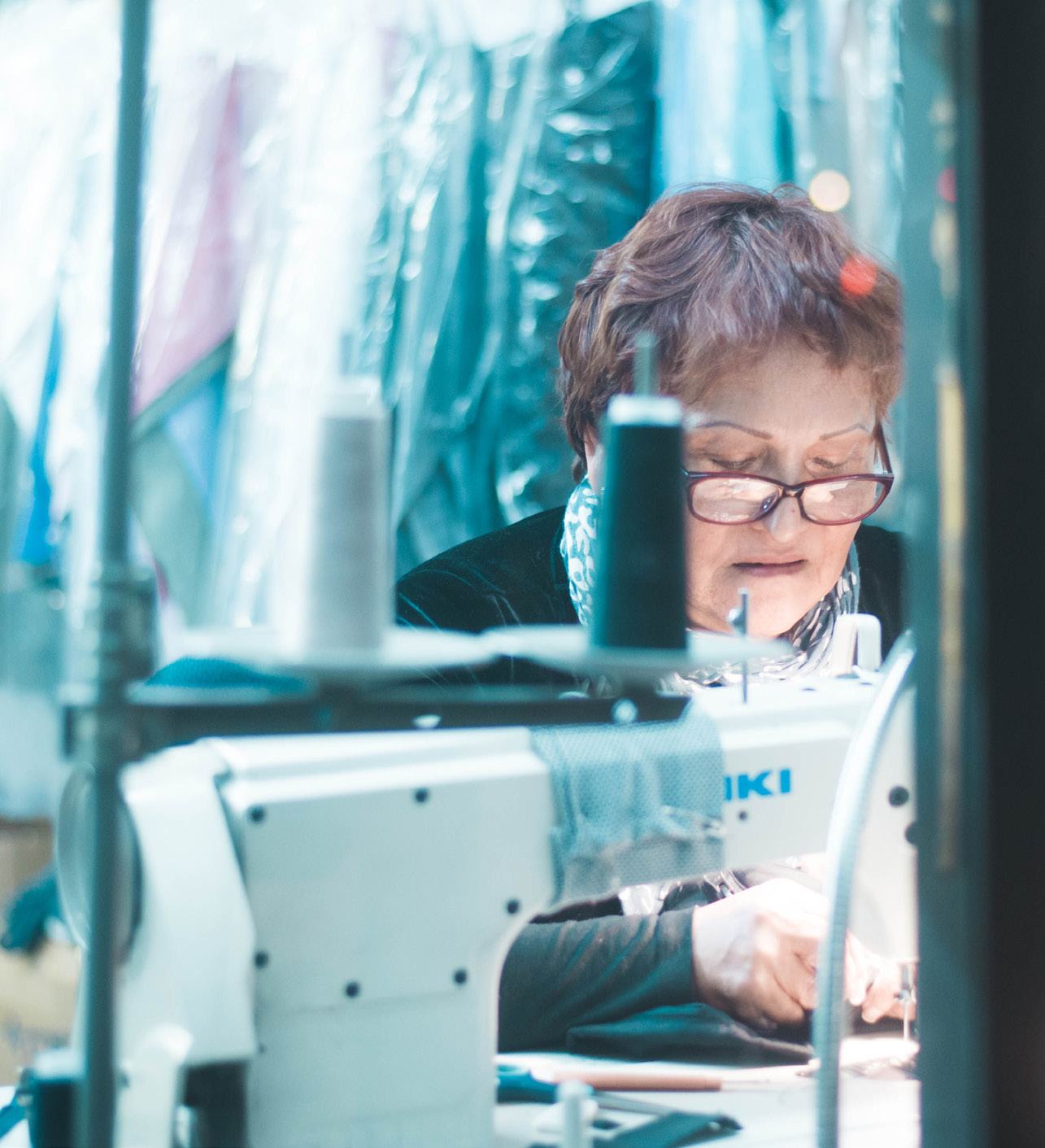
Case study: Finland
Digital economy in Finland
84% Active labour force with at least basic digital skills
29% Participation rate in education and training
66% Enterprises reporting that they had problems filling vacancies requiring relevant IT skills
59% Employees working from home during the COVID-19 pandemic
FutureFit Finland
231 Number of learners who completed training
93% Learners with low or medium levels of educational attainment admitted to the programme
41% Women learners admitted to the programme
17% Learners over 56 years of age included in the training
81% of learners gained better digital skills
Our partners
Research partner: Demos Helsinki
Union partners: Transport Workers' Union (AKT), Service Union United (PAM) and the Industrial Union of Finland (Teollisuusliitto), who are members of the Central Organisation of Finnish Trade Unions (SAK)
Training partner: Finland's Workers' Educational Association (TSL)
Who was trained?
In Finland, the FutureFit programme brought together over 15 companies to train nearly 250 workers from different sectors. A joint partnership of the Central Organisation of Finnish Trade Unions (SAK), the Transport Workers' Union (AKT), the Service Union United (PAM) and the Industrial Union of Finland (Teollisuusliitto) was established, with the training designed and delivered by Finland's Workers' Educational Association (TSL). The original intention was for the training to be free and delivered during paid work hours. Despite the pandemic severely affecting the ability of employers to participate, 15 companies were involved. Training was also organised to support unemployed or temporarily laid-off workers who were members of PAM and whom the pandemic had affected the most.
A total of 231 workers completed the training between 2 January and 26 November 2020. A total of 22 groups were trained, with 16 from companies and 6 sessions with unemployed or temporarily laid-off workers. Of the sessions with companies, 12 were held at industrial union sites, one at AKT and three at PAM. All of the six sessions with unemployed or temporarily laid-off workers were with PAM members.
How was the training designed and delivered?
The course was designed by the trainers and other educational experts from TSL. The training, set at 14 hours and delivered at workplaces, consisted of six different modules: introduction to smart devices and applications; cloud services; communication at the workplace; digital security and privacy; introduction to machine learning and AI; and continuous learning. The first and last modules were held for all learners in full, with the duration of the other modules being adjusted according to the existing familiarity and skill levels of the learners. The modules included a variety of exercises and teaching methods. All devices (Chromebooks, headphones) were provided by the training provider, TSL. The devices and applications used during the course were selected by the training provider for their ease of use and prevalence, both in work life and free time.
How did the training programme impact the skills of learners?
The learners felt that the training not only impacted their digital skills but also their learning skills. Specifically, 81 per cent of the respondents felt that they had developed their digital skills, with 64 per cent of the respondents agreeing that the training had helped them to become better learners. That was especially true for learners who had not seen themselves as learners prior to the training. Many were positively surprised that learning can also be fun and reported that they wanted to develop themselves further in the future.
Some mentioned that they had been sceptical about their learning abilities prior to the course, but they were happily surprised that they were able to learn new things.
Yes [the course did affect my idea of learning]. All that sitting in class and a computational field. [...] At first I thought ‘no way, I'll never, it won't fit me'. But in the end, there were interesting things too.
It did affect [my perception of myself as a learner]. First, I was a little sceptical about the course. I wouldn't have believed that I can still learn new things this well. [...] After all, learning new things turns out to be possible [and more successful] than I had previously imagined.
Fig 6: Impact of training programme on learning
Q. To what extent do you agree that the training helped you to become a better learner? Base: Respondents (n = 92). Note: Share of respondents scoring the question 1–5 on scale 1 = ‘fully disagree' to 5 = ‘fully agree'.
The course had a significant impact on the learners' motivation to educate themselves further. For example, 88 per cent agreed that, because of the training, they want to develop themselves further in the future.
About 90 per cent of learners use the skills and knowledge acquired during the training. They reported that the skills acquired were useful in voluntary work, studies, finding a new job and generally in future work positions.
I learnt new skills that I have been able to utilise during my training for a new profession and in future when working in the new profession.
Learner, Finland
The course had some effect on the learners' motivation to attend further training. When asked in the post-training survey (three months later) whether they had participated in any other training since the course, 20 per cent of respondents reported having participated in some form of training.
Fig 7: Impact of training programme on lifelong learning
Q. To what extent do you agree that as a result of the training, you want to educate yourself even further in the future? Base: Respondents (n = 92). Note: Share of respondents scoring the question 1–5 on scale 1 = 'fully disagree' to 5 = 'fully agree’.
Recommendations
Fostering a supportive learning environment
A positive learning experience influences people's future learning intentions and leads to a learning mindset. Learners in the FutureFit countries agreed that the training delivered had helped them to become better learners. Focusing on establishing rapport, creating a good atmosphere in training sessions and adopting personalised training practices (see Section 4.2) can change negative dispositions towards learning. FutureFit training programmes have shown that creating a supportive learning environment is essential. Learning by doing in small groups with open and supportive teachers can lead to higher motivation among employees to participate in training activities.
You could get very individualised teaching; everyone got as much support as they needed.
Providing training through the employer
Employers' investment in learning is important. Employers are the most common providers of non-formal education and training activities in the EU. Providing training through the employer is an important factor in ensuring participation of individuals (as discussed in Section 3.2). Employers have the potential to reach those who have negative attitudes to learning and who would not otherwise seek out training themselves. Training programmes in both Finland and Belgium show the pivotal role of identifying and working with employers in shifting negative attitudes to learning and increasing lifelong learning.
All employee profiles will need to be adjusted in terms of digital skills. This digital awareness isn't present among all employees. We want to motivate employees intrinsically to engage in lifelong learning paths. Both job content and training are evolving towards this digital trend.
Triggering confidence and knowledge
Providing clear information about the aims and objectives of a programme, and communicating it to employees, is an important step in allowing them to build confidence and engage in learning activities. For some individuals, particularly for those with low formal education attainment and older people, digital skills training appeared to be an intimidating experience. Once they had acquired information about the programme, they felt motivated to participate and improve not only their digital skills but also their learning skills.
For some workers, often older ones, there was a barrier to participating in the digital training courses. Often it was sufficient to inform them or show them an example of how the training was done. In the end, we often received positive reactions!
- Digi-ambassador, Volvo Car Gent
5. Conclusion
Labour markets around the world have been severely affected by the COVID-19 outbreak.
On one hand, the pandemic has scaled the effects of automation and digitalisation, transforming the way workers operate and making a greater case for reskilling and upskilling. On the other hand, the pandemic has prompted governments across the world to accelerate the transition towards a fairer and net-zero economy. This is further transforming jobs and skills requirements, leaving workers at a greater risk of being left behind in the race towards a more digitalised, automated and greener labour market.
Our programme, FutureFit, shows that when learning is personalised, innovative and supportive, it can help those that need it most overcome perceived barriers, participate in training and be motivated to do more. Moreover, when interventions are designed collaboratively with key stakeholders, such as trade unions and employers, they are far more likely to be responsive to labour market needs, making the skills learned tangible and relevant.
Based on the learning journey of more than 1,000 workers from nine sectors in five countries, the FutureFit learning framework presents nine principles which, if embedded in education systems, can vastly improve digital skills training for adult learners.
When learning is personalised, innovative and supportive, it can help those that need it most overcome perceived barriers.
Our recommendations are as follows:
Infrastructure mechanisms for key stakeholders:
- Engage multi-sector partners to co-design training and ensure it's aligned to labour market needs.
- Engage in international collaborations that give space for adaptations based on both local and national challenges, priorities and needs.
- Action the evidence by putting in practice what you've learned from your partnerships.
- Raise awareness and promote the benefits of training to engage hard-to-reach learners.
- Tackle individual barriers to learning to ensure training is accessible, affordable and flexible.
- Make sure employers are involved to guarantee good participation and training that is matched to their needs.
Learning mechanisms for training providers:
- Facilitate communities of practice that help peers learn from each other, share goals and boost engagement in training.
- Personalise learning so that it includes learners from different backgrounds and is aligned with labour market needs.
- Recruit and develop digital mentors who can motivate peers to take part in training and feel supported.
- Foster a learning culture that encourages participation in training and develops a learning mindset in workers.
This combination of innovative training organised by major players that share common goals can be a powerful, positive lever for overhauling our adult learning system at a time when all of us are enduring a huge amount of change.
Delivered during a pandemic, FutureFit has proven that learning does not need to be a linear activity, or exclusively for those who have money or spare time. It has also shown that when workers are given the opportunity to develop a learning mindset, they also acquire the ability to adapt, which is fundamental to thriving and surviving in the current labour market.
Endnotes
- Fig. 1 Level of digital skills, by treatment and control group
- Fig. 2 Impact of training programme on learners' abilities
- Fig. 3 Impact of training programme on learners' abilities at work
- Fig. 4 Impact of training programme on learners' abilities at work
- Fig. 5 Sharing knowledge and skills from the course
- Fig. 6 Impact of training programme on learning
- Fig. 7 Impact of training programme on lifelong learning