Sixteen million people across Europe were unemployed in September 2020, a rise of about two million since the beginning of the pandemic. At the same time, the pandemic has exposed digital divides. 42 per cent of the EU population are now at risk of digital exclusion.
FutureFit is a major training and research project upskilling over 1,000 workers at risk of job displacement. This report presents our findings from the programmes in Sweden, Denmark and Finland where the training has finished or is soon to be completed.
Key findings
- Participants have significantly improved their digital skills during the pandemic. 95 per cent of trainees had gained better digital skills and would use the skills they had acquired from FutureFit, while 70 per cent of trainees had gained new knowledge and skills to deal with the impact of COVID-19.
- Virtual social environments and online learning enabled people to feel supported and connected, and improved their learning experience. 80 per cent of trainees who actively engaged through Slack, a communication platform, had a very high sense of belonging. Around 85 per cent of the trainees who did make new friends had participated in all the live engagement sessions and/or had been active on Slack.
- Older workers improved their digital skills and understanding about the impact of digitisation by 60 per cent. Workers over the age of 50 – that now make up about a third of the EU workforce – felt less scared of new technologies (e.g. Facebook, Zoom) and more self-confident when they completed training.
- During the pandemic, time constraints have become even more likely to interrupt learners’ participation. Many adults could not incorporate training into their spare time due to family responsibilities and work. Trainees reported low motivation and lack of support from employers and family as significant barriers to completing both off and online learning.
Author Chrystalla Kapetaniou November 2020
Acknowledgements Olivia Chapman, Beatrice Bekar and Genna Barnett.
A special thank you also goes to our partners who delivered the programme in Sweden, Finland and Denmark:
- Bengt Larsson, Sofia Bjork and Erica Nordlander, Gothenburg University
- Nick Bennett, Oskar Elfner, Johanna Nordin, Maria Cole, Hyper Island
- Kim Katainen, Janne Laulumaa and Jouko Muuri, Työväen Sivistysliitto
- Johannes Anttila, Julia Jousilahti and Lari Hokkanen, Demos Helsinki
- Sidse Frich Thygesen, The Think Tank DEA
- Jens Waltorp, Thomas Hervik and Natalie Blix Flagstad, Det Antropologiske Foretagende
- Peter Kofler, Patrick Cedergren and Maria Guy, IVÆKST
FutureFit is a major training and research project led by Nesta and supported by Google.org
FutureFit is focused on creating an effective adult learning system to help tackle inequality and social exclusion. In partnership with some of Europe's largest unions, leading researchers, employers and adult learning experts, FutureFit is reskilling workers at risk of job displacement and conducting a large evaluation of what works, so that solutions can be scaled.
Nesta is an innovation foundation. For us, innovation means turning bold ideas into reality and changing lives for the better. We use our expertise, skills and funding in areas where there are big challenges facing society.
To find out more, visit: www.nesta.org.uk/project/futurefit
If you'd like this publication in an alternative format such as Braille or large print, please contact us at [email protected]
For more information about this report, please contact: Chrystalla Kapetaniou [email protected]
1. Learning during the COVID-19 pandemic
The COVID-19 pandemic has had an extraordinarily disruptive impact on the world of work. About 16 million people in Europe were unemployed in September 2020, a rise of about 2 million since January 2020, while 45 million jobs (about one-quarter of the overall EU workforce) are now covered by employment subsidy programmes (Eurostat, 2020a; Müller & Schulten, 2020). At the same time, the pandemic has highlighted the increasingly valuable role played by automation and digitalisation, as they have helped reduce the spread of the virus.
Recent data shows that the response to the pandemic has brought digital adoption forward by five years.
The rapid adoption of digital technologies by enterprises has transformed the ways in which workers operate, communicate and transfer knowledge. For example, it has given employees more opportunities to work from home: almost 40 per cent of employees in Europe have started working remotely as a result of COVID-19. Compare this to before the crisis, when only 15 per cent of EU workers had ever worked from home (Eurofound, 2020: ILO, 2020). The videoconferencing app Zoom saw its daily active user count increase by 340 per cent within the first three months of 2020 (EY, 2020).
The pandemic is likely to bring new technologies, including robots and artificial intelligence (AI), to the fore. The drive to replace humans with machines is accelerating at the same time as employers are struggling to avoid coronavirus transmissions in the workplace and adjust to the 'new normal'. A recent survey by EY found that 36 per cent of global executives are increasing their investment in automation as a result of the pandemic, while a further 41 per cent plan to do so (EY, 2020).
Though the pandemic is accelerating the adoption of automation, technological advancements have already changed the world in recent decades. People have become increasingly concerned about technology replacing jobs, as more and more tasks traditionally carried out by humans are being performed by robots and AI. One study estimates that about 400,000 jobs were lost to automation in EU factories between 2000 and 2016 (Oxford Economics, 2019). On the other hand, the adoption of new technologies will also create new jobs. Over the next five years, it is expected that the rapid digitalisation triggered by the pandemic will create 149 million jobs in technology-oriented fields (Microsoft, 2020). The impact of COVID-19 on automation will prompt many people to change their jobs. However, moving into a completely different line of work requires extensive reskilling and upskilling.
Source — Mckinsey, 2020.
The way people work will change significantly – maybe even permanently – in the new 'normal', as digital skills will inevitably be required in every job and in almost every aspect of our daily lives. Even before the pandemic, a study suggested that 85 per cent of jobs in the EU required at least a basic level of digital skills (Cedefop, 2018); however, only 58 per cent of the EU population have these basic skills (European Commission, 2020). The pandemic has highlighted the widening digital skills gap between individuals – a gap that will need to be closed to stimulate the economic recovery and prevent social exclusion. 82 per cent of young individuals (aged 16–24) and 85 per cent of those with higher levels of formal education have at least basic digital skills. In contrast, only 35 per cent of those aged between 55 and 74 and 31 per cent of those with no or low levels of formal education have these basic skills (European Commission, 2020). Adults who lack basic digital skills are also the least likely to participate in adult learning according to our Becoming FutureFit Report (Kapetaniou, 2019).
We have designed FutureFit to tackle the challenge of the digital skills gap. FutureFit involves reskilling workers who are at risk of job displacement. This programme has given us a greater understanding of how to successfully reskill and upskill employees aged between 25 and 64 in various industries and occupations in the countries known as the Digital Frontrunners: Sweden, Denmark, Finland, the Netherlands and Belgium.
The FutureFit programme has been completed in Sweden and Denmark while in Finland it will be completed in January 2021. In the Netherlands and Belgium the training started in September 2020. In Sweden and Denmark, the programme mainly attracted women aged over 50; this observation gives us a better understanding of how we can ensure that everyone benefits from an increasingly digital labour market.
This report presents the main findings from FutureFit in Sweden and Denmark, while also including some initial findings from Finland. These findings relate to:
- Digital skills during the pandemic
- Virtual social environments and online learning
- Digital skills for older workers
- Dropout from adult education
85% of those with higher levels of formal education have at least basic digital skills (European Commission, 2020)
31% of those with no or low levels of formal education have these basic skills (European Commission, 2020)
2. FutureFit: Addressing the digital skills divide
Inclusive growth can only take place if training is accessible to everyone, especially to those most at risk of job displacement, who often do not have the opportunity or the means to learn new skills.
The FutureFit programme targets workers whose jobs are at risk from automation in the Digital Frontrunner countries. This midterm report focuses on Sweden, Denmark and Finland: the countries in which the programme has been or completed. These countries are among the global leaders in digitalisation. In 2019, the percentage of people aged 16–74 that have at least basic digital skills reached 72 per cent in Sweden, 70 per cent in Denmark and 76 per cent in Finland (see Fig.1).
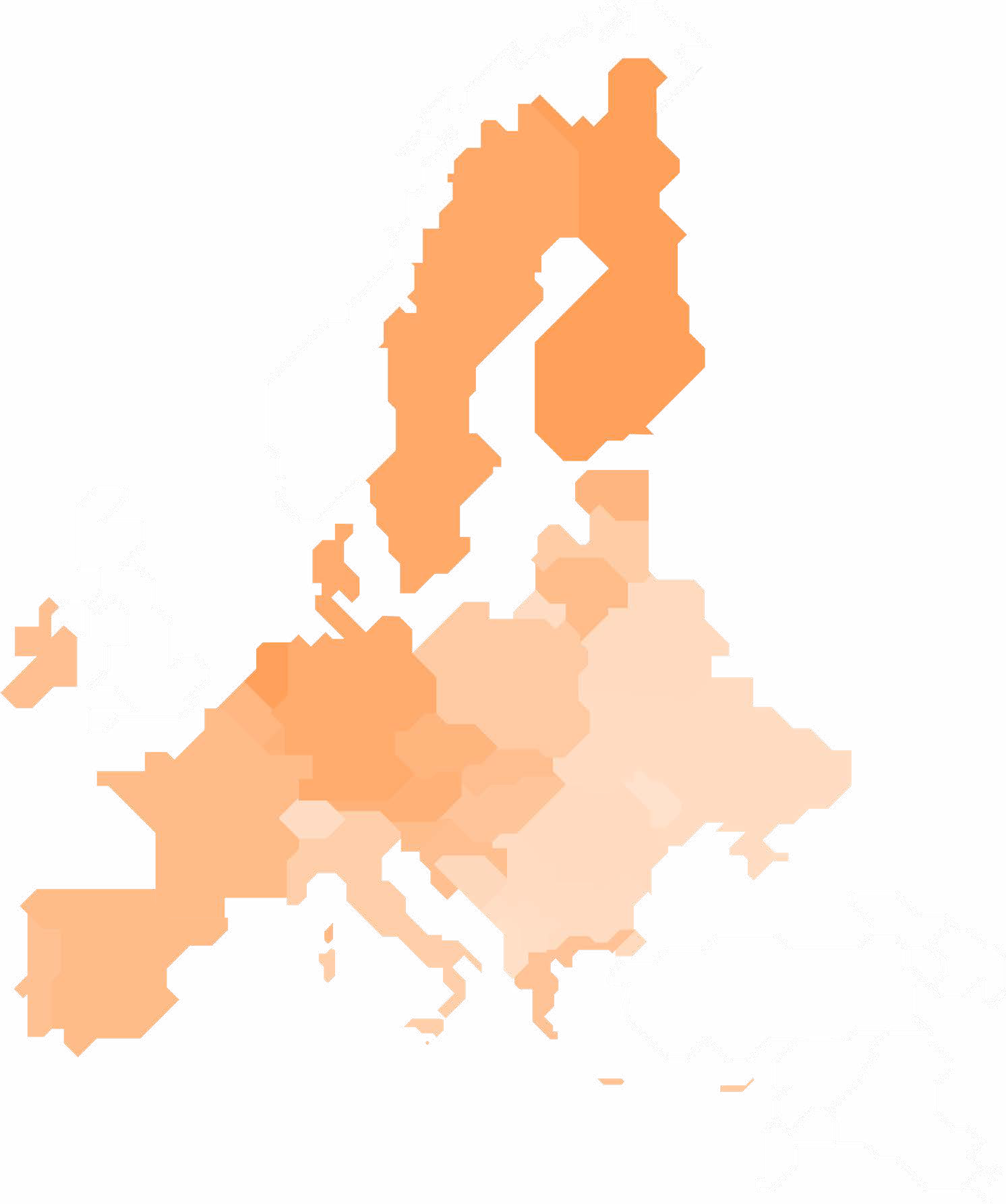
Fig 1. Individuals aged 16–74 with at least basic digital skills in the EU 27, 2020 Source — European Commission (2020)
We have developed partnerships with unions, adult learning experts and researchers in each of these countries in order to identify the workers whose jobs are most at risk from automation, to reach poorly served groups and to provide training. This includes partnerships with organisations and individuals who are playing an active role in shaping the future of work, such as trade unions, training organisations and employers (see Figure 2).
The unions identified those members who were both affected by changes in their work due to digitalisation and in need of training. Union representatives hoped that the training programme would help members develop a future-focused mindset and an action plan to remain employable and become more attractive to employers. Jarkko Eloranta, President of SAK (the Central Organisation of Finnish Trade Unions), highlighted that:
'Learning opportunities of this kind should be part of regular training in all workplaces. Employees need new digital skills to be able to embrace smart technology at work.'
— Eloranta, 2019 in Google, 2019
The unions highlighted that the project would help workers whose jobs are at risk from automation and that the target group is those who actually know that they need further education. Therese Svanström, the Tjänstemännens Centralorganisation (TCO) Chair, stated:
'A lot of people will need skills development and continuing education in digital skills over the next few years. This is a fantastic opportunity, but of course the rapid changes in the labour market can also be a source of concern for many Swedes. Anyone who has to keep up with the development can easily feel that digitalisation is about to take over. Through this project, we are taking action to help.'
— Svanström, 2020 in Chapman et al., 2020
FutureFit Denmark
Partners
- Research – The Think Tank DEA, Det Antropologiske Foretagende ApS
- Training – IVÆKST
- Unions – HK Privat
Training details
- Total number of people trained – 92
- Sectors – Services, retail, finance, human resources, accounting
- Training completed – April 2020
- Data collection completed - September 2020
- Format - Face-to-face training (before COVID-19); 100 per cent online training via YouTube live stream (after the COVID-19 lockdowns)
- Tools and platforms used - YouTube, content management system platforms, Dropbox, Google Drive, Google Ads, Google Analytics, social media, Trustpilot, Office 360
Research details
- Interviews - 16 in-depth interviews and 20 informal interviews with trainees during, at the end of and 3–6 months after the course
- Observations - During training
- Surveys - Four surveys conducted at three stages - shortly before the beginning of training, just after the completion of training and three to six months after training
FutureFit Sweden
Partners
- Research – Gothenburg University
- Training – Hyper Island
- Unions – TCO, Unionen, Vision, Finansförbundet
Training details
- Total number of people trained – 367
- Sectors – Services, retail, finance, human resources, accounting
- Training completed– March 2020
- Data collection completed - August 2020
- Format - 100 per cent online training
- Tools and platforms used - Zoom, Slack, AI chatbots
Research details
- Interviews - Three with union representatives, five with participants who dropped out, five with participants who completed the training
- Observations - During training
- Surveys - Four surveys conducted at four stages - before the beginning of training, at the start of the programme, at the end of the programme and six months after the end of the programme
FutureFit Finland
Partners
- Research – Demos Helsinki
- Training – Työväen Sivistysliitto
- Unions – SAK, PAM (Service Union United), AKT (Transpot Workers' Union), Teollisuusliitto
Training details
- Total number of people trained to date – 227 (154 from 15 employers and 73 union members who lost their jobs as a result of the pandemic)
- Sectors – Services, retail, transport, logistics, manufacturing
- Format - Blended learning facilitated via the digital platform Howspace and delivered on site or remotely
- Tools and platforms used - Google Suite, Microsoft Office, WhatsApp, Howspace, Hailer
Research details
- Interviews - 15 in-depth interviews and 3 focus groups with trainees, 2 interviews with trainers and 4 interviews with employers
- Observations - During training
- Surveys - Three surveys conducted at three stages - shortly before the beginning of training, just after completion of training and three months after training
3. Digital skills during the pandemic
'We suddenly ended up in a digital world, and we will probably have to embrace it more in the future (whether we want to or not). I had never heard of either Slack or Zoom before, but now they were part of everyone else's daily life.'
Source — Female, 50s, Sweden
Our response to COVID-19 has shown how important digital skills are in nearly every sector of our lives, including work, education, entertainment and communication. In the context of stay-at-home orders, quarantine measures and social distancing recommendations, being able to connect to the internet and use digital technologies has never been more important. With the help of the internet, individuals are working from home and holding meetings online, seeking entertainment on streaming services like Netflix and YouTube, shopping online, accessing online education and remote healthcare services, and connecting with each other via social media platforms such as Facebook.
Connectivity and digitalisation are playing a hugely important role in our economic recovery, and everyone needs to be equipped with the digital skills necessary to access basic services and take advantage of future opportunities. While many are coping with the crisis with the help of digital technology, adults who lack basic digital skills are at risk of digital exclusion. Strategies to close the digital divide through improvements in digital skills are now required if we are to build a more equitable society.
FutureFit was designed to equip people with the digital skills required in both work and daily life. It addresses the skills gap while also helping people cope with the current coronavirus crisis. To date, on completion of the training programmes, participants were found to have significantly improved their digital skills. More than 95 per cent of participants in Sweden and Denmark stated that they had gained better digital skills through the course and that they would use the skills and knowledge they had acquired from FutureFit. In addition, more than 80 per cent of potential trainees in Finland reported that their participation in the training means they will be able to adapt better to possible future changes in the labour market.
Trainees in both Sweden and Denmark highlighted that, although the course started just before the start of the pandemic, they still benefited greatly from the training. For example, many trainees emphasised that they had significantly increased the proportion of their work that they do digitally. Most notably, 70 per cent of the trainees in Denmark stated that the knowledge and skills they had gained through the course had equipped them to deal with the impact of COVID-19.
95% of participants had gained better digital skills through the course — Denmark and Sweden
70% of participants had gained the knowledge and skills through the course to deal with the impact of COVID-19 — Denmark
In their interviews, many of the trainees referred to the ways in which the course has helped them in their work. For example:
I am very grateful that I had time to take the course before the coronavirus pandemic. My job went digital very quickly, and I have clearly benefited from the course as the rapid change and the demands it has made didn't cause me any problems.
— Female, 60s, Sweden
We suddenly ended up in a digital world, and we will probably have to embrace it more in the future (whether we want to or not). I had never heard of either Slack or Zoom before, but now they were part of everyone else's daily life.
— Female, 50s, Sweden
The workload became very high. But thanks to the new knowledge I'd gained from the course, I was able to use digital tools, which facilitated and improved the quality of my work.
— Male, 50s, Sweden
Our research also points to a more general, personal benefit from the course. 65 per cent of respondents in Denmark thought that the course had taught them things they could use on a personal level. In their interviews, many participants referred to the ways in which the course had provided them with new and improved basic knowledge about digital trends and digitalisation. For example, one trainee reported that:
The course gives you a basic knowledge of digital trends and tools... You gain a basic knowledge and understanding of how things function. And some expressions and words that confused me before have become more familiar and understandable.
— Female, 40s, Denmark
The course also gave the participants a 'digital boost', as one trainee described it:
I learnt a lot about the workings of the world of websites and social media etc. Everyone could benefit from the kind of digital boost that this course provides. It's a digital boost that helps you think of other ways to do things, so it becomes easier and faster.
— Female, 50s, Denmark
The same trainee identified another experience consistently described by participants, concerning the ability of the training to demystify 'the digital':
Many of the people I met on the course were very scared of everything digital. They were my age (in their 50s) and said: 'I'm not going on Facebook'; 'I am not doing this or that'; 'We have no idea how to do that'. They were far more scared than I was. The course certainly didn't throw people in at the deep end. They were given the chance to simply dip a toe in.
— Female, 50s, Denmark
Our results suggest that, thanks to the training programme, the participants improved their digital skills, which they now use both in their personal lives and at work.
4. Virtual social environments and online learning
'Big changes at work require me to develop my digital skills. A heavy workload means that online training is the only option for me.'
Source — Female, 50s, Sweden
The situation created by COVID-19 is affecting learning at all levels, including: adult education; technical and vocational education and training; and on-the-job training. The pandemic has affected course schedules and attendance and disrupted teaching and learning activities, making online learning the new norm. Given the flexibility of online learning in terms of time and location, online learning opportunities may be preferable and more accessible for many adults.
As reported elsewhere, the reasons most frequently cited for not participating in lifelong learning are clashes with work schedules and family responsibilities (Kapetaniou, 2019). Unlike classroom teaching, online courses are seen as allowing people to engage in training while managing their personal commitments. In Finland, less than 35 per cent of participants strongly argued that they would rather complete training face to face. In Sweden, more than 80 per cent of trainees claimed that it felt practical to be able to participate in education without having to travel. In particular, one trainee in Sweden with access to online training highlighted that:
Big changes at work require me to develop my digital skills. A heavy workload means that online training is the only option for me.
— Female, 50s, Sweden
Prior research indicates the importance of interaction in high-quality online education. For instance, Palloff and Pratt (1999: 5) argue that the 'keys to the learning process are the interactions among students themselves, the interactions between faculty and students, and the collaboration in learning that results from these interactions'. However, learners in an online learning environment may lack opportunities to benefit from both structured dialogue and the sense of community that can be created in a traditional classroom (Downing et al., 2007).
The current digital transformation in education may reduce the community and collaborative nature of the traditional classroom, impeding students' sense of belonging. However, our research shows that new technologies have the potential to provide an interactive distance education and more engaging learning experiences.
Our findings show that using Slack, videos and virtual breakout rooms can help sustain a learning community. One trainee reported that:
It has been fun to test new platforms and systems such as Zoom and Slack. For the first time in my life, I have written comments on other people's posts. I'm extra happy with myself that I did it, given that I do not have Facebook or Instagram. I liked the group exercises in the live sessions and appreciated that, as complete strangers, we exchanged experiences and completed the tasks together... It has been a privilege to participate in the training, and I hope that FutureFit number 2 will come soon.
— Female, 50s, Sweden
In addition, collaboration and interaction during the course play a key role in social inclusion, particularly for the most vulnerable groups in society, as this helps people meet new friends and build new social networks. However, this added-value contribution could potentially be lost in a society more focused on providing distance-learning courses and digital technologies than building communities and connections between learners.
For example, trainees in Sweden, who used online platforms to participate in learning activities, significantly improved their digital skills and self-confidence at work, just like their counterparts in Denmark who studied in classrooms. A significant difference between the two types of learning, however, was the opportunity to network and make connections: while about 50 per cent of trainees in Denmark claimed that they had expanded their network and met new friends, less than 15 per cent of trainees in the Swedish programme had met new friends.
When interactive online activities and social presence were taken into account, the results varied significantly. In particular, our findings show that around 85 per cent of the trainees in Sweden who did make new friends had also participated in all the live engagement sessions and/or had been active on Slack. This finding highlights the influence of digital tools on social interactions. The use of digital tools such as Slack can significantly increase learners' sense of community, improving the overall experience of the course.
For instance, more than 80 per cent of trainees who actively engaged via Slack had a very high sense of belonging; their level of satisfaction in the course was also higher.
During such times of isolation, it is common to feel lonely, socially excluded and hopeless. A recent survey has shown that one in four adults (24 per cent) reported feeling lonely during lockdown, compared to one in ten people (10 per cent) shortly before lockdown (Mental Health Foundation, 2020). This new trend towards digitalisation in education should be harnessed to enhance social inclusion and radically improve adult learning. The design of each course, rather than simply the medium through which it is delivered, is key to effective learning. As one trainee added:
Absolutely the most rewarding and interesting course I have ever completed. A huge boost for me in both my private life and my work life – even though everything happened at a distance.
— Male, 60s, Sweden
As our Make it FutureFit report highlights, rethinking the learning experience is critical (Casasbuenas & Bekar, 2020). Education providers need to find ways in which trainees can be encouraged to use digital tools as a way of fostering collaboration, peer support and meaningful interactions.
80% of trainees who actively engaged via Slack had a very high sense of belonging — Sweden
5. Digital skills for older workers
'I didn't grow up with a smartphone or an iPad in my hand. I was born before this entire revolution... When everyone else uses all these words – technical words from digitalisation: "Then you just do this and this and this on Facebook". "But please show me how." – I find that difficult. It doesn't come naturally to me. It's a challenge.'
Source — Female, 60s, Denmark
The share of Europeans working beyond the age of 50 rose to 34% of total employment in 2019 from only 20% in 1995.
The number of older people is growing faster than the number of younger people (United Nations, 2017). As the population grows older, the average age of those in the labour force is also gradually increasing. An overall economic shift towards the services sector and less demanding manual work, alongside household financial pressures and an extended lifespan, has increased the working age.
Recessions tend to hit older workers harder, and COVID-19 is no exception. While the unemployment rate for older people is relatively low, being unemployed is a difficult experience and becomes increasingly difficult as people get older (McIvor, 2020). Those who lose their jobs after the age of 50 are likely to face age discrimination and remain unemployed for far longer than younger people; what's more, when they are re-employed, only 10 per cent of workers over 50 will earn as much as they used to (Johnson & Gosselin, 2018).
Current trends are increasing the need for workers to enhance their digital skills. However, older workers tend to be less digitally savvy, which has made it harder for them to adapt to working online during the COVID-19 pandemic (McIvor, 2020). At the same time, with more and more aspects of our lives moving online, the pandemic has further exposed and deepened the divide between the digital 'haves' and 'have'nots' (Centre for Ageing Better, 2020).
Source — Eurostat, 2020b.
Individuals who do not use the internet will be excluded from a digitally connected society and left behind. According to Poon and Holder (2020), for older adults, many of whom are particularly susceptible to loneliness and emotional distress, being able to navigate online services can be central to their resilience.
Although the number of people without basic digital skills is falling, 29 per cent of those aged 55 to 74 still do not use the internet. This shows a significant need for adult learning. However, as Nesta discussed in its report on adult learning in the UK, Education for All, the participation rate of those aged 55 to 64 is just 39 per cent, compared to 60.3 per cent of those aged 25 to 34 (Kapetaniou, 2020). FutureFit has helped to reduce this gap by encouraging older workers to participate in adult learning and improve their digital skills. According to the trainees, free access to the programme motivated them to register for the course. For example, trainees commented:
I joined the course because it's free. I also had an urgent need to develop my skills in the digital world.
— Male, 50s, Sweden
I want to learn more about everything to do with digital communication and digital media... What luck to be able to take this course for free!
— Female, 50s, Sweden
Interestingly, one of the younger participants expressed the view that the older participants were at a disadvantage:
I have a lot of respect for older people who are attending this course – they're way out of their comfort zone.
— Female, 20s, Denmark
Older people who showed an interest in the FutureFit programme thought that they were more at risk of losing their jobs than employees in other age groups and that they had a greater need to learn new things in order to keep their jobs. A survey of more than 1,400 individuals showed that about 25 per cent of adults in Sweden aged over 50 agreed that they needed to learn new things to keep their jobs, while 34 per cent of those aged between 30 and 49 and 26 per cent of those under 30 agreed with that statement.
This risk might have been an important factor in motivating older trainees to enrol in skills development. For example, trainees stated that:
I might as well retire if I resist digitalisation.
— Female, 60s, Denmark
I've been given my notice at work because I can't keep up with the digital revolution.
— Female, 50s, Sweden
In addition, among workers whose roles are at risk of automation, a major motivational factor for engaging in adult training is a desire to learn. This desire is directed not only towards learning to improve their work life but also towards learning for learning for general purposes.
I didn't grow up with a smartphone or an iPad in my hand. I was born before this entire revolution... When everyone else uses all these words – technical words from digitalisation: "Then you just do this and this and this on Facebook". "But please show me how." – I find that difficult. It doesn't come naturally to me. It's a challenge.
— Female, 60s, Denmark
On completion of the training programme, the participants – trainees aged over 50 in particular – had a better understanding of the effects of digitalisation on society, felt more self-confident in the face of change and had improved their digital skills. For example, the trainees evaluated their digital skills before the programme and after they had completed it. The average score for older participants before the training was the lowest across all age groups, at about 50 per cent, while the average score for the other trainees was about 65 per cent. At the end of the programme, the older participants' average score had increased to around 80 per cent, close to the score of around 85 per cent achieved by the other age groups. FutureFit has therefore provided a powerful test of the potential for digital learning among older people.
6. Dropout from adult education
'I want to drop out of the training. This is because I feel exhausted and need to save energy for work and family. I'm very sad because it seems to be a great course.'
Source — Female, 50s, Sweden
The number of adults participating in adult learning has increased rapidly in recent decades. In spite of this growth, high dropout rates have been of concern to many higher education institutions, organisations and economies. To increase retention rates, it is vital to identify the most common reasons why people drop out in order to create early warning systems that can be integrated into learning environments and to design interventions to improve outcomes and prevent dropout.
Our results suggest that no single factor can account for a learner's decision to drop out; rather, dropping out is more of a process than an event. Internal factors, such as lower motivation to learn, and external ones, such as time constraints, strongly affect the participation and persistence of learners in both traditional and online adult learning programmes.
The age, gender and educational level of learners did not have a significant or direct effect on their dropout decisions. For example, men were just as likely as women to complete the course, and there was no significant difference in the dropout rate between age groups. Although this result does not imply that such characteristics should be ignored, it is clear that they have little influence on the decision to drop out.
A good deal of evidence indicates that the motivational attitudes of learners towards education can help determine whether they will complete a programme or drop out.
Many of the participants attending the FutureFit course described themselves as very curious and always eager to learn something new. In fact, the most important motivating factor for those who completed the training programme was learning new things. In Sweden, approximately 65 per cent indicated that this was a very important factor in completing the training. One trainee in Denmark expressed her interest in learning in the following way:
It's almost a bit of a lifestyle for me – being on the lookout for courses and signing up... I'll never be done learning, never be done improving my skills.
— Female, 60s, Denmark
Motivation to learn new things was the most commonly cited reason for completing the course. Time constraints, on the other hand, are significant obstacles to adult participation in learning. Around half of the dropouts in Sweden reported that they didn't have enough time to complete the programme. For example, a trainee reported:
I want to drop out of the training. This is because I feel exhausted and need to save energy for work and family. I'm very sad because it seems to be a great course.
— Female, 50s, Sweden
Adult learners are less likely to drop out of courses and more likely to complete the course when they receive support from their families. One trainee reported that:
I was able to set aside time when I could concentrate on live meetings and the learning platform and sit on my own in my spare time. Of course, I had support from my wife in everything.
— Male, 50s, Sweden
On the contrary, a lack of understanding from a learner's family is a significant obstacle to their completion of the programme.
I had to complete the course in my spare time, and my home life is already very busy. There's some lack of understanding in my family in terms of what the course is really about.
— Female, 40s, Sweden
During the pandemic, time constraints have become even more likely to interrupt learners' participation. A recent study shows that more than 55 per cent of employees were working 1–10 hours more per week than had been normal for them before their companies required them to work from home (Fishbowl, 2020). Many trainees reported that they have worked longer hours since they started working from home and have not been able to manage the resulting pressure. For example:
It is difficult to leave work to attend sessions... It is hard to keep up with studying at home when I'm doing overtime at work due to the coronavirus.
— Female, 50s, Sweden
It is apparent that support from employers is a crucial influence on learners' decisions to drop out. However, participation was primarily a result of the individual's initiative rather than encouragement from their workplace. For example, most of the trainees completed the course during their free time, while only 5 per cent of trainees in Sweden received significant support from their employer. A trainee in Denmark stated:
My boss knows that I am following the course, but I mostly experience apathy from them.
— Male, 30s, Denmark
Many adults cannot incorporate training into their spare time due to family responsibilities. They should therefore not only be encouraged by their employer to participate in the training but also given time to complete it during working hours.
7. Conclusion
'Whilst COVID-19 is impacting workers and businesses on a huge scale, we believe this to be a crucial time to harness new forms of learning.'
The pandemic has highlighted with more urgency than ever before the need to equip workers with the digital skills they need not only to survive but also to thrive in an evolving, digitised landscape. While accelerating the transition towards digitalisation, the COVID-19 pandemic has also exposed digital divides between individuals. This gap is threatening to become the new face of inequality, reinforcing existing social and economic disadvantages. As we adjust to the new normal, we will need to consider how to empower workers with the digital skills required in both work and daily life.
Efforts should be made by educational institutions to ensure that every learner has access to the resources they need so that they can benefit from online learning opportunities. Online programmes for those who have access to digital devices, the internet and Wi-Fi can offer great flexibility in terms of time and location, increasing participation among all adults, regardless of age, gender or their existing level of education.
Source — Chapman, 2020, in Utrecht University, 2020
The integration of digital tools, including virtual breakout rooms, Slack and AI chatbots, should be used in online education to help sustain a learning community and improve final learning outcomes. Efforts to encourage learning during the COVID-19 pandemic should not be limited to the application of digital tools. Instead, they should also focus on rethinking the learning experience as a means of fostering creativity, collaboration and meaningful interactions (Bekar et al., 2020).
FutureFit highlights that many barriers prevent adults from both enrolling in a programme and completing it: lack of time, lack of employer support and lack of motivation to take part in the first place. It is crucial to adapt the design of a learning experience according to the characteristics and needs of individual learners. Our Make it FutureFit report offers strategies to help training providers design learning experiences that will help participants master new skills. Some of the strategies that could help learners overcome these widely reported barriers include: giving learners the freedom to navigate and explore content at their own pace using the principle of micro-learning, which allows learners to navigate content step by step; providing ongoing feedback to learners; and linking training directly to job opportunities.
The FutureFit project has highlighted the significant influence that a range of stakeholders and cross-sector partnerships can have on an individual's learning and development. Nesta's Partnerships for Skills report highlights that stakeholders from industry, trade unions, the education sector and national and regional governments need to work together to ensure that people can gain the digital skills they need for life and work (Whiteley and Casasbuenas, 2020).
FutureFit is still ongoing in Finland, Belgium and the Netherlands, where training is or will be provided to workers with few or non-existent digital skills. The final report, which will be published in 2021, will provide an in-depth evaluation into what works in different contexts, for different individuals and in terms of different learning methods, so that solutions can be shared and used more widely.
References
Bekar, B., Casasbuenas, J., & Barnett, G. (2020). Learning remotely: what to prioritise during COVID-19. https://www.nesta.org.uk/blog/learning-remotely-during-covid-19/
Casasbuenas, J., & Bekar, B. (2020). Make it FutureFit: Four ways to design better adult learning experiences. A practical guide to design adult learning experiences that are fit for the future world of work and skills. London: Nesta. https://media.nesta.org.uk/documents/Make_it_FutureFit_report_1.pdf
Chapman, O., Barnett, G., & Bekar, B. (2020). How should we carry on learning throughout our lives? From a 'knowall' to a 'learn-all' attitude: setting the foundations for continuous adult learning in Sweden. https://www.nesta.org.uk/blog/futurefit-formally-launches-in-sweden
Cedefop (2018). Insights into skill shortages and skill mismatch. Luxembourg: Publications Office of the European Union; No 106. https://www.cedefop.europa.eu/files/3075_en.pdf
Centre for ageing better (2020). How has COVID-19 changed the landscape of digital inclusion? https://www.ageing-better.org.uk/sites/default/files/2020-08/landscape-covid-19-digital.pdf
Downing, K. J., Lam, T., Kwong, T., Downing, W., & Chan, S. (2007). Creating interaction in online learning: a case study. Research in Learning Technology, 15(3), 201-215.
Eurofound (2020). Working during COVID-19. https://www.eurofound.europa.eu/data/covid-19/working-teleworking
European Commission (2020). Digital Economy and Society Index (DESI) 2020. https://ec.europa.eu/digital-single-market/en/desi
Eurostat (2020a). Euro area unemployment at 7.8%. https://ec.europa.eu/eurostat/documents/2995521/11156668/3-30072020-AP-EN.pdf
Eurostat (2020b). Employment and unemployment (database). https://ec.europa.eu/eurostat/web/lfs/data/database
EY (2020). Will 'normal' be business as usual or better? https://www.ey.com/en_gl/covid-19/business-as-usual-or-better
Fishbowl (2020). Coronavirus Survey: 55% Working More Than Before Pandemic. https://www.fishbowlapp.com/insights/2020/05/18/coronavirus-survey-55-working-more-than-before-pandemic/
Google (2019). Google.org helps Nesta bring skills training to trade unions. https://blog.google/outreach-initiatives/google-org/googleorg-helps-nesta-bring-skills-training-trade-unions/
ILO (2020). Teleworking during the COVID-19 pandemic and beyond. https://www.ilo.org/wcmsp5/groups/public/---ed_protect/---protrav/---travail/documents/publication/wcms_751232.pdf
Johnson, W. R., & Gosselin, P. (2018). How Secure Is Employment at Older Ages? Washington, DC: Urban Institute. https://www.urban.org/research/publication/how-secure-employment-older-ages/view/full_report
Kapetaniou, C. (2019). Becoming FutureFit. What we know about adult learning across Europe. London: Nesta. https://www.nesta.org.uk/report/becoming-futurefit/
Kapetaniou, C. (2020). Education for all. Making the case for a fairer adult learning system. London: Nesta. https://www.nesta.org.uk/report/becoming-futurefit/
McIvor, C. (2020). The risk older workers face in the wake of COVID-19. https://www.nesta.org.uk/blog/risk-older-workers-face-wake-covid-19/
McKinsey (2020). The COVID-19 recovery will be digital: A plan for the first 90 days. https://www.mckinsey.com/business-functions/mckinsey-digital/our-insights/the-covid-19-recovery-will-be-digital-a-plan-for-the-first-90-days
Mental Health Foundation (2020). Loneliness during coronavirus. https://www.mentalhealth.org.uk/coronavirus/loneliness-during-coronavirus
Microsoft (2020). Microsoft launches initiative to help 25 million people worldwide acquire the digital skills needed in a COVID-19 economy. https://blogs.microsoft.com/blog/2020/06/30/microsoft-launches-initiative-to-help-25-million-people-worldwide-acquire-the-digital-skills-needed-in-a-covid-19-economy/
Müller, T., & Schulten, T. (2020). Ensuring fair Short-Time Work-A European Overview. ETUI Research Paper-Policy Brief, 7. https://www.etui.org/sites/default/files/2020-06/Covid-19%2BShort-time%2Bwork%2BM%C3%BCller%2BSchulten%2BPolicy%2BBrief%2B2020.07%281%29.pdf
Oxford Economics (2020). How robots change the world. http://resources.oxfordeconomics.com/how-robots-change-the-world?source=recent-releases
Palloff, R. M., & Pratt, K. (1999). Building learning communities in cyberspace. San Francisco: Jossey-Bass.
Poon, L. & Holder, S. (2020). The 'New Normal' for Many Older Adults Is on the Internet. https://www.bloomberg.com/news/features/2020-05-06/in-lockdown-seniors-are-becoming-more-tech-savvy
United Nations (2017). World Population Ageing. New York: United Nations. https://www.un.org/en/development/desa/population/publications/pdf/ageing/WPA2017_Highlights.pdf
University of Utrecht (2020). What keeps workers eager to learn in the digital era? https://www.uu.nl/en/news/what-keeps-workers-eager-to-learn-in-the-digital-era
Whiteley, G., & Casasbuenas, J. (2020). Partnerships for Skills. Learning from Digital Frontrunner countries. London: Nesta. https://media.nesta.org.uk/documents/Partnerships-for-Skills-Learning-from-Digital-Frontrunners-Countries-Report-2020.pdf
Figures
Fig. 1 Individuals aged 16–74 with at least basic digital skills in the EU 27, 2020 Fig. 2 Overview by country
58 Victoria Embankment, London, EC4Y 0DS
+44 (0)20 7438 2500 www.nesta.org.uk [email protected] www.facebook.com/nesta.uk @nesta_uk
Nesta is a registered charity in England and Wales with company number 7706036 and charity number 1144091.
Registered as a charity in Scotland number SC042833.
Registered office: 58 Victoria Embankment, London, EC4Y 0DS
ISBN: 978-1-84875-163-7