Building a specification.
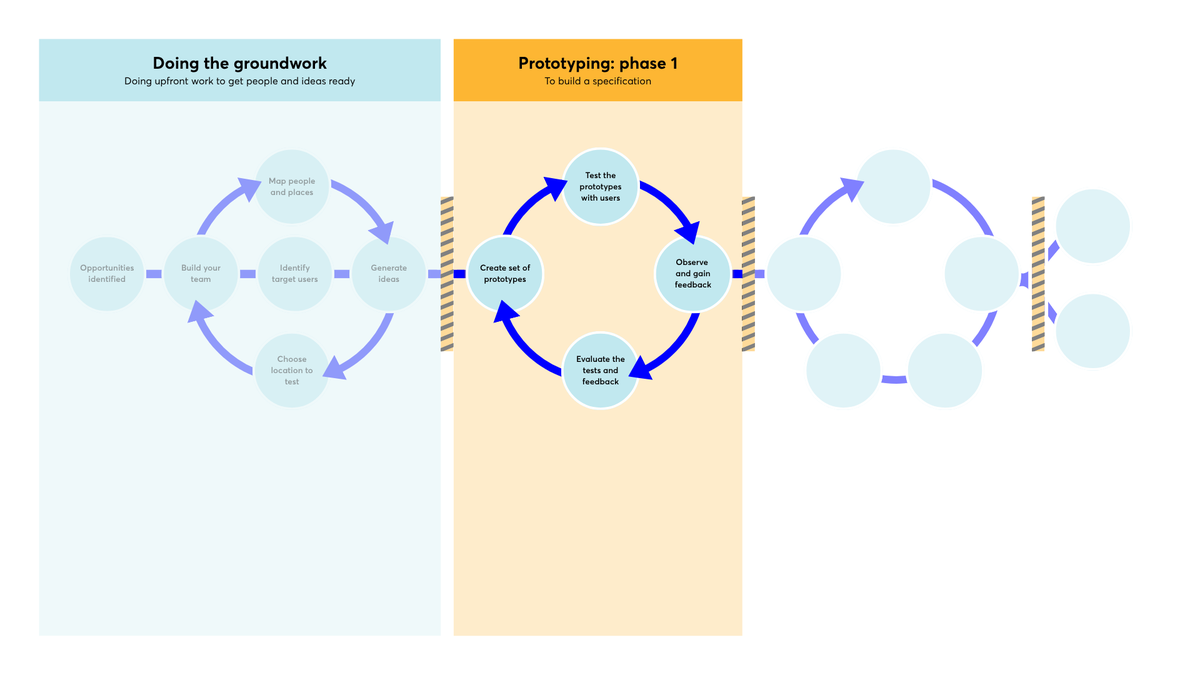
The purpose of this phase is to use prototyping to test different elements of your idea in order to build a clearer specification for your service/product.
During this stage in the process you are really getting stuck into prototyping in different and creative ways.
This stage is deliberately drawn as a cycle, because of its iterative nature. You may need to go through this cycle of activities multiple times before you are ready to move into phase two.
If you were designing a chair for example, this is the stage where you would test out the materials used, the length of the legs, the angle of the seat etc. You are not yet ready to build the chair in its entirety.
Create a set of prototypes
Why?
In order to clarify and test out your idea and elements of your idea with people, it is important to make prototypes that bring your idea to life. Making something tangible for people to see, touch, and understand.
How?
Firstly decide which parts of your service need further thought and clarification. Then decide which elements of the service you need to communicate and discuss with others. It is important to prioritise what you want to prototype according to what you most need to discover. You might be able to prototype everything all at once or you may need to break it down into very small chunks.
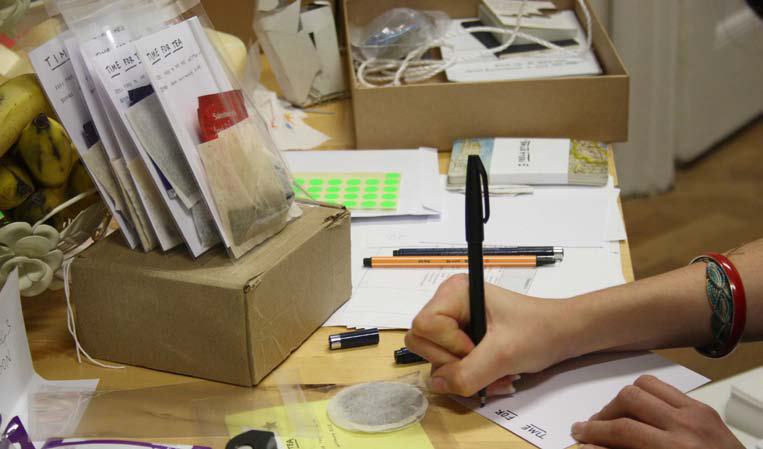
You can create your prototypes in a number of ways, at this stage it is all about making your ideas visual.
Below are two methods that have been used successfully in a local authority context in the past.
See it:
By making storyboards, you can build a visual representation of a service idea, breaking down the service into stages which help structure both your explanation of your idea, and how people feed in their ideas.
A storyboard might not always be appropriate, it could be a simple sketch of your idea.
Build it:
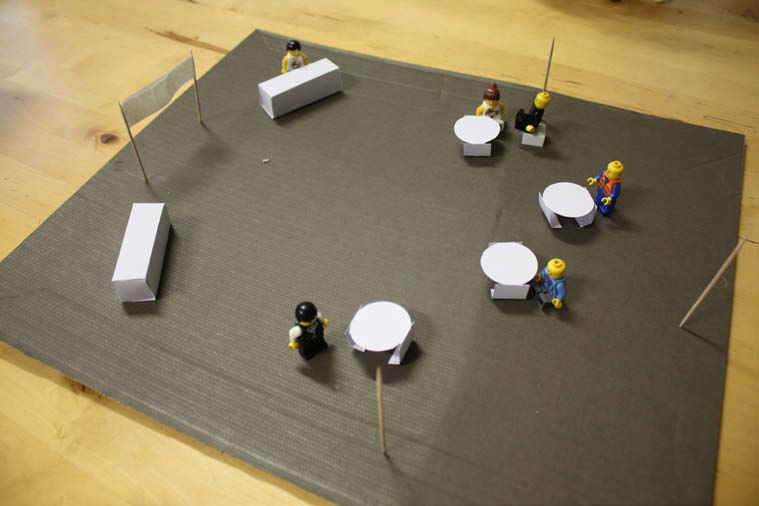
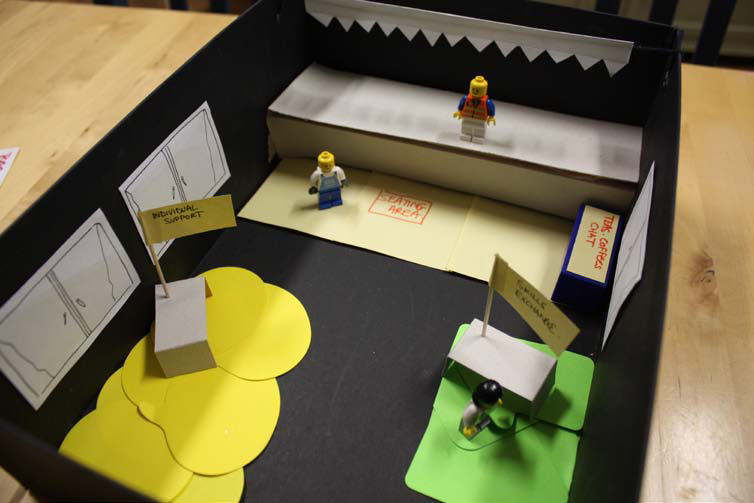
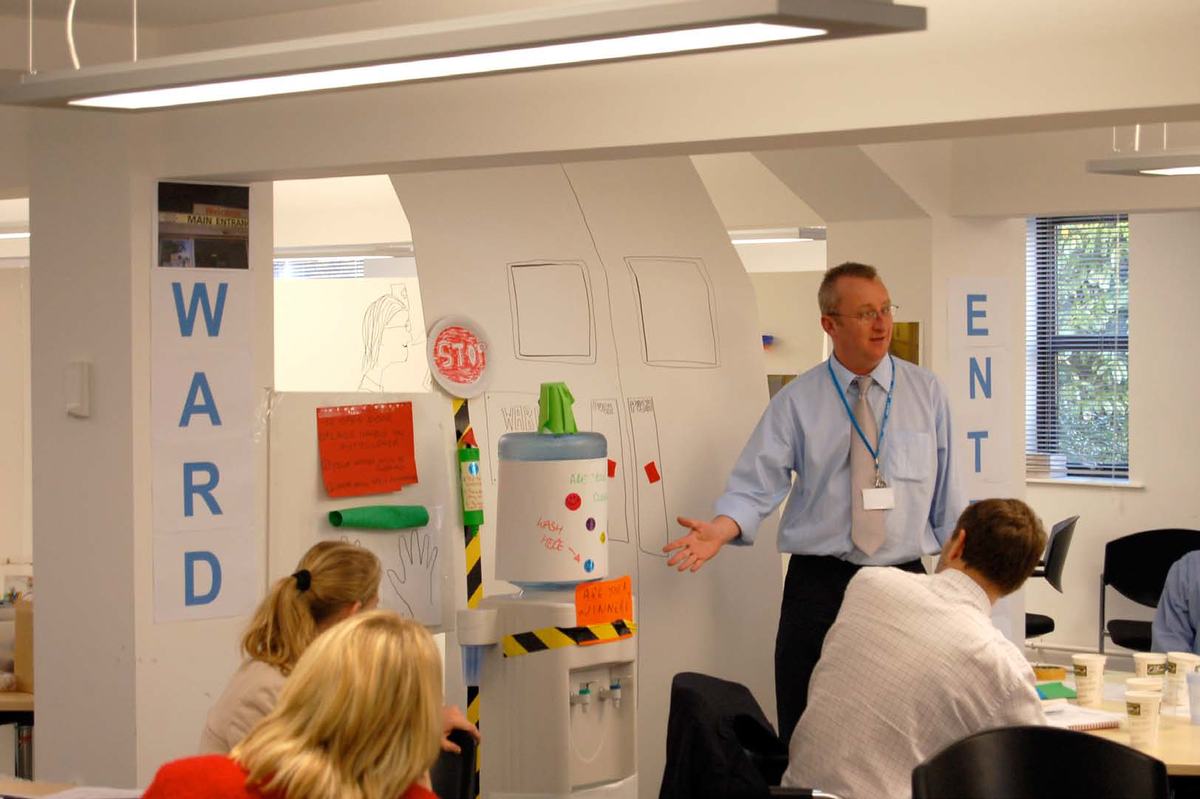
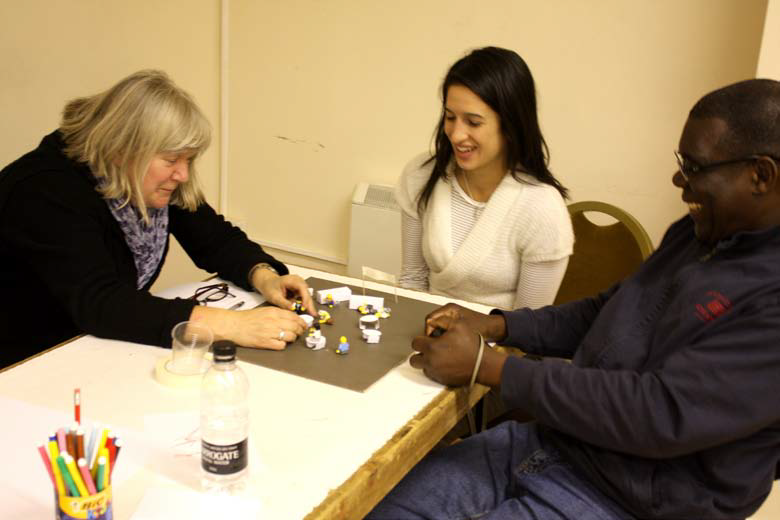
By building low-tech models out of paper and other materials you can make a tangible product, space, or touch-point within a service. This helps people feel and see the idea.
Building materials can include plasticine, Lego and/or cardboard.
When creating prototypes in Barnet, we mocked up basic potential service environments by using Lego as service users and providers, and old shoe-boxes to create the rooms in which the service would be delivered.
Top tip 6
Test and get feedback on prototypes
Why?
Testing your prototypes will help you gain feedback and insight on what works well and what can be improved. Feedback from the testing goes straight into redesigned prototypes. This can be a rapid process, with changes being made quickly along the way.
How?
Consider who you want to gain feedback from, including both service users and the people delivering a service. At this stage, use the expertise in your wider stakeholder group to help you identify the right people to test with.
- Think about what information you want to gain from the testing and write a list to use as a reminder when undertaking the activities.
- Capture key comments and insights using film, photos, written notes, a dictaphone, drawings, or anything else which helps.
Act it:
Role play can be used as a method to help you and your group test out the idea.
For example, if you were prototyping a new way for the customer service staff to greet residents, you could get different people to role play the scenario, testing out different ways this could work.
This is a useful method to use internally if you are testing your ideas within your project team.
Top tip 7
Evaluate
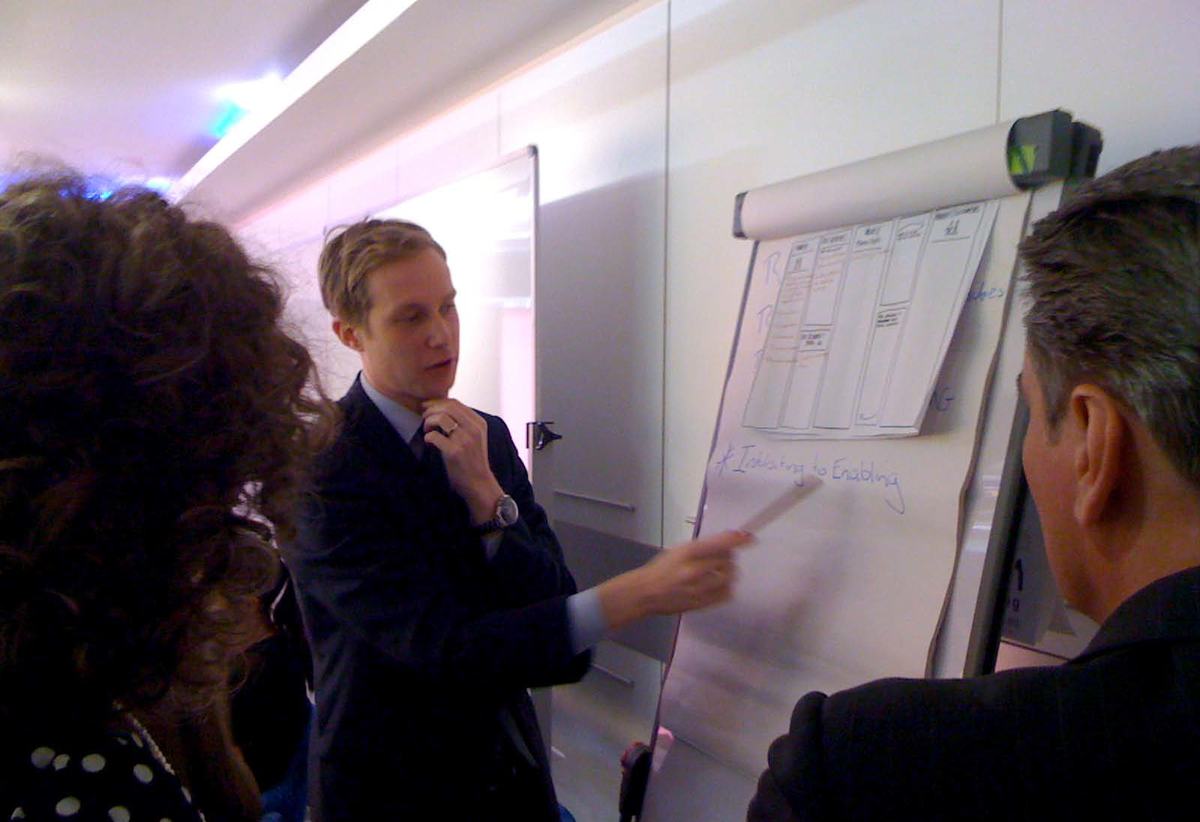
This is the stage where you review your learning from the testing, and use this learning to build a greater understanding of your idea, and make a more developed new set of prototypes.
Why?
Prototyping is an iterative process, as you learn more, your idea will adapt and the testing can continue as these changes happen.
How?
After you have captured insight from the testing, you will need to come back together with your team, review the testing insights, spot opportunities for change, and re-do your prototypes.
Make sure you revisit the testing plan you created in the previous stage. The testing can happen many times before you feel you have sufficient information to move into phase two.