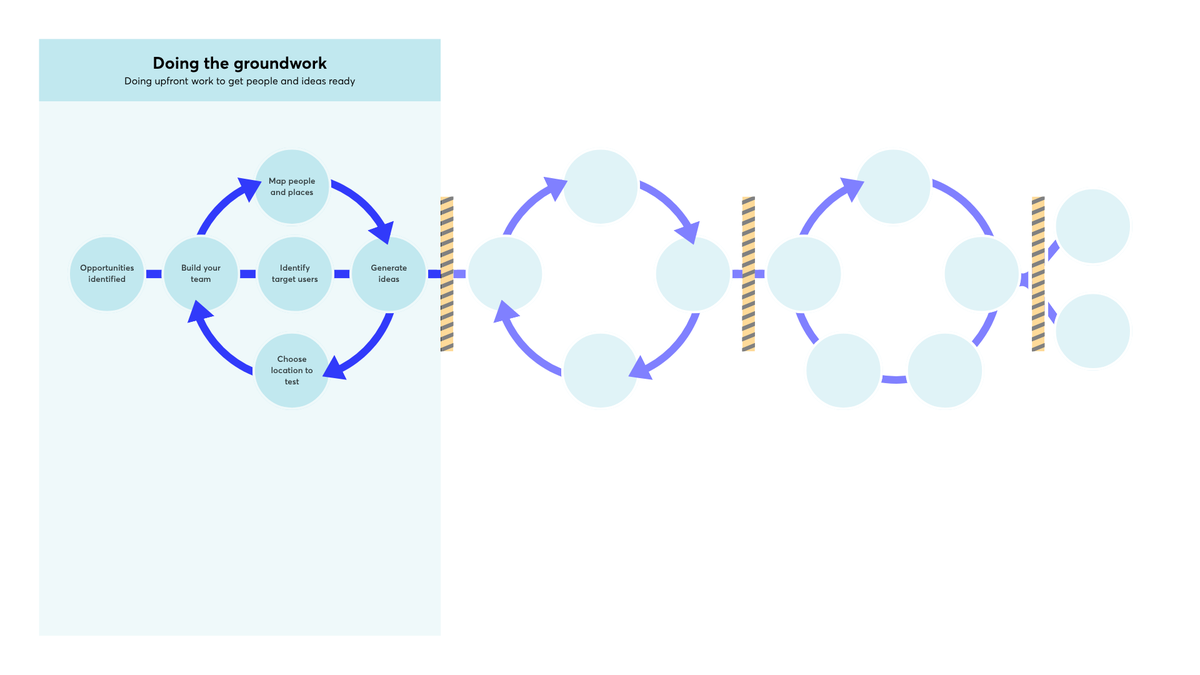
Getting people and ideas ready to prototype.
Identify opportunity
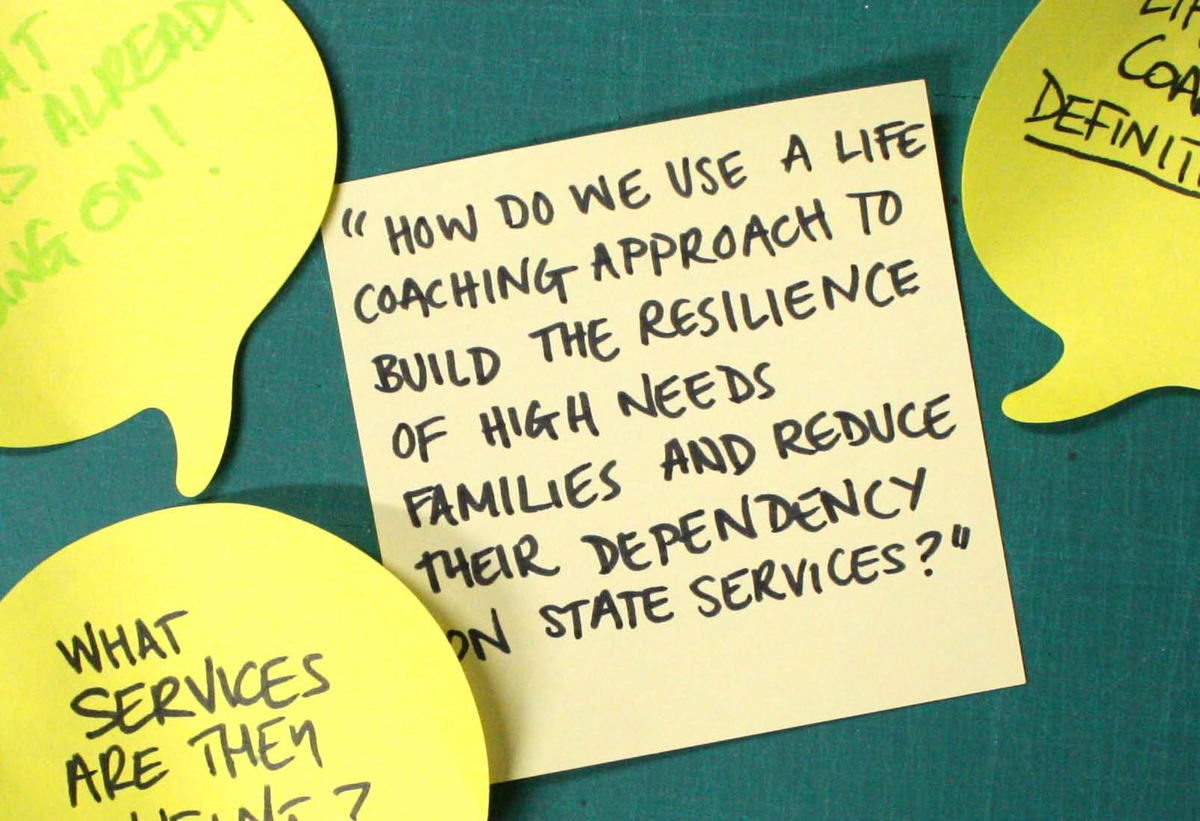
Handwritten questions on yellow post-it notes regarding social services and life coaching
Why?
Before you start a prototyping project you must have identified an opportunity. You need to be able to explain what you want to change, why you want to change it, and how it will benefit service users. Better still if you can also identify what will be different as a result of the prototype.
This will help you get the project off to a good start and help shape the vision and objectives for your project team.
How?
Give yourself time to read through any previous research, and talk to any relevant experts to make sure you fully understand the context of this opportunity.
You might want to turn the opportunity into a question or mission statement to help you frame your work.
Top tip 1
Build your team
Building a team around the opportunity
Why?
It is important to build a strong and diverse team around your opportunity, involving people who can offer different and relevant expertise.
You may need to involve certain community groups to ensure they are involved in the project from the start. You may need to involve commissioners or decision makers to ensure ideas respond to the need and will be affordable. You may want to involve people who have previous experience of the subject or of prototyping.
All of these people will help give you feedback to make your prototyping a success.
How?
- Think about who needs to be involved from all angles; service users, service deliverers, experts, senior leaders.
- Who has knowledge and expertise in the subject?
- Who are the commissioners or decision-makers who will be key to making your idea happen?
- Who will be using or delivering this idea in the future?
- Who has the passion, creativity, and drive to make this project a success?
Try to involve everyone who will be affected.
- Service users
- Deliverers
- Commissioners
- Relevant community organisations
Top tip 2
Map existing services
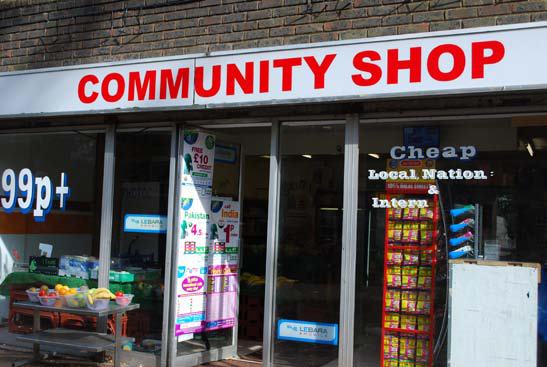
The storefront of a local community shop advertising cheap international calling rates
Why?
To get a clearer idea of what is currently happening, where there are gaps and overlaps and what you can learn from them.
It will also help inspire you about the different models currently being used.
How?
A lot of this information will be available on-line. You could also talk to expert individuals or organisations who can help you build this picture.
And don’t just think about council services. Consider who is active in the community and where informal services might be on offer?
Top tip 3
Choose a location to test

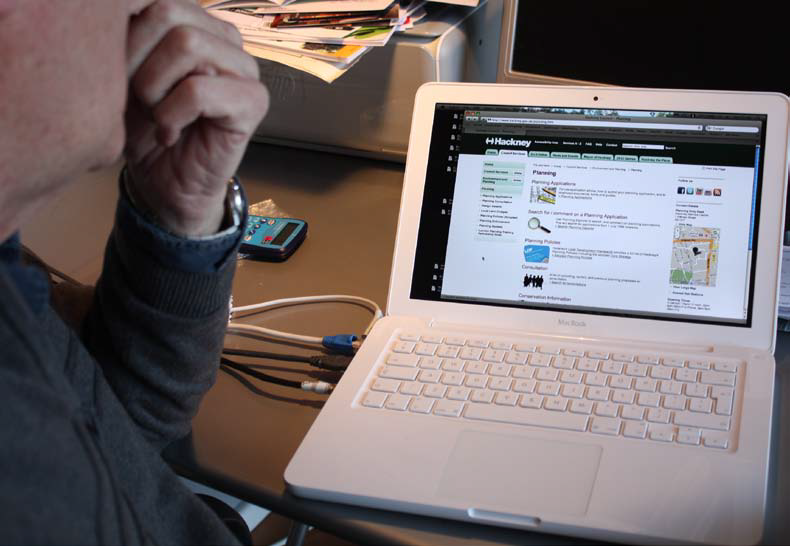


A test site will enable you to have one consistent place were you can run your testing. This could be a community, a building, a website, or a department within the council.
By having a clear idea of the opportunity you should be able to identify a suitable test site. Link with other individuals and organisations who have knowledge in the test site to help you create the right connections.
Top tip 4
Identify target users


Why?
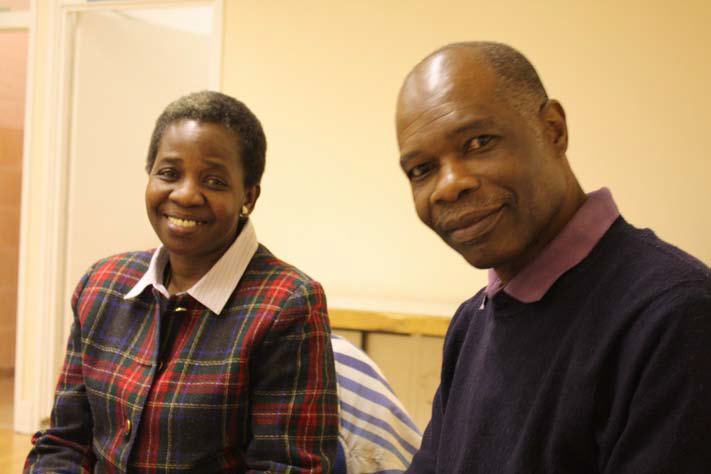
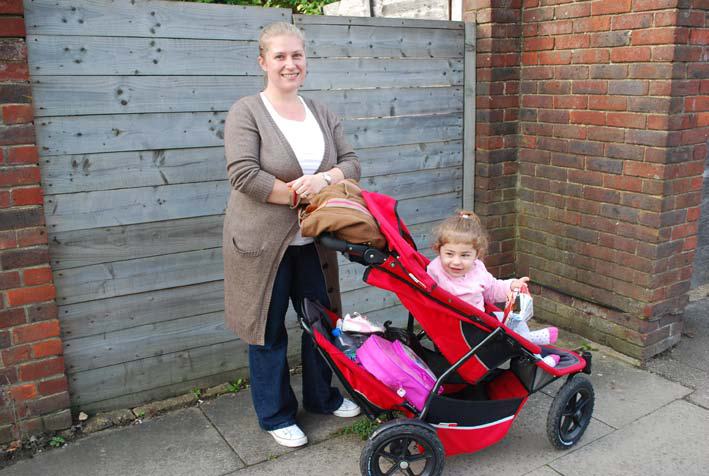
In order to test your idea with the right people, you must identify up-front who you will need to involve in the prototyping. While some prototyping activities could be done internally within the project team, there will be some that require a wider test group.
How?
Use trusted links into networks and communities to help you identify and connect with the right people. When deciding who to involve in the testing, think about:
- Who might be involved in the service/idea in the future?
- Who knows the target group well and would have insight to share?
- Who has experience and knowledge that will build your knowledge of the idea?
Top tip 5
Generate ideas

Why?
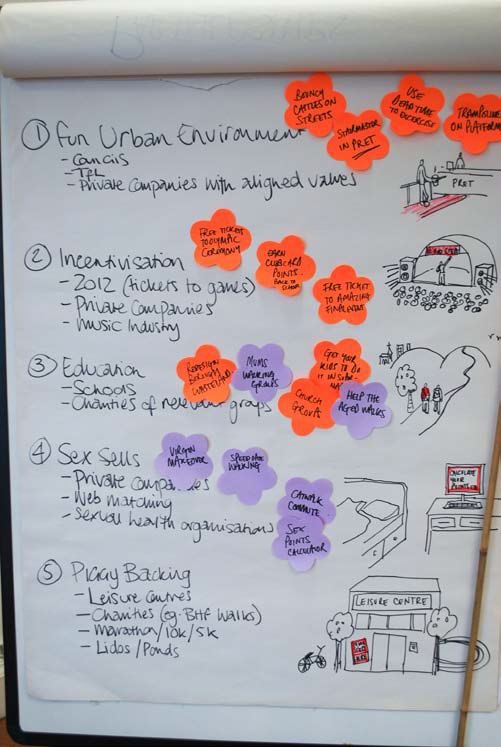
Before you start prototyping, you will need to turn your opportunity into an idea. You will not be able to prototype something that is not a defined idea.
How?
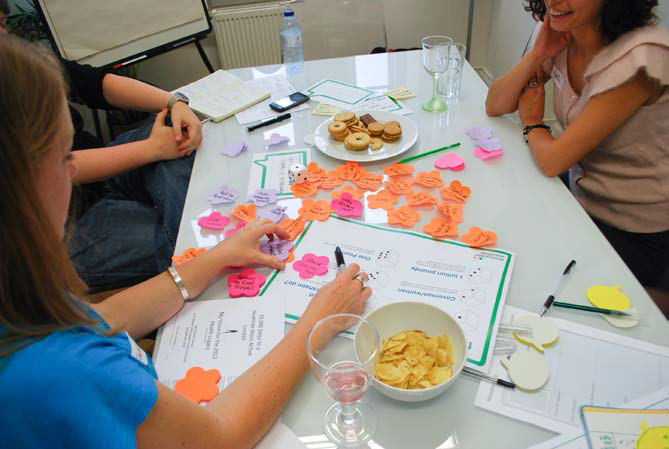
Get people within your team together to attend a brainstorming session. Use the research you have around your opportunity to inspire their thinking.
Encourage the team to think differently and generate bold and innovative ideas. You could get an external facilitator to help you in the session, to challenge the team to think differently. You could also try running the session in a different place, somewhere people find unfamiliar and inspiring.