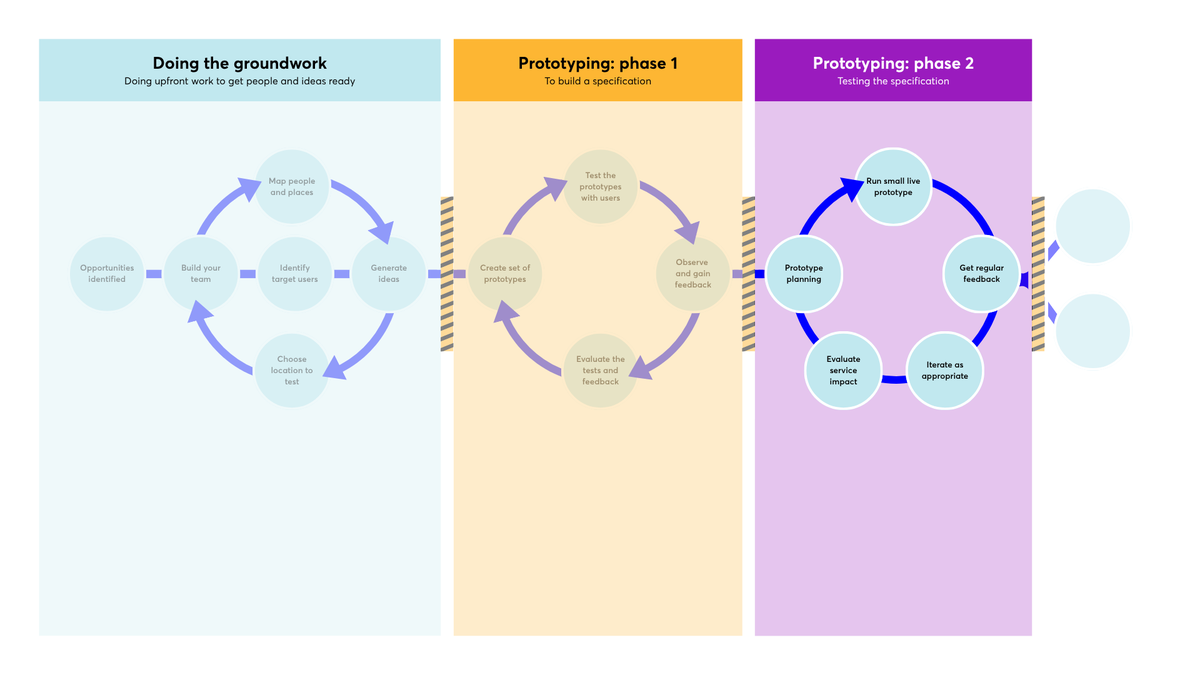
Testing the specification.
The purpose of this phase is to use all your learning from phase one to build a more complete model of your service/product to test in a real situation. This is called live prototyping.
If designing a chair, for example, in phase one, you would have learned about the materials used, the length and angle of the legs, and the height of the back and you are ready to build a complete chair. This phase would let you give the chair to your target consumer to test out over a period of time and get much more in-depth feedback.
Live prototyping plan
Why?
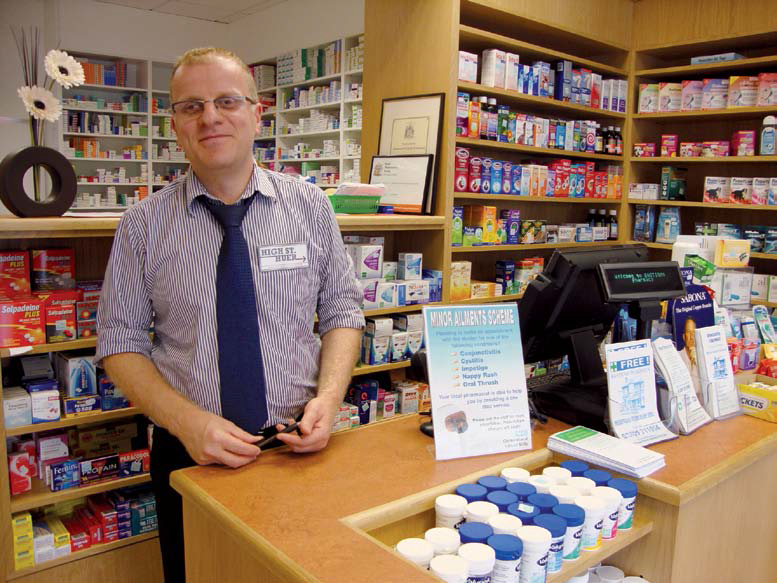
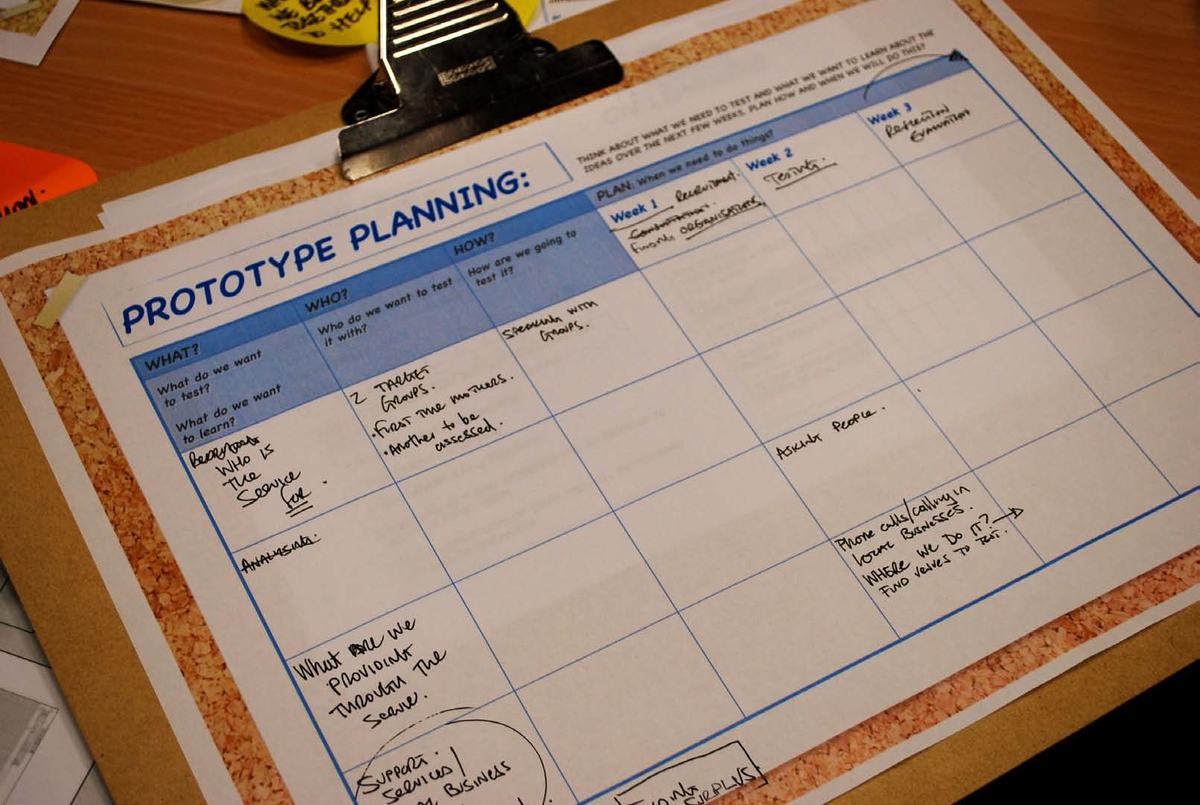
To plan how you want to gain more detailed feedback from users in a ‘real world’ environment about what works well and what can be improved.
How?
Work with your team to build a complete specification of your idea and turn this into a working model. This could be a product or a service.
Measurement
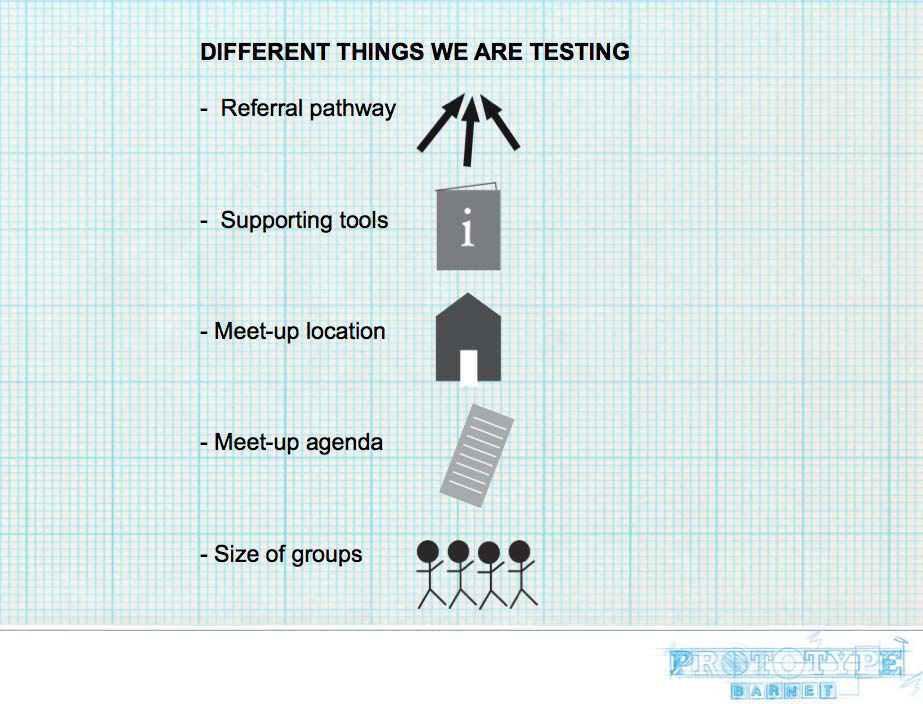
Identify what you want to test and how you will do this. There may be a number of things, and it is important that you keep focused on these throughout the testing to ensure you are structuring your learning.
When you have identified what you want to test, think about how you will know you’ve achieved success. For example, when live prototyping the Community Coach service, one of the things we wanted to test was the support required by volunteers. Success would mean that the volunteers felt supported and self-confident and did not rely on support outside of the peer group.
Whilst this is happening, set up an internal meeting to plan potential business models. Bring in key advisors and commissioners. Be focused on what data you need to collect during live testing to support the business model and scale of your idea.
Top tip 8
Iterate as you prototype
Why?
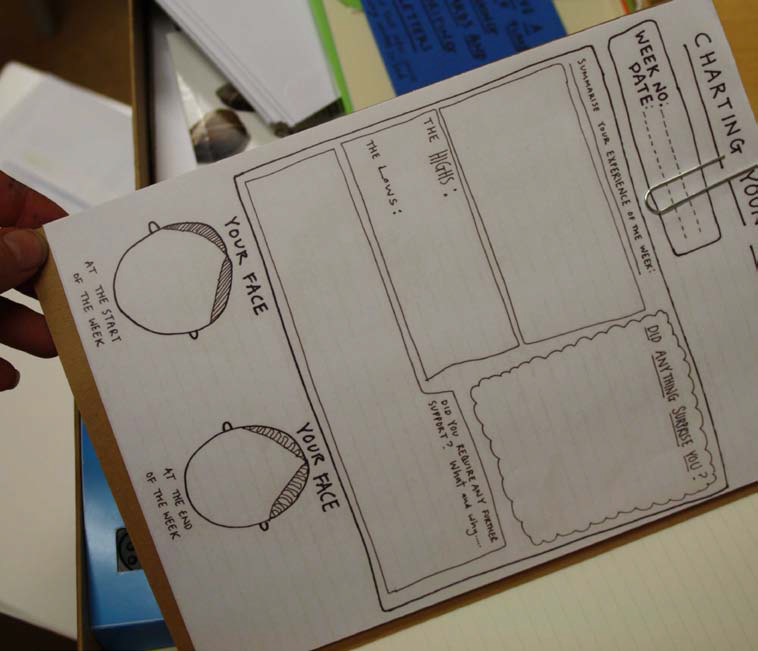
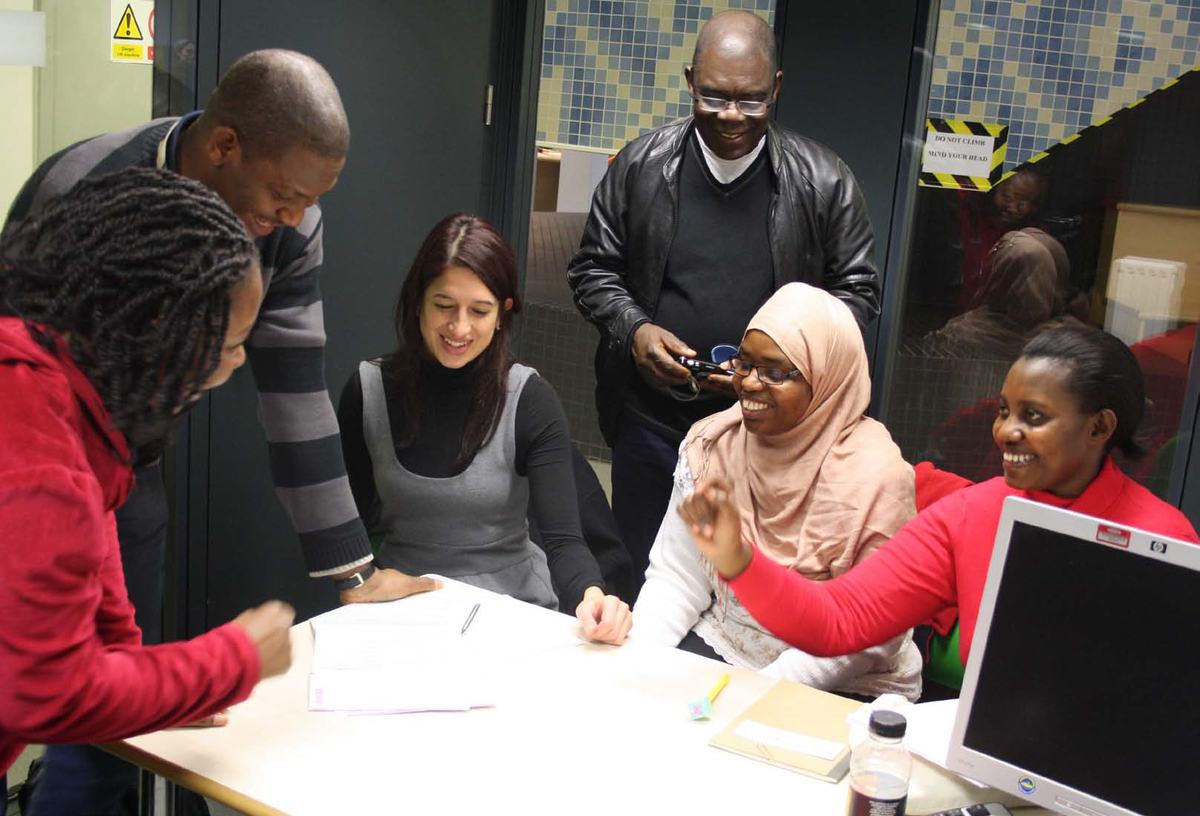
During the live prototyping you should still feel able to quickly redesign and improve existing prototypes based on peoples’ feedback and your observations.
How?
Consider what is the best way to gain feedback on what works well and what can be improved.
Use different approaches to gain feedback; ask for people’s verbal feedback, watch and observe people using the prototypes (often, what they say, think or will do, is different from how they actually interact).
Take the key insights from the feedback and think about ways to redesign the service touch-point accordingly.
For example, based on feedback and observation of how the support for volunteers worked, we were able to establish some of the most effective methods and levels of support.
Top tip 9
Evaluate against original testing plan
A graphic outlining five different test variables with their corresponding visual icons
Why?
At this final stage you are in a position to pull all your learning together from phase one and
two and make decisions about what your product or service should be and how it should work.
How?
Bring your team back together for a reviewing insights working session. Include some outside influence in this session to bring a fresh perspective. It is likely you will be immersed in the project and fresh eyes will be useful.
There will be a few conclusions to this session:
- You have sufficient information and insight in order to build a final blueprint or business plan for your idea. This will move you to pause point three.
- You identify some areas where more information is needed, and you go through phase two again with a revised specification.
- There are a great number of areas in the idea that need further development. Go through pause point one again into phase one.
Top tip 10