Introduction to prototyping
Prototyping is an approach to developing, testing and improving an idea at an early stage before you commit a lot of resources to it. The prototyping process outlined in this toolkit was developed by Nesta and thinkpublic.
Updated 13 August 2026
It should be useful for any organisation or individual with a new untested idea. It will provide some background information on why to use prototyping, when, what and how to do it, and who to do it with.
Key features
- Take our simple quiz before you start
- Find a visual map of what to do when
- Get top tips at every stage of the process
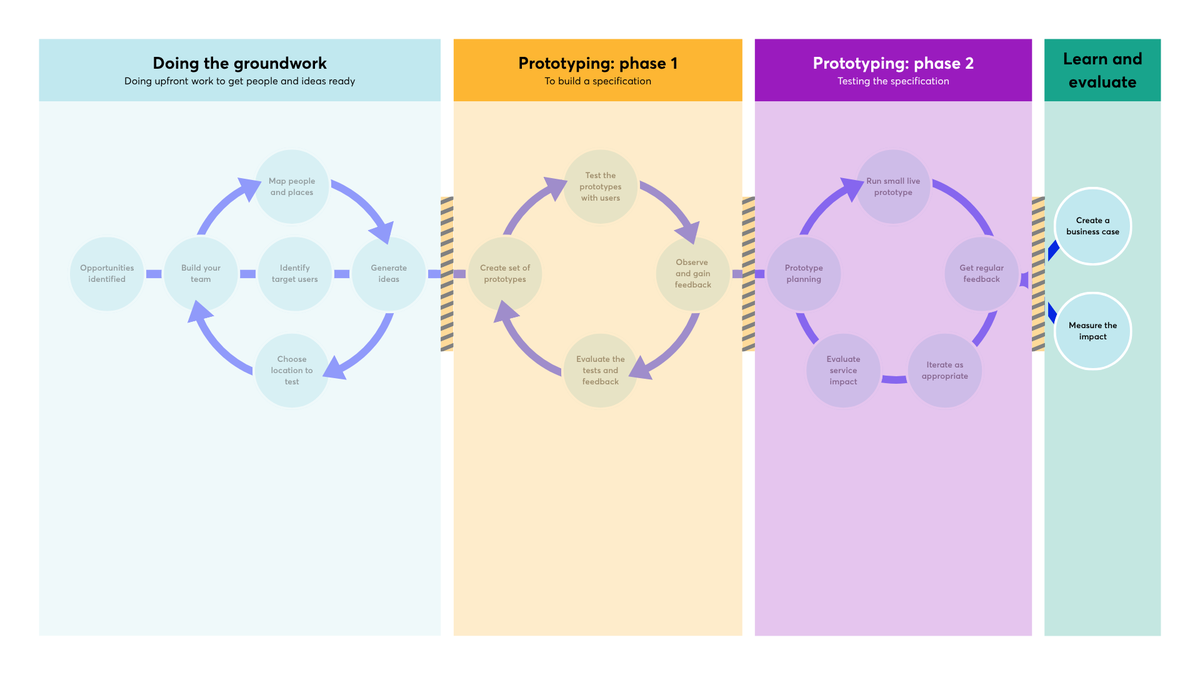
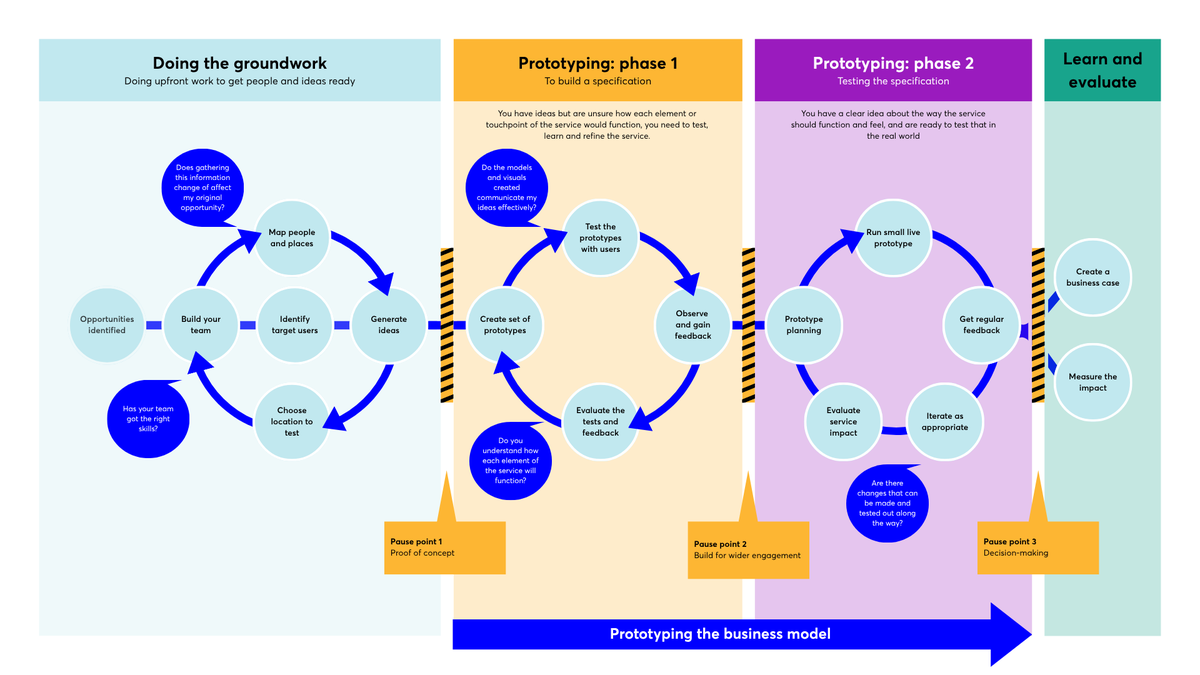
Depending on what you are prototyping, you may find stages of this process are more relevant than others, but the diagram provides a framework which will allow you structure your approach.
What actually is prototyping?
Prototyping is an approach to developing, testing, and improving ideas at an early stage before large-scale resources are committed to implementation. It is a way of project and team working which allows you to experiment, evaluate, learn, refine and adapt. Ensuring that ideas are fully explored before any conclusions are drawn.
Prototyping:
- involves relevant people at an early stage
- develops ideas with the people who will help you find the answers
- makes ideas tangible and tests them
- refines those ideas
- informs and improves any eventual project framework for change
Why would I use a prototyping approach?
- Prototyping allows you to try out your ideas without the pressure of getting everything right straight away.
- Prototyping also enables you to involve a wide range of stakeholders in the testing process, providing a better understanding of how your ideas will work.
- Compared to a pilot, prototyping is a low-cost process and can be done within short to medium timescales.
- Prototyping also provides an iterative learning approach so ideas can develop as you go along.
You should think about prototyping before you start thinking about piloting. Prototyping is not an alternative to piloting. It helps you build a better specification for what a pilot might be. It may even help you see that your idea isn't going to work and save you the time and cost of a pilot.
How do I do it?
The prototyping process outlined in this document was developed through the Prototype Barnet project, which used this process to build and test a proposed new service called Community Coaches.
Depending on what you are prototyping, you may find different stages of this process are more relevant than others, but the diagram provides a framework from which you can structure your own approach.
During the Prototype Barnet project, many of the stakeholders felt the language around prototyping was inaccessible. So we asked some people from the council to share a story of where they had prototyped something in their own life.

"When cooking a new recipe I prototype. I try the recipe on myself first, and make small changes as I go along, adding more flavour here and there, and writing in my recipe book what I would change next time. I'd then try the recipe out again with some friends making the changes I'd learnt the first time, and see how they like it. I would probably just keep making small changes to recipes until I found the perfect combination of flavours. It is rare that you'd get it right first time"
Council employee

"I recently prototyped my journey to work. I moved house and wanted to know the best route in, so I tested out three modes of transport. The first day I got the train, the second day I took the bus, the third day I cycled. I wanted to know which was quicker, cheaper, and which was most enjoyable. Cycling turned out to be the cheapest and the nicest, so I've opted for that, except on Tuesdays when I need to be early, so I use the train... we test things out all the time, without calling it prototyping"
Council employee
Before you begin
Take our quiz to test your readiness for prototyping.
Prototyping readiness quiz
Doing the ground work
Getting people and ideas ready to prototype.
Identify opportunity
Handwritten questions on yellow post-it notes regarding social services and life coaching
Why?
Before you start a prototyping project you must have identified an opportunity. You need to be able to explain what you want to change, why you want to change it, and how it will benefit service users. Better still if you can also identify what will be different as a result of the prototype.
This will help you get the project off to a good start and help shape the vision and objectives for your project team.
How?
Give yourself time to read through any previous research, and talk to any relevant experts to make sure you fully understand the context of this opportunity.
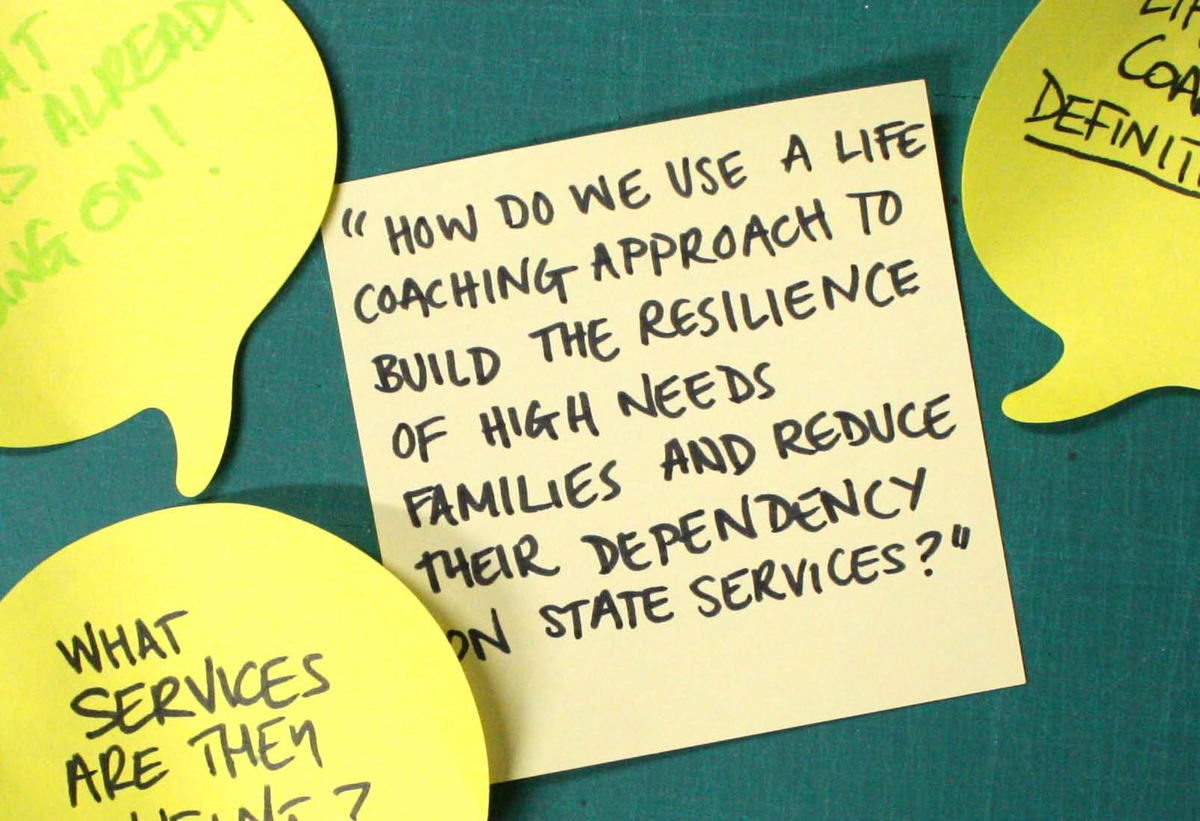
You might want to turn the opportunity into a question or mission statement to help you frame your work.
Top tip 1
Build your team
Building a team around the opportunity
Why?
It is important to build a strong and diverse team around your opportunity, involving people who can offer different and relevant expertise.
You may need to involve certain community groups to ensure they are involved in the project from the start. You may need to involve commissioners or decision makers to ensure ideas respond to the need and will be affordable. You may want to involve people who have previous experience of the subject or of prototyping.
All of these people will help give you feedback to make your prototyping a success.
How?
- Think about who needs to be involved from all angles; service users, service deliverers, experts, senior leaders.
- Who has knowledge and expertise in the subject?
- Who are the commissioners or decision-makers who will be key to making your idea happen?
- Who will be using or delivering this idea in the future?
- Who has the passion, creativity, and drive to make this project a success?
Try to involve everyone who will be affected.
- Service users
- Deliverers
- Commissioners
- Relevant community organisations
Top tip 2
Map existing services
The storefront of a local community shop advertising cheap international calling rates
Why?
To get a clearer idea of what is currently happening, where there are gaps and overlaps and what you can learn from them.
It will also help inspire you about the different models currently being used.
How?
A lot of this information will be available on-line. You could also talk to expert individuals or organisations who can help you build this picture.
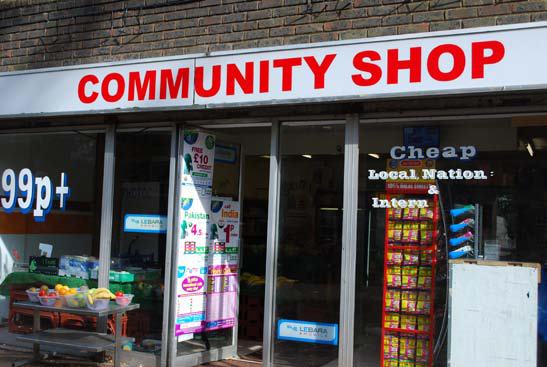
And don’t just think about council services. Consider who is active in the community and where informal services might be on offer?
Top tip 3
Choose a location to test

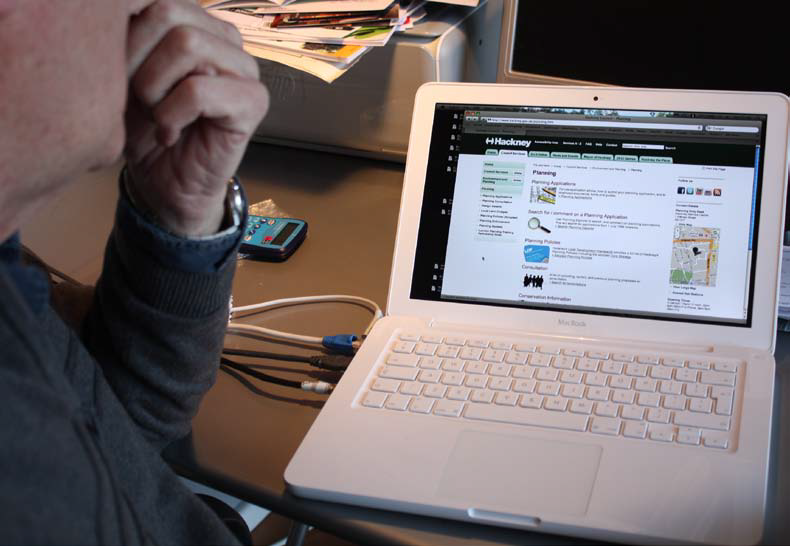
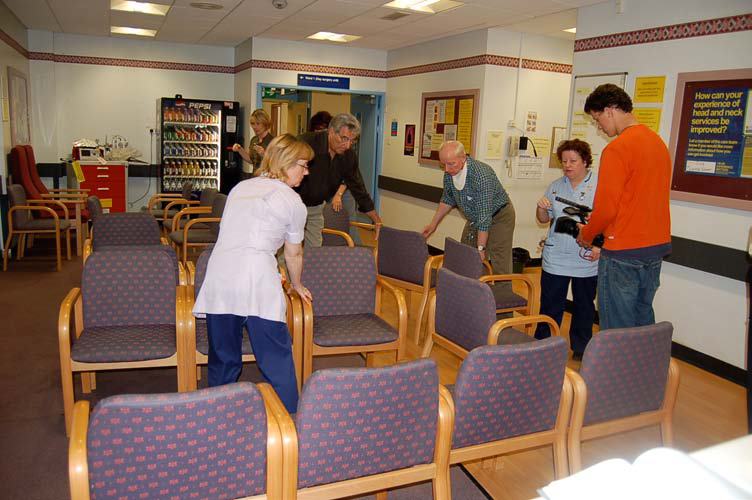
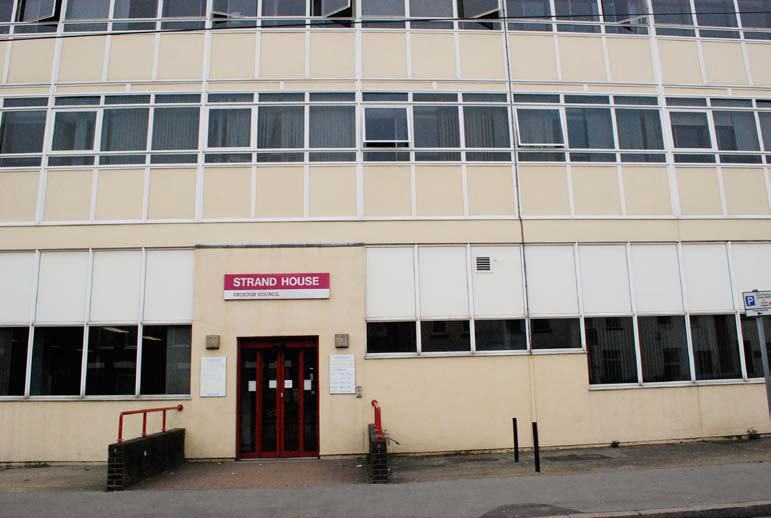
A test site will enable you to have one consistent place were you can run your testing. This could be a community, a building, a website, or a department within the council.
By having a clear idea of the opportunity you should be able to identify a suitable test site. Link with other individuals and organisations who have knowledge in the test site to help you create the right connections.
Top tip 4
Identify target users
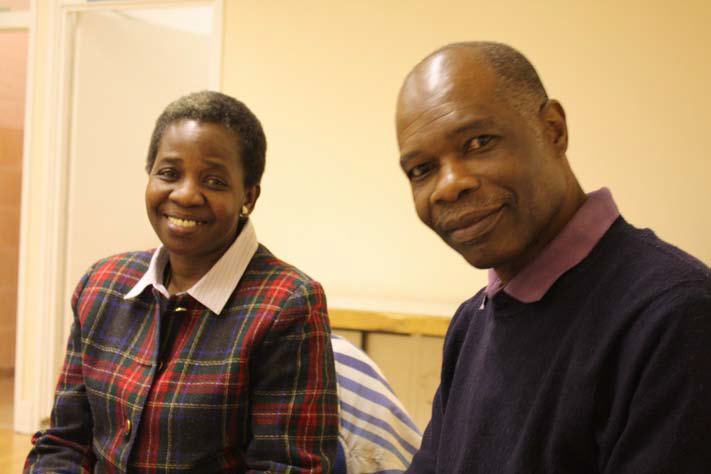


Why?
In order to test your idea with the right people, you must identify up-front who you will need to involve in the prototyping. While some prototyping activities could be done internally within the project team, there will be some that require a wider test group.
How?
Use trusted links into networks and communities to help you identify and connect with the right people. When deciding who to involve in the testing, think about:
- Who might be involved in the service/idea in the future?
- Who knows the target group well and would have insight to share?
- Who has experience and knowledge that will build your knowledge of the idea?
Top tip 5
Generate ideas
Why?
Before you start prototyping, you will need to turn your opportunity into an idea. You will not be able to prototype something that is not a defined idea.
How?
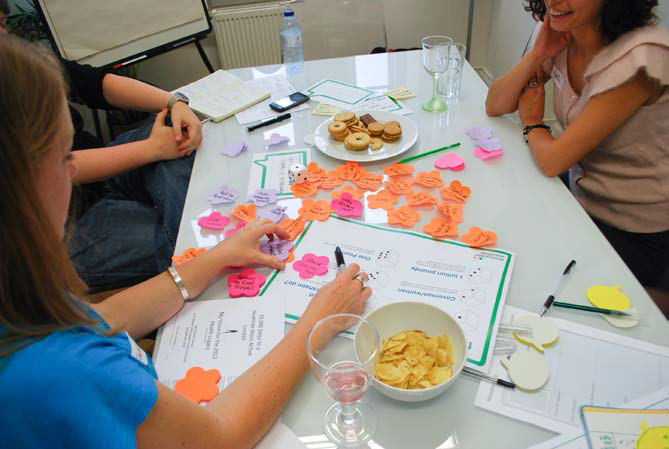
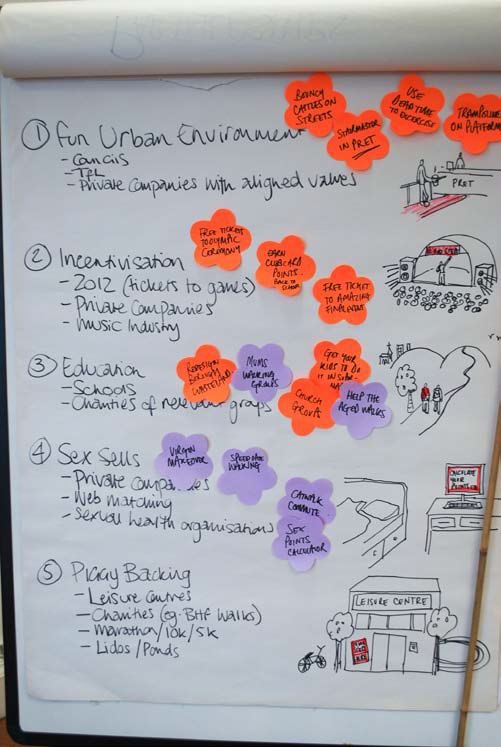
Get people within your team together to attend a brainstorming session. Use the research you have around your opportunity to inspire their thinking.
Encourage the team to think differently and generate bold and innovative ideas. You could get an external facilitator to help you in the session, to challenge the team to think differently. You could also try running the session in a different place, somewhere people find unfamiliar and inspiring.
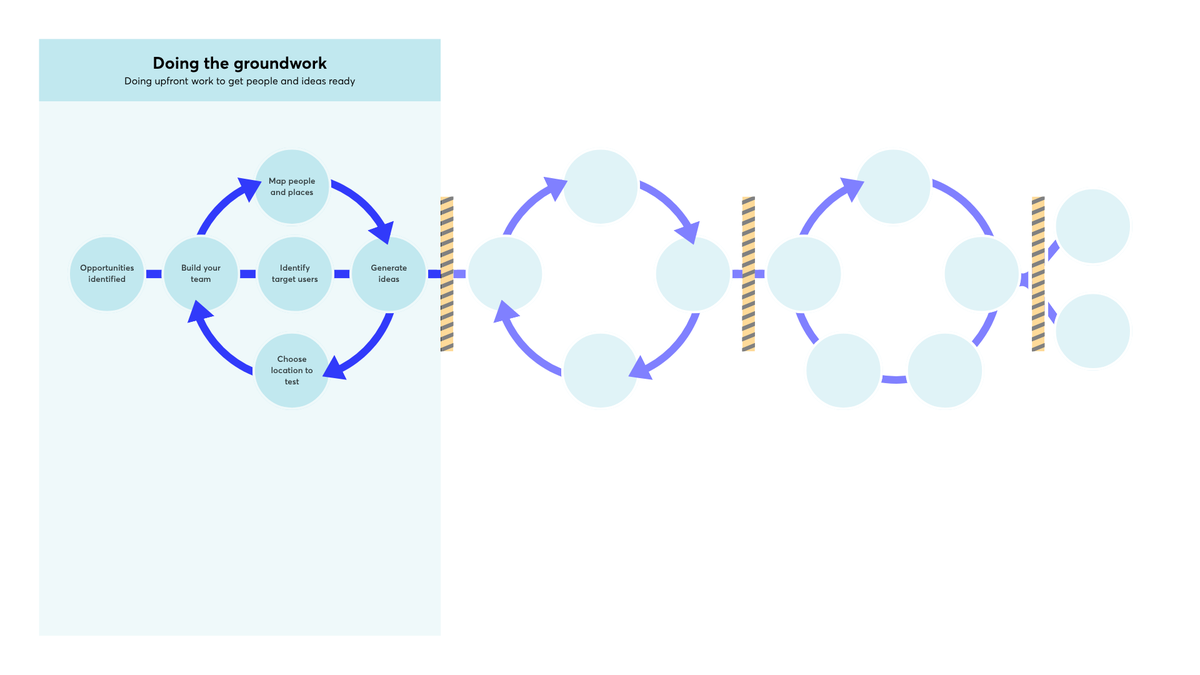
Pause point one
Before you start to prototype your idea(s), you need to prove the concept.
A proof of concept is a demonstration of an idea which is usually still incomplete. This could be a verbal, written or visual demonstration, and is used to establish whether the idea is likely to work.
The idea must be formed enough that it can be communicated and tested, but not so locked down as to be inflexible.
It is also important here to start thinking about the sustainability and business model for your idea.
How?
Select a group of people who will be able to offer you the insight required to prove the concept.
You will need to involve:
- The decision-makers, the people who need to give you permission to take this idea into prototyping and beyond.
- Investors or commissioners who would know if there are resources to develop the idea, what kind of regulation might be expected, how saturated the market is, and what kind of demand there has been for similar products, as well as what sort of competition exists.
Once you have proved the concept with the relevant people, then the prototyping can begin.
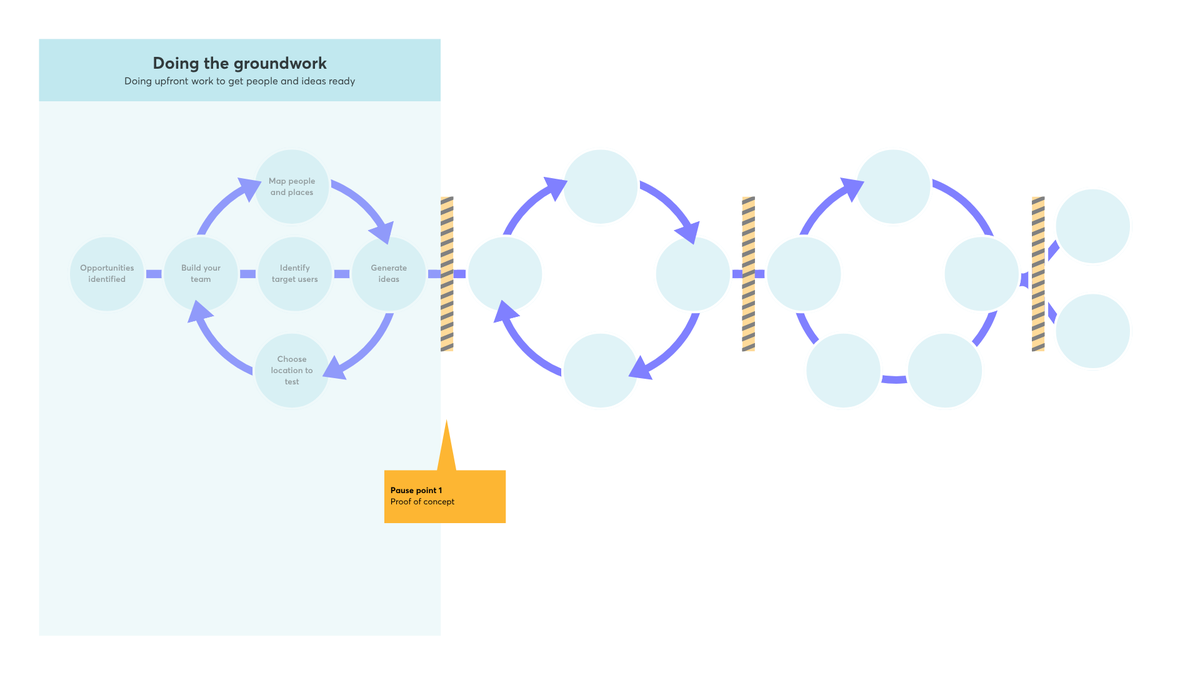
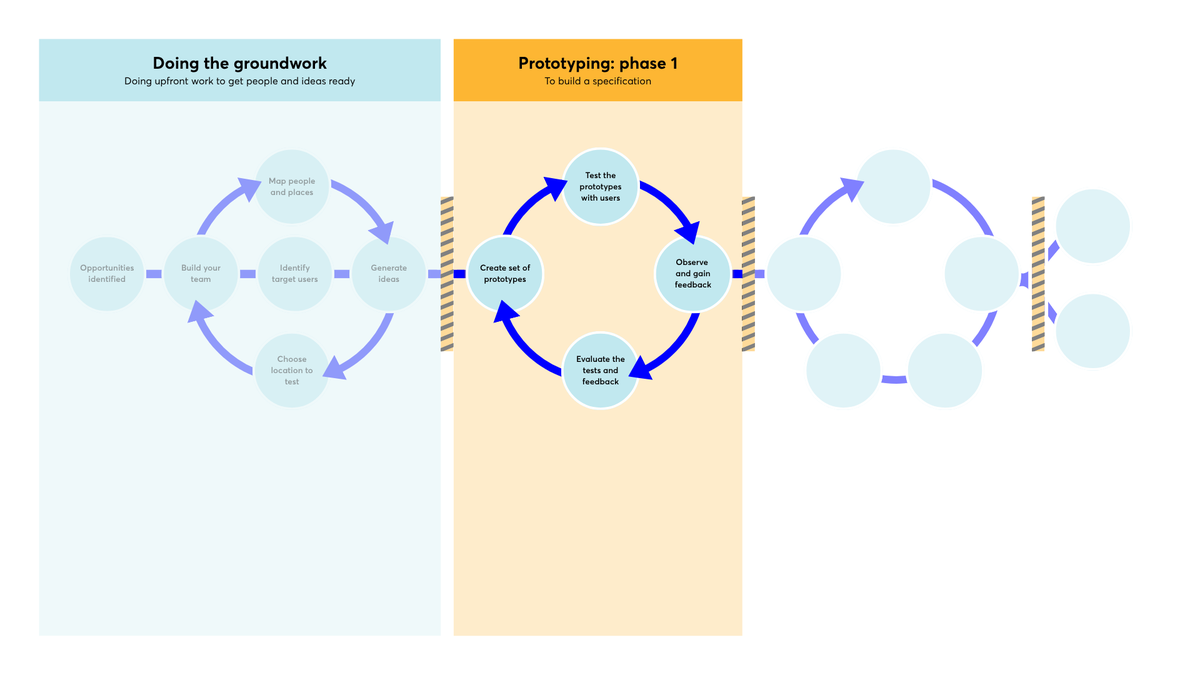
Prototyping: phase one
Building a specification.
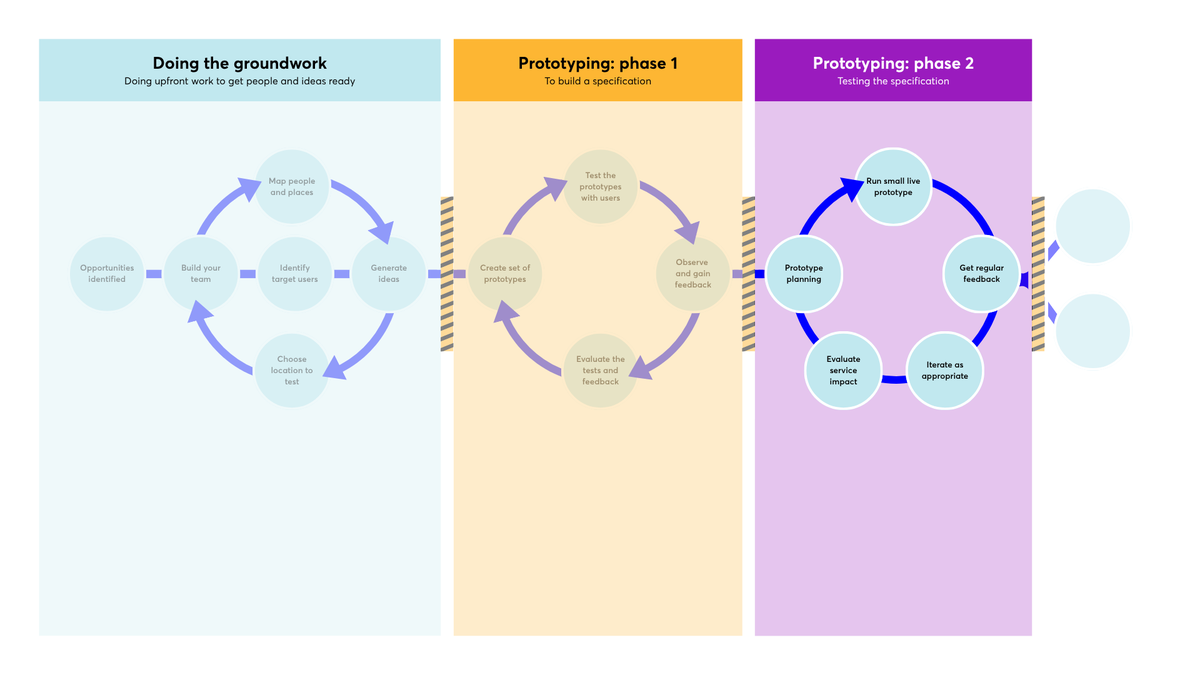
The purpose of this phase is to use prototyping to test different elements of your idea in order to build a clearer specification for your service/product.
During this stage in the process you are really getting stuck into prototyping in different and creative ways.
This stage is deliberately drawn as a cycle, because of its iterative nature. You may need to go through this cycle of activities multiple times before you are ready to move into phase two.
If you were designing a chair for example, this is the stage where you would test out the materials used, the length of the legs, the angle of the seat etc. You are not yet ready to build the chair in its entirety.
Create a set of prototypes
Why?
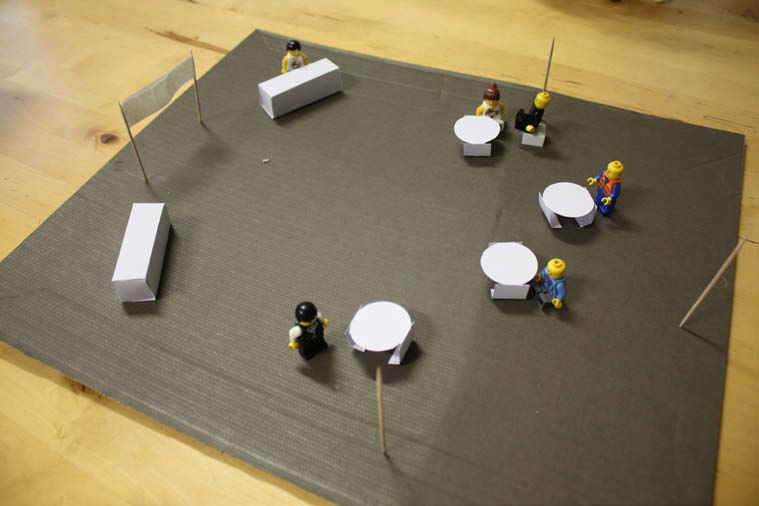
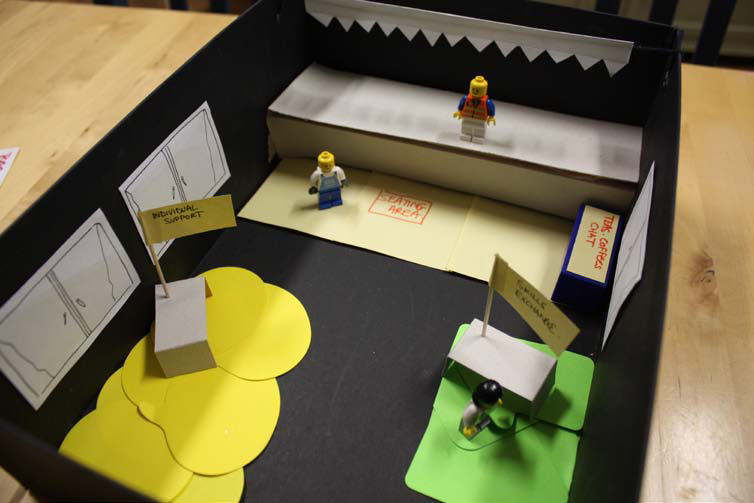
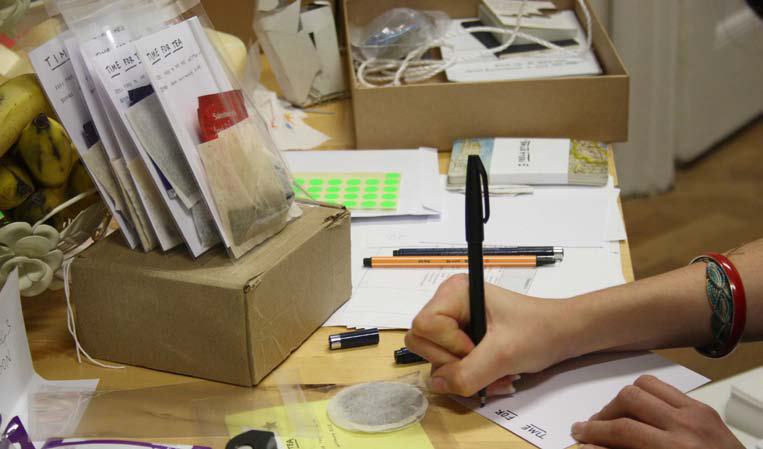
In order to clarify and test out your idea and elements of your idea with people, it is important to make prototypes that bring your idea to life. Making something tangible for people to see, touch, and understand.
How?
Firstly decide which parts of your service need further thought and clarification. Then decide which elements of the service you need to communicate and discuss with others. It is important to prioritise what you want to prototype according to what you most need to discover. You might be able to prototype everything all at once or you may need to break it down into very small chunks.
You can create your prototypes in a number of ways, at this stage it is all about making your ideas visual.
Below are two methods that have been used successfully in a local authority context in the past.
See it:
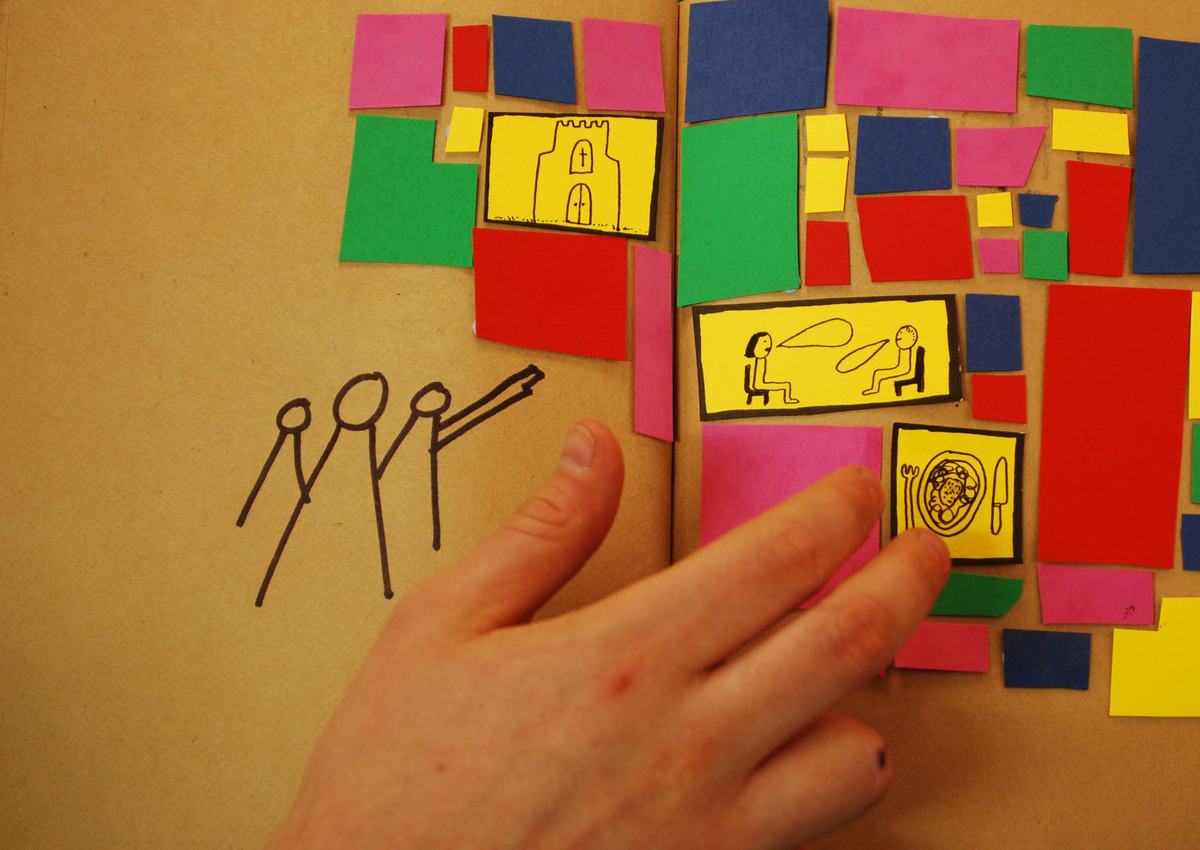
By making storyboards, you can build a visual representation of a service idea, breaking down the service into stages which help structure both your explanation of your idea, and how people feed in their ideas.
A storyboard might not always be appropriate, it could be a simple sketch of your idea.
Build it:
By building low-tech models out of paper and other materials you can make a tangible product, space, or touch-point within a service. This helps people feel and see the idea.
Building materials can include plasticine, Lego and/or cardboard.
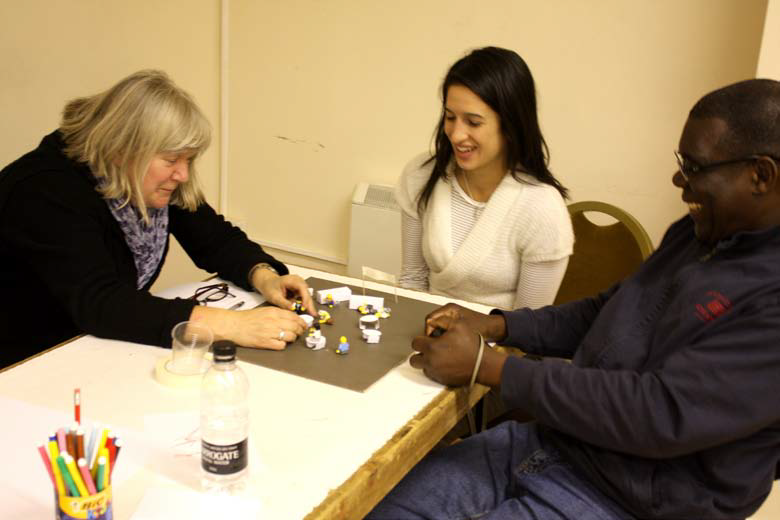
When creating prototypes in Barnet, we mocked up basic potential service environments by using Lego as service users and providers, and old shoe-boxes to create the rooms in which the service would be delivered.
Top tip 6
Test and get feedback on prototypes
Why?
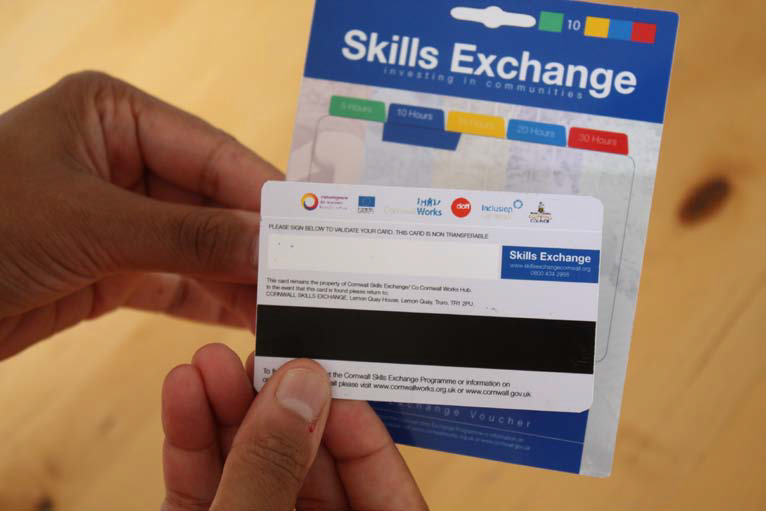
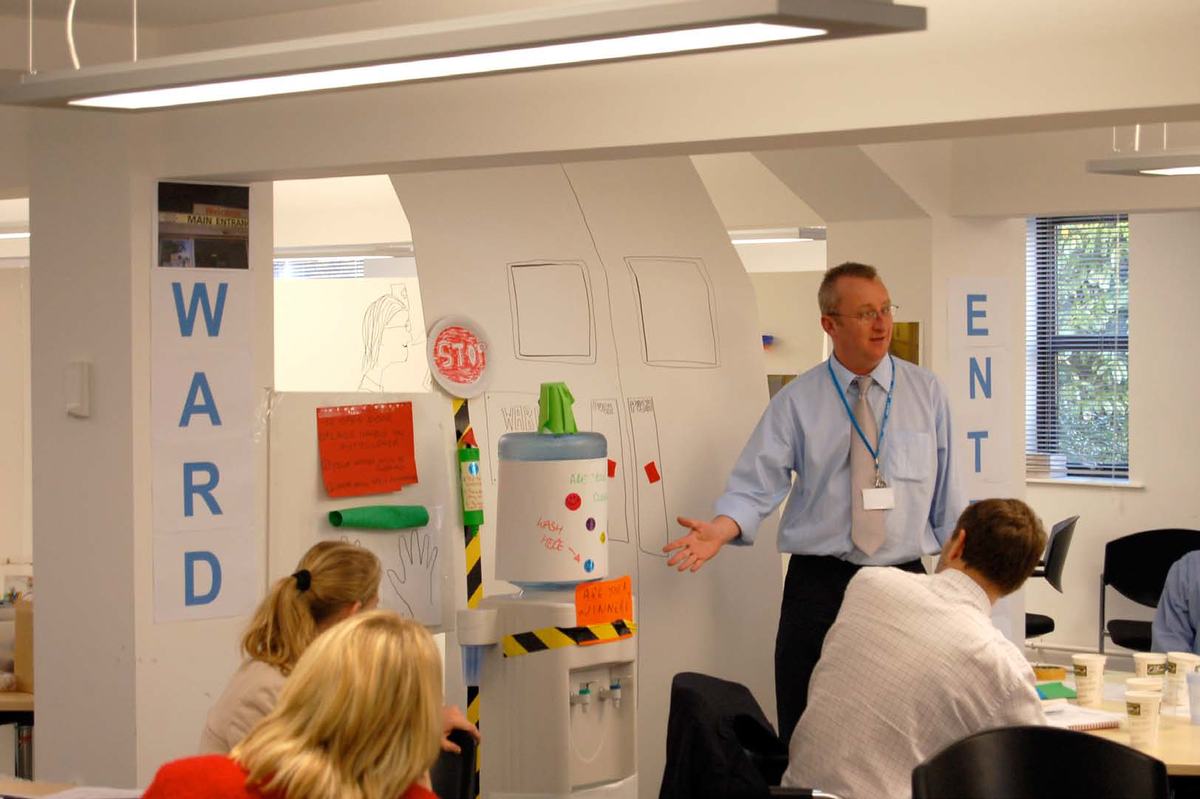
Testing your prototypes will help you gain feedback and insight on what works well and what can be improved. Feedback from the testing goes straight into redesigned prototypes. This can be a rapid process, with changes being made quickly along the way.
How?
Consider who you want to gain feedback from, including both service users and the people delivering a service. At this stage, use the expertise in your wider stakeholder group to help you identify the right people to test with.
- Think about what information you want to gain from the testing and write a list to use as a reminder when undertaking the activities.
- Capture key comments and insights using film, photos, written notes, a dictaphone, drawings, or anything else which helps.
Act it:
Role play can be used as a method to help you and your group test out the idea.
For example, if you were prototyping a new way for the customer service staff to greet residents, you could get different people to role play the scenario, testing out different ways this could work.
This is a useful method to use internally if you are testing your ideas within your project team.
Top tip 7
Evaluate
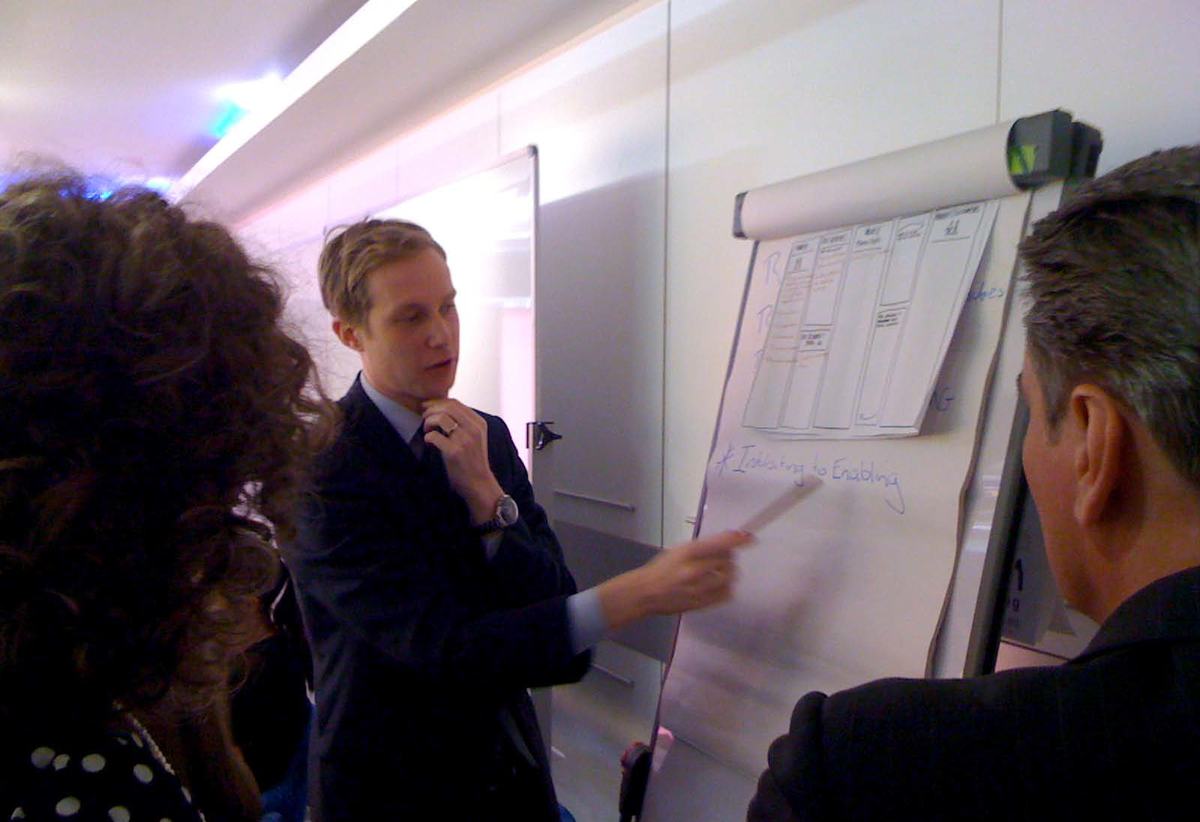
This is the stage where you review your learning from the testing, and use this learning to build a greater understanding of your idea, and make a more developed new set of prototypes.
Why?
Prototyping is an iterative process, as you learn more, your idea will adapt and the testing can continue as these changes happen.
How?
After you have captured insight from the testing, you will need to come back together with your team, review the testing insights, spot opportunities for change, and re-do your prototypes.
Make sure you revisit the testing plan you created in the previous stage. The testing can happen many times before you feel you have sufficient information to move into phase two.
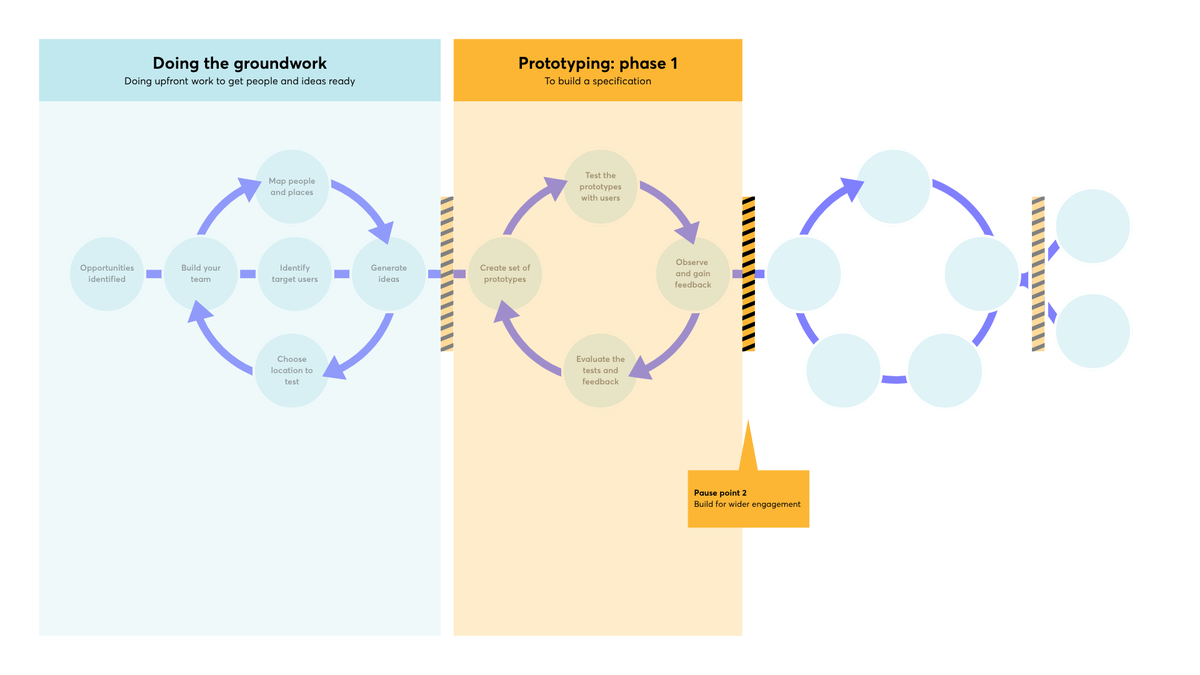
Pause point two
Before you move from phase one to phase two, you need to know whether you have enough information to live prototype.
You are ready to live prototype if you:
- Have a clear and complete specification of an idea.
- Have the resource, capacity, and time to facilitate a live test.
- Have answered most of your original questions.
- Have a few well-defined questions still to explore.
- Have senior buy-in, and agreement from key stakeholders (such as the decision-makers and commissioners).
- Understand the sustainability and business model.
Live prototyping is a chance to build your complete idea to test its functionality and impact. It is not a pilot, but is an opportunity to better understand how a larger-scale pilot would work, and how you would measure success.
Prototyping: phase two
Testing the specification.
The purpose of this phase is to use all your learning from phase one to build a more complete model of your service/product to test in a real situation. This is called live prototyping.
If designing a chair, for example, in phase one, you would have learned about the materials used, the length and angle of the legs, and the height of the back and you are ready to build a complete chair. This phase would let you give the chair to your target consumer to test out over a period of time and get much more in-depth feedback.
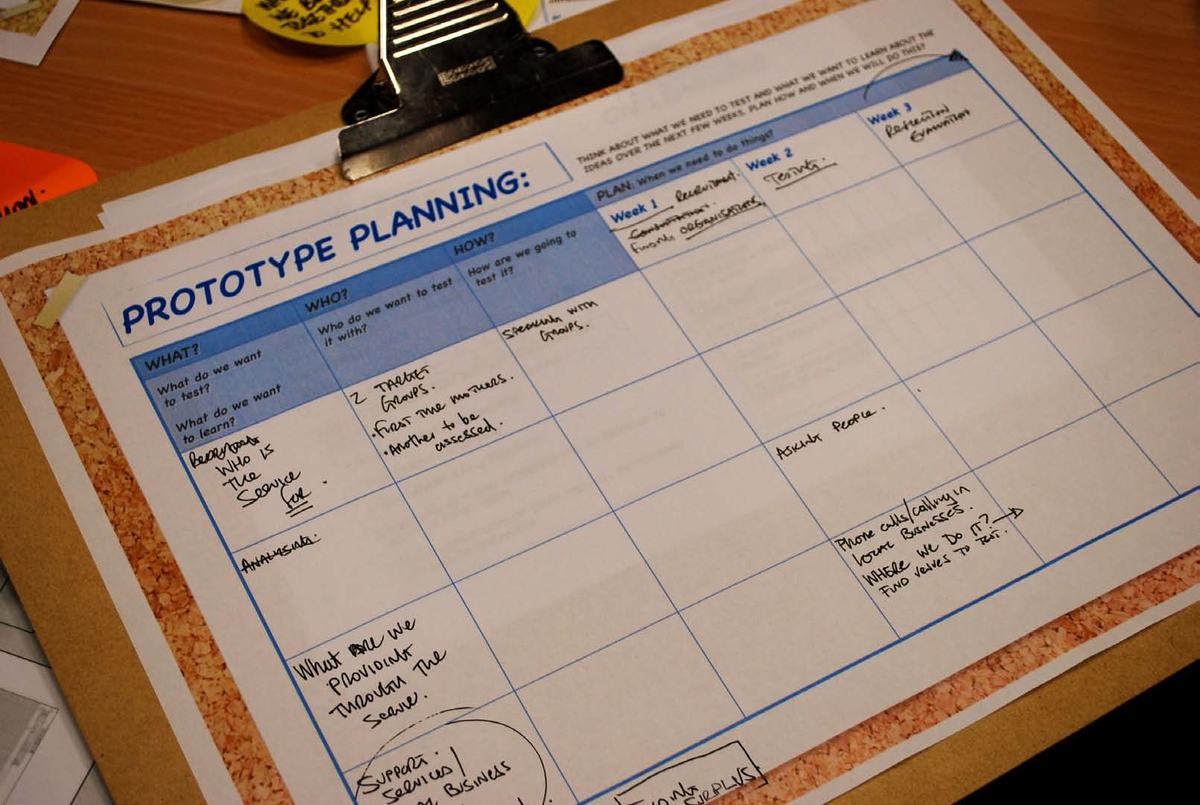
Live prototyping plan
Why?
To plan how you want to gain more detailed feedback from users in a ‘real world’ environment about what works well and what can be improved.
How?
Work with your team to build a complete specification of your idea and turn this into a working model. This could be a product or a service.
Measurement
Identify what you want to test and how you will do this. There may be a number of things, and it is important that you keep focused on these throughout the testing to ensure you are structuring your learning.
When you have identified what you want to test, think about how you will know you’ve achieved success. For example, when live prototyping the Community Coach service, one of the things we wanted to test was the support required by volunteers. Success would mean that the volunteers felt supported and self-confident and did not rely on support outside of the peer group.
Whilst this is happening, set up an internal meeting to plan potential business models. Bring in key advisors and commissioners. Be focused on what data you need to collect during live testing to support the business model and scale of your idea.
Top tip 8
Iterate as you prototype
Why?
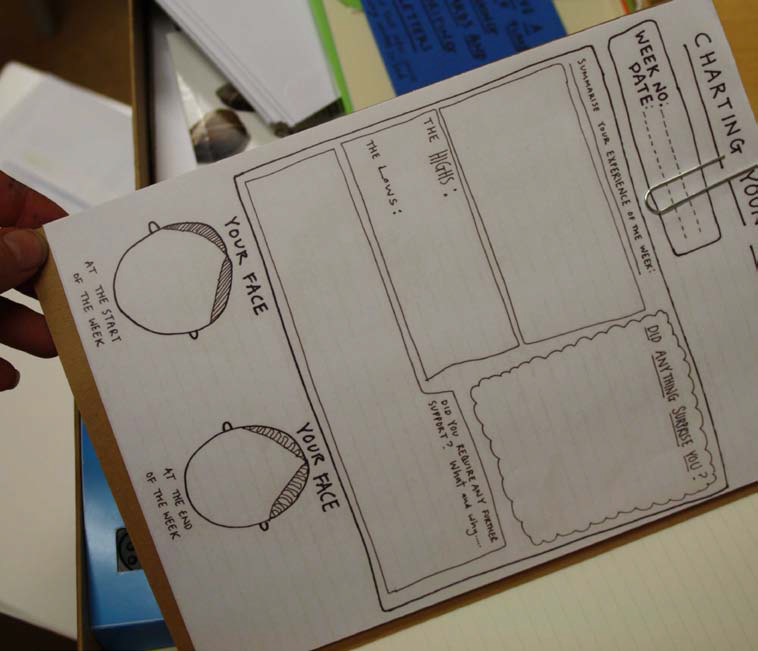
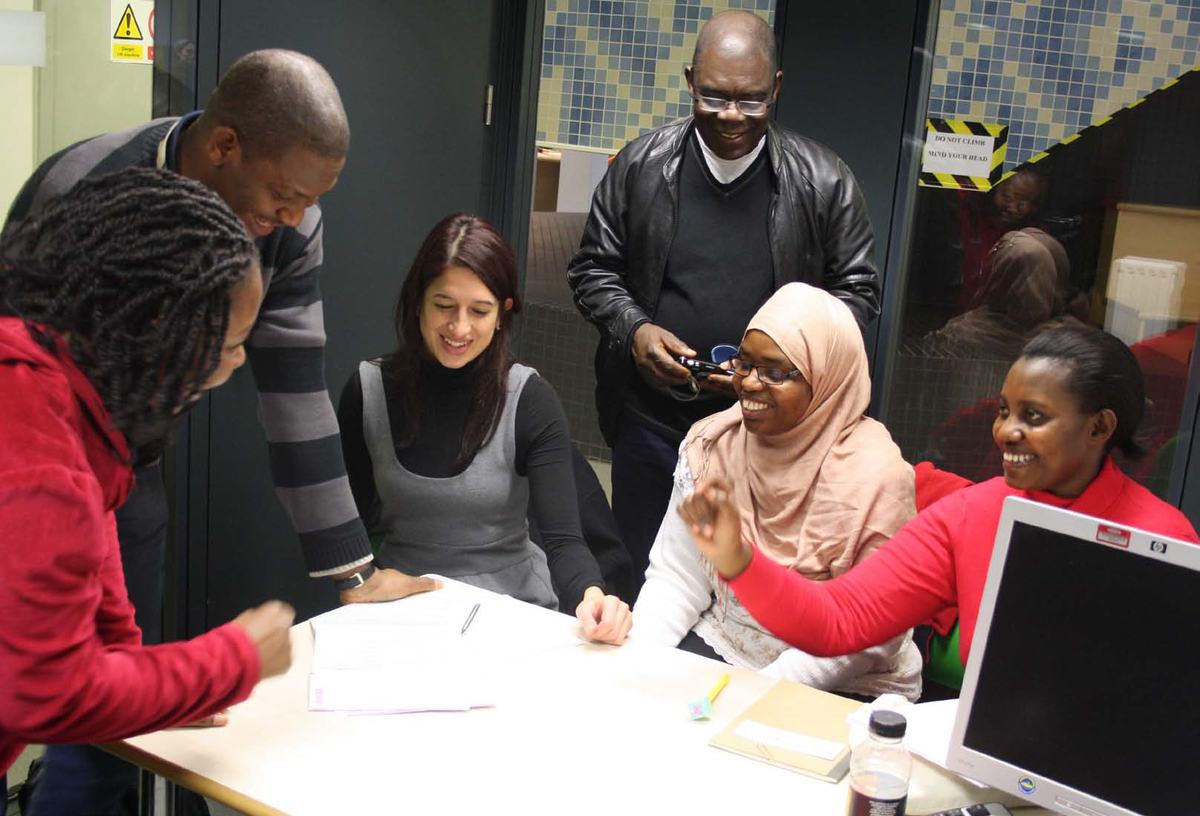
During the live prototyping you should still feel able to quickly redesign and improve existing prototypes based on peoples’ feedback and your observations.
How?
Consider what is the best way to gain feedback on what works well and what can be improved.
Use different approaches to gain feedback; ask for people’s verbal feedback, watch and observe people using the prototypes (often, what they say, think or will do, is different from how they actually interact).
Take the key insights from the feedback and think about ways to redesign the service touch-point accordingly.
For example, based on feedback and observation of how the support for volunteers worked, we were able to establish some of the most effective methods and levels of support.
Top tip 9
Evaluate against original testing plan
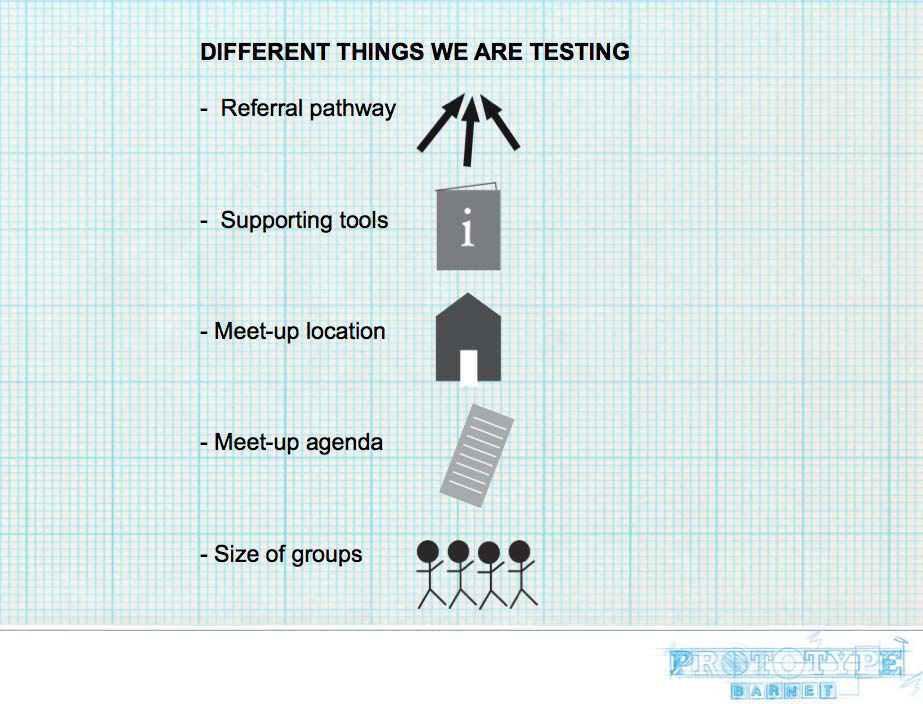
A graphic outlining five different test variables with their corresponding visual icons
Why?
At this final stage you are in a position to pull all your learning together from phase one and
two and make decisions about what your product or service should be and how it should work.
How?
Bring your team back together for a reviewing insights working session. Include some outside influence in this session to bring a fresh perspective. It is likely you will be immersed in the project and fresh eyes will be useful.
There will be a few conclusions to this session:
- You have sufficient information and insight in order to build a final blueprint or business plan for your idea. This will move you to pause point three.
- You identify some areas where more information is needed, and you go through phase two again with a revised specification.
- There are a great number of areas in the idea that need further development. Go through pause point one again into phase one.
Top tip 10
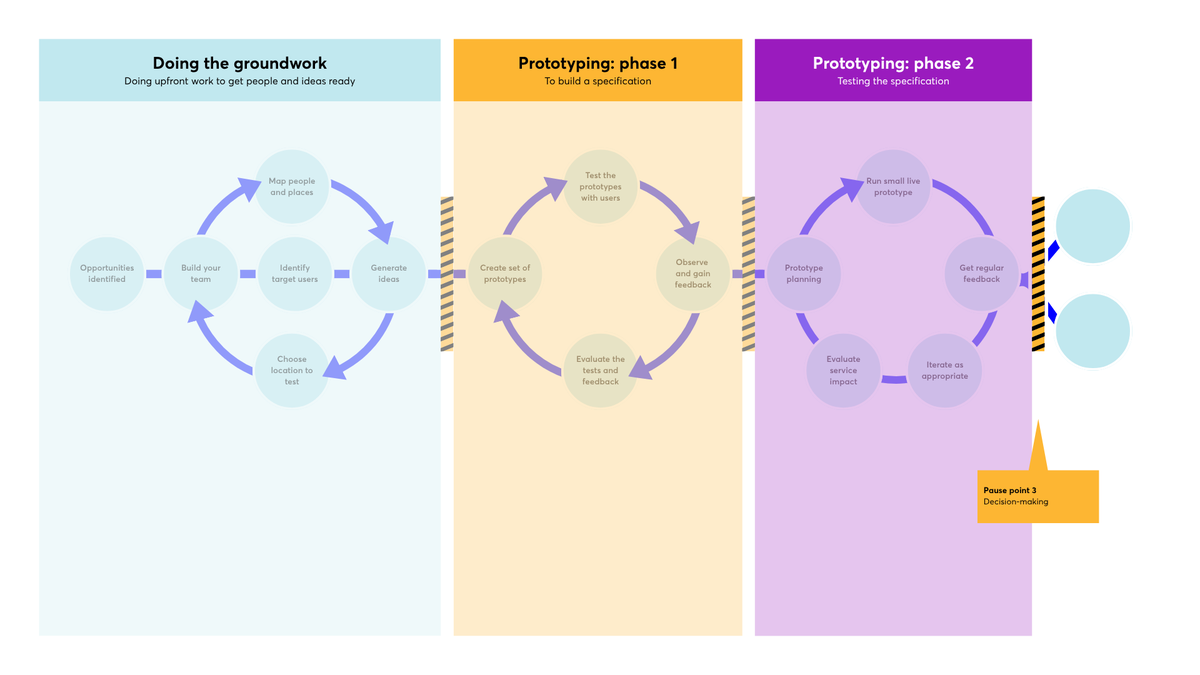
Pause point three
You have decided to move forward to the final development of your idea. You feel you have sufficient information and insight in order to build a final blueprint or business plan for your idea.
It may be beneficial to pilot your service in order to get more detailed feedback. You will however need to re-engage with the key decision-makers at this point to ensure that there is buy-in and support for taking your idea out of the prototyping stage.
When sharing your work with the decision-makers, ensure you have answers to the following questions:
- How has prototyping helped shape this product/service and ensure it is fit for purpose?
- What is the demonstrable value of this new product/service?
- How can it go from a prototype to a functioning product/service?
- Who are the partners, what is the cost, where is the revenue?
There will be a number of things you will need to demonstrate before building your business plan; the business planning tool in the next section should help you.
Evaluate and enterprise
Testing the specification.
Creating a blueprint/business plan
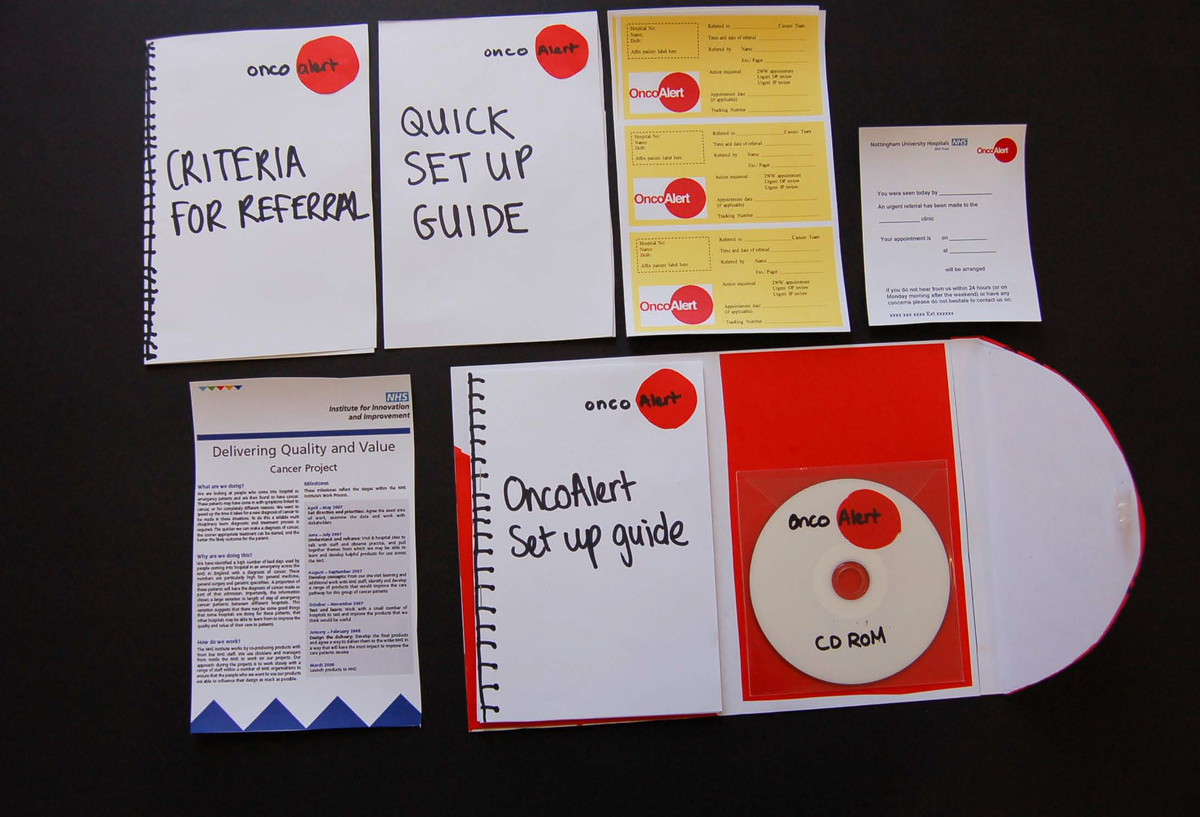
A collection of printed prototype materials, forms, and a CD-ROM for the OncoAlert project
Why?
This stage will enable you to structure a plan for turning your product/service into a functioning model.
How?
You should have pulled together the insights from the prototyping and testing and made decisions on the final design. Use the business planning tool below to help frame your insights.
Top tip 12