Research Team: Eloise Stevens¹, Manogya Sahay¹, Lauren Liotti², Pankhuri Anand², Zhen Rao², Christine O'Farrelly¹, Louise Bazalgette², Paul Ramchandani¹


- PEDAL, University of Cambridge. 2. Nesta.


About PEDAL
We are the Centre for Research on Play in Education, Development, and Learning based in the Faculty of Education at the University of Cambridge. For 10 years, we have conducted world-leading research on childhood and mobilised knowledge to help to improve children's lives and life chances.
For more information, visit the PEDAL Hub.
About Nesta
We are Nesta. The UK's innovation agency for social good. We design, test and scale solutions to society's biggest problems. Our three missions are to give every child a fair start, help people live healthy lives and create a sustainable future where the economy works for both people and the planet. For over 20 years, we have worked to support, encourage and inspire innovation.
We work in three roles: as an innovation partner working with frontline organisations to design and test new solutions, as a venture builder supporting new and early-stage businesses and as a system shaper creating the conditions for innovation. Harnessing the rigour of science and the creativity of design, we work relentlessly to change millions of lives for the better.
Find out more at nesta.org.uk.
EXECUTIVE SUMMARY
Background
Socioeconomic inequalities in children's language skills emerge early. They are the strongest predictor of school readiness, which in turn influences later school success and other life outcomes. Early interventions that promote responsive and enjoyable interactions with books, such as book sharing programmes, have a strong evidence base for improving children's language development. However, scaling these programmes has proven challenging, and they often fail to reach the families who experience the highest levels of disadvantage (Axford et al., 2022; Gupta et al., 2021; Shonkoff, 2017).
Playtime with Books is an evidence-based book sharing programme that has been adapted for virtual delivery (O'Farrelly et al., 2023). Virtual programmes can better fit into the demands of family life and be more feasible and practical for services to deliver. In this way, virtual programmes offer a way for support to reach more families who might benefit, while reducing delivery costs and other systemic barriers associated with in-person support. The adaptation and testing process allows for iterative optimisation of programmes so that they are more responsive to families' priorities and practitioners' needs. This helps to yield a programme that is better positioned for success at scale in the real world.
The present study
The goal of this study was to improve the digital platform and delivery of an online book sharing programme, Playtime with Books, by delivering it to families to address socioeconomic disparities in children's early learning and language acquisition. The Playtime with Books programme, which is based on an existing, evidence-based, face-to-face book sharing intervention (Murray et al., 2022), includes five online skills sessions and individualised video-feedback support delivered virtually by practitioners from local early years services.
Previous testing (see O'Farrelly et al., 2023) of the intervention, indicated that the programme was feasible and acceptable to both families and early years practitioners, who valued its content and perceived many benefits for parents and children. However, the study also illustrated that a new digital platform was required to successfully deliver the programme at scale. We partnered with Nesta, the UK's innovation agency for social good, to set out to further research the motivations and requirements of local authority partners and improve the digital delivery processes, based on our learnings from our earlier testing. Specifically, we developed and tested an updated version of the intervention on a larger scale, evaluating its feasibility and acceptability to families and early years practitioners.

Setting
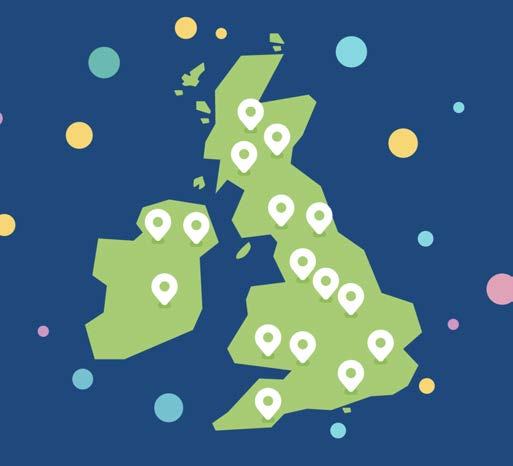
Families and early years practitioners ('facilitators') were recruited from three local authorities across England (Derby City, Shropshire and Cumberland) via early years services e.g. children's centres, Family Hubs and libraries.
Target population
Target participants were caregivers over 18 years and their children aged 10-24 months and early years practitioners. Families facing high levels of socioeconomic disadvantage were prioritised.
Participants
A total of 46 families (19 of these were in the high disadvantage group) and 23 facilitators participated across all cycles.
Intervention
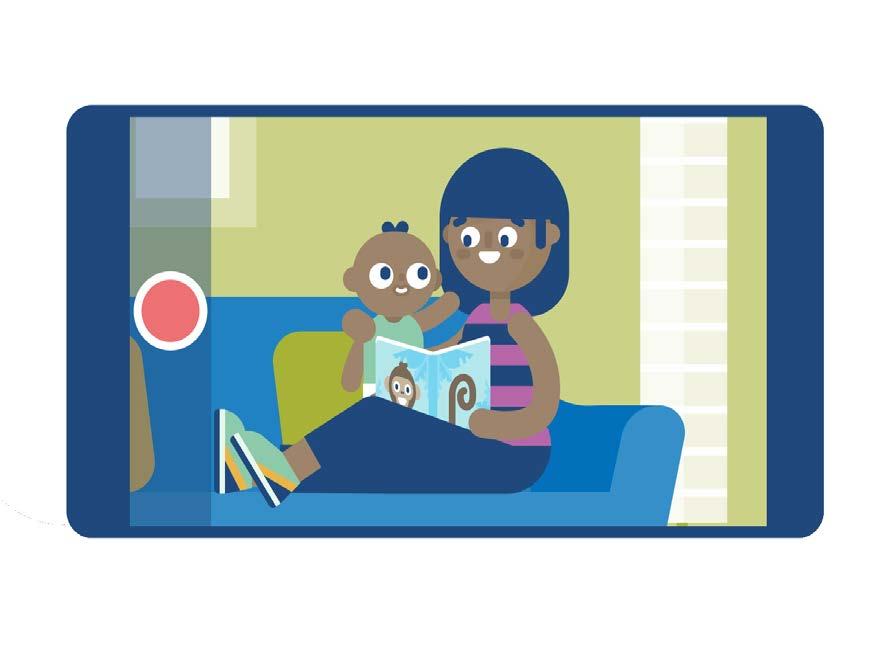
Parents received a book pack with four books to use throughout the programme. They had an initial welcome call with their facilitator before accessing five online book sharing skills sessions. Each week, parents were encouraged to complete a skills session in their own time and engage in daily book sharing interactions with their child. Parents were asked to film themselves book sharing with their child three times throughout the programme and share the video clips with their facilitator. Parents had up to three video check-in calls with their facilitator, in which they received personalised video-feedback, aiming to celebrate and reinforce parents' positive book sharing behaviours and interactions with their child.
Data collection
Parents and facilitators completed a demographics questionnaire and were invited to complete an online interview and survey to explore their experiences with all aspects of the programme. Parents also completed pre- and post-intervention questionnaires assessing their book sharing practices, confidence in interacting with their child, and other daily interactions as well as their child's language development and facilitators completed check-in call logbooks.
Findings
Overall, between May 2024 and January 2025, 131 families showed interest in the programme and were assessed for eligibility. Fifty-eight were offered the opportunity to take part in the programme (based on eligibility and facilitator capacity) and allocated a facilitator. Of these, 46 families completed the baseline assessment, 40 had a welcome call with their facilitator and 32 started the programme by beginning skills session 1. Of those who started the programme, 21 (65.6%) 'completed' the programme (at least three skills sessions and two check-in calls, referred to as 'completed' going forward) and 19 (59.3%) completed all five skills sessions and three check-in calls.
Twenty-three facilitators from early years' services (children's centres, Family Hubs, Child and Family Wellbeing teams, Parenting teams and Early Help teams) delivered the intervention and 13 had families 'complete' the programme.
Research question 1. How did families and facilitators experience and engage with PwB in the new sites?
Parental engagement with the programme was good overall and parents gave very positive feedback, indicating high acceptability and feasibility of the programme; as had been observed in our earlier testing (O'Farrelly et al., 2023). Most families who started the programme engaged well with the skills sessions and check-in calls; with 65.6% 'completing' (same number as those who completed all five skills sessions and at least two check-in calls). This level of completion is better than most face-to-face parenting programmes (see Axford et al. 2012).
Parents valued the majority of the programme elements, with the video-feedback being particularly appreciated. Parents' accounts suggested that they enjoyed learning things about their child they had not noticed before and seeing first-hand how their book sharing skills were positively received by their child in the videos. They valued the collaborative, strengths-based, and child-centred approach that characterises the video-feedback model. Parents also perceived the programme to be beneficial for them (e.g. building their confidence, making book sharing more enjoyable) and their child (e.g. more interest in books, more fun when sharing books) noting positive changes in the way they share books together and how it had supported their child's development such as their language. Some areas for improvement were highlighted for future testing of the programme, such as including example videos in the skills sessions of younger children and having ways to connect with other families participating in the programme.
For those facilitators whose families started the programme, engagement with the intervention was good and they found it acceptable and feasible to deliver the programme elements. They appreciated the benefit the programme had for families in their areas, especially those who cannot access face-to-face sessions. Facilitators particularly appreciated the check-in calls and feedback, which they recognised as supporting parents' book sharing practice and building their confidence with the skills. Some facilitators reported barriers to delivery including the time required, particularly when wording the feedback messages from the child's perspective.
The changes to the digital platform did not appear to improve the programme experience for families and facilitators. Practitioners in local authorities found the new digital platform and related processes challenging to deliver the programme, having difficulties with navigating the website, understanding next steps and tracking their parents' progress.
Parents had a more positive experience than facilitators and were generally able to use the website to receive the programme. However, parents had mixed feedback about the user experience. While most parents found the website straightforward to use, quite a few parents reported that they found the layout clunky and difficult to navigate, particularly when accessing it on a mobile. Almost all parents had difficulty with uploading video clips for facilitator review.
A new, more streamlined and agile digital solution is required which meets the needs of parents and practitioners.
Key learnings
1 Families enjoy and benefit from the Playtime with Books programme
Families enjoyed learning how to book share with their child in the skills sessions and receiving individualised support from facilitators in the video-feedback calls to support their skills.
They perceived a positive impact of the programme including sharing books more frequently (the number of parents daily book sharing rose by 35%), feeling more confident doing so, that their child enjoyed sharing books and positive changes in their child's language since participating in the programme.
They also noticed new things about their child and how they respond when book sharing. Similar to our previous testing, this demonstrates the high acceptability of the programme to families. Families' feedback and the change in daily reading supports our theory of change and provides further evidence that the programme works in a similar way virtually as it does in the face-to-face delivery model.
2 Facilitators value the programme, although they face challenges in finding time to deliver it
Facilitators valued the different elements of the programme and perceived a positive impact of providing video-feedback to parents, such as building parents' confidence in book sharing and supporting the parent-child bond.
Although facilitators viewed the programme positively, many struggled to fit in the time required, indicating that more protected time for practitioners to prepare and deliver the calls alongside their usual workload is required.
Effective scaling will also benefit from further adaptations to the programme, such as training Playtime with Books facilitator champions within each site to support colleagues to deliver the programme and more time for practicing writing and delivering video-feedback messages in the training.
3 Families and facilitators require a simple and intuitive digital experience that meets their different needs
Early years practitioners did not find the new digital platform and processes feasible or acceptable to deliver the programme. The experience of the platform, although still mixed, was more positive for parents, suggesting that these users have different needs when interacting with an online programme. This indicates that a different delivery platform is needed that requires minimal interaction/input from facilitators, using processes and systems they are already comfortable with and that provides a smoother user experience for parents, in order to deliver the programme at scale and keep users engaged.
This testing has provided crucial learnings about what works for both families and facilitators and how this differs. We have used this learning to build a new bespoke, streamlined platform with Nesta's design and technology practice and a digital agency, which is more attuned to what all of our users require.
4 Multi-disciplinary, cross-sector collaboration and implementation science approaches can help to drive scale up
This project benefitted from a unique collaboration bringing together Nesta's innovation and expertise with PEDAL's knowledge of developmental and intervention science. By bringing together diverse perspectives and expertise in design, digital innovation, co-production and child development and using implementation science approaches (e.g., small cyclical tests of change, stakeholder feedback, and a staged approach to scale up) we were able to dig into challenges and build solutions that will help us to move to a more ambitious phase of testing and roll-out.
We will build on our place-based approach to co-production, delving further into the system and stakeholders' needs to refine and roll out a more intuitive digital experience that can help to widen access to early educational support.
Conclusion
Given the persistent attainment gap between children facing disadvantage and their peers, it is imperative that we realise evidence informed support for language development that families enjoy and benefit from and is practical for services to deliver. We have demonstrated the feasibility of virtual delivery of a well-established approach to building early language, which is acceptable to families from a range of backgrounds (including those who are traditionally less well reached by digital innovations such as families facing high levels of socioeconomic disadvantage).
Playtime with Books offers the potential for enhanced home learning environments for young children at scale and at lower cost than more traditional and/or intensive delivery models of HLE parenting interventions.
Costs of materials per family (i.e. book pack) are £36. Additional costing information, including set-up costs, is included in Appendix 7.
This study underscores the importance of offering support via simple and intuitive platforms that can unlock the potential of virtual delivery to bring high quality support into the hands and homes of more families. It also underscores the importance of iterative, responsive user-centred design to drive innovation solutions in early intervention.
We will now test the enhanced programme supported by a new bespoke website as part of an ambitious scaling project.

CHAPTER 1 INTRODUCTION: THE CASE FOR EARLY BOOK SHARING
1.1 Inequalities in children's early language
Socioeconomic inequalities in children's skills emerge long before school entry (Asmussen et al., 2018). Early gaps are particularly marked in children's language development. This is the strongest predictor of school readiness and later school success, also putting children at risk of later employment and mental health difficulties (Hoff, 2013; Law et al., 2017). These inequalities are driven in part by the constellation of risk factors that poverty often confers, which can undermine a family's ability to provide care as optimally as they would like (Oppenheim & Milton, 2021). Financial pressure can contribute to parental distress, affecting the mental space and energy that parents have available for responsive parenting (see Oppenheim & Milton, 2021). Poverty can also affect the physical quality of the home learning environment including access to books (Kelly et al., 2011; Melhuish et al., 2008). Indeed, up to half of the socioeconomic disparities in children's skills are explained by the influence of poverty on families' abilities to provide frequent, high-quality caregiver-child interactions (see Kalil, 2015; Kiernan & Mensah, 2011).
The relationship between poverty and the home learning environment is complex. Despite constrained resources, many families facing socioeconomic disadvantage do provide an enriched and supportive home learning environment (Melhuish et al., 2008; Phillips & Lonigan, 2009; see also Cooper, 2021). When families can provide stimulating learning opportunities in the home this can act as a protective factor - buffering the impact of socioeconomic disadvantage on children's development (Sylva et al., 2004, 2012). Programmes that support high-quality book sharing interactions provide a powerful route to reducing inequalities and promoting positive outcomes for children (Pace et al., 2017).
1.2 Book sharing: A powerful context for learning
Book sharing is a critical part of the home learning environment and an ideal context to promote children's language learning (Asmussen et al., 2018). It provides an intimate space for parents and children to enjoy reciprocal interactions and shared attention. During book sharing with picture books the adult pays attention to what the child is interested in, follows this interest, and builds on it in an emotionally supportive way that actively involves the child (see Murray et al., 2022). This is in contrast with the more passive activity of a parent reading a book to their child. Interventions that work with parents to support high quality book sharing have been shown to promote children's learning and development. A meta-analysis of 19 randomised controlled trials (RCTs) of book sharing programmes, which included families in disadvantaged communities, found large effects for improvements in the quality of caregiver book sharing skills and children's expressive and receptive language (Dowdall et al., 2020). There is mixed evidence as to whether book sharing also benefits children's attention and socioemotional skills (Cooper et al., 2014; Dowdall et al., 2021; Murray et al., 2016; Murray et al., 2022; Vally et al., 2015; Xie et al., 2018), which alongside language, are central to children's school readiness.
1.3 The need for next generation early interventions
Despite the strong evidence for the effectiveness of book sharing, delivering such approaches to the necessary quality outside of a highly controlled experiment has proven challenging (Axford et al., 2022; Gupta et al., 2021; Shonkoff, 2017). For effective programmes to be more viable and sustainable at scale, they need to be aligned with service providers' goals, be feasible for services to deliver, and fit into practitioners' existing workflows (Lyon & Koerner, 2016).
Programmes can also struggle to reach families who experience the highest levels of disadvantage; those who are disproportionately affected by structural, economic, and practical barriers to access (Lingwood, Levy, et al., 2020). These include logistical and practical barriers to accessing centre-based supports such as lack of transport, child-care, time, and/or inflexible work schedules (see Kalil, 2015; Lingwood et al, 2020). Families may not feel confident or comfortable in educational spaces (e.g., libraries) and may not want to engage in programmes where they feel targeted based on their demographic profile, especially where programmes focus on reading (see Lingwood et al., 2020). This underscores the need for programmes that both encourage equitable and collaborative relationships between practitioners and caregivers, and emphasise the child's needs through the interaction itself (Smith, 2019).
1.4 The case for virtual delivery
Virtual delivery may transform the way that effective interventions are delivered and increase their potential reach, achieved by reducing delivery costs, barriers to access for in-person support, and stigma (Harris et al., 2020). Playtime with Books is a virtual book sharing programme that has been carefully adapted from a proven effective face-to-face intervention that supports young children's language development (see (Cooper et al., 2014; Dowdall et al., 2021; Murray et al., 2016, 2022; Vally et al., 2015).
The programme is ideally suited to combining guided remote parent training with virtual contact between caregivers and a programme facilitator, thus retaining personal and individualised support - a key component of the original programme and of effective virtual interventions (Harris et al., 2020).
1.5 The Playtime with Books (PwB) study: Aims and Objectives
We partnered with Nesta, the UK's innovation agency for social good, in order to build on our learning from the first study of Playtime with Books (funded by the Nuffield Foundation see O'Farrelly et al., 2023) and further improve the programme and test its suitability and readiness for further impact evaluation and delivery at a wider scale. We situate this innovation in the principle of participatory design: working with and for families and service practitioners.
Key objectives
- To evaluate the acceptability of the programme for families and early years practitioners in three local authorities across England.
- To transition the Playtime with Books online programme from a basic digital e-learning platform to a more advanced digital platform, bringing together all the different programme elements in one place to test whether this improved the user experience for both families and practitioners.
- To identify any further development required to ready the programme for further impact evaluation and wider implementation, and understand the feasibility, acceptability, and potential cost for wider delivery.
An interim summary report detailing our work up until the end of cycle 1 can be referenced on Nesta's website.



CHAPTER 2 METHOD
The study was granted ethical approval by the Faculty of Education, University of Cambridge.
2.1 Stage 1: Exploration and design
In the research and design stage, we set out to explore and understand the needs and preferences of priority groups in local authorities. Our main research aims in this stage were to:
- Identify and understand who we are designing with/who intervention is for in our LAs
- Identify the motivations of delivery partners
- Understand how to make the intervention as appealing and accessible as possible for parents
- Understand what local authority facilitators require in order to deliver the programme at scale
We conducted in-person workshops and individual online interviews to understand parents' and early years practitioners' needs and their perspectives on the programme.
In-person workshops
Two in-person workshops were conducted in Shropshire and Derby City in January and February 2024 respectively. A total of 20 participants (6 from Shropshire and 14 from Derby City) consisting of parents and early years practitioners attended the two workshops. Each workshop lasted between three and four hours, with introductions by Nesta and PEDAL teams on the Playtime with Books programme, followed by ice breakers and interactive activities to facilitate group discussion.
During the workshops, participants were given opportunities to ask questions about the Playtime with Books programme. They were also asked to share their suggestions on how to make the programme more accessible to parents and facilitators, and how the programme could be improved to meet their needs. Participants also shared their perspectives on potential challenges that parents and facilitators might encounter at different stages of the programme (e.g., onboarding the programme, receiving the book pack, welcome call, skill sessions, daily book sharing, and video-feedback), and how to best support them at each stage.
Individual online interviews
Between January and February 2024, we conducted individual online interviews with 6 parents. The interviews were semi-structured and each lasted around 45 minutes. During the interview, parents were asked about their daily routines with their child, their awareness and experiences of parenting programmes, their use of technology, and their perspectives on the Playtime with Books programme. Facilitators were asked about their day-to-day workload, their awareness and / experiences of parenting programmes, how they use technology for work, and their perspectives on the Playtime with Books programme. Learnings from the workshops and interviews included:
- the importance of diversity in recruitment materials, particularly involvement of dads
- word of mouth is a strong method to recruit
- flexibility is important, however the consistency of having the same facilitator throughout the programme is also important
- knowing that the programme improves their parental capabilities which impacts their child's development and behaviours can be a strong motivation for participating
- seeing a demonstration of the programme and the warmth of the interaction between facilitator and parent before signing up is key to understanding the programme's value
- almost all parents would use mobiles to engage, meaning accessibility and ease of use is paramount to sustaining engagement
These learnings fed into the development of the new digital platform in Stage 2.
2.2 Stage 2: Improving the digital platform and other elements
Playtime with Books was originally based on a proven, effective face-to-face intervention (see (Cooper et al., 2014; Dowdall et al., 2021; Murray et al., 2016, 2022; Vally et al., 2015) that aims to promote and support young children's (aged 10-24 months) language and development. The content and programme were adapted for online delivery and initially tested with families and early years practitioners in a previous study (see O'Farrelly et al, 2023).
In its first form, the different elements of Playtime with Books were delivered through a range of different platforms. The five book sharing skills sessions were hosted on a basic online Learning Management System (LMS) Moodle Cloud (Moodle Cloud; www.moodlecloud.com), which served as the user interface through which participants accessed the weekly e-learning sessions from home. Parents shared clips of themselves and their child book sharing with their facilitator via the WeTransfer website (wetransfer.com) and received three individualised check-in calls with a programme facilitator, via Zoom or Teams. Parents arranged calls with their facilitator and received reminders to complete sessions or upload clips through email or phone calls.

Feedback from parents who participated in the first study (O'Farrelly et al., 2023) indicated that receiving the programme in this way could be confusing and that they would prefer one platform/place to access all the programme elements. This would prevent them from needing to remember where to go for each different task and would ensure they were passed onto the next task more easily, resulting in a more integrated user experience.
Additionally, delivering the programme in this way was challenging for both practitioners and the research team as it involved a substantial amount of work behind the scenes, including enrolling parents individually on each next skills session on MoodleCloud, tracking parents' progress on each task manually throughout and sending reminders manually. The research team was interested in ways of automating these tasks to reduce practitioner burden and better simulate the delivery of the programme at scale.
After researching different platform options and meeting with a range of Moodle partner organisations, we decided to develop an improved platform to host the programme, using a higher specification of Moodle, called Moodle Workplace.
Moodle Workplace
We partnered with Synergy Learning, a consultancy, to develop and transition the programme from Moodle Cloud LMS onto the Moodle Workplace platform. Moodle Workplace has a number of extra functionalities focused on creating and delivering learning and onboarding processes and allows users to work through different activities in order. By moving to Workplace, we attempted to bring together all the programme elements in a central hub to ensure a more integrated experience for parents and facilitators.
What we intended to achieve with Moodle Workplace
- Bringing together previously disjointed programme elements, including:
- for parents – access to 'skills sessions', uploading videos, scheduling calls and completing outcome measures
- for facilitators – access to scheduling calls, downloading videos and facilitator materials
- Designing the website in Playtime with Books branding
- Allowing facilitators and parents to schedule the Welcome call and check-in calls on the website, via a scheduling appointments mechanism
- Allowing different local authorities to login to different 'versions' of the site to ensure data confidentiality
- Allowing parents to upload their clips to the website which are easily accessed by their facilitators, rather than needing to use a third-party file sharing platform/site
- Structuring the parent experience in a sequential manner to guide them through skills sessions and check in calls in programmatic order
- Embedding key programme assets, including a recruitment video and an animation about the programme for parents to return to
- Ability for facilitators to view more detailed content/activities to parents
- The Facilitator Hub - a one stop shop for practitioners delivering the programme to access all the materials they needed
Improvements to other programme elements
We made several updates to the programme, including revising the narration and slides in the book-sharing skills sessions to align with the new platform, adding pop-up instructions for parents on when to record clips and navigate the site.
We also updated the facilitator training manual to streamline content, add new branding, and improve visuals for easier reference throughout delivery. The 2 half-day facilitator training sessions were revised to cover the new PwB website, with step-by-step guidance and live demonstrations to build facilitators' confidence in using the platform.
Lastly, we reduced the video footage facilitators are required to prepare feedback on from 5 to 4 minutes per clip, easing the time burden on facilitators during preparation and check-ins.
2.3 Stage 3 - Testing delivery on new platform
We tested the updated programme in three local authorities (LAs): Derby City, Shropshire, and Cumberland. These sites were selected through interest from LAs and an open application process, promoted via the Local Government Association. We provided an application pack with programme details, resource requirements (IT, books, protected time for practitioners), and the benefits of partnership (e.g., training and supervision). Selection criteria included demographics (deprivation indicators), number of children, geography (urban/rural), available workforces, and proposed referral pathways.
In keeping with our previous testing approach (O'Farrelly et al., 2023) we used iterative testing cycles to test the improvements to the platform. This approach enables the research team and programme stakeholders to practice continuous learning and adaption by using fast, small scale test cycles to gather various data, learn, and
make informed decisions about how to improve programme design and delivery and participants' experiences. We collected minimally sufficient data to answer the research questions and analysed the data using principles of rapid qualitative analysis.
We tested the programme over two cycles to assess families' and practitioners' experiences with the new platform, identify what they liked and what was challenging, determine effective recruitment channels, and understand the characteristics of families signing up for Playtime with Books.
In the first cycle, which lasted 6 months (July 2024 to January 2025) we tested the updated programme with 21 facilitators and 29 families across the three LAs. At the end of cycle 1, we made some changes to the programme based on feedback and learnings from facilitators and families.
In cycle 2, which lasted 4 months (October to February 2025), two new facilitators were trained in Cumberland, replacing the cycle 1 facilitators who did not have capacity for delivery in cycle 2. A further 17 parents participated in Shropshire and Cumberland, supported by 11 practitioners. Derby City did not take part due to delays in cycle 1 progress, limited facilitator capacity, and slow recruitment.
Over 7 months, we recruited 58 families and a total of 46 of those participated in the study (completed baseline assessment) in the two testing cycles.
An interim summary report detailing our work up until the end of cycle 1 of testing can be found on Nesta's website. This full report covers findings across both cycles.
2.3.1 Recruitment
The aim was to recruit a target number of 50-75 families (parents/caregivers and young children aged 10-24 months) across the two cycles.
Inclusion criteria for participating families:
- Participating caregiver aged ≥ 18 years
- Child aged 10 - 24 months at screening
- Have access to the internet and a device with a camera (e.g. mobile phone, tablet, laptop)
- Sufficient fluency in English to access and engage with the programme
Families facing high socioeconomic disadvantage, who may face barriers to early support, were prioritised. The high disadvantage group was defined by household income (<£25,000), receipt of benefits (e.g., universal credit), or lower educational attainment (A-level equivalent or under). Caregivers of children with severe intellectual, language, or developmental delays, that were sufficient to preclude participation in the intervention, were excluded.
Early years practitioners from the three local authorities were recruited to deliver PwB from a variety of settings, including working in settings such as children's centres, libraries, and Family Hubs.
Recruitment setting
Families and early years practitioners were recruited from early years services in three LAs across England, including Derby City, Shropshire and Cumberland. These services also provided a range of support including drop-in sessions, weekly parenting workshops, stay and play sessions and parenting courses. Parents were offered a £20 voucher for completing research activities before and after participating in the programme as a thank you for their time and participation.
Recruitment procedure
Families. Families were recruited on a rolling basis across the two cycles. Materials, including a PwB flyer and recruitment guide, were distributed to recruitment sites. The flyer explained the programme and provided the research team's contact details, as well as a web address and QR code to the contact form.
Physical copies were sent to children's centres, libraries, and nurseries, while digital copies were shared via local authority social media and sent to various local services (e.g., family information services, child health clinics, 'Maternity voices', Family Support Derbyshire, 'Children First', baby groups and to other databases of families that the teams had access to). A recruitment video featuring past participants was developed and shared on social media and the programme website.
Families were also directly recruited by staff in the recruitment sites. Practitioners encouraged and supported parents to complete the online form either at the recruitment site or at home, which gathered information on eligibility, including child age, access to a device and internet connection, and socioeconomic status. Eligible families received an information sheet and consent form via email.
Facilitators. The LA contacts (heads of services, team leaders) identified early years practitioners as potential PwB facilitators. Nominated practitioners received programme information and, if they agreed to participate, completed a consent form and demographics questionnaire. Some facilitators were familiar with their allocated families, while others were working with new families.
2.3.2 Procedure
Families' Procedure
Figure 1 below shows the key elements of the Playtime with Books programme for families.
Facilitator allocated and book pack received.
Following informed consent, families were allocated to a facilitator in their LA and were sent a book pack in the post or were given one in person (varied across the LAs).
Website registration. Once caregivers were allocated a facilitator, they were sent a link to the Playtime with Books website hosted on Moodle Workplace and instructions for how to register. They were asked to input their name, area, child's name and age range. Once registered, they were asked to complete the Welcome section of the site, before the main programme section could be accessed.
Welcome section. This area of the website involved a number of activities for parents:
- Arranging a welcome video call with their facilitator through an online scheduling tool, selecting a time slot from the facilitator's availability. During the call, facilitators introduced themselves, explained the PwB programme, and addressed any questions or concerns from parents.
- Completing the baseline assessment questionnaires which gathered information about their demographics, frequency of book sharing and their child's language
- Watching a welcome video, which detailed the programme elements in more detail
Playtime with Books programme section. After completing the welcome section, parents gained access to the programme section, where they were guided through the key programme content and activities.
Each week's activities unlocked once the previous tasks were finished, with a recommendation to complete one session per week. Parents also had access to a Guides section, offering step-by-step instructions for each programme element.
Figure 1. Overview of Playtime with Books programme
This diagram illustrates the six key elements of the Playtime with Books programme for families, presented as a numbered sequence.
-
Receive book pack
 Parent receives four free picture books to use throughout the programme.
-
Welcome call and video
 Parent meets their facilitator in a short welcome video call and watches a brief video to learn more about the programme.
-
Book sharing skills sessions
 Parent watches online sessions that introduce skills they can use when book sharing with their child.
-
Daily book sharing
 Parent is encouraged to try the skills themselves with their child when they do book sharing.
-
Home video clip of book sharing
 Parent records a video clip of them book sharing with their child to share with the facilitator.
-
Check-in calls with facilitator
 Parent has video calls with facilitator to receive positive feedback and discuss how they are getting on with book sharing.
Key activities included:
-
Weekly book sharing skills sessions and daily book sharing. Parents worked through five book-sharing skills sessions at their own pace. Each week, they were encouraged to complete a session and engage in daily book-sharing with their child, focusing on the key skills introduced that week. Sessions included colourful and dynamic slide decks with programme content, interactive media, exercises, quizzes, and example videos of real-life parent-child book sharing interactions. See Figure 2 for an example of what it was like for parents to navigate a skills session.
The first four sessions covered 12 book-sharing skills, while the fifth summarised all the skills. Sessions could be completed in one sitting or multiple, with progress saved automatically. Each session took about 30 minutes, depending on the parent's pace. While parents were encouraged to complete each session within one week, if possible, they were also advised that they could take more time if needed. Once they had completed a skills session, the following week's skills session would appear below.
-
Home video clips of parent-child book sharing interactions. During the programme, parents were guided by the website to record and upload three short video clips of book sharing with their child, requested in Weeks 2, 3, and 5–6. These clips were accessible only to their facilitator and the research team, with the timeline adjustable to accommodate parents' and facilitators' schedules.
-
Check-in calls between parents and facilitators. Parents had up to three video check-in calls with their facilitator, primarily via Microsoft Teams. These calls allowed parents to discuss challenges and receive video-feedback on the clips they shared, highlighting and reinforcing positive book sharing moments and interactions when engaging with their child.
Facilitators prepared feedback in advance and paused the video at key points to emphasise strengths (e.g., where a parent had used one of the key book sharing skills well and/or moments of positive connection between the parent and child). If clips weren't submitted on time, calls were postponed to allow parents more time.
Figure 2. Examples of the content in the skills sessions
This figure presents three examples from the skills sessions:
1a. The skills sessions' narrator introducing the programme
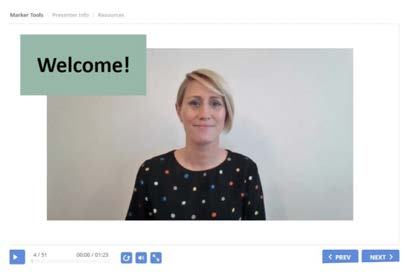
1b. Example of an interactive quiz
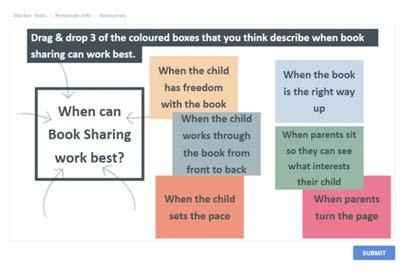
1c. Example of a skill introduced in a session
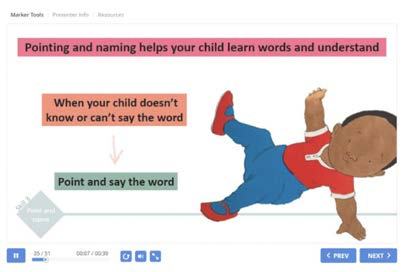
Facilitators' Procedure
Facilitator training. Facilitators attended two half-day training sessions (8 hours total) via video conference. The sessions were recorded for those unable to attend. Training was led by Eloise Stevens, a clinical researcher with extensive experience training facilitators in video-feedback interventions that promote positive parenting (Video-feedback Intervention to promote Positive Parenting and Sensitive Discipline; e.g., O'Farrelly et al., 2021). Before training, facilitators accessed the PwB website and completed all five book sharing skills sessions to familiarise themselves with the content.
The training covered five key themes: study objectives, an overview of the PwB programme, book sharing skills, the benefits of video-feedback for positive parenting, and how to prepare and deliver video-feedback during check-in calls with parents.
Facilitators had access to the Facilitator Hub on the website, which included all the materials needed for delivery such as the manual, check-in call templates, logbooks, and supervision scheduling. They also received individual supervision and support from Eloise Stevens for their first family.
Facilitator tasks. Facilitators were responsible for several tasks to ensure smooth programme delivery, including arranging and delivering welcome and check-in calls, downloading video clips from the website, preparing video-feedback messages, and keeping parents engaged through reminders. The welcome call took 10-15 minutes to introduce the programme and build rapport.
Facilitators prepared scripts for video-feedback after receiving clips, which took about 1 hour each. Check-in calls averaged 26 minutes, and facilitators marked calls as complete on the website to track progress and unlock next steps for parents, such as later skills sessions or sending certificates once the programme was complete. For the first family, facilitators received three 30-minute supervisory sessions.
The estimated total time for the first case was around 6.5 hours, reducing to 5 hours for subsequent cases.
2.3.3 Data collection and analysis
Families, facilitators and service managers were asked to complete or submit the following data. For more detail on the data collected and measures used, please see Appendix 3.
Families
- Demographics questionnaire (on website)
- Pre- and post-intervention questionnaires (on website):
- 'How do you spend time with your family?' assessing parents' book sharing practices, confidence in interacting with their child, and other daily interactions (adapted from the Self-Efficacy for Parenting Tasks Index - Toddler Scale; Coleman & Karraker, 2003).
- MacArthur-Bates Communicative Development Inventories (Short Form Vocabulary Checklist, Fenson et al., 2000) to measure language development (see Appendix 3.3).
- Skills sessions surveys (at the end of each session) – interactivity and length of session, videos and quizzes, and what they liked or would change about the session.
- Video clips (uploaded to website) – only accessed by their own facilitators and the research team. The facilitators saved the video clips securely on their work devices and deleted the video clips after each check-in call.
-
Participant experience interview and survey – families, including those who withdrew or completed only part of the programme, were invited to complete an online feedback survey (Appendix 3.5 and 3.7) and participate in an interview at the end of the programme (Appendix 3.4 and 3.6). The survey was part of the 'Your feedback' section on the website, alongside the post-intervention questionnaires. Interviews were semi-structured (devised by the research team), exploring parents' experiences with all aspects of the PwB programme.
Topics included expectations, the digital platform, book sharing skills, book pack selection, and check-in calls/feedback. Families who withdrew were asked about their reasons.
Facilitators
- Demographics questionnaire (online).
- Check-in calls logbooks (on website) after each check-in call to record discussion details, their own experiences of the video call, feasibility of preparing and delivering video-feedback (see Appendix 4.3) and for the third call, challenges in communication, call spacing, and moments in the video-feedback that had a notable impact on the caregiver.
-
Participant experience interview and survey – at the end of the study, facilitators were invited to complete an online survey on the Facilitator Hub on the website (see Appendix 4.5), as well as participate in an online interview with the research team (see Appendix 4.4).
The interview was semi-structured and explored facilitators' experiences with various aspects of the programme, including the training, format of the programme, using the digital platform, preparation and delivery of video-feedback, check-in calls, and working with parents.
Local Authorities
- Semi-structured interviews and questionnaires with service managers in the local authorities were conducted to understand the delivery costs and how the programme fits within the wider system of early years services (see Appendix 4.6).
Illustration depicting two diverse cartoon children with round heads and smiling faces, one with dark skin and dark hair, the other with light skin and light brown hair, surrounded by colorful abstract shapes.
CHAPTER 3
FINDINGS: WHO DID WE RECRUIT AND HOW DID THEY PARTICIPATE?
3.1 Families' characteristics
Fifty-eight families were allocated to facilitators in their local area and forty-six of these completed the baseline assessment. A little less than half of the 46 families (n=19, 41.3%) were categorised as being in the high disadvantage group (income <£25,000 or in receipt of benefits or lower educational attainment (A-level equivalent or under). Table 1 presents the characteristics of the families who participated.
Of these 46 families, all parents were female (100%) with a mean age of 32.4 years (SD=5.1 years). The majority of parents (71.7%) reported having a degree-level education or higher, 21.7% had an A-level or equivalent qualification, 4.3% reported having GCSE-level education or lower, and one parent (2.1%) did not have a formal qualification.
Most parents identified as being from White ethnic background (n=39, 84.8%), four identified as being from an Asian ethnic background (8.7%), two from another White background (4.3%) and one parent preferred not to disclose their ethnicity (2.2%). Children had a mean age of 16.7 months (SD 4.3) and 19/46 (41.3%) were female.
Table 1. Characteristics of participating children and parent
| N (%/SD |
Cumberland |
Derby |
Shropshire |
| Child characteristics |
|
|
|
| Sex (female) |
19 (41.3%) |
6 |
4 |
| Sex (male) |
27 (58.7%) |
2 |
11 |
| Age (months), mean (SD) |
16.7 (4.3 SD) |
|
|
| Parent characteristics |
|
|
|
| Sex (female) |
46 (100.0%) |
8 |
15 |
| Sex (male) |
0 (0.0%) |
|
|
| Age (months), mean (SD) |
32.4 (5.1 SD) |
|
|
| Racial/Ethnic background |
|
|
|
| Asian |
4 (8.7%) |
1 |
3 |
| British White |
39 (84.8%) |
7 |
11 |
| Any other White background |
2 (4.3%) |
|
1 |
| Prefer not to say |
1 (2.2%) |
|
|
Table 1. Characteristics of participating children and parent (continued)
| N (%/SD |
Cumberland |
Derby |
Shropshire |
| Parent characteristics |
|
|
|
| Employment status |
|
|
|
| Employed |
25 (54.3%) |
5 |
5 |
| Paid parental leave |
2 (4.3%) |
|
|
| Looking after home and family |
8 (17.4%) |
2 |
4 |
| Unemployed/Looking for work |
2 (4.3%) |
|
2 |
| Self-employed |
7 (15.2%) |
|
3 |
| Prefer not to say |
2 (4.3%) |
1 |
1 |
| Highest qualification |
|
|
|
| GCSE or lower |
2 (4.3%) |
|
1 |
| A level, national diploma or equivalent |
10 (21.8%) |
3 |
3 |
| Graduate |
33 (71.7%) |
5 |
10 |
| No formal qualification |
1 (2.2%) |
|
1 |
| Annual household income |
|
|
|
| Above £45,000 |
16 (34.8%) |
4 |
3 |
| £40,000 to £45,000 |
2 (4.3%) |
|
|
| £35,000 to £40,000 |
5 (10.9%) |
1 |
2 |
| £30,000 to £35,000 |
6 (13.0%) |
1 |
1 |
| £25,000 to £30,000 |
6 (13.0%) |
|
4 |
| £20,000 to £25,000 |
4 (8.7%) |
1 |
2 |
| £15,000 to £20,000 |
2 (4.3%) |
1 |
|
| £10,000 to £15,000 |
1 (2.2%) |
|
|
| £5,000 to £10,000 |
1 (2.2%) |
|
1 |
| Below £5,000 |
3 (6.5%) |
|
2 |
| Receive benefits |
|
|
|
| Yes |
8 (17.4%) |
|
6 |
| No |
36 (78.3%) |
7 |
9 |
| Prefer not to say |
2 (4.3%) |
1 |
1 |
3.2 Families' participation
After registering and consenting, parents were allocated a facilitator, sent a book pack, and provided a website link to complete baseline questionnaires and schedule a welcome call. Of the 46 who completed the baseline questionnaires, 40 received a welcome call. The other 6 either disengaged (n=3), withdrew due to childcare and work responsibilities (n=1), or were not contacted by their facilitator (n=2). Of the 40 who had a welcome call, 32 (80%) started the programme, while 8 did not – 4 disengaged and 4 withdrew (time constraints (n=1), change in personal circumstances (n=1), work commitments (n=1) and no time to schedule any check-in calls so did not start (n=1)). Two of the 8 were from the high disadvantage group.
Book sharing skills sessions
Of the 32 parents who began the programme, 21 parents (65.6%) completed all five skills sessions, one parent (3.1%) completed four sessions, two parents (6.25%) completed three sessions, six (18.8%) completed two sessions and two (6.25%) completed one session. Of the 24 parents who completed at least three sessions, 10 were in the high disadvantage group and 14 were in the general socioeconomic group. Figure 3 below presents the parents' engagement with the skills sessions.
Check-in calls
Of the 32 parents who started the programme, 25 (78.1%) completed at least one check-in call (10 in the high disadvantage group and 15 in the general socioeconomic group). Of these, most 19/25 (76%) completed all three calls. Reasons for fewer calls included bereavement, illness, unresponsiveness, facilitator capacity issues, or sick leave. Seven families could not complete any calls due to issues like personal commitments (n=2), unresponsiveness (n=2), unable to complete tasks in time (n=1), scheduling conflicts due to the part-time nature of facilitator's role (n=1), or withdrawal due to facilitator cancelling and delaying calls (n=1). Of these, 3 were in the high disadvantage group and 4 in the general socioeconomic group, showing no difference based on disadvantage. Figure 4 below presents the parents' engagement with the check-in calls (aside from their engagement with skills sessions which is presented in Figure 3).
Overall engagement with the programme
Given the formative nature of the evaluation, we did not specify at the start of the study what a minimum number of sessions or calls would be that would represent a good or sufficient level of participation in the programme. However, if we consider completion to be at least three (of five) skills sessions and two (of three) check-in calls (referred to as 'completed' going forward), then of those who started the programme (n=32), this would mean 21/32 (65.6%) 'completed' (7/21 were in the high disadvantage group) and 11/32 did not complete (8/11 were in the high disadvantage group).
Figure 3. Flow chart of parents' engagement with the online skills sessions
This flowchart illustrates the progression of parents through the Playtime with Books programme, from initial allocation to completion, detailing participation rates and reasons for non-completion or withdrawal at each stage:
-
Allocated to facilitators (n=58)
- Did not complete baseline assessment (n=12)
- Parent stopped engaging (n=10)
- Parent stopped engaging due to time constraints and living out of England (n=1)
- Facilitator did not contact parent leading to parent disengaging (n=1)
-
Completed baseline assessment (n=46)
- Did not complete welcome call (n=6)
- Parent stopped engaging (n=3)
- Facilitator did not contact parent leading to parent disengaging (n=2)
- Parent withdrew due to childcare and work responsibilities (n=1)
-
Completed welcome call (n=40)
- Did not complete skills session 1 (n=8)
- Parent stopped engaging (n=4)
- Parent could not schedule check-in calls due to lack of time (n=1)
- Parent withdrew due to time constraints (n=1)
- Parent withdrew due to change in personal circumstances (n=1)
- Parent withdrew due to work commitments (n=1)
-
Completed skills session 1 (n=32)
- Did not complete skills session 2 (n=2)
- Parent withdrew due to personal reasons (n=1)
- Parent withdrew due to time constraints (n=1)
-
Completed skills session 2 (n=30)
- Did not complete skills session 3 (n=6)
- Parent stopped engaging (n=2)
- Parent withdrew due to personal reasons (n=1)
- Parent withdrew due to health reasons (n=1)
- Parent withdrew due to other commitments (n=1)
- Facilitator cancelled and delayed in responding to parent leading to parent withdrawing (n=1)
-
Completed skills session 3 (n=24)
- Did not complete skills session 4 (n=2)
- Facilitator did not have mutual availability leading to parent withdrawing (n=1)
- Facilitator withdrew due to workload (n=1)
-
Completed skills session 4 (n=22)
- Did not complete skills session 5 (n=1)
- Parent stopped engaging (n=1)
-
Completed skills session 5 (n=21)
-
End of programme

Figure 4. Flow chart of parents' engagement with the check-in calls
This flowchart illustrates parents' engagement with the check-in call aspect of the programme, detailing participation rates and reasons for non-completion or withdrawal at each stage:
-
Completed skills session 1 (n=32)
- Did not upload the first video clip (n=4)
- Parent stopped engaging (n=2)
- Parent withdrew due to time constraints (n=1)
- Parent withdrew due to personal reasons (n=1)
-
Uploaded first video clip (n=30)
- * 2 parents uploaded clip but did not begin the programme
- Did not complete check-in call 1 (n=5)
- Facilitator did not have mutual availability leading to parent withdrawing (n=2)
- Facilitator cancelled and delayed in responding to parent leading to parent withdrawing (n=1)
- Parent withdrew due to work commitments (n=1)
- Parent withdrew due to other commitments (n=1)
-
Completed check-in call 1 (n=25)
- Did not upload the video second clip (n=2)
- Parent withdrew due to health reasons (n=1)
- Parent withdrew due to change in personal circumstances (n=1)
-
Uploaded second video clip (n=23)
- Did not complete check-in call 2 (n=2)
- Parent stopped engaging (n=1)
- Facilitator withdrew due to workload (n=1)
-
Completed check-in call 2 (n=21)
- Did not complete check-in call 3 (n=2)
- Facilitator on indefinite sick leave (n=1)
- Parent stopped engaging (n=1)
-
Uploaded third video clip (n=21)
-
Completed check-in call 3 (n=19)
-
End of programme

3.3 Facilitators' characteristics
Twenty-seven early years practitioners from Derby, Shropshire, and Cumberland were recruited and trained, with 23 of them allocated families. Table 2 shows the characteristics of 16 facilitators, while Table 3 presents the breakdown of all 23 facilitators by site.
Table 2. Characteristics of 16 participating facilitators
| Facilitators' characteristics |
Demographic forms (n=16) |
| Professional background |
|
| Play and early development officer |
5 |
| Parenting Practitioner |
4 |
| Early Years Adviser/Area SENCO |
2 |
| Family Support Worker |
3 |
| Library Support Officer |
1 |
| Nurse/Volunteer for NCT |
1 |
| Years of experience in early years services |
|
| 4 years or less |
0 |
| 5 to 10 years |
4 |
| 11 years or more |
12 |
| Prior experience in delivering online or book sharing programmes |
|
| Yes |
5 |
| No |
11 |
Note. Missing information from 7 facilitators
Table 3. Participating sites and number of facilitators
| Site |
Participating facilitators (n=23) |
| Cumberland |
4 |
| Derby |
9 |
| Shropshire |
10 |
Illustration of a cartoon child with light skin and light brown hair, wearing a teal top and a white collar, smiling. The child is partially visible from the chest up.
3.4 Facilitators' participation
The 23 facilitators were allocated 58 families across two cycles – 40 in cycle 1 and 18 in cycle 2. On average, each facilitator worked with 2 families (range: 1–4). Twenty facilitators conducted welcome calls, and 18 had parents start the programme. Two facilitators did not deliver welcome calls due to parent or facilitator disengagement. Three parents did not start the programme after the welcome call due to personal reasons, disengagement, or scheduling issues with part-time facilitators.
Check-in calls
Figure 5 below presents the flow of the 23 facilitators' participation throughout the programme. Of the 18 facilitators whose parents began the programme, 15 (83%) successfully delivered 65 check-in calls to 25 parents. Among these 15 facilitators, 11 (73%) completed all three check-in calls with 19 families, two facilitators conducted two calls with two families, and two facilitators made one call to four families (one of these facilitators delivered three calls to a previous family).
Video-feedback
Out of the 65 check-in calls made by facilitators, all except three included video feedback. The three exceptions involved one facilitator delivering feedback without showing the video due to a technical issue. Nearly all parents (92%) who received check-in calls submitted at least two clips, including two parents who only had one check-in call, showing their willingness for a second feedback session despite limited facilitator capacity.
Similarly, two parents who only had two calls, submitted a third clip and five parents who did not have a call submitted one clip, illustrating the feasibility for parents to record and upload clips to share with their facilitator. Of the 30 parents who submitted clips, 14 were from the high disadvantage group indicating no clear difference between the two groups.

Figure 5. Flow chart of facilitators' programme engagement
This flowchart illustrates the facilitators' engagement with the Playtime with Books programme, detailing their recruitment, allocation, and delivery of welcome and check-in calls, along with reasons for non-delivery or non-engagement:
-
Recruited and trained (n=27)
- Did not deliver the programme (n=4)
- Facilitators signed-up to deliver programme only if required (n=4)
-
Allocated a parent (n=23)
- Did not conduct welcome call (n=3)
- Parent stopped engaging (n=2)
- Facilitator stopped engaging (n=1)
-
Conducted welcome call with families (n=20)
- 39 families attended welcome call
- Did not conduct check-in call 1 (n=5)
- Facilitator could not find mutual availability with parent (n=1)
- Parent stopped engaging (n=3)
- Parent withdrew due to personal reasons (n=1)
-
Conducted check-in call 1 (n=15)
- 25 families attended check-in call 1
- Did not conduct check-in call 2 (n=2)
- Facilitator stopped engaging (n=1)
- Parent stopped engaging (n=1)
-
Conducted check-in call 2 (n=13)
- 21 families attended check-in call 2
- Did not conduct check-in call 3 (n=2)
- Facilitator went on indefinite sick leave (n=1)
- Parent stopped engaging (n=1)
-
Conducted check-in call 3 (n=11)
- 19 families attended check-in call 3
-
End of programme

3.5 Key changes arising from cycle 1 to 2
We gathered feedback from participants throughout the study and adapted the programme where feasible between the two cycles. Key changes were made to the programme:
- Process of scheduling welcome call. Due to regular delays and facilitator feedback in cycle 1, we changed how welcome calls were scheduled. The original system – parents selecting time slots that facilitators had added to the website – proved inefficient, causing frustration and missed appointments. Facilitators preferred arranging calls directly through their usual channels of email or phone, which was faster and easier. They were also encouraged to call parents on the phone spontaneously if needed. While this reduced delays, pre-arranged video calls remained the preferred method to help build rapport.
- Reduced facilitator tasks on the website. Cycle 1 showed that facilitators found the website confusing and in some cases stopped using it, preferring email or calls. Site restrictions to prevent parents from moving ahead with skills sessions before having calls with their facilitator, also delayed parent progress when facilitators couldn't complete the required tasks on time.
- For cycle 2, we reduced facilitator site tasks by removing the need to mark the welcome call and first check-in as complete before parents could continue. If facilitators disengaged, parents could also switch to a self-directed version, which was useful for services with limited capacity.
- Developed a quick reference guide for delivery. Based on feedback that facilitators found the manual too detailed to easily locate task instructions, we created a quick reference with key steps and visuals to support delivery.
- Reduced updates/reminders for facilitators about parent progress. Facilitators fed back that they received too many parent progress emails from the research team, so we reduced updates from twice weekly to once a week.

CHAPTER 4
FINDINGS: HOW DID FAMILIES AND FACILITATORS EXPERIENCE AND ENGAGE WITH PWB IN THE NEW SITES?
Feedback was collected from 23 of the 46 families who completed the baseline assessment, with 9/23 in the high disadvantage group. This included families who withdrew or completed part of the programme, to capture all factors affecting the programme's acceptability and feasibility. Of the 23 families, 20 completed the programme (15 interviewed, 20 surveyed, 20 pre- and post-questionnaires), and 3 did not complete or withdrew (2 interviewed, 1 surveyed).
Additionally, post-intervention data were gathered from 11 of the 23 facilitators (9 interviewed, 11 surveyed). For further details on all findings, including facilitator training, please see Appendix 5 and for what helped or hindered both parent and facilitator engagement, please see Appendix 6.
4.1 General experience of programme
Findings showed that Playtime with Books is generally acceptable and feasible for families. Most who started the programme engaged well, with all 20 survey respondents agreeing they enjoyed it. Families liked the flexible online format and valued the facilitator support and check-in calls. Video-feedback helped parents see the impact of book sharing on their child, strengthening interactions, relationships, and supporting their child's language development.
Facilitator engagement was generally good, with most finding the programme acceptable and feasible to deliver. 64% enjoyed delivering it and would recommend it to colleagues. They gave the programme a median rating of 4 out of 5 stars, and 91% felt it benefited families. Table 4 summarises general feedback about PwB from parents, facilitators and service managers (see Table 9 for more on the perceived benefits of the programme).
Findings align with the previous study (see O'Farrelly, et al., 2023), showing families enjoy Playtime with Books, facilitators enjoy delivering it, and both see clear benefits for young children. As before, facilitators valued the programme but found it hard to fit into their busy schedules. The following sections present feedback on key components, including the online format, engagement, book sharing sessions, and check-in calls, including video-feedback.
Table 4. General experience of PwB for parents and facilitators
| Learning |
Illustrative quotes |
| Programme is positively received |
Parents |
|
"Amazing. For me and for my son, it was amazing as a programme... we learned a lot together" and "I've done something that helps me and my son." |
|
"I guess the programme exceeded my expectations." |
|
Facilitators |
|
"it's a nice programme to deliver and be part of." |
|
"...loved the programme - the books and the skillsets" |
|
"[My team are] all so passionate about it, beautiful thing for parents who engaged, they loved it." |
|
"I have enjoyed the programme, I feel it's a worthwhile programme, especially if it can reach the families that don't have as much access to books." |
|
"Playtime with books was more relaxed, more fun because some parts of our job are not so fun with the kind of work we do. So yeah, it was nice to be able to have some a nice fun element to the side of working with parents." |
| Focus on book sharing and enjoyment rather than reading |
Parent |
|
"...really interesting and helpful. My daughter is a lot more interested in books now ...it's really helped with, you know, now you don't have to like read the book, and that was kind of maybe where we were misunderstanding each other because she's quite young and I'm not trying to read it and she's just like this is interesting, so the whole like just learning to share it and go at her pace has been really, really interesting. I think her language has come on a lot from doing it as well." |
| Beneficial for families |
Facilitators |
|
"I really enjoyed being a facilitator and I felt that the families I worked with gained a great deal from their involvement." |
|
"...really good tool to help encourage children to learn in a fun way." |
|
"A lovely way for parents to connect with their baby." |
|
"[it's] worth doing for parents and children." |
| More time to complete programme |
Parent |
|
"Having a little bit more time to be able to pace the sessions...I think if I'd been able to do it over a longer period of time, it would have just been easier to fit in with kind of other commitments." |
| Expanded facilitators' skills set and knowledge |
Facilitators/ service managers |
|
"[My team] now have a new skill and they appreciate it." |
|
"[A benefit of PwB is]....also development of practitioners skills..." |
|
"I ... do a lot of storytelling and I know that you know when you're looking at a book with a child, the story is important, obviously, but it's not everything. But I probably didn't realise quite how far you could take book sharing, really. The fact that you know you can just pick up a book and the story is incidental. It's just about what the child has noticed and kind of following their lead..." |
| Difficult to find the time for delivery |
Facilitators |
|
"The programme was time consuming..." |
|
"I also didn't realise how much time it would take to write a script." |
|
"[it requires]...protected time to do it which has been challenging." |
4.2 Online format
Nearly all parent survey respondents (19/20) liked the online delivery. Reasons included increasing access for those in remote locations or with work commitments, the convenience, flexibility to self-pace, easy home check-ins, and being able to record clips when the child was most engaged. Table 5 summarises key learnings from families and facilitators on the online format.
| Learning |
|
Illustrative quotes |
| Increases access |
Parents |
"...because we live in the middle of nowhere, so in-person stuff is always quite tricky. So yeah, would be more than happy to do online things again, definitely." |
|
Facilitators |
"When it's online, you can kind of go and do it when you want... whereas I think if you had to have all of the sessions face to face, I think well, I'm in quite a rural area, so it would be really difficult for me to, you know, drive half an hour, 45 minutes to a big town to meet up with other parents, if you were having to do every skill session face to face..." |
|
|
"[I like]...the format, the ability to connect virtual and reach more families." |
|
|
"A way of reaching more people. I think it's a really good way of delivering this programme. As Shropshire is so rural, some of my visits I go to when I go to a school, I'm driving hour and a half to do an hour visit, so it's three hours travelling... for me, that's a huge learning point." |
|
|
"...with the library service getting cut, it's a great way of increasing reach especially in rural communities." |
| Flexibility and convenience of self-paced learning |
Parent |
"...it meant I could fit it in when I wanted to do it...the online is a lot more flexible. It works for people with families and commitments... I think where my life is at the moment, online was better. I don't think I'd have been able to do it in any other kind of fashion." |
|
Facilitator |
"I thought it was good that parents can access it around their needs, e.g. at a time that fits around their family and the free resources were good." |
|
Service manager |
"Digital was a real strength and selling point and the fact that parents can do it from their home, especially for single parents and those working in shifts." |
| Suggestion of in-person element |
Parents |
"...if you're delivering something kind of face to face and with other individuals, it's useful to hear of other people's experiences and to kind of form relationships with other people who are doing the same kind of training as you...It would have been nice meeting other parents going through the programme, would have been lovely." |
|
|
"I'm just thinking of like a community aspect... you're not quite sure maybe how other parents are getting on, or....if there was people maybe in the local area that are doing the projects, you could all go to the library together or something like that if you're all following it." |

4.3 Book packs and daily book sharing
The book packs including skill summary cards (see Appendix 1) were well received by parents. Eighty percent of parents liked the book selection, though some felt the books were too advanced or too simple for children near the age range limits (10-24 months).
Forty percent suggested more variety, noting that three books from the same author led to some children losing interest. All parents agreed they could find time for regular book sharing throughout the programme.
4.4 Skills sessions
Many parents said the skills sessions were the most useful aspect of the programme, with most finding the skills content easy to understand and implement. The five sessions were seen as the right number, each taking 30-40 minutes, and they fit well with parents' schedules. Interactive elements, especially example videos of parents and children demonstrating the skills, were particularly highly appreciated by all parents. Table 6 illustrates findings about the skills sessions.
| Learning |
|
Illustrative quotes |
| Liked the length |
Parent |
"Maybe if it was a lot shorter, maybe I wouldn't retain the information so much, but I guess to continue with engagement and feeling like it's not really boring and it's not like overblown. But you still want to be, yeah, getting something from it, which I do. But I think it's quite simple." |
| Self-paced and flexible to complete |
Parent |
"Yeah, I thought it was great. I thought it worked really well. It was nice that you could do it at your own pace, Some of the modules I was able to just go and sit quietly and watch in one hit. But others I did have to come backwards and forwards and do them over sort of two or three sittings to view it all. So it was really, really nice to have that flexibility." |
| Skills were helpful and increased children's engagement |
Parent |
"...the last skill session, when it's talking about feelings and things like that, or even relating it back to themselves. Say yesterday she was stroking her toy dog or something so then it's relating to, 'Oh, the dog's ears or eyes' and she's just started to learn how to, like pointing to her own ears and eyes. And then, oh, that's the dog's nose. Can you point to the dog's nose? You know, so it's kind of, yeah, focusing on that. So I think, yeah, learning that skill has been really helpful." |
| Example videos of parents and children sharing books were helpful |
Parents |
"[the videos helped me] understand how they could, how it could work in practice." |
|
|
"...helpful to just see how they were, you know, interacting with their child as well and seeing how the child was responding..." |
|
|
"I like the fact that the skill sessions include videos of other parents and children book sharing. I am a visual... I'm quite a visual learner, so it's one thing reading the information, but seeing it in practice and then putting it in practice to me is almost like that reassurance of like, yeah, you've done it right because that's what they did." |
|
|
"The short videos examples what they use with other parents, how they speak to their kids and how they interact with the book...because I'm a first [time] mother, so it's all new to me and it actually showed you ways, different ways and methods... how to express a book to a child instead of just sitting there and reading it word by word." |
| More diverse range of example videos |
Parents |
"It might be because a lot of the videos were of older children... older than toddlers. But yeah, it might be helpful as babies or, you know, slightly younger toddlers because there are few videos where they were already speaking. So the parents were engaging them in a slightly different way. Whereas I wouldn't have been able to do that with [child's name] because he was, as I said, he just turned a year old at the time when we started so..." |
|
|
"I maybe would wait 'til my little boy is slightly older when he can start talking. Just because I feel like [my child] was maybe a bit too young, so trying to get his attention to the books was a bit harder. When you see the videos, they're slightly older. They look about 3 or 4, whereas my little one's only about one." |
| Facilitators felt sessions were helpful for parents |
Facilitator |
"I did love [the skills sessions] because I think they were quite short and snappy and quite concise. And I thought those were really, really helpful, especially for parents." |
4.5 Welcome call, check-in calls and video-feedback
4.5.1 Welcome call and check-in calls
Facilitators had 39 welcome calls and delivered 65 check-in calls in total, which were seen as a key feature by both families and facilitators. Parents valued having someone to talk to about their progress, reflect on learning, and receive personalised support, which boosted their confidence and motivation. The average 26-minute check-in calls were well received in terms of timing, frequency, and structure and facilitators found them manageable and were able to follow the manual closely to deliver them. Table 7 summarises some key learnings and quotes about the calls.
| Learning |
|
Illustrative quotes |
| Pace and spacing works well |
Facilitators |
"The spacing works perfectly for the length of the course." |
|
|
"...timing was correctly spaced out and the parent didn't feel rushed or under pressure to get it done." |
| Support of facilitator is important |
Parent |
"Yeah, it was fine. I was a bit nervous 'cause I...only just joined up to the project, but no, she was great 'cause that's when I first said to her on the phone. I don't really know what it is and I feel like I might not be very good at it. And she was like, no, you can't not be good at it. It's fine. I don't know what I'm doing either. And we're just going to sort of learn together, which I liked. I thought that was really, you know, it's helpful when you've been a bit nervous, isn't it?" |
|
Facilitator |
"I reassured [the parent] as she was anxious about Playtime with Books, she didn't know what was expected of her and also just talking to the person she was going to be working with, so this call was nice to break the ice and reassure the parent." |
| Sustained engagement with programme |
Parent |
"Yeah, I think it was what I expected. And it was quite nice because it made me, I think it kept my enthusiasm for the programme and I think if we had not had those check-in calls then in due time, [my interest] probably would have waned throughout the time just because you haven't got that accountability to someone as you go through." |
4.5.2 Preparing for video-feedback
Parents recorded and shared 74 clips (average length of 3 minutes) with facilitators, indicating it was feasible for them to capture book sharing interactions at home. Fifteen facilitators provided video-feedback for 65 clips, delivered to 25 parents.
The feedback was generally of high quality and facilitators were able to utilise the key video-feedback techniques of reinforcing positive moments where the parent was already doing well and highlighting parent-child connections to support understanding of the child's communication.
Some facilitators found preparing feedback time-consuming (average 58 minutes) and challenging, especially when phrasing messages from the child's perspective. However, most felt it improved with experience. For further detail and quotes about parents' and facilitators' experiences of preparing for the video-feedback, please see Appendix 5.
4.5.3 Experience of video-feedback for families and facilitators
Most parents found the video-feedback helpful, reassuring and insightful, with 90% reporting they learned something new about their child and most reporting it increased their confidence with their book sharing skills. Facilitators delivered video-feedback in nearly all check-ins and valued highlighting positive moments with families.
Over half said the check-in calls were their favourite part of delivering Playtime with Books. Some faced technology issues, especially with screen sharing during calls. The main themes about the video-feedback experience are detailed in Table 8.
| Theme |
|
Illustrative quotes |
| Noticing things they had not realised and learning something new about their child |
Parents |
"I found it was, it was actually really fun, and it helped me to kind of look for myself and see things that I hadn't noticed before." |
|
|
"I think it was picking out the kind of the body language and the facial expressions of my daughter and how she responds to me. It wasn't something I think you sort of are aware of it, but it's not really a conscious thought. So having that highlighted when she said, 'oh, did you see her face then?' Or 'did you see how she reacted to you?' Those are moments that were nice and would probably slip me by... actually pointing out seeing her little face light up when something happens or something like that. That was really nice. That was the biggest thing that I think I could...I would miss maybe." |
|
|
"I mean, I'm in the early childhood field and maybe went in with slightly more experience than some people would, but even then I found I learned and I noticed like behaviours in my daughter as far as like her confidence in with books and her excitement and yeah." |
|
Facilitators |
"She was like, 'oh, I haven't seen that, [facilitator's name]. Oh, my goodness.' And she would say things like, 'I didn't realise he was enjoying it so much' until he's watched it back herself. And you could see the excitement building. And she was like, I think because she was so engrossed in the book sharing and doing and embedding all those skills that she'd learned she'd missed the fact that he was actually enjoying the book. So it was lovely to feed back and me pick out the points for her and for her to go, 'oh my goodness. I had not noticed that' I thought that's quite nice. Yeah." |
|
|
"In her third call, she was surprised how many positive moments there were as it was not her child's favourite book. She also liked messages about the child's facial expressions as she read to her and the fun they had focusing on the pictures instead of reading words." |
| Reassuring parents they are doing the 'right' thing |
Parents |
"Yeah, I was a bit nervous beforehand, but afterwards, yeah, I felt good...You feel happy that you're doing the right thing and but also it's not just that...it's just seeing the progress or having someone pick up on the things you've missed out on...So that's really nice to see and see good things that you're doing with your interaction with your child, I suppose." |
|
|
"And I really enjoyed those check in phone calls as well. I thought they were really helpful. And I say, without them, I suppose it would be difficult maybe to keep yourself engaged without getting that feedback to know you're doing the right thing." |
|
Service manager |
Described how her practitioners had a "penny dropping moment" when they realised the power of reflecting back the positives in the clip - this was the "best bit" for them. |
| Seeing child's reaction sustains use of skills |
Parent |
"Yeah, definitely. I think once you've learned and practiced those skills and you see the way that your kid reacts to them, it's kind of hard not to use them or to go back and to read books like in a more normal way because they're just so much more interested and it's much more of an experience. So yeah, definitely I will." |
| Focus is on child's experience, not on parent |
Parent |
"I think when I watched the clips back, I'm more looking at myself to see if I'm doing the things I need to be doing or if I'm doing the skills, but the facilitator was the one who was more mentioning like, 'look at the way she's smiling here, look at the way she's pointing it' and I think that was part of what made it so validating to go through those calls is because it was taking the focus more off me and looking at like how it was impacting [child's name] and how much fun she was having, which was really cool." |
| Parents and facilitators felt more relaxed after first feedback |
Parent |
"At first it was a bit daunting 'cause. I was like, oh, am I gonna get told off for not doing all the skills or whatever? But no, it was, yeah. Just because I thought I was going to get, like, not that I thought I was going to get told off, but more like, oh, you need to improve on this... how you need to improve on that. But really it was just a lovely experience just to see what, how....what [facilitator's name] thought of it and what bit he thought cute in the video." |
|
Service manager |
"[Facilitators'] motivation came once they did the first session and experienced first-hand how the video-feedback benefited the parent." |
| Enjoyable to deliver |
Facilitators |
"It is a lovely experience that, you know you get...you do get to see those magical moments. And I did thank both parents for sharing, allowing me to see that for sharing the videos because it is... It's a privilege." |
|
|
"It was quite nice to sort of watch and then try and apply those skills and mix to the videos. And you provide that feedback to the parents. And they don't always see the information we've given them. So it's quite nice to see their response to it as well." |
| Technology challenges |
Parents |
"...my facilitator sometimes struggled to share the video what I sent to her. And I think it was like, I think it was the second week, I never really got to see my full recordings. So I was able to hear my feedback and what she thought, but I wasn't able to see the full entire video of it." |
|
|
"I could hear obviously on the chat we're having like this, but it was like a screen share and for some reason the sound wouldn't share." |
| Helpful to practice delivering video-feedback before call |
Facilitator |
"I think it's just taking the time maybe before you make that first call to make sure that you've got everything prepared. I did a bit of a practice run doing a video feedback with one of my colleagues." |
|
|
"I practiced loads of times on my own before, I would practice, I would set it up and I'd sit right, to pretend to talk to the screen, stop it there and I used to do little run throughs to make sure my timings were right and my speech was nice and delivered properly." |
4.6 Perceived a positive impact of the programme
Parents and facilitators perceived Playtime with Books as beneficial. Most parents reported improved book sharing skills, a stronger parent-child bond, and positive effects on their child. The number of parents daily book sharing rose by 35% from 12/20 to 19/20 of those who completed the pre and post questionnaires and all parents planned to continue after the programme.
This is a key finding as daily reading is an important target of the intervention and appears to support strong benefits for children's language and learning (O'Farrelly et al., 2023). The overall benefits perceived by parents was similar to the findings in the original study (see O'Farrelly et al., 2023) where parents described how benefits of the programme reinforced each other in a circular fashion (see Figure 6).
Table 9 summarises the main perceived benefits of Playtime with Books.

Figure 6. A visual depiction of parents' perceptions of the programme's benefits. The diagram shows five interconnected benefits in a circular flow: "More excited to initiate book sharing", "Stronger relationships", "Longer book sharing interactions", "Language development", and "Increased enjoyment for child and parent".
| Perceived impact |
|
Supporting quotes |
| Continued book sharing |
Parent |
"We've continued to book share and ...using those cards just to continue using skills and just refresh my memory." |
| Increased enjoyment of books |
Parents |
"It's just good to be able to relax a bit with it and be like, 'oh, it's fine, we'll just read whichever page he wants'. [...] He loved it. He loved banging on the books and everything... And [facilitator's name] started laughing - she's like, 'It wouldn't be a [child's name] video if he wasn't banging on the books' - because he would drum! (laughs)." |
|
|
"A lot easier, so I'm...having all of that the little bits put together and linking it all up has just made it... oh, it's fun for her. It's enjoyable, therefore, for both of us because she's enjoying it. You know, I'm enjoying the fact that she's enjoying it. So having just all that knowledge has helped make it a more positive sort of, I suppose, influence in her life..." |
|
Facilitator |
"And I've got some great feedback [from the parent] at the end. The book sharing has opened up her daughter's minds to other books... now she's gone and picking up other books at bedtime to look at, that she would never have picked up before... beforehand." |
| Child has started initiating book sharing |
Parents |
"...his interest has piqued as well. Like I say, he'll bring me a book now and be like hand it to me and want me to read it with him. Whereas before it was a bit more like I had to really try and engage him to look at a book. So I feel like we've benefited really, really well from doing the programme." |
|
|
"Her confidence in...it's kind of hard to explain, but like she just knows that she can pick up a book and bring it to me and she'll just walk right over, sit in my lap and hold the book. And she's just ready to go and she...yeah, she's just so comfortable..." |
|
|
"And we created a bit of a book monster, really, because she's always like, coming up and smacking me in the face with the book... because she wants to sit up on my knee and then share a story." |
|
Facilitator |
"I think as well the idea of sharing the book and enjoying the book rather than reading the book, was a huge kind of shift for her and one that she really, really took on board." |
| Strengthening their bond |
Parents |
"that was one of the main things I achieved as a mother personally, because, it not only gave both of us time to book share, but also helped us bond together, bond more so, that's the highlight for me from the whole programme." |
|
|
"As I say, it's helped a sort of our relationship as I suppose is stronger from that. We have more fun together. So yeah, it's helped in that sense." |
| Different approach to using books e.g. exploring instead of reading, |
Parents |
"I think giving the control of the book to [child's name] rather than having the control of the book myself [...] Yeah, it's, it's taken a lot longer to read books than it did before, and I think I probably didn't realise actually that she needed that bit more time." |
|
|
"Beyond, I've always done a lot of reading, so with my eldest, but it was very much sort of sit there and go through in order the story and if [the child] were trying to skip a page, but 'oh no, no, no, let's go back, let's have a look at this'. Because that's just how we, as adults, read books, isn't it? But all the different techniques that it taught me were fantastic of how to really share what looks like quite a simple book. We spent, you know, we could spend 15 minutes looking at it with her, which is really nice, and she adores it." |
|
|
"And then I felt more relaxed about book sharing in general, that there was no sort of rules that you had to follow and that it was OK if one evening he was less interested than others. And I do feel like he really benefited from it." |
|
|
"[Hug] was a book that I never would have picked up off the shelves 'cause I would have thought of... there's no story to this...what...what would you read? And without having done the programme up until that point, I don't think we would have really got much out of that book. But having had all of the learning about, you know, engaging the child's interest and talking around, you know the feelings and the characters and linking it to the outside world, it meant that..I thought we were able to get like a huge amount out of that book and it was a really lovely book." |
| More confidence when book sharing |
Parent |
"...it's definitely made me a lot more confident in terms of the right things and how to book share." |
|
Facilitator |
"And I think it gives parents confidence to do... know that they are doing the right thing. The ones that I've had that yeah, they can build on what they're doing and....one said, 'well, it just affirms that actually I am doing it right – I'm quite relieved because you always wonder, is there a better way and you know I'm doing this well'. So yeah, she was quite proud. Yeah." |
| Improvement in language |
Parents |
"His language has come on a lot since we've been book sharing." |
|
|
"....I saw a massive change in him. He started developing vocabulary and everyone I met... they would say that this one, my little one, he knows a lot of words... but with this programme he's... I even told [facilitator's name] that he started building up sentences, two to three letter word sentences..." |
|
|
"...that was during the programme that we've actually noticed him starting to make sort of sounds...starting to form words." |
|
Facilitator |
"...and it was lovely to see her little boy change as well....over the six weeks with his book sharing, his videos were getting better from this, he was getting more animated and more involved and vocalising and talking." |
| Bringing skills into everyday life |
Parents |
"You know, if he wants to play with something like even helping... with the washing...or taking cutlery out the dishwasher, those sorts of things that maybe I wouldn't have spent time with him doing before, you know, you kind of just want to get those jobs done, leave him with a toy somewhere so you can get jobs done. Whereas now I see that he's interested in it. We can talk through it and kind of play together that way. That's what I got from the book sharing, because we're following those interests. He's sort of really happy that I am paying attention to what he wants to do." |
|
|
"I could see how it would work, not just in book sharing, but in other aspects of like play... it's making things more enjoyable for her and yeah. So I think definitely, I'll carry on using [the skills]." |
|
|
"This thinking about these different feelings, I think that was really helpful to know how to talk about feelings and bringing it into just everyday conversation." |
| Book sharing for the whole family |
Parent |
"And I've got my husband a bit involved in it and I was up visiting my parents as well at one stage so they were getting involved in it. So yeah, it's been a really good way to see interacting with everything, not just books." |
|
Facilitator |
"And the partner was saying, 'well, she always wants to go to [PwB parent] for a story rather than me'. And she said, 'well, actually, if you tried doing this, if you tried doing that' so that was lovely. So I think for that family it's had a massive impact." |
4.7 Did the programme work as expected?
As well as parents' qualitative feedback we collected questionnaire data to explore whether the programme was working as expected. This also allowed us to test whether it was feasible for families to complete these questionnaires, which may be instructive in future evaluation. Our theory of change (see Appendix 2) expects that the programme supports parents' sense of self-efficacy and children's language development. To assess whether the programme is working as we would expect it to, we asked parents to complete a self-efficacy questionnaire and the MacArthur-Bates Communicative Development Inventories (CDI) (Fenson et al., 2000) for language development both before and after the intervention.
Twenty parents completed both assessments and the mean scores for the self-efficacy assessment increased from before the intervention (39.75, SD = 6.66) to after (42.65, SD = 6.89) (maximum score of 50), which indicates a positive change in self-efficacy and reported confidence in playful engagement and interaction which is in keeping with what we would expect and corresponds with parents' and facilitators' qualitative feedback.
For the CDI, 10 parents completed the 10-16 months form and 10 parents completed the 17-24 months form. In the 10-16 month group, there was a positive improvement in comprehension and spoken language, with an average increase of 12.6 words understood (SD = 7.0, range = 2-25 words) and an increase of 8.9 words understood and spoken (SD = 13.2, range = -2 to 41 words). In the 17-24 month group, average gains in comprehension and word production were 6.6 words, but results were more variable (SD = 17.2, range = -29 to 29 words), with some parents reporting declines. This may be due to some parents misunderstanding the instructions—some appeared to mark only new words post-programme instead of all known words. In future testing, clearer guidance will be provided to prevent this misunderstanding.
It is difficult to differentiate this language increase from children's expected development over time, although they correspond with parents' and facilitators' qualitative feedback that they found the programme was helpful for children's language development; and what we would expect from previous effectiveness studies. The results show that it is also feasible for parents to complete these research measures which may be helpful for future impact testing in larger samples.

4.8 Summary of learnings about the experience of PwB in new sites
Parental engagement in the programme was good, with parents expressing positive feedback. They valued the online format and the facilitator's support, particularly appreciating video-feedback on their clips which helped them to see how their child responded in book sharing interactions.
They spoke about how the programme helped to boost their confidence and led to positive impacts, such as increased book sharing, more enjoyable interactions, improved confidence, and child language development. Suggestions for improvement included videos featuring younger children and ways for families to connect with other parents taking part in Playtime with Books, to share ideas.
Facilitator engagement was also good, with those engaged expressing strong endorsement of the programme. They valued check-in calls for building rapport and supporting parents' book sharing skills, particularly after seeing the impact on families following the first feedback call. However, preparing feedback messages was challenging due to workload constraints, although this became quicker and easier over time. Suggestions for improvement included more IT support, additional video-feedback exercises in training, and more protected time for teams. The next sections will explore the digital platform's impact and barriers to engagement.
CHAPTER 5
FINDINGS: DID THE NEW DIGITAL PLATFORM IMPROVE THE PROGRAMME EXPERIENCE FOR FAMILIES AND FACILITATORS?
Despite the potential benefits of moving the platform to Moodle Workplace, the overall experience was mixed for parents and did not meet facilitators' needs.
5.1 Parents had a mixed experience with the platform
Overall, parents had a positive experience with the digital platform, with 80% finding the website easy to navigate. They appreciated tools like the sidebar for quick access to different activities and the ability to pick up skills sessions where they left off. However, 35% struggled with the layout, finding it hard to locate relevant sections and feeling overwhelmed by the amount of information. When asked about improvements to the programme, 15% of parents suggested enhancing the website's navigation and usability.
About half (55%) of survey respondents accessed the website via mobile phones, with 30% using laptops and 15% using tablets. Mobile users, however, reported a limiting and clunky experience, finding navigation difficult and registration challenging. They suggested improving the mobile experience, as parents often use phones on the go.
Another common issue for parents was difficulty when uploading clips, due to large file sizes (the site had a 500MB limit). 30% of parents had to find alternative ways to share clips, such as through cloud drives or Microsoft Sharepoint. A quarter of parents suggested a solution be found for this, such as a system for larger or multiple file uploads. Despite this, 55% of parents found uploading clips easy. Other issues included confusion with booking check-in calls, inconsistent call reminders, platform glitches, unclear hyperlinks and scrolling extensively to find activities.
5.2 Platform did not meet the needs of facilitators
Facilitators generally had a less positive experience with the platform compared to parents. Most (64%) mentioned the website as something they'd change about the programme, citing issues such as difficulty downloading videos and lack of reminders for parents. 36% also mentioned website-related changes when asked about improvements to the delivery of the programme. One facilitator said, "if the website was easier, the whole thing would be easier to deliver." A quarter (27%) of facilitators wouldn't recommend the programme to colleagues, mainly citing website issues.
A key learning was that facilitators preferred using familiar communication platforms, as new processes like scheduling calls on the website or using unfamiliar video platforms made the process feel burdensome and time-consuming. In future testing, we plan to minimise the need for facilitators to interact with new systems, focusing on delivering tasks via existing communication channels such as email instead. Using familiar platforms also ensures compatibility with local authority IT policies, as each LA has different systems, policies, governance and protocols. In subsequent delivery, we will host the skills sessions on a new platform mainly accessed by parents and we will test whether everything else can be actioned through LAs' approved platforms e.g. if parents can share clips via SharePoint or OneDrive.
Key challenges and learnings for both parents and facilitators are summarised in Table 10.
| Learning |
|
Supporting quotes |
| Difficult to navigate and unintuitive |
Parents |
"I thought the website was quite, quite clunky with all the different drop downs and I think because you have to scroll scroll scroll scroll scroll all the way down. It just felt like it could have had a better layout." |
|
|
"So the website was fine like I could use it, but it just felt to me like a little bit not as intuitive as it could be. I mean, I'm someone who's using [the] internet quite a lot. You know, I'm familiar with many websites and it just felt like it could be like streamlined a little bit or made just a little bit simpler. Because I think if when you go on to do it, you just kind of want to do it, do the thing, look at the thing and that's it. And sometimes I found myself searching for it. And like, where's that again? I have to go back into this menu and then back into that menu." |
|
Facilitator |
"I could log in, but I couldn't understand where I was supposed to go or what I was supposed to do. There's just so much on it to scroll through. Where am I supposed to be like clicking? On this section or that section? And then why hasn't it told me I've done more in a certain section? Yeah, I just did...did not know. Just didn't like it." |
| Call scheduling was difficult |
Facilitator |
"No, I did not enjoy that. Doing it through the website was not enjoyable for me. It was very stressful and I would have preferred just to send the zoom links myself. In fact directly to their email. I just couldn't find where to do it and then it just wasn't downloaded. Yeah, I just didn't like that at all...added on extra time and just unnecessary stress where it really could have just been a direct email." |
| Could not track parents' progress |
Facilitator |
"I feel it would be nice if we could see [where parents are up to] on the actual website, when you go on to load the video, that would be the ideal, but I'm presuming that the setup of... is it Moodle?... doesn't allow that but yeah it would, that would be, that would be quite nice - 'oh yeah, they're on track." |
| Difficulty uploading clips |
Parent |
"I had a lot of trouble uploading the videos....it was quite frustrating at times with the technology." |
|
|
"I guess the only thing was I couldn't upload my videos onto that platform. I had to use a separate sharing platform through, like [the] council or something..." |
| Need time to get used to new platform/processes |
Facilitator |
"I was very, very anxious by it, very anxious. It just felt like a minefield, so. But I think again, once you've looked at it and you've gone through everything and I've got my manual there, it started to make more sense to me. So yeah, I was OK after, but that first initial look, I was like, 'oh my goodness', I used to dip in and out. I used to be in all the wrong places for what I was looking for." |
| Facilitators prefer usual systems – minimise interaction with new systems |
Facilitator |
"...because having spoken to some of the other facilitators like yeah, they almost like completely bypassed the whole website and just kind of like did it. So did the programme, which at the end of the day is the important thing, isn't it? The delivering of the programme. And then kind of went to the website at the end. Maybe that's the way to do it really." |

5.3 How did the changes to the digital platform/processes from cycle 1 to 2 impact engagement/participation?
Table 11 summarises how the changes made between the cycles impacted delivery and engagement in cycle 2.
| Change |
Impact |
Illustrative quotes |
| Process of scheduling welcome calls changed from via website to via email/phone calls |
- Welcomed by facilitators and parents |
"The whole thing about putting, because I think initially the way we did it, we put our availability for the welcome calls on the website, then they would book a session. Whereas yeah, it was definitely easier the second time when it was like I just emailed them and said, when are you free? I'm free these times. And then we managed to find... because with the first one she booked the welcome call like literally the same day and so suddenly I was like, 'oh my goodness, I've got to do a welcome call'. And I didn't feel prepared at all." Facilitator |
|
- Number of parents allocated to a facilitator who had welcome calls increased by 22% from cycle 1 to 2 |
"And I did a phone call to start with to arrange teams meeting [welcome call] and just to introduce myself and explain, you know, it's me that you'll be meeting. And would these dates be? I found it easier when we didn't have to put all the dates on the system because you changed that as well." Facilitator |
| Quick reference guide for facilitators |
Welcomed by facilitators as the guide made it easier to quickly find next steps/actions |
"I think I was less confident with the website because I understand you've had difficulties with the website just where things were and what I needed to upload and I think when you produced the simplified handout that was really helpful actually because I could just I suppose, because I'm here, there and everywhere in lots and lots of different schools and settings and nurseries. And I was just putting a small amount of time in my calendar. Had to think very quickly if that makes sense and that that little booklet was really handy, that was really handy." Facilitator. |
|
|
"Yeah, it... that was a lot, a lot more helpful than trying to scroll through the massive manual when you were time constrained, so it's a bit like, you do need both." Facilitator. |
| Change | Impact
| Table 11. How changes from cycle 1 to 2 impacted engagement (continued) | | | Change |
| :---------------------------------------------------------------------------------------------------------------------------------------------------------------------------------------------------------------------------------------------------------------------------------------------------------------------------------------------------------------------------------------------------------------------------------------------------------------------------------------------------------------------------------------------------------------------------------------------------------------------------------------------------------------------------------------------------------------------------------------------------------------------------------------------------------------------------------------------------------------------------------------------------------------------------------------------------------------------------------------------------------------------------------------------------------------------------------------------------------------------------------------------------------------------------------------------------------------------------------------------------------------------------------------------------------------------------------------------------------------------------------------------------------------------------------------------------------------------------------------------------------------------------------------------------------------------------------------------------------------------------------------------------------------------------------------------------------------------------------------------------------------------------------------------------------------------------------------------------------------------------------------------------------------------------------------------------------------------------------------------------------------------------------------------------------------------------------------------------------------------------------------------------------------------------------------------------------------------------------------------------------------------------------------------------------------------------------------------------------------------------------------------------------------------------------------------------------------------------------------------------------------------------------------------------------------------------------------------------------------------------------------------------------------------------------------------------------------------------------------------------------------------------------------------------------------------------------------------------------------------------------------------------------------------------------------------------------------------------------------------------------------------------------------------------------------------------------------------------------------------------------------------------------------------------------------------------------------------------------------------------------------------------------------------------------------------------------------------------------------------------------------------------------------------------------------------------------------------------------------------------------------------------------------------------------------------------------------------------------------------------------------------------------------------------------------------------------------------------------------------------------------------------------------------------------------------------------------------------------------------------------------------------------------------------------------------------------------------------------------------------------------------------------------------------------------------------------------------------------------------------------------------------------------------------------------------------------------------------------------------------------------------------------------------------------------------------------------------------------------------------------------------------------------------------------------------------------------------------------------------------------------------------------------------------------------------------------------------------------------------------------------------------------------------------------------------------------------------------------------------------------------------------------------------------------------------------------------------------------------------------------------------------------------------------------------------------------------------------------------------------------------------------------------------------------------------------------------------------------------------------------------------------------------------------------------------------------------------------------------------------------------------------------------------------------------------------------------------------------------------------------------------------------------------------------------------------------------------------------------------------------------------------------------------------------------------------------------------------------------------------------------------------------------------------------------------------------------------------------------------------------------------------------------------------------------------------------------------------------------------------------------------------------------------------------------------------------------------------------------------------------------------------------------------------------------------------------------------------------------------------------------------------------------------------------------------------------------------------------------------------------------------------------------------------------------------------------------------------------------------------------------------------------------------------------------------------------------------------------------------------------------------------------------------------------------------------------------------------------------------------------------------------------------------------------------------------------------------------------------------------------------------------------------------------------------------------------------------------------------------------------------------------------------------------------------------------------------------------------------------------------------------------------------------------------------------------------------------------------------------------------------------------------------------------------------------------------------------------------------------------------------------------------------------------------------------------------------------------------------------------------------------------------------------------------------------------------------------------------------------------------------------------------------------------------------------------------------------------------------------------------------------------------------------------------------------------------------------------------------------------------------------------------------------------------------------------------------------------------------------------------------------------------------------------------------------------------------------------------------------------------------------------------------------------------------------------------------------------------------------------------------------------------------------------------------------------------------------------------------------------------------------------------------------------------------------------------------------------------------------------------------------------------------------------------------------------------------------------------------------------------------------------------------------------------------------------------------------------------------------------------------------------------------------------------------------------------------------------------------------------------------------------------------------------------------------------------------------------------------------------------------------------------------------------------------------------------------------------------------------------------------------------------------------------------------------------------------------------------------------------------------------------------------------------------------------------------------------------------------------------------------------------------------------------------------------------------------------------------------------------------------------------------------------------------------------------------------------------------------------------------------------------------------------------------------------------------------------------------------------------------------------------------------------------------------------------------------------------------------------------------------------------------------------------------------------------------------------------------------------------------------------------------------------------------------------------------------------------------------------------------------------------------------------------------------------------------------------------------------------------------------------------------------------------------------------------------------------------------------------------------------------------------------------------------------------------------------------------------------------------------------------------------------------------------------------------------------------------------------------------------------------------------------------------------------------------------------------------------------------------------------------------------------------------------------------------------------------------------------------------------------------------------------------------------------------------------------------------------------------------------------------------------------------------------------------------------------------------------------------------------------------------------------------------------------------------------------------------------------------------------------------------------------------------------------------------------------------------------------------------------------------------------------------------------------------------------------------------------------------------------------------------------------------------------------------------------------------------------------------------------------------------------------------------------------------------------------------------------------------------------------------------------------------------------------------------------------------------------------------------------------------------------------------------------------------------------------------------------------------------------------------------------------------------------------------------------------------------------------------------------------------------------------------------------------------------------------------------------------------------------------------------------------------------------------------------------------------------------------------------------------------------------------------------------------------------------------------------------------------------------------------------------------------------------------------------------------------------------------------------------------------------------------------------------------------------------------------------------------------------------------------------------------------------------------------------------------------------------------------------------------------------------------------------------------------------------------------------------------------------------------------------------------------------------------------------------------------------------------------------------------------------------------------------------------------------------------------------------------------------------------------------------------------------------------------------------------------------------------------------------------------------------------------------------------------------------------------------------------------------------------------------------------------------------------------------------------------------------------------------------------------------------------------------------------------------------------------------------------------------------------------------------------------------------------------------------------------------------------------------------------------------------------------------------------------------------------------------------------------------------------------------------------------------------------------------------------------------------------------------------------------------------------------------------------------------------------------------------------------------------------------------------------------------------------------------------------------------------------------------------------------------------------------------------------------------------------------------------------------------------------------------------------------------------------------------------------------------------------------------------------------------------------------------------------------------------------------------------------------------------------------------------------------------------------------------------------------------------------------------------------------------------------------------------------------------------------------------------------------------------------------------------------------------------------------------------------------------------------------------------------------------------------------------------------------------------------------------------------------------------------------------------------------------------------------------------------------------------------------------------------------------------------------------------------------------------------------------------------------------------------------------------------------------------------------------------------------------------------------------------------------------------------------------------------------------------------------------------------------------------------------------------------------------------------------------------------------------------------------------------------------------------------------------------------------------------------------------------------------------------------------------------------------------------------------------------------------------------------------------------------------------------------------------------------------------------------------------------------------------------------------------------------------------------------------------------------------------------------------------------------------------------------------------------------------------------------------------------------------------------------------------------------------------------------------------------------------------------------------------------------------------------------------------------------------------------------------------------------------------------------------------------------------------------------------------------------------------------------------------------------------------------------------------------------------------------------------------------------------------------------------------------------------------------------------------------------------------------------------------------------------------------------------------------------------------------------------------------------------------------------------------------------------------------------------------------------------------------------------------------------------------------------------------------------------------------------------------------------------------------------------------------------------------------------------------------------------------------------------------------------------------------------------------------------------------------------------------------------------------------------------------------------------------------------------------------------------------------------------------------------------------------------------------------------------------------------------------------------------------------------------------------------------------------------------------------------------------------------------------------------------------------------------------------------------------------------------------------------------------------------------------------------------------------------------------------------------------------------------------------------------------------------------------------------------------------------------------------------------------------------------------------------------------------------------------------------------------------------------------------------------------------------------------------------------------------------------------------------------------------------------------------------------------------------------------------------------------------------------------------------------------------------------------------------------------------------------------------------------------------------------------------------------------------------------------------------------------------------------------------------------------------------------------------------------------------------------------------------------------------------------------------------------------------------------------------------------------------------------------------------------------------------------------------------------------------------------------------------------------------------------------------------------------------------------------------------------------------------------------------------------------------------------------------------------------------------------------------------------------------------------------------------------------------------------------------------------------------------------------------------------------------------------------------------------------------------------------------------------------------------------------------------------------------------------------------------------------------------------------------------------------------------------------------------------------------------------------------------------------------------------------------------------------------------------------------------------------------------------------------------------------------------------------------------------------------------------------------------------------------------------------------------------------------------------------------------------------------------------------------------------------------------------------------------------------------------------------------------------------------------------------------------------------------------------------------------------------------------------------------------------------------------------------------------------------------------------------------------------------------------------------------------------------------------------------------------------------------------------------------------------------------------------------------------------------------------------------------------------------------------------------------------------------------------------------------------------------------------------------------------------------------------------------------------------------------------------------------------------------------------------------------------------------------------------------------------------------------------------------------------------------------------------------------------------------------------------------------------------------------------------------------------------------------------------------------------------------------------------------------------------------------------------------------------------------------------------------------------------------------------------------------------------------------------------------------------------------------------------------------------------------------------------------------------------------------------------------------------------------------------------------------------------------------------------------------------------------------------------------------------------------------------------------------------------------------------------------------------------------------------------------------------------------------------------------------------------------------------------------------------------------------------------------------------------------------------------------------------------------------------------------------------------------------------------------------------------------------------------------------------------------------------------------------------------------------------------------------------------------------------------------------------------------------------------------------------------------------------------------------------------------------------------------------------------------------------------------------------------------------------------------------------------------------------------------------------------------------------------------------------------------------------------------------------------------------------------------------------------------------------------------------------------------------------------------------------------------------------------------------------------------------------------------------------------------------------------------------------------------------------------------------------------------------------------------------------------------------------------------------------------------------------------------------------------------------------------------------------------------------------------------------------------------------------------------------------------------------------------------------------------------------------------------------------------------------------------------------------------------------------------------------------------------------------------------------------------------------------------------------------------------------------------------------------------------------------------------------------------------------------------------------------------------------------------------------------------------------------------------------------------------------------------------------------------------------------------------------------------------------------------------------------------------------------------------------------------------------------------------------------------------------------------------------------------------------------------------------------------------------------------------------------------------------------------------------------------------------------------------------------------------------------------------------------------------------------------------------------------------------------------------------------------------------------------------------------------------------------------------------------------------------------------------------------------------------------------------------------------------------------------------------------------------------------------------------------------------------------------------------------------------------------------------------------------------------------------------------------------------------------------------------------------------------------------------------------------------------------------------------------------------------------------------------------------------------------------------------------------------------------------------------------------------------------------------------------------------------------------------------------------------------------------------------------------------------------------------------------------------------------------------------------------------------------------------------------------------------------------------------------------------------------------------------------------------------------------------------------------------------------------------------------------------------------------------------------------------------------------------------------------------------------------------------------------------------------------------------------------------------------------------------------------------------------------------------------------------------------------------------------------------------------------------------------------------------------------------------------------------------------------------------------------------------------------------------------------------------------------------------------------------------------------------------------------------------------------------------------------------------------------------------------------------------------------------------------------------------------------------------------------------------------------------------------------------------------------------------------------------------------------------------------------------------------------------------------------------------------------------------------------------------------------------------------------------------------------------------------------------------------------------------------------------------------------------------------------------------------------------------------------------------------------------------------------------------------------------------------------------------------------------------------------------------------------------------------------------------------------------------------------------------------------------------------------------------------------------------------------------------------------------------------------------------------------------------------------------------------------------------------------------------------------------------------------------------```
5.4 Summary of learnings about digital platform
Due to the platform challenges, facilitators’ confidence in the programme decreased, leading to disengagement of some facilitators and subsequently parents they were working with. Although changes between cycle 1 and 2 simplified delivery and reduced facilitator facilitator interaction with the website, our learnings clearly indicate that Moodle Workplace was not suitable for the Playtime with Books programme.
Another key learning is that parents and facilitators have very different needs when it comes to interacting with the platform and programme processes. While parents navigated the site fairly well, most facilitators found it confusing, affecting their engagement. Facilitators prefer using familiar systems with minimal interaction with a new platform. This highlights that a “one size fits all” approach does not work, and platforms need to adapt to different user needs through continuous iteration, improvement and a deeper understanding of what users want and what works for them.
A new, user-friendly platform is needed, tailored to both families and facilitators’ needs, and decisions need to be made about which programme elements will be hosted on the site and which are better executed separately.
A final phase of the project involved translating these learnings into a simplified digital platform. To do this we worked closely with Nesta’s digital team, brainstorming how to improve the platform’s user experience. Using feedback from this study, the digital team developed a streamlined prototype better suited to the different needs of both parents and facilitators.
Instead of combining all elements in one place, we have learned that some facilitator tasks are better managed outside the platform, allowing them to use familiar communication channels. The new platform focuses on skills sessions, with call scheduling and clip sharing integrated into facilitators’ existing systems, such as email and OneDrive. This will improve user experience and better align with local IT policies.
The new prototype (see Figure 7) has a simpler, streamlined layout and requires less facilitator interaction. Follow-up tasks are sent via text or email, calls are arranged through preferred channels, and there are clear checklists and reminders. Facilitators can also track parents’ progress. We plan to test this prototype with a small group of parents before refining it with a digital agency for larger-scale testing.

Figure 7. Screenshot of the revised Playtime with Books prototype
CHAPTER 6
LEARNINGS AND NEXT STEPS
6.1 Key findings
The programme was successfully delivered to a diverse range of families, with nearly half facing high levels of socioeconomic disadvantage. Both families and practitioners enjoyed the programme and saw various benefits. However, the digital platform was unsuitable, creating challenges for facilitators and problems for parents, particularly when uploading video clips. As one facilitator noted, "the website is difficult, but the programme is great." The findings highlight the differing needs of practitioners and parents for the platform, indicating that a new Playtime with Books platform must accommodate these varied needs. Our overall findings were:
1. Families enjoy and benefit from the PwB programme
The families described many positive features of using an online programme to learn about and develop skills in book sharing (e.g. flexibility of the programme, ability to fit sessions in to busy family life). Parents also spoke positively about the content of the programme and the enjoyment that they and their children got from book sharing. They enjoyed learning new techniques to use in the skills sessions and commented on how helpful the individual video-feedback sessions were in supporting them in developing skills in book sharing and in wider aspects of their relationship with their young children.
The importance that parents placed on the relationship with the practitioner is in keeping with the literature, which indicates that digital programmes are most effective when they include an element of personalisation and support from practitioners (Harris et al., 2020; Martin et al., 2020). Similarly to the previous study, the findings also indicate that the video-feedback may be a promising addition to the programme, with parents’ accounts suggesting that they value the collaborative, strengths-based, and child-centred approach that characterises the video-feedback model.
Parents’ qualitative feedback also showed how they perceived a positive impact of the programme including that they shared books more frequently with their child, they felt more confident doing so, the child enjoyed sharing books, that they had observed positive changes in the child’s language since participating in the programme and they had noticed new things about their child and how they respond when book sharing. Most families who started the programme (begun skills session 1) engaged well with the online sessions and check-in calls. Given the formative nature of the evaluation we did not pre-specify what a good level of participation would look like. Nonetheless, if we take this to be three of five sessions and two of three possible check-in calls, then 65.6% of families who started the programme could be considered as ‘completing’ (this same number actually completed all five skills sessions and at least two calls).
Similar to our previous testing, this supports our theory of change and provides further evidence that the programme works in a similar way virtually as it does in the face-to-face delivery model.

2. Facilitators value the programme, although they face challenges in finding time to deliver it
Facilitators valued the programme and perceived positive impacts for families, such as boosting parents’ confidence in book sharing and supporting the parent-child bond. While facilitators managed the new video-feedback techniques, many struggled to find time for sessions and preparation alongside their regular work. This highlights the need for more protected time for practitioners to deliver the programme. As facilitators gain experience, the time burden should decrease. Scaling the programme will also benefit from efforts to embed support in the wider system; such as training facilitator champions at sites to support colleagues and providing more time for practicing video-feedback in training.
3. Families and facilitators require a simple and intuitive digital experience that meets their different needs
Early years practitioners found the new digital platform and processes challenging and not feasible for delivering the programme. While the platform experience was mixed, parents generally found the sessions and technology easy to manage. This suggests that facilitators and parents have different needs when using the platform, highlighting the need for a new system that requires minimal facilitator input and offers a smoother user experience for parents, in order to deliver the programme at scale.
This testing has provided valuable insights into what works for both families and facilitators, and how their needs differ. Using these learnings, we’ve collaborated with Nesta’s digital team to create a bespoke, streamlined platform, with plans to further develop the prototype with a digital agency later in 2025. Drawing on the findings from this and our previous study, we now have a clearer understanding of what’s needed and aim to build a virtual experience that better aligns with the needs of our users.
4. Multi-disciplinary, cross-sector collaboration and implementation science approaches can help to drive scale up
This project benefitted from a unique collaboration bringing together Nesta’s innovation and project expertise with PEDAL’s knowledge of developmental and intervention science. By bringing together diverse perspectives and expertise in design, digital innovation, co-production and child development and using implementation science approaches (e.g., small cyclical tests of change, stakeholder feedback, and a staged approach to scale up) we were able to dig into challenges and build solutions that will help us to move to a more ambitious phase of testing and roll-out.
We will build on our place-based approach to co-production, delving further into the system and stakeholders’ needs to refine and roll out a more intuitive digital experience that can help to widen access to early educational support.

6.2 Scope for improvement
Although parents and facilitators generally endorsed the programme as acceptable and feasible, their feedback also highlights areas for improvement. These included:
- New, intuitive, simplified digital platform
requiring minimal facilitator interaction, integrating familiar tools, allowing facilitators to track progress, including a simple checklist and sending task reminders to facilitators and parents via their preferred channels. Nesta and PEDAL have developed a prototype that meets these needs and will collaborate with a digital agency for further development.
- Update skills sessions by adding more videos of parents book sharing with younger children and showing moments where things do not go to plan, making the clips more relatable. Parents also indicated they would welcome a more varied selection of books in the book pack.
- Engaging facilitators and target families by taking more time to engage LAs before recruiting families, building relationships and ensuring buy-in at all levels, from facilitators to senior managers and ensuring we reach our target families with relatable materials which better reflect local contexts.
- Improving training and resources with more opportunities for facilitators to practice video-feedback, shorter training sessions and video content offering tips on video analysis and key delivery tasks.
- Connecting parents with other parents taking part in PwB to enable discussions of skills and book sharing tips e.g. via the new platform or a WhatsApp group.
- Playtime with Books Champions - trial both 'Playtime with Books' parent champions in each LA to assist with recruitment, answer questions, and support ongoing engagement and fully trained PwB facilitator champions in each site to help support other facilitators with programme delivery. This peer support model could foster ownership and embed the programme in local teams, helping to support sustainability.
- Considering a range of workforce delivery models - further research is needed to identify the best workforce for delivering this intervention. As early years practitioners have heavy workloads, alternatives such as library or nursery staff were suggested, as well as integrating the programme into wider children’s services. Testing different models for video-feedback delivery would be beneficial in future iterations.
6.3 Conclusion and next steps
From the findings of the first two studies, we have confidence that the programme is feasible and acceptable, including for families facing socioeconomic disadvantage.
Building on the prototype designed by Nesta, we plan to collaborate with a digital agency later in 2025 to solidify a final platform concept to test with parents and practitioners in new sites as part of an implementation study.
The implementation study, funded by the Nuffield foundation, will support the large-scale roll-out of Playtime with Books and provide wider insights into the successful scaling of effective, early years interventions.

ACKNOWLEDGEMENTS
We would like to thank the families who participated in the study, the practitioners who delivered the intervention and persevered with the website, and all of the sites that facilitated intervention delivery and assisted with recruitment. We are very grateful to the local collaborators at the participating sites, particularly Alison Rae, Lisa Sandercock and Katie Clarke, whose motivation and expertise made the study possible. We are grateful to the BookTrust for their expert contribution.
We are grateful to Nesta for funding this research and working in partnership with us on this project. Nesta is the UK's innovation agency for social good, with a mission to narrow the outcome gap between children growing up in disadvantage and the national average. It designs, tests and scales new solutions as well as funds research to support, encourage and inspire innovation that benefits society. As part of its Fairer Start mission, Nesta focuses on early childhood and parent support with the goal that, by 2030, every child in the UK will have the same chance of developing to their full potential in the early years. They look at ways to support parents by gathering evidence on the most impactful parenting programmes and figuring out how they might be scaled, influencing government with clear and costed options for policies that would reduce educational inequalities.
We would particularly like to thank Imran Nazerali, Adrian Stymne and Max Blore for their amazing support, ideas and work on Playtime with Books throughout the project, as well as Celia Collins and Rachel Murphy, whose digital expertise and advice have been superb. Nesta funded this project, but the views expressed are those of the authors and not necessarily the organisation.
Visit https://www.nesta.org.uk/
COF was supported by a UKRI Future Leaders Fellowship [MR/V025686/1]. PGR and ES received support from the LEGO Foundation. The Nuffield Foundation and LEGO Foundation both supported earlier elements of the development of the Playtime with Books programme.

www.pedalhub.net
Centre for Research on play in Education, Development & Learning (PEDAL)
Faculty of Education
University of Cambridge
184 Hills Road
Cambridge CB2 8PQ
Email: [email protected]
UNIVERSITY OF CAMBRIDGE
Faculty of Education

nesta