Case study: Ramani Huria
Issue: Sustainable development goal (SDG) 13: Take urgent action to combat climate change and impacts.
- Purpose: Understand problems
- Methods: Crowdmapping, predictive analytics, open source repository
- People: University students, community residents
- Data: Sensor data (drone images), open data, citizen-generated data (identification and classification of local sites)
Why?
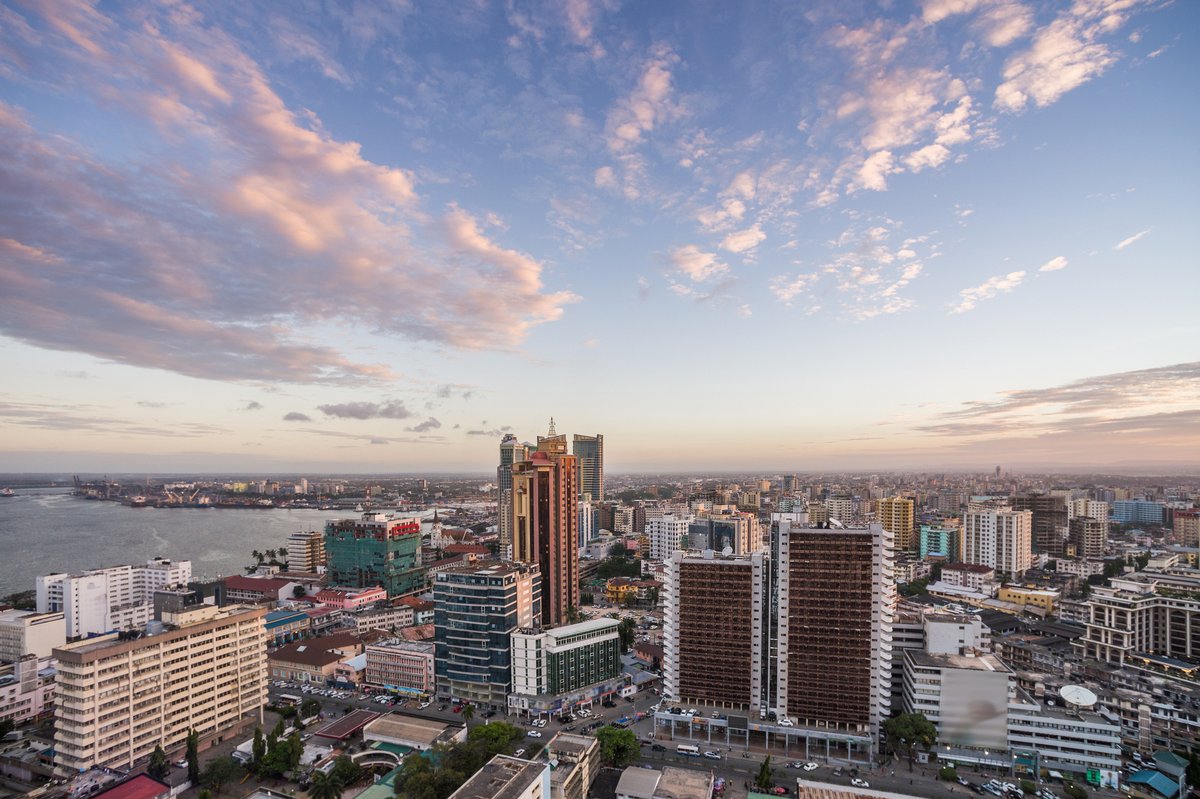
In Dar es Salaam, Tanzania, the rainy season can bring devastating floods that wipe out roads and buildings. The damage caused by these floods could be prevented with adequate planning, but much of the city is made up of unplanned and informal settlements.
What?
Ramani Huria helps communities to map residential areas, roads, streams, floodplains, and other relevant features, aiming to bring disaster prevention and response to areas that were previously off the map.
How?
The project trains teams of local university students and community members to use OpenStreetMap to create sophisticated and accurate maps. Residents of Tandale, an informal settlement in Dar es Salaam, first mapped key local features on OpenStreetMap in 2011. This map was updated and improved in 2015 using aerial drone imagery. The maps are combined with other data in InstaSAFE, a free software that enables users to run realistic natural disaster scenarios for better planning and response. Maps data are publicly available online and in print with an open license, making it easier for government, researchers and people to freely and openly use and redistribute them.
So what?
The data collected is enabling people across all levels of society to improve flood mitigation plans and raise awareness and resilience to natural threats. In 2015 it helped public authorities responding to an unexpected outbreak of cholera, providing detailed information on water points and sanitation data.
Case study: Crowdsourcing Mexico City constitution
Issue: SDG 16: Promote peaceful and inclusive societies for sustainable development, provide access to justice for all and build effective, accountable and inclusive institutions at all levels.
- Purpose: Seek solutions, decide and act
- Methods: Crowdsourcing, surveys, petitions, deliberation
- People: Local residents
- Data: Citizen-generated data (ideas and proposals)
Why?
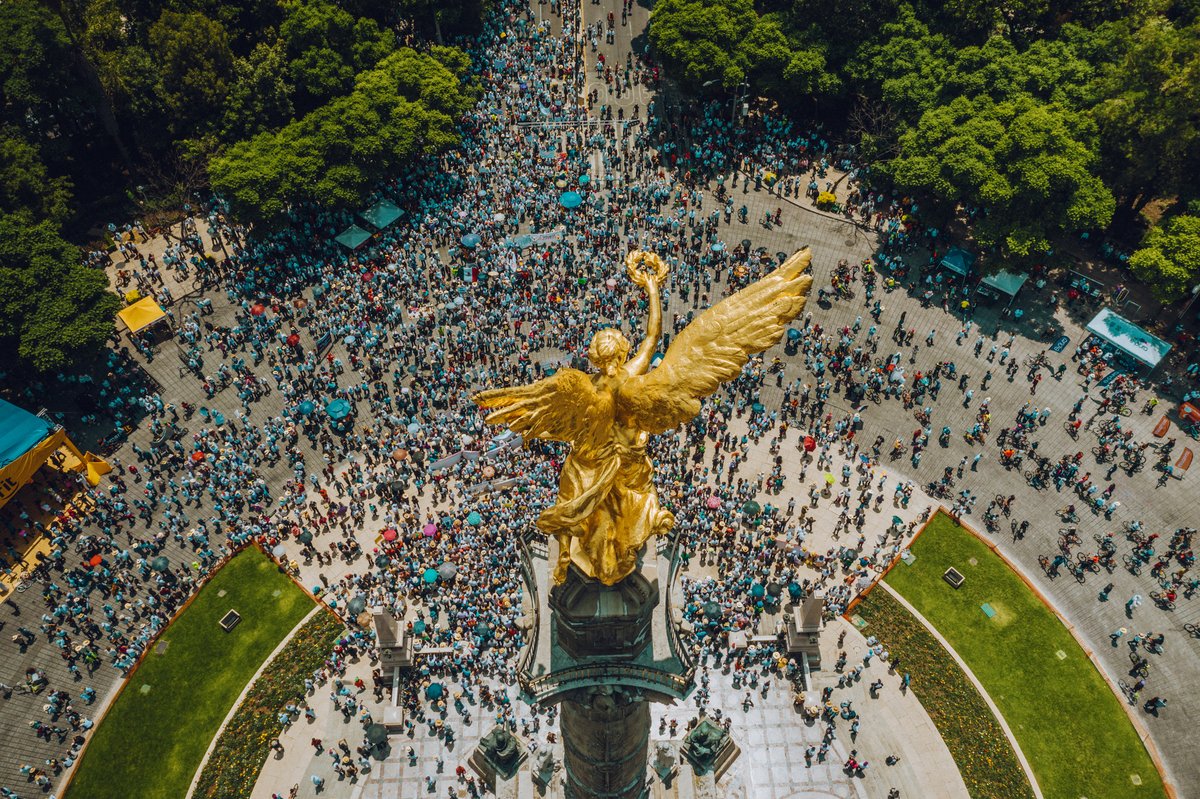
In 2016, the Mexican federal government granted Mexico City the ability to adopt its own citywide constitution, but the process allowed very little input by the people (assuming the draft would be provided exclusively by the Mayor).
What?
In order to build trust and gather fresh ideas, Mayor Ángel Mancera decided to crowdsource the constitution from local residents. He appointed a 28-person drafting committee made up of Mexico City residents, supported by technical staff to translate ideas into legal language.
How?
To solicit ideas for the constitution, the City set up a survey called Imagina tu Ciudad (Imagine Your City) to gather local people’s visions for the city. The survey was made available online and offline, with one strategy including the recruitment of 200 student volunteers, armed with tablets to gather responses from citizens in public spaces. In addition to the survey, the City also worked with Change.org so people could petition for specific articles to be included in the constitution. Any ideas gaining 10,000 signatures or more were given the chance to present to the drafting committee.
So what?
By the end of the process the City had collected 26,000 survey responses, and 280,000 signatures on 357 petitions on issues including LGBTI rights, river and lake revitalization and universal internet access. The constitution was formally approved in February 2017 with crowdsourced components providing an important influence on policy. For instance, one provision allows transgender people to change their gender on official documents without having to go through a judicial process.
Case study: Citymart
Issue: SDG 12: Ensure sustainable consumption and production patterns.
- Purpose: Seek solutions, learn and adapt
- Methods: Challenge prizes, registers
- People: Procurement leads in city governments, small-medium enterprises (SMEs)
- Data: Citizen-generated data (ideas), other data (SME vendor list)
Why?
Procurement is how every city buys goods and services that it cannot obtain internally, but often the process can be top-down, or overly prescriptive, in a way that excludes some of the most innovative or cost-effective solutions.
What?
Citymart helps cities to get more competitive and more innovative ideas in their procurement processes through diversifying cities’ vendor pools and involving more SMEs.
How?
Citymart crowdsources solutions to specific urban problems through competition. Cities post their requirements on a crowdsourcing platform (BidSpark), which matches the requirements to thousands of potential vendors. Vendors can then apply, or rate the procurement, providing feedback to the City. The huge vendor database of 27,000 solutions also allows cities to retrieve and search information about existing projects that other cities are trying to implement. This way, they can learn from other projects before starting a search for their own solution.
So what?
More than 130 governments in 35 countries have used Citymart to date. In San Francisco Citymart delivered 50 previously unknown proposals for an open standards street light system. In Detroit, it found over 1,600 matching vendors for the government's Smart City Strategy.
Note: This project was active on initial publication of the playbook in 2019 but is now no longer active.
Case study: PatientsLikeMe
Issue: SDG 3: Ensure healthy lives and promote well-being for all at all ages.
- Purpose: Seek solutions, learn and adapt
- Methods: Online forums, peer-to-peer exchange, crowdsourcing, citizen science
- People: Patients with rare diseases
- Data: Sensor data (from wearables), citizen-generated data (experiences)

Why?
Peer-support among patients living with a chronic health condition can help people better manage their conditions, share knowledge and provide a level of ongoing assistance where formal healthcare cannot.
What?
PatientsLikeMe is a patient network and real-time research platform with over 600,000 members, through which patients connect with others who have the same disease or condition medication adherence. and track and share their own experiences.
How?
Patients can use the platform to ask questions, learn how others manage their symptoms and learn about or discover treatments that might work for them, or use tracking tools that help them better understand their health and make more informed decisions. The website now provides information on more than 1,000 life-changing illnesses from multiple sclerosis to autism to cancer. In 2016 PetientsLikeMe began connecting patient-reported information with biological data, to find new clues about causes of different diseases reported on the platform.
So what?
The platform’s members have generated more than 43 million data points about diseases, creating one of the largest repositories of patient-reported, cross-condition data available today. Its data forms the basis of more than 100 publicly accessible peer-reviewed scientific studies and has helped researchers to refute traditional randomised clinical trials, model multiple diseases, validate quality measures and shed new light on medication adherence.
Case study: Block by Block
Issue: SDG 11: Make cities and human settlements inclusive, safe, resilient and sustainable.
- Purpose: Seek solutions
- Methods: Gamification, crowdsourcing
- People: Local residents
- Data: Citizen-generated data (ideas)
Why?
In developing countries, citizen engagement in the rapid growth and development that many cities are experiencing is not a priority, and when it is, finding methods that effectively do this are often quite challenging.
What?
With Block by Block, UN-Habitat, Microsoft and Mojang, makers of popular online game Minecraft, are exploring how the game could be used to find out how people want to see their cities develop in the future.
How?
Each project starts with drawing up a 3D model in Minecraft of a public space that needs regenerating. UN-Habitat then runs workshops in which they teach participants how to use the game and get them to brainstorm ideas of what they’d like the final design to look like.
So what?
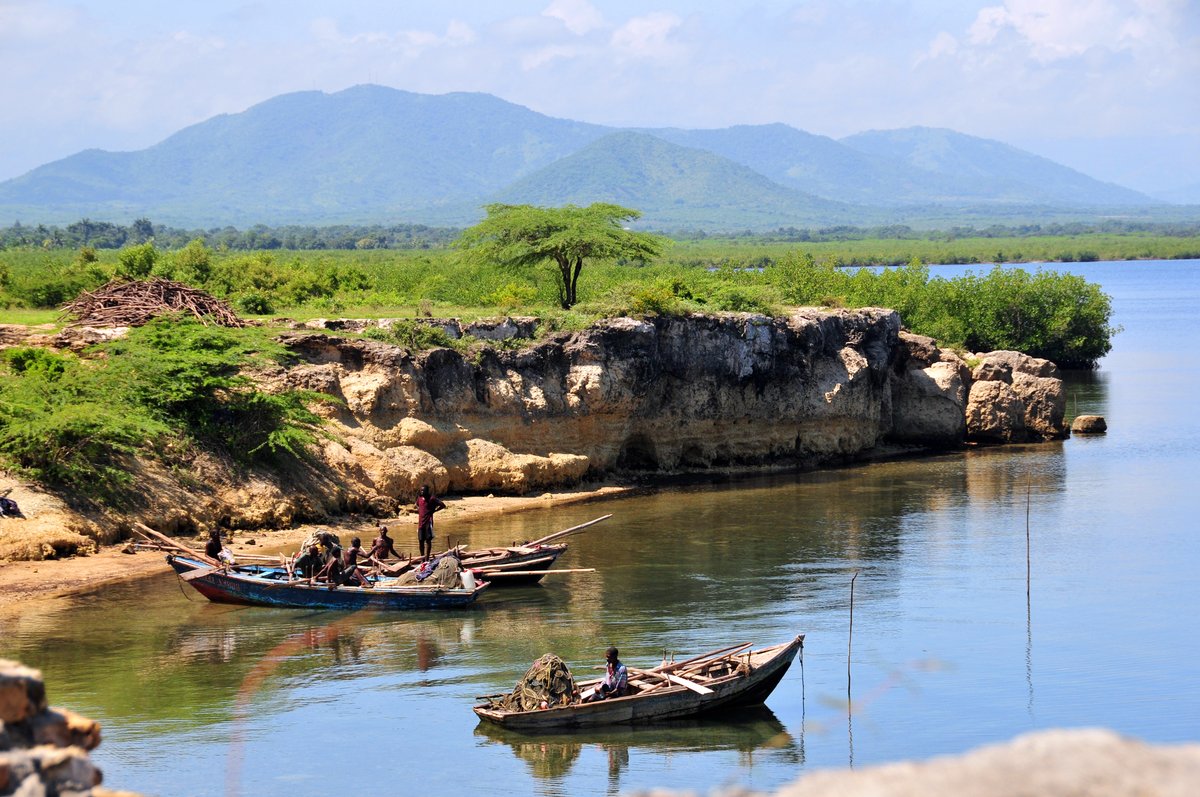
Since the project’s creation, more than 25,000 people have now been involved in workshops around the world, helping the renewal of urban neighbourhoods in more than 30 countries. In Haiti, the project worked with a group of fishermen who couldn't read or write and had never used a computer. They used the program to visualise the changes they would like to see in an area that had been badly affected by flooding. Using Minecraft they built a new seawall as well as adding public toilets to the area. This was then turned into a plan by architects.
Case study: Public Lab
Issue: SDG 14: Conserve and sustainably use the oceans, seas and marine resources for sustainable development. SDG 15: Protect, restore and promote sustainable use of terrestrial ecosystems, sustainably manage forests, combat desertification, and halt and reverse land degradation and halt biodiversity loss.
- Purpose: Understand problems, learn and adapt
- Methods: Citizen science, participatory monitoring, online forums, project wikis, open source repositories, deliberation
- People: Global network or local communities concerned about the environment
- Data: Citizen generated data, sensor data
Why?
In the aftermath of the BP oil spill on the Gulf Coast in 2010, an alliance of activists sought to track information about the spill and the extent of natural disaster. Due to its distance at sea, common tools and methods of aerial mapping were not easily applicable.
What? How?
Using simple DIY tools - such as balloon mapping to capture aerial imagery - a collective of more than a hundred volunteers worked together to gather data and visualise the extent of the environmental damage. This dataset was not otherwise publicly available and empowered the local community to take action against polluters and regulators.
So what?
Since 2010, Public Lab has grown into a global community who share tools, methods and other resources online to investigate environmental concerns. Using a combination of online documentation, iterative adaptation of open source tools and community building through both distributed and face-to-face processes, Public Lab has been adapted to local contexts across the US and far beyond. Use cases include efforts to monitor the clean-up of local waterways in Gowanus (Brooklyn).
Case study: Global Fishing Watch
Issue: SDG 14: Conserve and sustainably use the oceans, seas and marine resources for sustainable development.
- Purpose: Understand problems
- Methods: Data collaborative, Open Data, Heat Map
- People: Journalists, campaigners, researchers, governments
- Data: Satellite data, official data, sensor data
Why?
Hundreds of millions of people depend on the oceans for their livelihoods; more than a billion people rely on fish as their primary source of nutrition. But today, threatened by illegal fishing, overfishing, and habitat destruction, the global fish population is in crisis. Some species’ numbers have dropped by a staggering 90%.
What? Who?
Global Fishing Watch is a remote vessel tracking system launched by Google in partnership with other organisations that aims to address this. Through greater transparency of global commercial fishing activity, the project is committed to advancing ocean sustainability and stewardship.
How?
The system works by combining government data on commercial fishing fleets with data from automatic identification systems (AIS) that large ships use to broadcast their position in order to avoid collisions. Ground stations and satellites pick up this and other information about the vessels’ identity, course and speed. Vessel tracking information is made available through an interactive online map and downloadable data, aimed at members of the public and journalists as much as researchers, campaigners and governments. Partnerships with countries to share and combine data are also key to making monitoring cheaper and more effective for everyone.
So what?
In 2018 Global Fishing Watch published a ‘live’ global view of likely transshipping at sea (a legal but poorly regulated activity), and led to the first ever global assessment of transshipment published in a scientific journal.
Case study: Wefarm
Issue: End hunger, achieve food security and improved nutrition and promote sustainable agriculture.
- Purpose: Seek solutions
- Methods: Peer-to-peer exchange, natural language processing
- People: Smallholder farmers in East Africa
- Data: Citizen-generated data (questions and solutions)
Why?
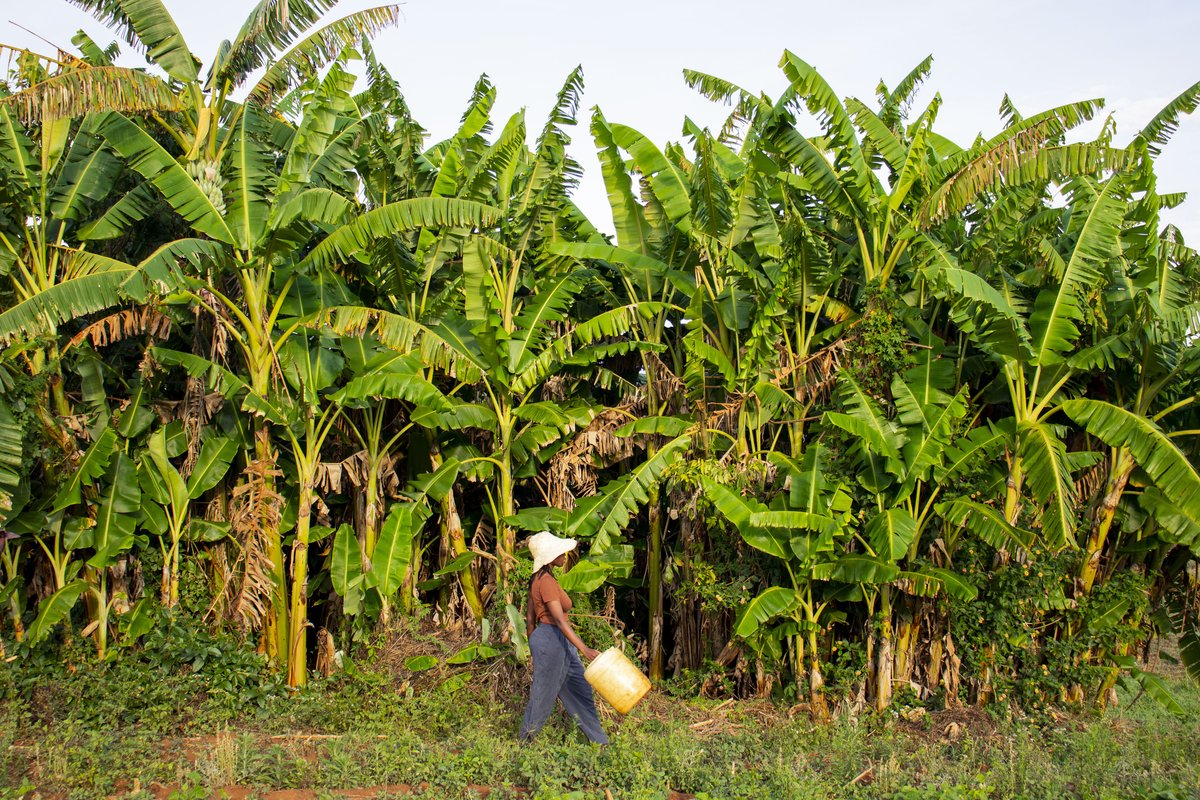
Over a billion smallholder farmers produce 80% of the world’s food, and four of the five most traded commodities on earth, yet the vast majority lack access to the internet and even basic information to help them solve problems or share ideas.
What?
Wefarm is a free peer-to-peer service that enables small-scale farmers in Kenya, Uganda, and Tanzania to share information via SMS, without the internet and without having to leave their farm.
How?
Wefarm’s network allows small-scale farmers to ask each other questions on anything related to agriculture and then receive crowdsourced bespoke content and ideas from other farmers around the world within minutes. The questions can be asked in any language and messaging is free of charge. If farmers don’t have internet access, which is often the case in rural communities, they can access Wefarm via SMS on their mobile phones. Wefarm's machine learning algorithms then match each question to the best suited responder. The natural language processing model can identify three regional African languages – Kiswahili, Luganda, and Runyankore – in addition to English. The fact that Wefarm users don't need proficiency in English increases reach and access.
So what?
Farmers connect with one another to solve problems and share ideas. It’s now the world’s largest farmer-to-farmer digital network, with more than 1 million farmers using it in Kenya and Uganda, sharing more than 40,000 questions and answers daily.