This paper explores the state's role in the GB energy sector and recommends how it could be extended to support decarbonisation objectives. Our proposals include roles that Great British (GB) Energy, a new publicly owned company, might play.
Since the energy industry was privatised in the late 1980s and early 1990s, the market has generally determined the sites and technology mix for energy generation, within the government's policy framework. Natural monopoly networks businesses have been responsible for building and maintaining the pipes and wires needed to get energy from production to the customer, under regulatory incentives set by Ofgem.
Over time, the state has progressively introduced market mechanisms that aim to steer outcomes to meet new policy objectives, particularly around decarbonisation. The introduction of carbon pricing accelerated the switching from coal to gas fired generation. Policies to support investment in renewables, such as the Renewables Obligation and Contracts for Difference (CfD) mechanism have enabled the deployment of around 43 GW of renewable capacity. Renewable energy costs have fallen dramatically, and new technologies have successfully come to market. One new nuclear project is under construction (Hinckley Point C), with a further nuclear project (Sizewell C) and several carbon capture and hydrogen projects also in development.
As a result of these policies, carbon dioxide emissions in the GB power sector have fallen by 78% since 1990 - and by 53% across the UK economy as a whole.
The ambition is to decarbonise the power sector as fast as possible, ideally by 2030. Looking beyond that - to achieve net zero emissions across the whole economy we need to decarbonise transport, heat, and 'hard to abate' sectors like large industry and aviation. As result, we face the challenge of achieving and maintaining zero carbon power, whilst addressing an unprecedented increase in electricity demand from about 300 TWh in 2030 to around 450-550 TWh, or 55-90% of total energy needs, in 2050. Hence, we present a strong focus on the power sector in this report.
Progression towards this target will require around £350bn to £500bn of investment over the next ten years in the power sector alone - in the face of stiff international competition for finance and resources.
The power sector faces escalating prices, supply chain constraints, and higher interest rates, while the cost of living remains front of mind for end consumers. The energy transition provides the opportunity to stimulate economic growth and create domestic jobs. Some forms of low carbon energy are already cheaper than the alternatives. By lowering dependence on imported fossil fuels, renewables can contribute to more stable and predictable energy costs. However, the level of investment required means that citizens could be saddled with higher energy bills and taxes if the transition is not managed carefully.
Many of the pieces of the puzzle needed to deliver enduring decarbonisation pathways are in place. With the right frameworks and incentives, the industry has the necessary ambition, and there is plenty of capital ready to be deployed. The UK benefits from a highly competitive energy market, with many diversified and sophisticated developers seeking to build projects across a broad range of technologies.
The energy system is highly complex, and there are interdependencies between parts of the value chain that are required to rapidly deliver decarbonised energy. For instance:
Aligning all project elements – technical, commercial, financing, planning and regulatory approvals, and offtake - is extremely difficult. As a result, there may be slow progress or sub-optimal whole-system configurations leading to higher costs.
Recent initiatives like the Holistic Network Design and Strategic Spatial Energy Plan are important for creating greater forward visibility and aligning decision-making. However, without greater certainty in terms of project type, volume, and timings, it is hard for the necessary supply chain to develop. This leads to undercapacity and further impedes the speed of deployment.
Currently, capital deployment rates in the power and gas sectors are around £10-15bn per year, approximately 20-40% of the run rate required to achieve decarbonisation objectives. Lack of capital is not necessarily the problem. Instead, grid connection challenges and supply chain bottlenecks are major factors, as are slow planning processes.
We will rely on innovation and new technologies to meet energy transition targets. We require a step change in the pace at which these technologies are being commercialised and deployed at scale.
Moving at pace introduces risks that we overpay and achieve a poor deal for customers. Approaches that have been successful so far may not be optimal to best meet the challenges ahead.
For example, the competitive processes for allocating revenue support to low carbon projects have led to price discovery and cost reduction. However, by definition, projects must fail if the process is to be truly competitive, but that can slow progress and increase risk premia. It also creates uncertainty for the supply chain.
If most projects will be needed to achieve net zero in any case, the current approach may not be cost optimal. Inframarginal rent in current CfD auctions, regret development spend, and increased risk associated with the two-stage seabed lease/CfD allocation process also increase costs to consumers. For example, we estimate that inframarginal rent from CfD auctions of new offshore wind projects to be delivered between 2030-2050 would cost consumers somewhere between £10-35bn more than necessary, under current auction arrangements.
Working hand in hand with the private sector, we believe that extending the state's role in several areas could help address these issues, thereby:
Our proposals (Table 1) are grouped according to the four roles we believe the state should play: as a planner, developer, investor, and enabler. We believe these proposals could accelerate decarbonisation of the whole economy by several years (we conservatively estimate two to four years), increase system resilience, and save costs while returning a greater proportion of benefits from the energy transition to citizens. They would also facilitate better alignment between the UK's energy and industrial strategies, enabling economic growth.
| State role | Summary of proposals |-----------|-----------------------------------------------------------------------------------------------------------------------------------------------------------------------------------------------------------------------------------------------------------------------------------------------------------------------------------------------------------------------------------------------------------------------------------------------------------------------------------------------------------------------------------------------------------------------------------------------------------------------------------------------------------------------------------------------------------------------------------------------------------------------------------------------------------------------------------------------------------------------------------------------------------------------------------------------------------------------------------------------------------------------------------------------------------------------------------------------------------------------------------------------------------------------------------------------------------------------------------------------------------------------------------------------------------------------------------------------------------------------------------------------------------------------------------------------------------------------------------------------------------------------------------------------------------------------------------------------------------------------------------------------------------------------------------------------------------------------------------------------------------------------------------------------------------------------------------------------------------------------------------------------------------------------------------------------------------------------------------------------------------------------------------------------------------------------------------------------------------------------------------------------------------------------------------------------------------------------------------------------------------------------------------------------------------------------------------------------------------------------------------------------------------------------------------------------------------------------------------------------------------------------------------------------------------------------------------------------------------------------------------------------------------------------------------------------------------------------------------------------------------------------------------------------------------------------------------------------------------------------------------------------------------------------------------------------------------------------------------------------------------------------------------------------------------------------------------------------------------------------------------------------------------------------------------------------------------------------------------------------------------------------------------------------------------------------------------------------------------------------------------------------------------------------------------------------------------------------------------------------------------------------------------------------------------------------------------------------------------------------------------------------------------------------------------------------------------------------------------------------------------------------------------------------------------------------------------------------------------------------------------------------------------------------------------------------------------------------------------------------------------------------------------------------------------------------------------------------------------------------------------------------------------------------------------------------------------------------------------------------------------------------------------------------------------------------------------------------------------------------------------------------------------------------------------------------------------------------------------------------------------------------------------------------------------------------------------------------------------------------------------------------------------------------------------------------------------------------------------------------------------------------------------------------------------------------------------------------------------------------------------------------------------------------------------------------------------------------------------------------------------------------------------------------------------------------------------------------------------------------------------------------------------------------------------------------------------------------------------------------------------------------------------------------------------------------------------------------------------------------------------------------------------------------------------------------------------------------------------------------------------------------------------------------------------------------------------------------------------------------------------------------------------------------------------------------------------------------------------------------------------------------------------------------------------------------------------------------------------------------------------------------------------------------------------------------------------------------------------------------------------------------------------------------------------------------------------------------------------------------------------------------------------------------------------------------------------------------------------------------------------------------------------------------------------------------------------------------------------------------------------------------------------------------------------------------------------------------------------------------------------------------------------------------------------------------------------------------------------------------------------------------------------------------------------------------------------------------------------------------------------------------------------------------------------------------------------------------------------------------------------------------------------------------------------------------------------------------------------------------------------------------------------------------------------------------------------------------------------------------------------------------------------------------------------------------------------------------------------------------------------------------------------------------------------------------------------------------------------------------------------------------------------------------------------------------------------------------------------------------------------------------------------------------------------------------------------------------------------------------------------------------------------------------------------------------------------------------------------------------------------------------------------------------------------------------------------------------------------------------------------------------------------------------------------------------------------------------------------------------------------------------------------------------------------------------------------------------------------------------------------------------------------------------------------------------------------------------------------------------------------------------------------------------------------------------------------------------------------------------------------------------------------------------------------------------------------------------------------------------------------------------------------------------------------------------------------------------------------------------------------------------------------------------------------------------------------------------------------------------------------------------------------------------------------------------------------------------------------------------------------------------------------------------------------------------------------------------------------------------------------------------------------------------------------------------------------------------------------------------------------------------------------------------------------------------------------------------------------------------------------------------------------------------------------------------------------------------------------------------------------------------------------------------------------------------------------------------------------------------------------------------------------------------------------------------------------------------------------------------------------------------------------------------------------------------------------------------------------------------------------------------------------------------------------------------------------------------------------------------------------------------------------------------------------------------------------------------------------------------------------------------------------------------------------------------------------------------------------------------------------------------------------------------------------------------------------------------------------------------------------------------------------------------------------------------------------------------------------------------------------------------------------------------------------------------------------------------------------------------------------------------------------------------------------------------------------------------------------------------------------------------------------------------------------------------------------------------------------------------------------------------------------------------------------------------------------------------------------------------------------------------------------------------------------------------------------------------------------------------------------------------------------------------------------------------------------------------------------------------------------------------------------------------------------------------------------------------------------------------------------------------------------------------------------------------------------------------------------------------------------------------------------------------------------------------------------------------------------------------------------------------------------------------------------------------------------------------------------------------------------------------------------------------------------------------------------------------------------------------------------------------------------------------------------------------------------------------------------------------------------------------------------------------------------------------------------------------------------------------------------------------------------------------------------------------------------------------------------------------------------------------------------------------------------------------------------------------------------------------------------------------------------------------------------------------------------------------------------------------------------------------------------------------------------------------------------------------------------------------------------------------------------------------------------------------------------------------------------------------------------------------------------------------------------------------------------------------------------------------------------------------------------------------------------------------------------------------------------------------------------------------------------------------------------------------------------------------------------------------------------------------------------------------------------------------------------------------------------------------------------------------------------------------------------------------------------------------------------------------------------------------------------------------------------------------------------------------------------------------------------------------------------------------------------------------------------------------------------------------------------------------------------------------------------------------------------------------------------------------------------------------------------------------------------------------------------------------------------------------------------------------------------------------------------------------------------------------------------------------------------------------------------------------------------------------------------------------------------------------------------------------------------------------------------------------------------------------------------------------------------------------------------------------------------------------------------------------------------------------------------------------------------------------------------------------------------------------------------------------------------------------------------------------------------------------------------------------------------------------------------------------------------------------------------------------------------------------------------------------------------------------------------------------------------------------------------------------------------------------------------------------------------------------------------------------------------------------------------------------------------------------------------------------------------------------------------------------------------------------------------------------------------------------------------------------------------------------------------------------------------------------------------------------------------------------------------------------------------------------------------------------------------------------------------------------------------------------------------------------------------------------------------------------------------------------------------------------------------------------------------------------------------------------------------------------------------------------------------------------------------------------------------------------------------------------------------------------------------------------------------------------------------------------------------------------------------------------------------------------------------------------------------------------------------------------------------------------------------------------------------------------------------------------------------------------------------------------------------------------------------------------------------------------------------------------------------------------------------------------------------------------------------------------------------------------------------------------------------------------------------------------------------------------------------------------------------------------------------------------------------------------------------------------------------------------------------------------------------------------------------------------------------------------------------------------------------------------------------------------------------------------------------------------------------------------------------------------------------------------------------------------------------------------------------------------------------------------------------------------------------------------------------------------------------------------------------------------------------------------------------------------------------------------------------------------------------------------------------------------------------------------------------------------------------------------------------------------------------------------------------------------------------------------------------------------------------------------------------------------------------------------------------------------------------------------------------------------------------------------------------------------------------------------------------------------------------------------------------------------------------------------------------------------------------------------------------------------------------------------------------------------------------------------------------------------------------------------------------------------------------------------------------------------------------------------------------------------------------------------------------------------------------------------------------------------------------------------------------------------------------------------------------------------------------------------------------------------------------------------------------------------------------------------------------------------------------------------------------------------------------------------------------------------------------------------------------------------------------------------------------------------------------------------------------------------------------------------------------------------------------------------------------------------------------------------------------------------------------------------------------------------------------------------------------------------------------------------------------------------------------------------------------------------------------------------------------------------------------------------------------------------------------------------------------------------------------------------------------------------------------------------------------------------------------------------------------------------------------------------------------------------------------------------------------------------------------------------------------------------------------------------------------------------------------------------------------------------------------------------------------------------------------------------------------------------------------------------------------------------------------------------------------------------------------------------------------------------------------------------------------------------------------------------------------------------------------------------------------------------------------------------------------------------------------------------------------------------------------------------------------------------------------------------------------------------------------------------------------------------------------------------------------------------------------------------------------------------------------------------------------------------------------------------------------------------------------------------------------------------------------------------------------------------------------------------------------------------------------------------------------------------------------------------------------------------------------------------------------------------------------------------------------------------------------------------------------------------------------------------------------------------------------------------------------------------------------------------------------------------------------------------------------------------------------------------------------------------------------------------------------------------------------------------------------------------------------------------------------------------------------------------------------------------------------------------------------------------------------------------------------------------------------------------------------------------------------------------------------------------------------------------------------------------------------------------------------------------------------------------------------------------------------------------------------------------------------------------------------------------------------------------------------------------------------------------------------------------------------------------------------------------------------------------------------------------------------------------------------------------------------------------------------------------------------------------------------------------------------------------------------------------------------------------------------------------------------------------------------------------------------------------------------------------------------------------------------------------------------------------------------------------------------------------------------------------------------------------------------------------------------------------------------------------------------------------------------------------------------------------------------------------------------------------------------------------------------------------------------------------------------------------------------------------------------------------------------------------------------------------------------------------------------------------------------------------------------------------------------------------------------------------------------------------------------------------------------------------------------------------------------------------------------------------------------------------------------------------------------------------------------------------------------------------------------------------------------------------------------------------------------------------------------------------------------------------------------------------------------------------------------------------------------------------------------------------------------------------------------------------------------------------------------------------------------------------------------------------------------------------------------------------------------------------------------------------------------------------------------------------------------------------------------------------------------------------------------------------------------------------------------------------------------------------------------------------------------------------------------------------------------------------------------------------------------------------------------------------------------------------------------------------------------------------------------------------------------------------------------------------------------------------------------------------------------------------------------------------------------------------------------------------------------------------------------------------------------------------------------------------------------------------------------------------------------------------------------------------------------------------------------------------------------------------------------------------------------------------------------------------------------------------------------------------------------------------------------------------------------------------------------------------------------------------------------------------------------------------------------------------------------------------------------------------------------------------------------------------------------------------------------------------------------------------------------------------------------------------------------------------------------------------------------------------------------------------------------------------------------------------------------------------------------------------------------------------------------------------------------------------------------------------------------------------------------------------------------------------------------------------------------------------------------------------------------------------------------------------------------------------------------------------------------------------------------------------------------------------------------------------------------------------------------------------------------------------------------------------------------------------------------------------------------------------------------------------------------------------------------------------------------------------------------------------------------------------------------------------------------------------------------------------------------------------------------------------------------------------------------------------------------------------------------------------------------------------------------------------------------------------------------------------------------------------------------------------------------------------------------------------------------------------------------------------------------------------------------------------------------------------------------------------------------------------------------------------------------------------------------------------------------------------------------------------------------------------------------------------------------------------------------------------------------------------------------------------------------------------------------------------------------------------------------------------------------------------------------------------------------------------------------------------------------------------------------------------------------------------------------------------------------------------------------------------------------------------------------------------------------------------------------------------------------------------------------------------------------------------------------------------------------------------------------------------------------------------------------------------------------------------------------------------------------------------------------------------------------------------------------------------------------------------------------------------------------------------------------------------------------------------------------------------------------------------------------------------------------------------------------------------------------------------------------------------------------------------------------------------------------------------------------------------------------------------------------------------------------------------------------------------------------------------------------------------------------------------------------------------------------------------------------------------------------------------------------------------------------------------------------------------------------------------------------------------------------------------------------------------------------------------------------------------------------------------------------------------------------------------------------------------------------------------------------------------------------------------------------------------------------------------------------------------------------------------------------------------------------------------------------------------------------------------------------------------------------------------------------------------------------------------------------------------------------------------------------------------------------------------------------------------------------------------------------------------------------------------------------------------------------------------------------------------------------------------------------------------------------------------------------------------------------------------------------------------------------------------------------------------------------------------------------------------------------------------------------------------------------------------------------------------------------------------------------------------------------------------------------------------------------------------------------------------------------------------------------------------------------------------------------------------------------------------------------------------------------------------------------------------------------------------------------------------------------------------------------------------------------------------------------------------------------------------------------------------------------------------------------------------------------------------------------------------------------------------------------------------------------------------------------------------------------------------------------------------------------------------------------------------------------------------------------------------------------------------------------------------------------------------------------------------------------------------------------------------------------------------------------------------------------------------------------------------------------------------------------------------------------------------------------------------------------------------------------------------------------------------------------------------------------------------------------------------------------------------------------------------------------------------------------------------------------------------------------------------------------------------------------------------------------------------------------------------------------------------------------------------------------------------------------------------------------------------------------------------------------------------------------------------------------------------------------------------------------------------------------------------------------------------------------------------------------------------------------------------------------------------------------------------------------------------------------------------------------------------------------------------------------------------------------------------------------------------------------------------------------------------------------------------------------------------------------------------------------------------------------------------------------------------------------------------------------------------------------------------------------------------------------------------------------------------------------------------------------------------------------------------------------------------------------------------------------------------------------------------------------------------------------------------------------------------------------------------------------------------------------------------------------------------------------------------------------------------------------------------------------------------------------------------------------------------------------------------------------------------------------------------------------------------------------------------------------------------------------------------------------------------------------------------------------------------------------------------------------------------------------------------------------------------------------------------------------------------------------------------------------------------------------------------------------------------------------------------------------------------------------------------------------------------------------------------------------------------------------------------------------------------------------------------------------------------------------------------------------------------------------------------------------------------------------------------------------------------------------------------------------------------------------------------------------------------------------------------------------------------------------------------------------------------------------------------------------------------------------------------------------------------------------------------------------------------------------------------------------------------------------------------------------------------------------------------------------------------------------------------------------------------------------------------------------------------------------------------------------------------------------------------------------------------------------------------------------------------------------------------------------------------------------------------------------------------------------------------------------------------------------------------------------------------------------------------------------------------------------------------------------------------------------------------------------------------------------------------------------------------------------------------------------------------------------------------------------------------------------------------------------------------------------------------------------------------------------------------------------------------------------------------------------------------------------------------------------------------------------------------------------------------------------------------------------------------------------------------------------------------------------------------------------------------------------------------------------------------------------------------------------------------------------------------------------------------------------------------------------------------------------------------------------------------------------------------------------------------------------------------------------------------------------------------------------------------------------------------------------------------------------------------------------------------------------------------------------------------------------------------------------------------------------------------------------------------------------------------------------------------------------------------------------------------------------------------------------------------------------------------------------------------------------------------------------------------------------------------------------------------------------------------------------------------------------------------------------------------------------------------------------------------------------------------------------------------------------------------------------------------------------------------------------------------------------------------------------------------------------------------------------------------------------------------------------------------------------------------------------------------------------------------------------------------------------------------------------------------------------------------------------------------------------------------------------------------------------------------------------------------------------------------------------------------------------------------------------------------------------------------------------------------------------------------------------------------------------------------------------------------------------------------------------------------------------------------------------------------------------------------------------------------------------------------------------------------------------------------------------------------------------------------------------------------------------------------------------------------------------------------------------------------------------------------------------------------------------------------------------------------------------------------------------------------------------------------------------------------------------------------------------------------------------------------------------------------------------------------------------------------------------------------------------------------------------------------------------------------------------------------------------------------------------------------------------------------------------------------------------------------------------------------------------------------------------------------------------------------------------------------------------------------------------------------------------------------------------------------------------------------------------------------------------------------------------------------------------------------------------------------------------------------------------------------------------------------------------------------------------------------------------------------------------------------------------------------------------------------------------------------------------------------------------------------------------------------------------------------------------------------------------------------------------------------------------------------------------------------------------------------------------------------------------------------------------------------------------------------------------------------------------------------------------------------------------------------------------------------------------------------------------------------------------------------------------------------------------------------------------------------------------------------------------------------------------------------------------------------------------------------------------------------------------------------------------------------------------------------------------------------------------------------------------------------------------------------------------------------------------------------------------------------------------------------------------------------------------------------------------------------------------------------------------------------------------------------------------------------------------------------------------------------------------------------------------------------------------------------------------------------------------------------------------------------------------------------------------------------------------------------------------------------------------------------------------------------------------------------------------------------------------------------------------------------------------------------------------------------------------------------------------------------------------------------------------------------------------------------------------------------------------------------------------------------------------------------------------------------------------------------------------------------------------------------------------------------------------------------------------------------------------------------------------------------------------------------------------------------------------------------------------------------------------------------------------------------------------------------------------------------------------------------------------------------------------------------------------------------------------------------------------------------------------------------------------------------------------------------------------------------------------------------------------------------------------------------------------------------------------------------------------------------------------------------------------------------------------------------------------------------------------------------------------------------------------------------------------------------------------------------------------------------------------------------------------------------------------------------------------------------------------------------------------------------------------------------------------------------------------------------------------------------------------------------------------------------------------------------------------------------------------------------------------------------------------------------------------------------------------------------------------------------------------------------------------------------------------------------------------------------------------------------------------------------------------------------------------------------------------------------------------------------------------------------------------------------------------------------------------------------------------------------------------------------------------------------------------------------------------------------------------------------------------------------------------------------------------------------------------------------------------------------------------------------------------------------------------------------------------------------------------------------------------------------------------------------------------------------------------------------------------------------------------------------------------------------------------------------------------------------------------------------------------------------------------------------------------------------------------------------------------------------------------------------------------------------------------------------------------------------------------------------------------------------------------------------------------------------------------------------------------------------------------------------------------------------------------------------------------------------------------------------------------------------------------------------------------------------------------------------------------------------------------------------------------------------------------------------------------------------------------------------------------------------------------------------------------------------------------------------------------------------------------------------------------------------------------------------------------------------------------------------------------------------------------------------------------------------------------------------------------------------------------------------------------------------------------------------------------------------------------------------------------------------------------------------------------------------------------------------------------------------------------------------------------------------------------------------------------------------------------------------------------------------------------------------------------------------------------------------------------------------------------------------------------------------------------------------------------------------------------------------------------------------------------------------------------------------------------------------------------------------------------------------------------------------------------------------------------------------------------------------------------------------------------------------------------------------------------------------------------------------------------------------------------------------------------------------------------------------------------------------------------------------------------------------------------------------------------------------------------------------------------------```
Executive summary
This paper explores the state's role in the GB energy sector and recommends how it could be extended to support decarbonisation objectives. Our proposals include roles that Great British (GB) Energy, a new publicly owned company, might play.
The state has successfully steered the market towards decarbonisation
Since the energy industry was privatised in the late 1980s and early 1990s, the market has generally determined the sites and technology mix for energy generation, within the government's policy framework. Natural monopoly networks businesses have been responsible for building and maintaining the pipes and wires needed to get energy from production to the customer, under regulatory incentives set by Ofgem.
Over time, the state has progressively introduced market mechanisms that aim to steer outcomes to meet new policy objectives, particularly around decarbonisation. The introduction of carbon pricing accelerated the switching from coal to gas fired generation. Policies to support investment in renewables, such as the Renewables Obligation and Contracts for Difference (CfD) mechanism have enabled the deployment of around 43 GW of renewable capacity. Renewable energy costs have fallen dramatically, and new technologies have successfully come to market. One new nuclear project is under construction (Hinckley Point C), with a further nuclear project (Sizewell C) and several carbon capture and hydrogen projects also in development.
As a result of these policies, carbon dioxide emissions in the GB power sector have fallen by 78% since 1990 - and by 53% across the UK economy as a whole.
Meeting and maintaining net zero carbon emissions will become more challenging
The ambition is to decarbonise the power sector as fast as possible, ideally by 2030. Looking beyond that - to achieve net zero emissions across the whole economy we need to decarbonise transport, heat, and 'hard to abate' sectors like large industry and aviation. As result, we face the challenge of achieving and maintaining zero carbon power, whilst addressing an unprecedented increase in electricity demand from about 300 TWh in 2030 to around 450-550 TWh, or 55-90% of total energy needs, in 2050. Hence, we present a strong focus on the power sector in this report.
Progression towards this target will require around £350bn to £500bn of investment over the next ten years in the power sector alone - in the face of stiff international competition for finance and resources.
The power sector faces escalating prices, supply chain constraints, and higher interest rates, while the cost of living remains front of mind for end consumers. The energy transition provides the opportunity to stimulate economic growth and create domestic jobs. Some forms of low carbon energy are already cheaper than the alternatives. By lowering dependence on imported fossil fuels, renewables can contribute to more stable and predictable energy costs. However, the level of investment required means that citizens could be saddled with higher energy bills and taxes if the transition is not managed carefully.
Industry is ambitious about decarbonisation, but there are three overarching problems
Many of the pieces of the puzzle needed to deliver enduring decarbonisation pathways are in place. With the right frameworks and incentives, the industry has the necessary ambition, and there is plenty of capital ready to be deployed. The UK benefits from a highly competitive energy market, with many diversified and sophisticated developers seeking to build projects across a broad range of technologies.
However, we identify three overarching problems that must be tackled:
- We need greater coordination and certainty
- We need to pick up the pace
- We need to ensure good value for money
We need greater coordination and certainty
The energy system is highly complex, and there are interdependencies between parts of the value chain that are required to rapidly deliver decarbonised energy. For instance:
- Output from renewables cannot be dispatched as and when needed and is typically located far from customers. Deployment of renewables requires expansion in network capacity, electricity storage, and flexibility to keep pace.
- Grid investment has not kept up with grid connection applications, with over 700 GW in the connections queue across transmission and distribution.
- Offshore grids may require connections to multiple offshore wind farms, oil and gas production platforms, onshore connection points, and possibly neighbouring markets.
- Hydrogen projects must align production with local anchor demand and with the necessary transportation and storage to get to market.
- While the power sector is being decarbonised, decommissioning of the gas grid must be phased carefully with the roll-out of alternative solutions for heating, cooking, and industrial processes.
Aligning all project elements – technical, commercial, financing, planning and regulatory approvals, and offtake - is extremely difficult. As a result, there may be slow progress or sub-optimal whole-system configurations leading to higher costs.
Recent initiatives like the Holistic Network Design and Strategic Spatial Energy Plan are important for creating greater forward visibility and aligning decision-making. However, without greater certainty in terms of project type, volume, and timings, it is hard for the necessary supply chain to develop. This leads to undercapacity and further impedes the speed of deployment.
We need to pick up the pace
Currently, capital deployment rates in the power and gas sectors are around £10-15bn per year, approximately 20-40% of the run rate required to achieve decarbonisation objectives. Lack of capital is not necessarily the problem. Instead, grid connection challenges and supply chain bottlenecks are major factors, as are slow planning processes.
We will rely on innovation and new technologies to meet energy transition targets. We require a step change in the pace at which these technologies are being commercialised and deployed at scale.
We need to ensure good value for money
Moving at pace introduces risks that we overpay and achieve a poor deal for customers. Approaches that have been successful so far may not be optimal to best meet the challenges ahead.
For example, the competitive processes for allocating revenue support to low carbon projects have led to price discovery and cost reduction. However, by definition, projects must fail if the process is to be truly competitive, but that can slow progress and increase risk premia. It also creates uncertainty for the supply chain.
If most projects will be needed to achieve net zero in any case, the current approach may not be cost optimal. Inframarginal rent in current CfD auctions, regret development spend, and increased risk associated with the two-stage seabed lease/CfD allocation process also increase costs to consumers. For example, we estimate that inframarginal rent from CfD auctions of new offshore wind projects to be delivered between 2030-2050 would cost consumers somewhere between £10-35bn more than necessary, under current auction arrangements.
How extending the state's role could address decarbonisation challenges
Working hand in hand with the private sector, we believe that extending the state's role in several areas could help address these issues, thereby:
- Accelerating the pace of decarbonisation
- Bringing down the costs of the transition and returning value to energy consumers
- Improving the resilience of our energy system, with less reliance on imported energy and international supply chains
- Promoting economic growth
Our proposals (Table 1) are grouped according to the four roles we believe the state should play: as a planner, developer, investor, and enabler. We believe these proposals could accelerate decarbonisation of the whole economy by several years (we conservatively estimate two to four years), increase system resilience, and save costs while returning a greater proportion of benefits from the energy transition to citizens. They would also facilitate better alignment between the UK's energy and industrial strategies, enabling economic growth.
Table 1: Summary of our proposals
| State role | Summary of proposals State State as an
enabler | We propose planning system reforms that would help unlock potential
projects and would support delivery of our proposals for an expanded state
role as a planner and as a developer.
              We believe that greater forward visibility and certainty coming from the
              strategic plan will tackle the root cause of supply chain challenges. The
              benefits of this – combined with targeted state investment and grant funding,
              and other incentives and initiatives in train such as Sustainable Industry
              Rewards - will need to be understood before further interventions are
              considered.

              We propose building on existing structures to enhance coordination of
              innovation, with an overarching strategy defined in alignment with the
              strategic plan.

              We propose a public energy procurer that coordinates energy procurement for
              public bodies, including offtake from projects developed on public land.
Mechanisms for extending the state's role
Many of our recommendations work in the direction of travel pursued in recent years, though they go further than existing intent. For example, the ongoing move of the National Energy System Operator (NESO) into state ownership with additional system planning responsibilities is a step towards the system architect option we set out in this paper. Our proposals build on this to give the system architect responsibility both for defining the high-level technology mix and locational deployment. The system architect would also be responsible for defining the most appropriate mechanism for deploying the assets it defines in the plan.
Entities such as GB Nuclear and The Crown Estate are already taking on greater pre-development responsibilities for nuclear, small modular reactor, and offshore wind projects. Our proposals would build on these roles, also extending this approach to a broader range of onshore assets. Following this pre-development work, the state would then hold auctions in which the private sector competes to develop and own the projects, with the state capturing some of the project value.
To implement the proposals in this paper, we recommend:
- State as a planner: NESO's role should be extended further to take on the proposed system architect function.
- State as a developer: The state should take on the proposed pre-development roles, capturing value from these activities by taking equity stakes and/or by passing cost savings on to customers. The state would likely need to leverage existing capability that exists within TCE, GB Nuclear, and the private sector. A credible option which could be introduced quickly is for TCE to take on pre-development activities for offshore assets, building off the existing skills and capabilities TCE has already been developing. Over time, either through partnerships or through upskilling of its own capabilities, TCE could develop a similar role for large-scale onshore assets.
- State as an investor: GB Energy could also play the investor role, or this could be done separately via the UK Infrastructure Bank, or an evolution of that organisation. At a minimum, GB Energy would need to be sufficiently well capitalised to invest in the projects that it is developing.
- State as an enabler: The enabling roles could mostly be delivered through existing organisations.
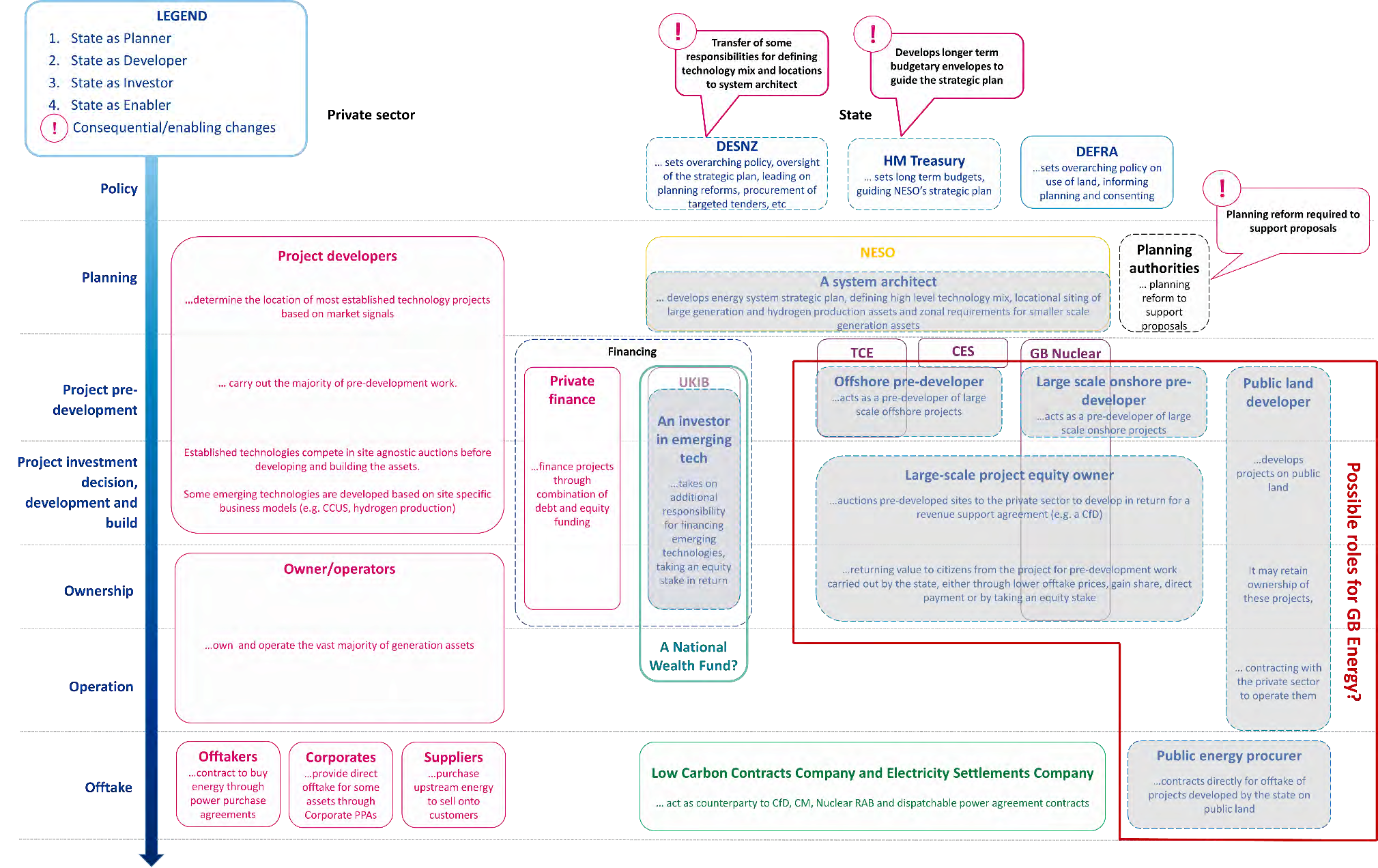
Figures 1, 2, and 3 summarise our proposed reforms and organisational responsibilities. Figure 1 summarises the existing role of the state in the deployment of system assets. Figure 2 overlays this with the set of roles that we propose in this report, and Figure 3 further overlays the organisations that could undertake these roles.
Protecting short-term decarbonisation while enabling long-term net zero emissions
We recognise that several proposals in this paper represent significant structural changes to roles and responsibilities between the public and private sectors, which would not be without risks and downsides. There are questions about whether the state can allocate scarce resources as efficiently as the market, and whether it can attract the skills and capabilities needed to undertake the roles we propose.
There are interactions between our proposals and ongoing market reforms, most notably the government's Review of Electricity Market Arrangements (REMA). A more expansive role of the state could impact on the benefits case of certain reforms within REMA. However, we believe that our proposals will work in combination with reforms which seek to maximise the strength of operational and locational signals for system users and encourage flexibility.
The new government has targeted a decarbonised power sector by 2030 and is introducing several policies to enable this. New measures include planning reforms which make it easier to develop low carbon projects, particularly onshore in England and Wales, and the introduction of a 'Mission Control for Clean Power' which has been tasked with setting and tracking the approach to deliver a decarbonised power system.
The proposals contained in this report can also contribute to near-term decarbonisation trajectories before 2030 but are likely to have biggest benefit into the 2030s and beyond, coinciding with the significant step up in electricity demand which will be driven by widespread electrification.
If implemented carefully, we believe our proposals can work effectively alongside other policies that promote short-term decarbonisation objectives, while providing a strong foundation for the even greater challenge of delivering economy-wide net zero emissions by 2050.
Once in place, we believe that proposed reforms could deliver:
- Pacier delivery of low carbon infrastructure allowing for acceleration of whole energy system decarbonisation by approximately two to four years due to enhanced coordination and efficiencies in project development and deployment.
- A reduction in the £350-500bn of capital investment in the power sector that needs to be deployed to deliver decarbonisation.
- A transfer of up to £35bn from producers to consumers out to 2050 for offshore wind alone, with the potential for additional transfers of surplus for other low carbon technologies.
- Savings of up to c. £1bn in regret development expenditure for offshore wind projects that ultimately fail, with similar benefits possible for onshore projects.
- More efficient deployment of network infrastructure and system assets, reducing the total volume of infrastructure needed to deliver decarbonisation.
- Greater certainty for the supply chain, leading to more investment, growth in green jobs, and more domestic capacity.
- A reduction in constraint costs which are projected to reach £3bn per year in the late 2020s.
- Acceleration of innovation and commercialisation of new technologies.
- Additional resilience in the energy system as a result of a more coordinated transition.
Figure 1: Role of the state under the existing arrangements (after the NESO becomes a public body)
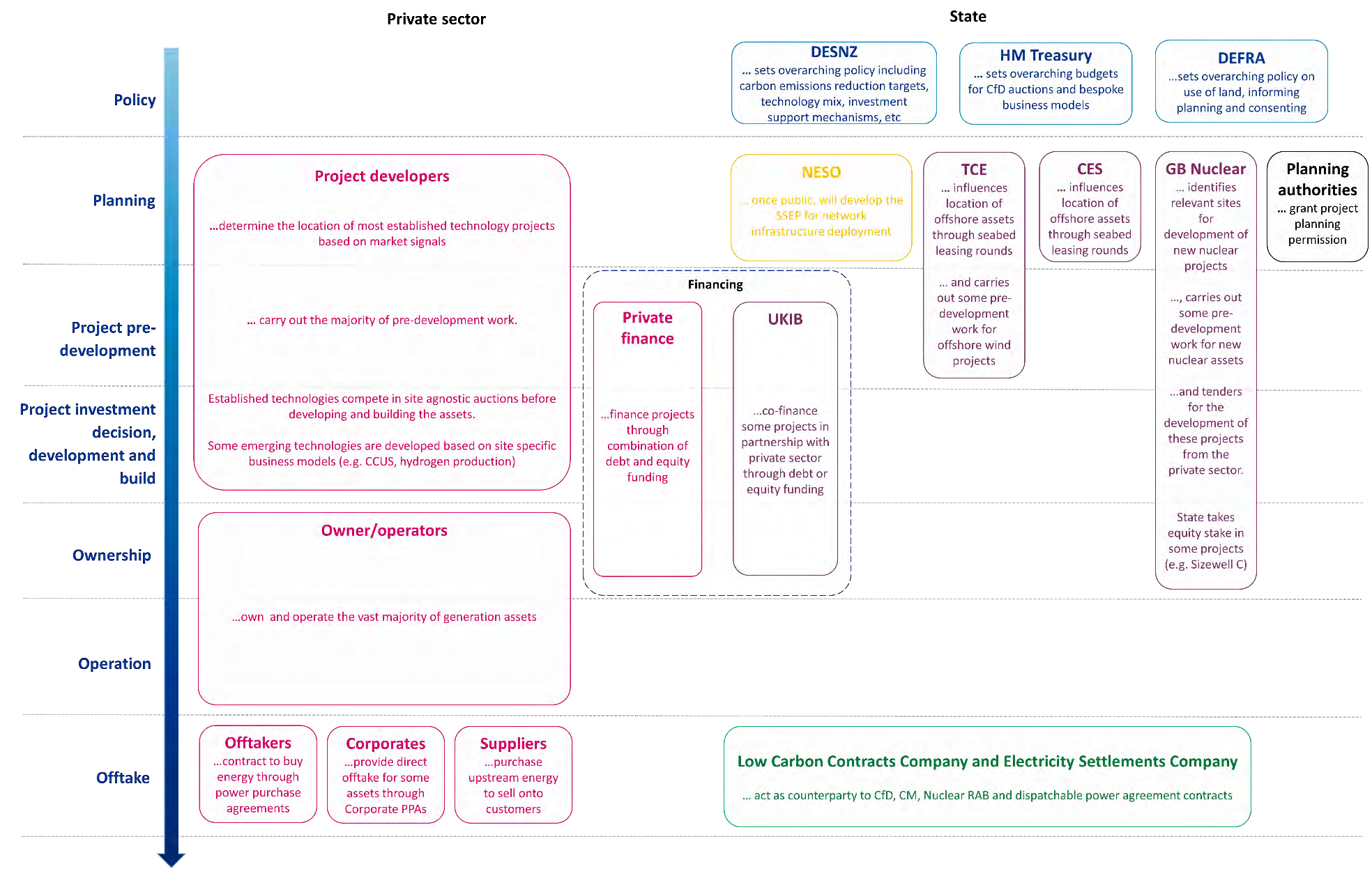
Figure 2: Summary of the expanded role of the state under our proposal
LEGEND
- State as Planner
- State as Developer
- State as Investor
- Enabler
- ! Consequential/enabling changes
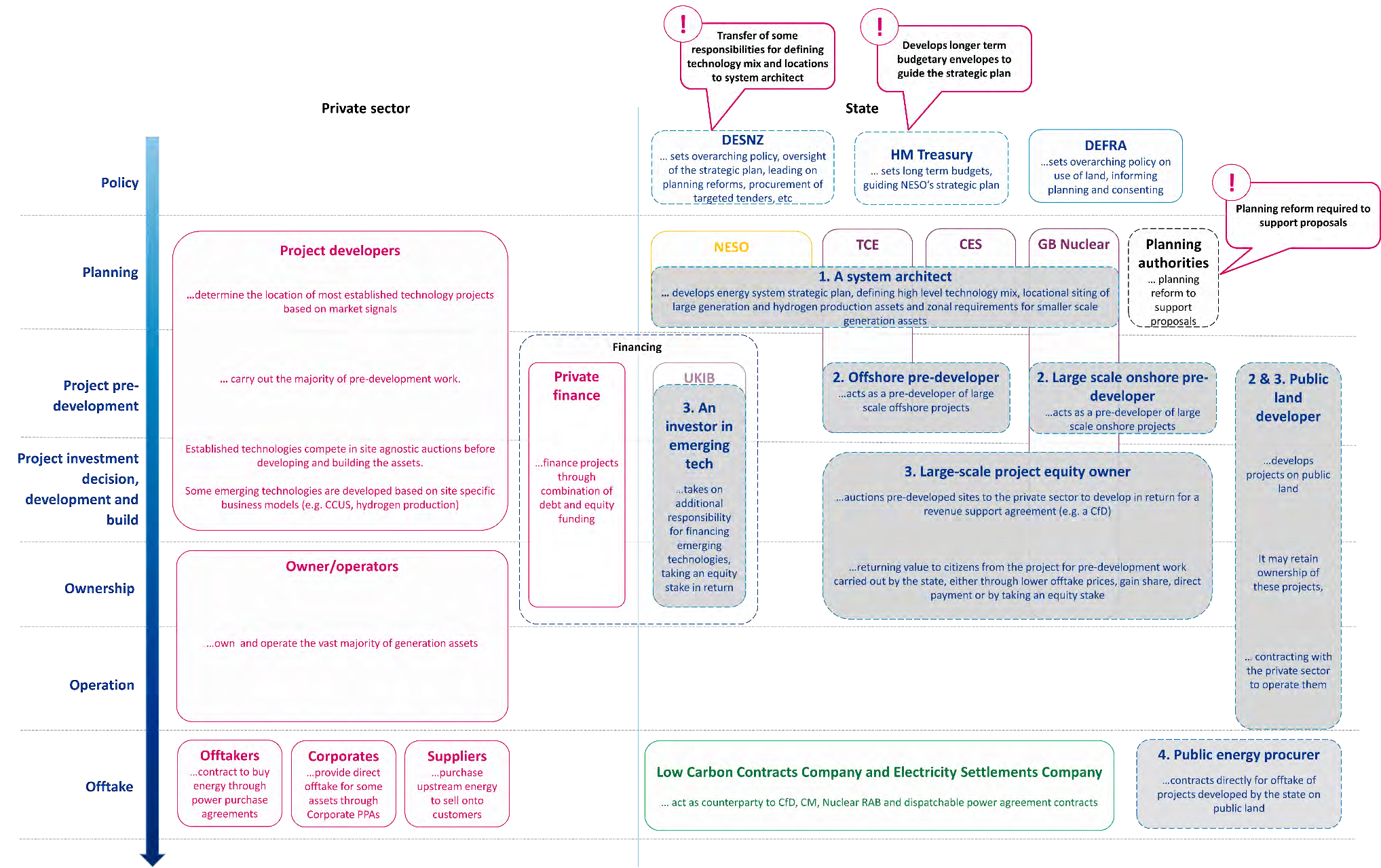
Figure 3: Potential organisational responsibilities for the role of the state
LEGEND
- State as Planner
- State as Developer
- State as Investor
- State as Enabler
- ! Consequential/enabling changes
Authors and Contributors
Duncan Sinclair
Partner, Energy Policy & Regulation, Baringa
With his three decades in the industry, Duncan has been at the heart of the various phases of market reform over the years. He thrives on interrogating the consensus view and looking for new angles.
Despite the huge changes he has witnessed, Duncan believes that the biggest challenges and most exciting times for the industry lay ahead.
Ravi Gurumurthy
CEO, Nesta
Ravi is the Chief Executive of Nesta, the UK's innovation Foundation. Ravi also leads the Behavioural Insights Team, otherwise known as the 'Nudge Unit', which has conducted over 1000 trials globally.
Ravi was one of the architects of the Climate Change Act 2008, when working as a Strategic Advisor to David Miliband. He was also Director of Strategy at the Department of Energy and Climate Change from 2010-2013. Ravi has held a number of non-executive roles, including at the Environmental Defense Fund.
Lewis Heather
Director, Energy Policy & Regulation, Baringa
Lewis Heather has been working on key areas of energy policy, regulation, and economics for nearly 15 years, first as an economic regulator and then as a consultant. He is passionate about supporting the industry transition to net zero carbon emissions. Lewis works closely with government and commercial clients to help them with their most difficult challenges.
Andrew Chittenden
Senior Independent Advisor
Andrew Chittenden has worked as a consultant in the energy sector for 30-years and was a founding partner at Baringa. He now works as a senior independent advisor on energy policy, and recently supported HMG with its response to the Energy Crisis.
He is a non-exec at the Behavioural Insights Team and has worked with Nesta on its Energy Mission.
Alex Townsend
Manager, Energy Policy & Regulation, Baringa
Alex has been working in energy economics, policy, and regulation for 15 years. At Baringa, he works with a range of government and private sector clients, with a particular focus on electricity networks, interconnectors and CCUS. Prior to joining Baringa, Alex spent most of his career working in the UK Civil Service in DECC, BEIS and the CCC.
Funding and wider contributors
This study has been supported by the European Climate Foundation. Responsibility for the information and views set out in this study lie with the authors. The European Climate Foundation cannot be held responsible for any use which may be made of the information contained or expressed therein.
Our team would also like to thank all of those who volunteered their time to provide thoughts on the role of the state through confidential bilateral interviews.
Their input was invaluable to inform and test thinking throughout the project, and to arrive at the conclusions captured in this report.
Copyright © Baringa Partners LLP 2024. All rights reserved. This document contains proprietary information.
## Introduction
### Background
Baringa and Nesta have developed this study of the potential for an extended role of the state[^1] in the GB energy sector, in light of the challenges and opportunities associated with the energy transition.
The state already plays an important role in the industry, developing energy policy and regulation, securing generation capacity in exchange for revenue support contracts under a range of business models, setting carbon emission limits, defining market structures, and in some cases targeting public investment into a small number of projects and technologies.
Given the ambition to decarbonise the power sector quickly and be on a path to achieving economy-wide net zero emissions, there is an argument for the state to go further. The energy system is becoming increasingly complex and multi-vector with growing interactions across the wider economy. The investment and operational challenges to deliver accelerated decarbonisation are considerable, and the policy reforms that are currently in progress may not be sufficient to achieve decarbonisation objectives in isolation. Furthermore, the transition is happening in the presence of global competition for investment, materials, and supply chains, exacerbating delivery challenges and increasing investment risk in light of inherent uncertainty.
Working alongside the private sector, this study considers what the appropriate role for the state might be and proposes greater responsibilities in system planning, project development, and targeted investment, as well as other enabling activities the state could take.
## The state's evolving role in the energy sector
Since privatisation of the industry in the late 1980s and early 1990s, it has mostly been the market that has determined the energy mix within the policy framework set by government. The natural monopoly networks businesses have been responsible for building and maintaining the pipes and wires needed to get the energy from sources of production to the customer, under incentives set by Ofgem.
### Introduction of market mechanisms to meet policy objectives
Over time, the state has progressively introduced new market mechanisms to steer market outcomes to meet new policy objectives, for example reflecting the carbon budgets introduced in the Climate Change Act 2008[^2]. The introduction of carbon emissions trading, initially under the EU Emissions Trading Scheme (EU ETS) and replaced by the UK ETS after Brexit, created a universal carbon price for electricity generation and was instrumental in switching from coal to gas in the power sector. Other instruments were designed to deliver more specific technology outcomes. For example, under the Renewables Obligation, the state made explicit choices about the relative strength of incentive for the deployment of different renewables technologies. The Electricity Market Reform (EMR) proposals, introduced in 2014, marked a further step change in the government's role. It introduced the Contracts for Difference (CfD) mechanism and the Capacity Market (CM).
The UK's renewables policies have been successful in driving down costs and delivering efficiency, building good foundations for a wider energy transition. As of 2023, 43 GW of renewable capacity has been deployed in the UK. Carbon dioxide emissions in the GB power sector have fallen by 78% while emissions in the whole UK economy have fallen by 53% since 1990. However, as the UK seeks to decarbonise further, and at pace, it is becoming more challenging to steer the market towards more specific and urgent policy goals, whilst deploying a range of emerging low carbon technologies.
### Shaping decarbonisation
The state is now also shaping the decarbonisation of industry through its support for carbon capture use and storage (CCUS) and for the use of hydrogen under specific business models. It has backed the Hinckley Point C and Sizewell C nuclear projects and has now set up GB Nuclear to deliver the government's long-term nuclear programme, starting with a competition to develop Small Modular Reactor (SMR) nuclear projects in partnership with government. For offshore wind, The Crown Estate (TCE), and Crown Estate Scotland (CES) already play a significant role in determining the location of offshore wind via seabed leasing. TCE is increasingly seeking to enhance the value of its leases by undertaking some pre-development work that can accelerate the development of leased sites.
Through the UK Infrastructure Bank (UKIB), the government aims to invest in emerging technologies and projects that promote regional development, whilst the Net Zero Innovation Board has been set up to coordinate innovation funding. Schemes such as the Green Industries Growth Accelerator (GIGA) fund have been introduced with the intention of helping to relieve key supply chain bottlenecks which have become a significant barrier to achieving decarbonisation objectives.
Another key barrier is the time it takes to connect to the electricity system, with over 700 GW in the connections queue across transmission and distribution grids as of April 2024[^3]. The industry has embarked on a programme of connections reform. Based on recommendations from the Networks Commissioner, the government has asked National Grid Electricity System Operator (NGESO) to produce a Strategic Spatial Energy Plan (SSEP) to better coordinate network build-out with energy production. This follows its development of a high-level network development plan (HND) and follow-up exercise (HNDFUE)[^4].
### Changing institutional landscape
Finally, the state is pivotal in determining planning and consenting, both nationally and locally. It must make inevitable choices and compromises between the pace of decarbonisation and the planning reforms needed to enable it.
The creation of GB Nuclear was a significant step in greater state involvement in project development. The acquisition of NGESO by the government to create the National Energy System Operator (NESO) reflects another key shift from private to state ownership for bodies deemed critical to the delivery of a safe, secure, and decarbonised energy system.
The new Labour Government has announced the formation of GB Energy with the intention of driving decarbonisation and green growth. Several of the roles for the state that we recommend in this report could be undertaken by a newly created GB Energy building on, or in partnership with, existing organisations. Labour has also announced plans for a National Wealth Fund (NWF) which could be an extension of UKIB.
### Problem statement
Many of the pieces of the puzzle needed to deliver accelerated decarbonisation are in place. With the right frameworks and incentives, the energy industry has the necessary ambition. The UK benefits from a highly competitive energy market with many diversified and sophisticated developers seeking to build projects across a broad range of technologies. The sums of capital required are vast – over the next ten years, around £350-500bn of capital investment in power generation, electricity networks, hydrogen production, CCUS, heat, and buildings will be needed[^5] – but there is plenty of capital available to invest in an attractive investor environment.
However, delivering sustained decarbonisation while driving growth and benefitting all GB citizens will require us to think differently about the role that the state plays in the transition. The recommendations set out in the remainder of this paper are designed to help overcome several problems related to coordination and certainty, and moving at pace, while retaining value for money.
## Coordination and certainty
Delivering and maintaining a net zero economy will require the deployment of huge amounts of infrastructure, including large- and small-scale generation, storage, hydrogen production, network, and demand-side low carbon technologies.
Better coordination will help to ensure that the timing and location of new network infrastructure lines up with the deployment of new system assets. For example, the Department for Energy Security & Net Zero (DESNZ) estimates that four times as much transmission network will need to be built over the next seven years to 2030 as has been built over the preceding 30 years to meet the previous government's target of 50 GW of offshore wind capacity.
Coordination of network infrastructure and system assets will also help to avoid bottlenecks. Network constraints increase carbon emissions (since curtailed renewable generation is often substituted for gas generation) and currently cost around £1.5bn per year. Transmission constraint costs are projected to be more than £3bn by the late 2020s, even with the latest network investment plans included in projections[^6].
The length of time it takes to connect to the grid is another symptom of a lack of coordination between network deployment and new system assets. There is now over 700 GW in the connections queue across transmission and distribution grids (April 2024)[^7], and the development of approaches to reduce the queue is the current focus of significant industry attention.
Coordination will also support long-term supply chain certainty, one of the most pressing challenges for delivery of the infrastructure required, as the UK competes against international competitors for supply chain capacity and seeks to expand domestic capability.
For example, a lack of forward visibility is often identified as a key challenge for offshore wind investors[^8]. This lack of visibility presents an important barrier to local supply chain development, and therefore opportunities for economic growth. Currently, a substantial percentage of turbine blades, nacelles, towers, foundations, and cables are imported from countries with more established manufacturing capabilities. Import dependence is lower in countries such as Denmark, with Danish companies producing wind turbine blades, towers, and nacelles.
Several of the technologies that will need to be deployed at scale to enable decarbonisation require the alignment of multiple components within the asset value chain. For example, the emergence of a hydrogen industry faces a 'chicken and egg' problem. Guaranteed physical offtake is needed to support the business case for hydrogen production at scale. One option is for injection into the gas grid to act as an offtaker should other sources of demand fail to materialise. But achieving an optimal pathway for hydrogen development requires coordinated activity across hydrogen production, use of the gas grid and access to other markets through the necessary transportation and storage infrastructure.
While the focus of this report is on decarbonisation and expansion of the power sector, coordination will also be needed to identify the remaining needs of the gas network, balanced against a clear and consistent approach to the deployment of alternatives for low carbon heating and industrial use, including electrification and hydrogen. This will allow for a managed decommissioning of the gas grid.
Another example is the next generation of offshore and cross-border assets. To date, all offshore wind projects have connected to the onshore grid via an independent radial connection. The story is similar for cross-border infrastructure where challenges exist with the deployment of 'multi-purpose interconnectors'[^9]. Hybrid and meshed assets are technically and commercially complex. Asset sharing leads to optimisation problems including optimal asset sizing and anticipatory investment; complex offtake and use of system agreements; and novel risk, regulatory, and financing structures.
Given the significant ambitions for deployment of offshore wind going beyond 2050 targets, there is an opportunity to coordinate offshore network more efficiently to reduce the amount of infrastructure required. This will save money and reduce challenges associated with societal acceptance and environmental impact as less infrastructure is needed. NGESO's HND and HNDFUE introduce an integrated approach to network development for connection of an additional 23 GW of offshore wind, which is needed to meet the current target of delivering 50 GW of offshore wind by 2030[^10].
The system will need to be decarbonised while retaining resilience. NGESO's net zero compliant Future Energy Scenarios (FES) deploy between 213-249 GW of intermittent renewable capacity[^11] by 2050, and this will create huge operability challenges. Sufficient volumes of dispatchable generation and storage will be needed for those times when renewables output is low. The system currently relies largely on unabated gas power stations to play this role. But these assets will need to be replaced with low carbon alternatives, few of which are used at scale on the GB grid today. The system operator will need to manage its portfolio of system services, developing ways to procure these services from new technologies and creating new services to reflect evolving system needs. The transition from well-understood unabated gas power generation to new forms of flexibility must be managed carefully to avoid compromises on security of supply.
## Moving at pace
Currently, rates of capital deployment in the electricity and gas sectors are around £10-15bn per year[^12], approximately 20-40% of the run rate required to achieve decarbonisation objectives. Achieving decarbonisation will require a step change in capital investment, a resolution of grid connection challenges and supply chain bottlenecks. Planning reforms will also be needed to enable infrastructure deployment.
Delivering a net zero economy will require a host of new technologies, many of which are not deployed at scale on the system today. For example, net zero consistent scenarios in the FES include 5-8 GW of SMRs, 26-83 GW of hydrogen production and 21-39 GW of dispatchable low carbon generation capacity (CCUS and hydrogen generation). Without ongoing state intervention, it will be extremely difficult for market-based signals alone to drive the accelerated commercialisation and learning curves for the deployment of these technologies at the necessary pace.
<blockquote markdown="1">
Capital deployment rates in the electricity and gas sectors are only 20-40% of the run rate required to achieve decarbonisation objectives.
</blockquote>
## Retaining value for money
The delivery of a net zero economy can deliver long-term savings to customers, particularly if the social cost of carbon benefits is included. Many of the technologies involved in the transition will also help to reduce dependence on global commodities and reduce exposure of UK energy customers to volatile prices and geopolitical events. Therefore, moving quickly should bring additional benefits.
The recent energy crisis illustrates the potential scale of consumer exposure to market volatility. Revenues associated with gas generation in 2022 rose by about £13bn (200%) compared to the pre-Covid (2018-2019) average, from about £6bn/year to £19bn/year[^13]. Analysis also suggests that the margins earned by gas generators rose from about £5/MWh to an average of around £40/MWh in the same period, while gas generator revenues in the Balancing Mechanism rose from about £0.4bn to almost £1bn.
The deployment of large volumes of new infrastructure will need to be funded by UK citizens, through energy bills and taxation. Hence, where efficiencies can be made in the transition, these savings will often be passed through to citizens.
There may also be opportunities to transfer cost savings more optimally from companies to citizens. 'Universal' CfD auctions have been extremely successful in driving down the costs of renewables and in allowing the market to bring forward the most suitable projects. However, the 'pay as clear' nature of these auctions means that some projects benefit from significant 'inframarginal rents' in the case that their own cost base is below that of competitors who clear in the auction.
Where projects can genuinely be brought forward in multiple locations (e.g. for small-scale onshore wind and solar), the inframarginal rent captured by producers under these auctions is likely to be a price worth paying to allow for the private sector to identify and bring forward the best projects. But where location is already relatively well defined (e.g. for offshore projects that lease use of the seabed through the TCE or CES), the value for money of these 'universal' auctions is diminished.
Based on Baringa analysis, we estimate that inframarginal rent of offshore wind projects not yet developed could cost consumers £10-35bn in the period between 2030 and 2050.
In the case of offshore wind, the existing 'two-part' auction approach also leads to cost inefficiencies. Offshore wind developers need to compete for the lease to the seabed rights in an initial auction before knowing if they will be successful in winning a CfD contract in a later auction. This means that developers must take on development expenditure, including seabed leasing fees, at risk, thereby increasing the cost of capital.
## Rationales to intervene
Working hand in hand with the private sector, we believe that extending the state's role in several areas could help address these issues, thereby:
1. Accelerating the pace of decarbonisation
2. Bringing down the costs of the transition and returning value to energy consumers
3. Improving the resilience of our energy system with less reliance on imported energy and international supply chains
4. Promoting economic growth
When presenting our recommendations, we link them to the rationale for a change in the state's role.
## Scope and approach
We consider all energy delivered directly to businesses and customers, covering the following technologies:
1. Established low carbon power technologies, such as onshore wind, offshore wind, and solar photovoltaics
2. Emerging low carbon technologies, such as hydrogen technologies, CCUS, SMRs, etc
3. Transmission and distribution networks across energy vectors, including interconnectors and offshore grids
We do not include within scope the energy retail market and in-home low carbon technologies such as heat pumps and electric vehicles (EVs), community energy schemes, or energy efficiency. We recognise these technologies as very important parts of the energy transition, but they are already being covered by other initiatives such as the newly formed Labour government's Local Power Plan and Warm Homes Plan[^14].
This study does not look specifically at measures needed to meet the new government's 2030 power sector decarbonisation objective. Achieving a decarbonised power system by 2030 is only the first challenge, representing only around 30% of total energy needs. Achieving net zero by 2050 will take considerable additional effort, with power system demand growing from around 300 TWh in 2030 to 450-550 TWh in 2050, representing about 55-90% of total energy needs in 2050, depending on the scenario[^15]. The recommendations in this study are designed primarily to deliver these sustained benefits in the medium and longer term.
Our recommendations have been developed through our own research and analysis, and with extensive engagement with senior figures from across the energy industry through bilateral interviews carried out on a non-attributable basis. We developed the study in three key phases:
* **Phase 1 - Exploratory phase:** In this phase, we developed initial thoughts on options for an expanded role of the state. We held a series of around 20 interviews with senior stakeholders to test options and to gather additional ideas.
* **Phase 2 - Options analysis and 'strawperson' definition:** We developed additional detail on a range of options and tested the long list against our principles and objectives. After filtering the options into a short list, we developed those remaining into strawperson options, considering the rationale for the option, risks and challenges, and possible implementation options.
* **Phase 3 - Further option testing and conclusions:** We further tested our strawperson options with a set of senior stakeholders. Complementing these interviews with further evidence gathering, we finalised the recommendations set out in this paper.
## Summary of our recommendations
Our recommendations maintain a leading role for the market to attract investment, develop projects, and drive value for money via competition. We have grouped our recommendations under four roles that the state can play, working in partnership with the private sector, to further the energy transition, namely:
* The state as a planner
* The state as a developer
* The state as an investor
* The state as an enabler
We believe that our proposals would allow for acceleration of whole economy decarbonisation by several years, increase system resilience, and deliver cost savings through better coordination of infrastructure deployment, more optimal use of scarce land and resources, greater long-term visibility to support investment and supply chain commitment, accelerated deployment of projects, and improved commercialisation of new and emerging technologies.
We also believe that they would return a greater proportion of the benefits of the transition to citizens while aligning better with UK industrial strategy, thus enabling economic growth. We estimate that savings from the elimination of inframarginal rent for offshore wind projects alone could reduce energy bills by c. £20/year.
Many of our recommendations work in the direction of travel that has been pursued by the state in recent years, though going further than existing intent. For example, moving the NESO into state ownership and tasking it with development of the SSEP is a significant step towards the system architect option we set out in this paper. Entities such as GB Nuclear and TCE are already taking on some of the pre-development responsibilities, similar to the activities that we propose for the state to undertake in project development.
Nonetheless, we recognise that several of the proposals set out in this paper would represent significant structural changes to roles and responsibilities between the public and private sector, which would not be without risks and downsides. There are questions about whether the state can allocate scarce resources as efficiently as the market, and whether it is able to attract the skills and capabilities needed for the roles mentioned throughout this paper.
The new government has targeted a decarbonised power sector by 2030 and is introducing several policies to enable this. New measures include planning reforms which make it easier to develop low carbon projects, particularly onshore in England and Wales, and the introduction of a 'Mission Control for Clean Power' which has been tasked with setting and tracking the approach to deliver a decarbonised power system.
The proposals contained in this report can also contribute to near-term decarbonisation trajectories before 2030 but are likely to have biggest benefit into the 2030s and beyond, coinciding with the significant step up in electricity demand which will be driven by widespread electrification.
If implemented carefully, we believe our proposals can work effectively alongside other policies that promote short-term decarbonisation objectives, while providing a strong foundation for the even greater challenge of delivering economy-wide net zero emissions by 2050.
In the following sections, we provide more detail on our proposals under each of the four roles before concluding with a summary of proposals, implementation routes, and a summary of outstanding questions.
## The State as a Planner {: #the-state-as-a-planner }
### Recommendation
We recommend that state should take a more active and coordinated role in planning the energy system as a system architect.
### Strategic plan development
The system architect would be responsible for developing a strategic plan that increasingly defines the target technology mix and preferred locations for deployment of large-scale, strategic assets including generation, storage, interconnection, network infrastructure, and hydrogen production assets. It will also need to consider how and when components of the gas network are maintained or decommissioned to align with availability of alternative solutions for heating, cooking, and industrial processes.
### Mechanisms for awarding revenue support
In doing so, the system architect would also recommend the type of mechanism which would be used to provide revenue support for each asset:
* Site-specific development for a range of large, strategically important projects (linked to the state taking a greater pre-development role for these projects)
* Targeted tenders for specific technologies or system needs according to geographic zone
* Existing universal market mechanisms which are location agnostic, e.g. existing designs of CfD auctions and the CM
The system architect would be given forward visibility of the budget envelope available for deployment of energy infrastructure covered by revenue support mechanisms and network regulatory allowances for at least the next 10 years. This visibility would enable the system architect to advise on optimal choices across energy vectors, production technologies, storage, and networks, and thus ensure the plan can be truly strategic.
The system architect should be proactive in its development of the plan and seek to expose explicit, transparent trade-offs between the energy sector and other considerations including planning, conservation, etc. The greater forward visibility of available budget would give the private sector certainty regarding the future pipeline, supporting investment not just in individual projects, but in building the necessary supply chains.
### Implementation
We believe that this role could best be executed through an extended remit for the NESO, building on its new role developing the SSEP, but giving it more say to advise on whole system outcomes across a range of assets rather than simply plan network deployment that needs to accommodate a range of potential scenarios.
<div class="table-container" markdown="1">
| Rationale | Comment |
| :---------------------------------------------------------------------------------------------------------------------- | :-------------------------------------------------------------------------------------------------------------------------------------------------------------------------------------------------------------------------------------------------------------------------------------------------------------------------------------------------------------------------------------------------------------------------------------------------------------------------------------------------------------------------------------------------------------------------------------------------------------------------------------------------------------------------------------------------------------------------------------------------------------------------------------------------------------------------------------------------------------------------------------------------- |
|  Accelerate decarbonisation | Better coordination of the energy system enables more projects to be delivered sooner and should reduce the need to curtail excess low carbon generation in a system that is not yet ready to accommodate it, thus reducing emissions. |
|  Reduce costs of the transition | The system architect's strategic plan will enable more efficient and timely deployment of infrastructure, including network build-out, thus reducing costs to consumers. |
|  Resilience | The strategic plan will improve resilience of the system by ensuring flexibility on the system keeps pace with renewables deployment, and by locating generation and storage strategically where they deliver the highest value. |
|  Economic growth | The strategic plan will lead to greater forward certainty on deployment of low carbon infrastructure, providing confidence to the supply chain to invest in domestic manufacturing, services, and skills. |
</div>
### Current situation
In the years following liberalisation of the sector, the state's involvement in system planning was very limited - with siting and technology decisions mostly left to market participants who responded to signals sent by the market. The state's role has evolved over time, particularly following Electricity Market Reform (EMR). From this point, the state began to make more choices regarding the overall technology mix through CfDs and the CM, for example, but still had limited influence on the location or specific technologies deployed.
The state now takes a more active role in backing certain technologies in specific locations. For example, it is directing the location of CCUS projects through its cluster sequencing process. For nuclear capacity, GB Nuclear has identified a limited number of sites for new nuclear development, recently acquiring the Wylfa and Oldbury sites. In addition, the SSEP that is being developed by the soon-to-be publicly owned NESO marks a significant step forward in the state's role in network planning. Despite this growing role for the state, most of the technology and locational siting decisions remain with the market.
For offshore wind, the state does not define the location of projects explicitly, as which projects are ultimately developed largely depends on success in site-agnostic CfD auctions. However, the pipeline and location of potential projects are determined by independent seabed leasing processes run by TCE and CES, which do not take full consideration of the locational value, constraint payments, and cost of resultant network build. That said, TCE is increasingly taking a role in pre-development of certain sites. For example, for Offshore Wind Leasing Round 5, it is investing in an upfront Habitats Regulation Assessment, an extensive programme of marine surveys, and working with the Electricity System Operator on a coordinated approach to grid design[^16]. This could provide a potential blueprint for the pre-developer role for the state as explained in 'The state as a developer'.
### Recommended future role
#### Expanded role for the state as a system architect
There is an opportunity for the state to take a more active role in directing the technology mix and location of assets on the system. This would enable:
* More coordinated deployment of system assets
* Co-optimisation of generation, production, storage, and new network infrastructure (on and offshore, electricity, hydrogen, and carbon dioxide transportation)
* Optimal timing for decommissioning parts of the gas network, and therefore support provision of a more strategic view on overall system costs and benefits
To realise these benefits, we propose that the state takes on an expanded role as a system architect.
#### Strategic plan development
The system architect would build on the SSEP to increasingly define the location and technology choices of large generation, hydrogen production, interconnection, CCUS, and storage sites, as well as the networks required to connect them.
While the SSEP effectively takes the assets expected to be on the system as inputs into the scenarios and uses this to inform the Centralised Strategic Network Plan (CSNP), the system architect's strategic plan would increasingly direct the technologies and locations of large-scale system assets, and preferred zones for development of smaller-scale grid-scale assets. This would allow the SSEP to better co-optimise between energy production, storage, and network infrastructure – and narrow the range of uncertainty, providing confidence to commit to network build sooner. The strategic plan would inform locations for future seabed leases, for example, rather than taking a view of future offshore wind locations as an input, without certainty of how much of the leased capacity will eventually be developed.
#### Mechanisms for awarding revenue support
Aligned with the strategic plan, the system architect would also recommend the mechanism for awarding revenue support agreements to different types and scale of projects, choosing the most appropriate from the following three mechanisms:
1. **Site-specific project delivery:** For large, strategically important projects and technologies, the system plan would determine both the technology and location. This would likely include large offshore wind, new nuclear, CCUS, and interconnection (including multi-purpose interconnectors/offshore grids).
2. **Targeted tenders:** For some technologies such as unabated gas projects, long duration energy storage (LDES), and re-powering of relatively larger system assets, the system plan would inform targeted tenders for specific system needs. These would specify a geographic zone but allow competition within the market to determine the most efficient technology choices and exact locations within those zones. The tenders could be designed to prioritise the zones with highest system value identified in the strategic plan. In turn, the results of these tenders will inform the cost of developing different technologies in different locations, providing input for future iterations of the strategic plan.
3. **Universal market mechanisms:** For smaller-scale technologies, including re-powering, the market would continue to determine site and technology selection in the context of signals sent by market mechanisms such as wholesale and balancing markets, network charges, the CM, and CfDs. In some cases (e.g. grid-scale onshore renewables), the strategic plan may inform zone-specific auctions, or technology pot structures to be used in auctions, to steer outcomes to better align with the strategic plan.
The system architect will need to recommend which technologies, and capacity size thresholds to include in each category. In doing so it will need to determine the trade-off between technology choices and retaining the role of the market for investment decisions, accepting that the latter will leave additional uncertainty within the system plan but would provide greater flexibility for technology exploration and discovery and reduce the risk of biases towards certain technologies. It may inform or guide the assumed proportion of decentralised energy, and increasingly specific (larger) projects such as heat networks[^17], at given locations (coordinated via Regional Energy Strategic Plans[^18]).
#### Land use and marine environment optimisation
The system architect would need to consider vectors beyond energy to ensure holistic optimisation of land use and the marine environment. It should be empowered to make recommendations regarding land and planning constraints where it sees a material impact on lowering the cost of transition. This will likely require close engagement with other organisations such as the Department for the Environment, Food, and Rural Affairs (DEFRA); TCE; CES; Marine Management Organisation; the Scottish Government's Marine Directorate; and the Welsh Government's Marine & Fisheries.
---
### Footnotes
[^1]: We use the term 'state' in its most general sense. As well as central government departments, we refer to all publicly owned entities and public corporations. For example, this definition includes local government, TCE, CES, the NESO (once brought into public ownership), GB Nuclear, Ofgem, etc. We note that not all of these organisations are accountable to or controlled by the government.
[^2]: Legislation.gov.uk. (2008). Climate Change Act 2008. Retrieved from [legislation.gov.uk](https://www.legislation.gov.uk/ukpga/2008/27/contents)
[^3]: Ofgem. (2024, April 19). Update on reform to the electricity connections process following proposals from the ESO: 2025 Connections Reform - open letter - updated deadline ([ofgem.gov.uk](ofgem.gov.uk))
[^4]: National Grid Electricity System Operator. (Retrieved 2024). Offshore coordination project. Retrieved from National Grid ESO: [https://www.nationalgrideso.com/future-energy/projects/offshore-coordination-project](https://www.nationalgrideso.com/future-energy/projects/offshore-coordination-project)
[^5]: Estimated using figures provided by DESNZ: Department for Energy Security & Net Zero. (2021, October 19). Net Zero Strategy: Build Back Greener. Retrieved from GOV.UK: [https://www.gov.uk/government/publications/net-zero-strategy](https://www.gov.uk/government/publications/net-zero-strategy). Figures exclude capital investment required in Greenhouse Gas Removals, Transport and Natural Resources as these are not a core focus of our report. Figures are provided in 2024 prices.
[^6]: National Grid ESO. (2024, May). Balancing Costs: Annual Report and Future Projections. Key Messages Report. Retrieved from National Grid ESO: [https://www.nationalgrideso.com/document/318516/download](https://www.nationalgrideso.com/document/318516/download)
[^7]: Ofgem. (2024, April 19). Update on reform to the electricity connections process following proposals from the ESO: 2025 Connections Reform - open letter - updated deadline ([ofgem.gov.uk](ofgem.gov.uk))
[^8]: Fox, C. (2024, June 17). Improving future pipeline visibility and certainty to enable supply chain investment. Retrieved from Equinor: [https://www.equinor.com/news/uk/improving-future-pipeline-visibility-and-certainty-to-enable-supply-chain-investment](https://www.equinor.com/news/uk/improving-future-pipeline-visibility-and-certainty-to-enable-supply-chain-investment)
[^9]: E.g. where offshore wind projects connect directly into the interconnector, potentially allowing the project to participate directly in multiple markets.
[^10]: ESO. (Retrieved 2024). Offshore Coordination Project. Retrieved from National Grid ESO: [https://www.nationalgrideso.com/future-energy/projects/offshore-coordination-project](https://www.nationalgrideso.com/future-energy/projects/offshore-coordination-project)
[^11]: Not de-rated
[^12]: Department for Energy Security & Net Zero. (2023, July 27). UK energy in brief 2023. Retrieved from GOV.UK: [https://www.gov.uk/government/statistics/uk-energy-in-brief-2023](https://www.gov.uk/government/statistics/uk-energy-in-brief-2023)
[^13]: Grubb, M. (2023, May 18). Where Did the Revenues Go in the British Energy Crisis? An Assessment. Retrieved from UK Energy Research Centre: [https://ukerc.ac.uk/news/reforming-electricity-markets-for-low-cost-and-low-carbon-power/#:~:text=Gas%20generation%20and%20nuclear,the%20rise%20in%20input%20costs](https://ukerc.ac.uk/news/reforming-electricity-markets-for-low-cost-and-low-carbon-power/#:~:text=Gas%20generation%20and%20nuclear,the%20rise%20in%20input%20costs).
[^14]: Labour. (Retrieved 2024). Make Britain a Clean Energy Superpower. Retrieved from Labour: [https://labour.org.uk/wp-content/uploads/2024/03/Make-Britain-a-Clean-Energy-Superpower.pdf](https://labour.org.uk/wp-content/uploads/2024/03/Make-Britain-a-Clean-Energy-Superpower.pdf)
[^15]: Estimated based on Future Energy Scenarios (2023), net zero consistent scenarios (Consumer Transformation, System Transformation and Leading the Way).
[^16]: The Crown Estate. (2023, October 2). The Crown Estate refines plans for Celtic Sea floating wind. Retrieved from The Crown Estate: [https://www.thecrownestate.co.uk/news/the-crown-estate-refines-plans-for-celtic-sea-floating-wind](https://www.thecrownestate.co.uk/news/the-crown-estate-refines-plans-for-celtic-sea-floating-wind)
[^17]: The role of the state in planning and tendering for developers of heat networks may build on the government's ongoing heat network zoning programme which aims to identify and designate zones where heat networks would provide the lowest-cost, low carbon heating option.
UK Government. (accessed 2024, July 8). Heat Network Zoning. Retrieved from UK Government: [Heat network zoning - GOV.UK (www.gov.uk)](https://www.gov.uk/government/publications/heat-network-zoning-guidance)
[^18]: Ofgem. (2023, November 15). Ofgem green lights regional energy planning roles to speed up net zero transition. Retrieved from Ofgem: [https://www.ofgem.gov.uk/press-release/ofgem-green-lights-regional-energy-planning-roles-speed-net-zero-transition](https://www.ofgem.gov.uk/press-release/ofgem-green-lights-regional-energy-planning-roles-speed-net-zero-transition)
```markdown
## Policy and budget coordination
The system architect would work within bounds set by DESNZ and HM Treasury:
* DESNZ would continue to set overarching policy objectives including decarbonisation targets and would manage overarching policy trade-offs – e.g. between faster delivery of infrastructure vs changes in planning policy.
* The system architect would recommend the optimal pathway to achieving objectives set by DESNZ and working within DESNZ's policy constraints. It would define the high-level technology mix and locations of large system assets, consulting with DESNZ regarding some of the key trade-offs or options within its plan.
* HM Treasury should provide greater certainty regarding the long-term budget available to fund mechanisms to deliver capacity for the system architect to be able to build a truly strategic plan.
Once the system architect has defined the plan and the mechanisms it determines for delivering new capacity, it would then be for DESNZ to approve the budget and the plan. There is an outstanding question regarding whether it is DESNZ that carries out the procurement of the capacity (and Ofgem in the case for offshore transmission) included in the plan through targeted tenders and universal auctions - or whether this would be left to the system architect to manage directly. The latter approach would reflect an expansion of NESO's role as the Delivery Body for the CfD and CM auctions. In the cases with site-specific auctions where it is the state developer bringing projects to market, it is likely that it would be this entity that runs the competitive process (see recommendations under 'State as Developer').
Current levies are controlled by the Control for Low Carbon Levies, with budgets for support mechanisms, such as CfDs, set annually. This annual approach limits what the system architect could do to plan the system on a long-term basis. The current control replaced the Levy Control Framework (LCF), which was intended to set out a longer-term budget. Under the LCF, the link to wholesale prices (more budget available when forecast prices were high, less when they were low) created volatility in the available funds and undermined the benefit of forward visibility.
To be effective, the long-term budget available to the system architect to optimise capital deployment in the strategic plan would need to be de-linked from wholesale prices [^20] and should look ahead by as far as possible, ideally at least 10 years. Because the strategic plan may need to trade off more or less network capacity with decisions on locations for energy generation, storage, and hydrogen production projects, it should also include the funding available for major network infrastructure, with outputs then feeding through to Ofgem's decisions on allowed network expenditure. The system architect could have full autonomy of the budget, or more likely, require its proposed expenditure within the funding envelope to be approved by DESNZ and HM Treasury (with Ofgem then taking on the regulation of network deployment under price controls, similar to its role today).
The enhanced coordination delivered through the strategic plan should reduce delays in connections and network deployment, while reducing the amount of curtailment of renewables on the system resulting from network constraints. For example, in 2023/24, around 13 TWh of electricity generation was curtailed, enough to power around 5m homes. The total cost of curtailing this generation and paying dispatchable (often gas-fired) power generation to replace it was £1.5bn.
## Risks and challenges
There are several risks and challenges associated with the state taking on a system architect role. For example:
* The system architect may make technology or locational choices that turn out to be **sub-optimal** with hindsight, e.g. due to risk aversion, or a failure to anticipate future technology developments and cost evolution.
* An increase in central planning may diminish the potential for technology exploration and **discovery** – and the discipline of the market in identifying the most cost-effective solutions.
* The system architect will need to manage and account for unforeseen challenges regarding **delivery of the plan**, retaining sufficient flexibility to adjust to such issues without fundamentally undermining efficiency and value of the plan.
However, we believe that the urgency in achieving decarbonisation means that the significant coordination benefits delivered by our proposals for a system architect and strategic plan outweigh downside risk associated with sub-optimal decision making.
Transition from arrangements in place today to the processes summarised above will need to be carefully managed. A long pipeline of projects is already under development, and delivery of many of these will be essential for achieving near-term decarbonisation ambitions, such as the 2030 target for the power sector. The strategic plan will need to take these projects into account, assessing their maturity and, for those that do not already have a revenue support agreement in place (e.g. a CfD or equivalent), their likelihood of success in future allocation rounds.
<blockquote markdown="1">
We believe that the urgency in achieving decarbonisation means that the significant coordination benefits delivered by our proposals for a system architect and strategic plan outweigh the downside risks.
</blockquote>
## Implementation options
### Extended remit for the NESO
We believe that the role of system architect could best be executed through an extended remit for the NESO, with changes to its licence and the appropriate governance in place, and with required funding allowance to recruit the additional skills and capabilities it would need. The NESO's role would be expanded to develop the SSEP into a wider scoped plan that incorporates recommendations on technology choice and siting decisions for new-build system assets.
The degree of independence of the NESO from government would need to be carefully considered, given its extended remit, which is going to the heart of delivering decarbonisation policy. It is likely that:
* DESNZ and Ofgem would expect to be closely consulted in the planning process, and it is likely that DESNZ/Secretary of State would retain the right to approve the NESO's strategic plan, including its recommendations for allocating available budget into the different market mechanisms.
* HM Treasury approval would be required for the funding budget envelope available for energy infrastructure for at least a 10-year forward period. Appropriate checks and balances on expenditure will need to be put in place but should also ensure that stakeholders retain long-term confidence in the plan.
### Technology delivery mechanisms
Our proposals for the range of mechanisms used to deliver each type of technology are summarised in Figure 4 below, compared against the current approach taken by the state.
<div class="diagram-description" markdown="1">
**Figure 4: Current and proposed role for the state as a system planner**
The diagram presents a framework illustrating the current and proposed roles of the state as a system planner across different technology delivery mechanisms, categorised by their location specificity.
**Current role as planner:**
This role is shown as a horizontal line with several circles representing market mechanisms.
* **Universal Market Mechanisms (Location agnostic):** Most established technologies.
* **Targeted Tenders:** Offshore wind, CCUS.
* **Project and Site Specific (Location specific):** Nuclear.
**Proposed role as planner:**
This role is shown on a parallel horizontal line below the current role.
* **Universal Market Mechanisms (Location agnostic):** Smaller-scale technologies including onshore wind and solar.
* **Targeted Tenders:** Unabated gas, LDES.
* **Project and Site Specific (Location specific):** Nuclear, CCUS, Offshore wind, Hydrogen production, interconnectors.
The diagram shows a shift in the state's planning role towards more location-specific and targeted approaches for certain technologies, indicating increased direct involvement in strategic planning and project delivery.
</div>
Our proposals also raise questions about the phasing in of new arrangements over time. Careful consideration needs to be given to this given the significant amount of capacity that is already at some stage of development (See Figure 5).
<div class="chart-description" markdown="1">
**Figure 5: Current pipeline projection and targeted installed generation capacity in 2035**
A stacked bar chart titled "Current pipeline projection and targeted installed generation capacity in 2035" displays installed capacity in GW (0-100) on the y-axis against different energy sources on the x-axis: Nuclear, Gas CCS, Biomass CCS, Wind Onshore, Wind Offshore, Solar PV, Pumped Storage, Battery Storage.
Each bar is segmented by development stage:
* Operational
* Under construction
* Awaiting construction
* Planning granted
* In planning
* Pre-planning
* Additional near-term leases
Overlaid are scenario targets for 2035:
* Baringa Net Zero (2035)
* FES - Consumer Transformation (2035)
* FES - System Transformation (2035)
* FES - Leading the Way (2035)
The chart shows that offshore wind, solar PV, and battery storage are projected to have significant capacities, with a large proportion under construction, in planning, or pre-planning stages. FES 2035 targets are generally higher than the current pipeline for many categories, especially for offshore wind, highlighting the need for substantial further development.
</div>
Implementation should be designed to minimise impacts on the development pipeline while ensuring benefits from coordination can be maximised.
We set out initial thoughts on the approach taken for a range of technologies below:
* **Offshore wind:** Our proposals are to move to a single site-specific auction which combines both seabed leasing and CfD offtake agreements into a single process (see 'The state as a developer'). However, we would expect projects that have already been granted a seabed lease to proceed through the development process and CfD auctions under the existing arrangements, avoiding unnecessary disruption.
* **CCUS clusters and hydrogen production:** Our proposals for site-specific tenders would apply to all new projects; those already in development would continue to be developed under existing processes with the system architect identifying specific locations for the development of new projects. In the case of hydrogen production, a size threshold may exist such that the largest installations are specific projects within the system architect's plan, whereas smaller projects may be part of targeted tenders or developed on a merchant basis based on universal market mechanisms.
* **Interconnectors:** There are several interconnectors already in the development pipeline. DESNZ has indicated an optimal 18 GW of capacity by 2030, almost doubling the 9.8 GW currently operational. We would expect those projects that have already been granted a cap and floor agreement by Ofgem to proceed in line with existing arrangements. Beyond this, we would expect the system architect to define the location of future interconnection – and increasingly multi-purpose projects that would allow for the connection of multiple offshore assets.
* **LDES:** The approach of the system architect towards LDES may depend on the size of the project, with very large-pumped hydro and salt cavern projects being identified in the plan on a site-specific basis. Smaller, less site-specific technologies such as fly wheels and long duration batteries may instead be defined in the plan within broader zones within which LDES could deliver maximum benefit. This would then inform targeted tenders. The cap and floor business model being developed by DESNZ to support project delivery would continue to provide the commercial model in most/all cases.
* **Unabated gas generation:** There is an open question about where new unabated gas generation projects (CCUS ready) would fit into this approach, assuming they may be needed in the nearer to medium term to maintain security of supply. It may make sense for the system architect to define the zones within which new generators would be most beneficial to the system and use this to inform targeted tenders. However, a reformed and carefully designed CM could deliver similar outcomes, therefore raising questions about how the system architect's plan and the CM would interact.
## The State as a Developer
### Recommendation
We recommend that the state takes on three additional roles in project development:
1. A state pre-developer of large-scale onshore and offshore assets that are identified by the system architect within the strategic plan.
2. A state role in identifying local low carbon development zones within broader zones identified in the system architect's strategic plan. The state entity would work with the NESO, Distribution Network Operators (DNOs), devolved administrations and local authorities to identify local zones with pre-defined potential for development, planning permission, and connection agreements. The state would run competitive tenders within these local zones for projects that would, in turn, be able to progress through planning and connection agreement stages more quickly.
3. A state developer of projects on public land, with the state carrying out pre-development work and potentially developing and owning the projects before contracting the private sector to operate the assets.
#### State role 1: A state pre-developer for large-scale projects
We recommend that the state takes greater responsibility for progressing pre-development of large-scale generation, offshore grids, storage, interconnection, and hydrogen production projects aligned to the system architect's strategic plan, building on the activities that TCE and GB Nuclear are undertaking currently for offshore wind in England and Wales and SMRs, respectively. Pre-development would include site selection, outline planning, geological surveys, environmental assessments, and gaining a grid connection agreement.
Following the state's pre-development work, the project would be auctioned to private sector bidders in return for a revenue support contract (e.g. a CfD), thus creating competition 'for a project' (rather than competition 'between projects').
* **For offshore wind:** The two-stage auction process which separates seabed leasing and CfD auction would be replaced with a single auction in which developers compete for the rights to develop that site alongside a CfD. This approach would also support the development of hybrid offshore networks, as the developer is not exposed to uncertainty regarding the outcome of uncertain future auctions for projects which may connect to the same offshore network.
* **For technologies with complex value chains such as hydrogen and CCUS:** The state would coordinate pre-development of key components of the value chain, including transportation and storage and the physical route to market (in the case of hydrogen). The state would then auction these different components to the private sector to develop and build separately under the relevant revenue support mechanisms.
The value created in pre-development could be captured by the state, whether through lower offtake prices, gain share, direct payment, or through a taking an equity stake in the project (see 'The state as an investor').
### State role 2: Tendering for smaller-scale projects within local low carbon development zones
A role for the state in pre-development could be extended to smaller-scale onshore renewables and re-powering projects where the specific location is not set by the strategic plan. In this case, the state would:
* Identify local low carbon development zones with good potential for development, public acceptance, and grid access by taking zones identified in the strategic plan and working with local authorities, devolved administrations, DNOs, and the NESO (in its role as Regional Energy Strategic Planner (RESP)).
* Work with local communities to ensure they have a stake in local projects.
* Tender for the private sector to bring forward projects in these local zones that should, in turn, be able to achieve planning permission and connection agreements more quickly given the state's pre-development work.
By creating competition between sites for accelerated planning and connection, the value generated can be captured for the benefit of consumers, and with the option of targeting some of that value at local energy consumers.
### State role 3: A public land developer
Additional to its pre-developer role, the state could utilise public land more effectively to develop its own projects, which are either sold back to the market or owned and operated by the state to meet public sector energy demand following commissioning (see 'The state as an enabler').
### Implementation
The state's expanded developer role would be introduced alongside the delivery of existing projects in the pipeline under current mechanisms, therefore limiting any slowing of progress towards near-term power sector decarbonisation goals. To take on this role, the state would likely need to leverage existing capability that exists within TCE, GB Nuclear, and the private sector. A credible option which could be introduced quickly is for TCE to take on pre-development activities for offshore assets, building off the existing skills and capabilities TCE has already been developing. Over time, either through partnerships or through upskilling of its own capabilities, TCE could develop a similar role for large-scale onshore assets
## Current situation
<div class="table-container" markdown="1">
| Rationale | Comment |
|:--------------------------|:-------------------------------------------------------------------------------------------------------------------------------------------------------------------------------------------------------------------------------------------------------------------------------------------------------------------------------------------------------------------------------------------------------------------------------------------------------------------------------------------------------------------------------------------------------------------------------------------------------------------------------------------------------------------------------------------------------------------------------------------------------------------------------------------------------------------------------------------------------------------------|
|  Accelerate decarbonisation | In conjunction with the NESO's expanded system architect role, having the state taking a more proactive role in pre-development will likely speed up project deployment given increased efficiency/economies of scale, for example by not having multiple developers surveying the seabed, applying for grid connections, etc. More effort would be channelled into developing projects that are likely to be built. |
|  Reduce costs of the transition | By reducing the development risk premium and eliminating some aspects of inframarginal rent in inter-project competitions (CfD auctions), this should reduce the cost of supporting low carbon energy. It is possible that the state could also realise more of the planning value uplift that is currently fully captured by developers and landowners. |
|  Resilience | The benefits of the state acting as pre-developer in terms of system resilience are largely indirect and come from greater confidence that the strategic plan can be implemented in time. |
|  Economic growth | Greater confidence in the location and timing of projects – through a combination of the strategic plan and auctioning of pre-developed projects – will likely stimulate supply chains and skills development. |
</div>
For most onshore assets, the full project development process is left to the private sector, which gains rights to the land, gathers the necessary planning and permitting, conducts environmental and land use surveys, plans the design, and obtains a connection agreement before constructing the project.
Securing planning consent creates a material increase in land value, such value typically accruing to the landowner and/or developer, in most cases. We believe that there is likely to be additional opportunity to bring forward onshore projects on public land – and this could be managed by a central state body to identify and manage such opportunities.
The situation for offshore projects is different, as the Crown is the landowner in UK territorial waters (up to 12 nautical miles from the coast), with TCE (England, Wales, and Northern Ireland) or the CES (Scotland) owning the rights to leasing in the territorial waters and further offshore in the UK's Exclusive Economic Zone. Historically these two institutions have identified offshore seabed zones and auctioned leases within these zones to private developers, in return for option fees and ongoing rent in the form of revenue shares (usually 2% of gross revenue).
More recently (as shown in the current Celtic Sea Floating Offshore Wind Leasing Round 5), TCE is taking on more pre-development activity at specific sites (rather than soliciting bids for projects within 'zones' as per previous leasing rounds) and carrying out certain seabed surveys before auctioning project development rights. TCE is also supporting the development of offshore wind supply chains, e.g. through its £50m 'Supply Chain Accelerator' fund. This pre-development work should result in TCE capturing an increased share of project value through higher option fees. This, in turn, should lead to additional value for the taxpayer, though would not likely lead to lower CfD costs for the consumer.
The state currently plays a very material role in supporting deployment of wind and solar projects via award of CfDs, with the majority of wind and solar projects relying on CfDs to secure financial close.
However, to deliver competitive outcomes, auctions need to be set up such that some projects must fail - and therefore the whole pipeline cannot be delivered. Otherwise, lack of competition will lead to bidding in the auction at the cap (the Administrative Strike Price). This is a challenge in an environment where the pipeline of large generation projects is constrained by availability of suitable, consentable sites and grid access – and where the state therefore wishes to buy most, if not all, of the pipeline to hit low carbon deployment targets. Hence, the alternative to failing projects is that competition risks being weak on the basis that all projects end up successful, with annual auctions creating multiple chances for a project to get a contract. There is a separate challenge with newer technologies where there may exist very few competing projects, meaning auctions could be won close to or at Administrative Strike Prices with very limited competition and price discovery.
It is also true that auction pots within the CfD can include projects with quite different cost profiles (technology, depth of seabed, cost of offshore transmission network, locational constraints, etc). Within each pot, the CfD strike price is set using a 'pay-as-clear' mechanism (i.e. all projects receive the strike price of the most expensive project within any budget or capacity caps). This can create inframarginal rent as more competitive projects (e.g. with lower costs or higher output) may receive a strike price higher than they require.
Examples exist where the state takes, or is beginning to take, a greater role in project development. Through GB Nuclear (GBN), the state has acquired the Wylfa and Oldbury-on-Severn sites for new nuclear projects. GBN will manage the site, engaging closely with local representatives of the previous landowners. It plans hold public meetings and form a Community Forum in Wylfa and Oldbury-on-Severn to ensure engagement with the local community.
The state takes locational decisions for CCUS projects through the cluster sequencing process. It also provides funding for feasibility and front-end engineering design studies, but it leaves the development of specific sites to the private sector, backed by revenue support provided through the CCUS business models.
Thames Tideway Tunnel presents another example of the state taking on pre-development work before auctioning the project to the private sector for construction [^21]. There are several examples of state pre-development of offshore sites in other countries (see Box 1).
### Box 1: The state's role in pre-development and financing of offshore projects in other countries
In other countries, there is a greater role of the state in site pre-development for offshore wind.
#### Denmark
In its most recent round of tenders, the Danish Government has identified the sites for development, undertaken the environmental impact assessment, and offered the sites to bidders without subsidies.
In May 2023, the Danish Government announced the new tender framework for 6 GW of offshore wind. The framework will be subject to a new co-ownership model for offshore wind development where the Danish state will co-own 20% equity in each of the projects that will be developed. The current expectation is that the state will take this equity to reflect its initial site pre-development work without direct cash injection. The final tender documents were published during the spring of 2024, with an expected final tender deadline in February 2025.
Bidders participate in the tender by offering a fixed annual concession payment over 30 years for the right to use the offshore site. The tender is awarded to the highest fixed annual concession payment.
Winning bidders must establish a project company for construction, operation, and any future decommissioning. The state will become a co-owner in the projects via a newly established state holding company, which will contribute pro-rata equity to ensure a state ownership of 20% of individual project companies.
The intended purpose of state ownership is to ensure a fair and reasonable share of the value created from the use of offshore land is allocated to the state. No agreements have currently been made on whether there should be future co-ownership of offshore wind. It is expected that the government will publish a decision paper on the future utilisation of offshore wind resources and models for revenue sharing later this year.
#### The Netherlands
The Dutch Government is involved in site selection, planning, investigations, and connections for offshore wind. Bidders are responsible for the construction and operation of the assets. The purpose of the Dutch Government's involvement is to reduce project risk, financing, and societal costs. The costs for the site studies and environmental impact assessments are passed on to the winner of the tender, and these costs are separate from the structural integration costs and the financial bid for the project.
Since 2017, all bids for offshore wind sites in the Netherlands have been without subsidies, with developers distinguishing themselves based on their capability and risk management strategies. The subsidy-free bids can be explained by several factors:
* The Dutch government transfers some of the project risks away from the developer, including securing the grid connection.
* Risks to the developer are reduced by auctioning the permit, subsidy support or concession, and grid connection all at the same time.
* The schedule for offshore wind auctions follows a planned schedule set out in the multi-year offshore wind roadmap, providing developers with sight of the longer-term pipeline and confidence to scale their operations and achieve economies of scale.
#### Germany
In Germany, the state is involved in site development for centrally pre-examined sites but also allows developers to take on development risk for non-centrally pre-examined sites.
For centrally pre-examined sites, the state undertakes preliminary oceanographic, subsoil, and environmental surveys needed for planning permission. Developers compete for the site primarily based on the fixed price they are willing to pay for the site, with additional criteria for the proportion of generation covered by an offtake agreement, supply chain sustainability, skills, and noise pollution. The successful bidders receive the right to apply for planning approval from the Federal Maritime and Hydrographic Agency to construct an offshore wind farm on the site. In addition, they are entitled to have the planned wind farm connected to the electricity grid to transport the power generated offshore.
## Recommended future role
### A state pre-developer for large-scale projects
We believe that there is a strong case for the state to take a more active role as a pre-developer of low carbon infrastructure, focusing initially on larger-scale, more strategic projects – both onshore and offshore. This would build on activities that TCE and GB Nuclear are increasingly undertaking.
Pre-development activity would be prioritised in line with sites identified in the system architect's strategic plan, which in turn would take as an input the state's ongoing pre-development activity. The state actor performing this role would coordinate available assets of the state in line with this objective, including those state actors who hold land (TCE, CES, Ministry of Defence (MoD), etc).
Following pre-development work, the state would then auction further development and build of the project to the private sector in return for the relevant revenue stabilisation support contract (e.g. a CfD).
This would allow for:
* 'Competition for each project' rather than ‘between projects', enabling a more certain project development path by reducing the risk associated with competitive auctions between projects
* Delivery of the full project pipeline without resulting reduction in competition
* Removal of inframarginal rents associated with 'pay as clear' auctions, where relevant
Our proposals could help with the acceleration of project delivery in the longer term but are unlikely to have short-term impact, outside perhaps a specific focus on renewables on onshore public land where there is very limited current pipeline. The introduction of such capability will need to be managed carefully to avoid slowing down existing processes. It will also need to maintain investor confidence.
<blockquote markdown="1">
We believe that there is a strong case for the state to take a more active role as a pre-developer of low carbon infrastructure.
</blockquote>
### Application to a range of technologies
We propose a greater role for the state in pre-development work for large-scale projects, both in relation to established technologies (including offshore and onshore wind, nuclear, interconnection, etc) as well as newer technologies such as CCUS and hydrogen, and potentially offshore grids.
There are particular considerations for technologies such as CCUS and hydrogen production that have complex value chains. This leads to a need to align transport and storage with capture (in the case of CCUS) and aligning transportation with demand offtake (in the case of hydrogen). Several policy mechanisms are currently used to incentivise different elements of the value chain within clusters identified by government. [^22] The challenge is aligning all elements such that projects can proceed.
In its pre-development role for future clusters that are identified by the system architect in its strategic plan, the state would take a more active role in bringing component projects of the value chain to market with appropriate sequencing – helping to deliver coordinated solutions. It would then auction for the development of each of these value chain components to the private sector to develop and build separately under each support mechanism.
In the case of offshore wind, TCE has been actively progressing approaches that are aligned to these recommendations. In Leasing Round 5 (currently active), TCE has expanded its site pre-development role, for example through undertaking seabed and met-ocean surveys and by supporting early-stage supply chain development projects. Our proposals for the state to undertake planning and permitting work and secure a connection agreement present a logical extension of this, allowing for well-developed projects to be auctioned to the private sector to build and operate. As noted in Box 1, similar approaches are used in other countries and could be used as a blueprint.
### A single auction for offshore wind projects
The proposals set out above would result in a move away from the two-phase auction process for offshore wind projects. The separate auctions for seabed leasing and for CfD offtake agreements currently in place would be combined into a single auction. This leads to a question about when in the project development lifecycle that auction should take place.
The state will need to strike a balance between auctioning sites earlier in the development cycle versus later. Currently, developers take on a high amount of risk at the time of a seabed lease bid – and then spend considerable development expenditure (at risk) before putting in a CfD bid that they are confident will give their investors a return. At the time of the CfD bid, the project design has been completed for all the core components of the project. Developers will likely have preferred agreements in place with tier one suppliers, sometimes with conditional contracts also signed. Projects typically reach financial close 12-18 months after the relevant auction.
The single auction envisaged above would take place between these two current points of maturity. It will reduce some of the risk associated with seabed leasing but may introduce additional risk relating to cost uncertainty in the latter stages of the project, the nature of which will depend on the maturity of the package and how much development expenditure a developer is willing to spend on preparing bids before the auction.
Depending on the staging of the auction, that the state's pre-development activity could introduce inefficiencies in delivery if the planning, permitting, and grid connection work it has carried out do not align with the preferred design options for private sector developers. This would need to be carefully managed through engagement with the private sector during pre-development work.
<blockquote markdown="1">
The separate auctions for seabed leasing and for CfD offtake agreements currently in place would be combined into a single auction.
</blockquote>
### Tendering for smaller-scale projects within local low carbon development zones
To date, smaller scale projects come forward almost exclusively led by the market, with no involvement from the state other than the award of revenue support (e.g. CfDs) where relevant.
This current 'market led' approach leads to a lack of coordination, meaning that projects come forward without a clear sense of the likelihood that they will receive planning permission and local acceptance. This uncoordinated approach has also contributed to the significant wait for connections to the grid, with over 700GW currently sitting in the connections queue.
The state could create more active targets for more localised project development, through a combination of planning reforms (see enablement section below) and engagement with local authorities to proactively identify priority development areas, aligned to the broader zones identified within the system architect's strategic plan.
The state developer would work with NESO (in its RESP role), Distribution Network Operators (DNOs), devolved administrations and local authorities to identify priority local low carbon development zones which have good potential for development, public acceptance and grid access. Working closely with other state actors, it would then run tenders for landowners to sell land for development in such zones. It would then package such land with grid access and outline planning permission before competing these packaged sites to power developers, either for a capital sum (creating a return) or for the lowest strike price (if such package includes an offtake agreement), or for an equity share in the project.
This approach would offer coordination benefits, and could accelerate the development of projects, also allowing the consumer some share of the value of the project, through the assembly of the packaged pre-developed site and through capture of some of the value created by granting of
[^19]: The Crown Estate. (2024, May 15). UK moves closer to establishing high-integrity natural capital markets with publication of joint roadmap from cross-UK coalition. Retrieved from The Crown Estate: https://www.thecrownestate.co.uk/news/uk-moves-closer-to-establishing-high-integrity-natural-capital-markets-with
[^20]: Noting that outturn costs for the state would still be impacted by outturn wholesale prices in practice, as these prices would impact on the amount of support needed (e.g. CfD top-ups)
[^21]: Tideway. (2017, January). Investor Presentation. Retrieved from Tideway: https://www.tideway.london/media/1577/investor-presentation-26-january-2017.pdf
[^22]: These include the Dispatchable Power Agreement for power CCUS, the Low Carbon Hydrogen Agreement for hydrogen production, the Industrial Carbon Capture and Waste Industrial Carbon Capture business models and the CO2 Transport and Storage regulated asset value business model.
planning. In considering the different ways in which the value is captured, there could also be an element that is returned to the local community such that they have a stake in the project's success.
It is worth noting that development is not a simple process and requires a number of technical and planning skills. The state actor engaged in this would need some time to grow capability and competence. It would be helped by planning reforms, and by the creation of incentives for local authorities to support its activity.
The state's development of onshore projects on public land
There is material public land that could be made available for onshore projects, particularly following the incoming government's recent policy statement on onshore wind in England and Wales – and if planning is reformed to be more favourable to infrastructure projects in general and to renewables projects in particular.
We propose that the same state entity that acts as a pre-developer would identify those state institutions that control public land and work with them to identify opportunities for deployment of assets on that land.
The state could:
- Simply offer these sites to a private developer.
- Take on responsibility for securing planning, permitting and connection rights, and offtake for the site (in the form of a CfD or long-term Power Purchase Agreement (PPA) with the public sector) before auctioning it off, whilst retaining an equity stake.
- Consider taking projects through to delivery whilst retaining public ownership, contracting the private sector to build and operate the site but retaining the value and offtake from the project. For such projects, we would expect the state to agree long-term PPAs or bilateral CfDs, including in combination with our proposed role for the state as a public energy procurer (see 'The state as an enabler').
Such projects would include large wind and solar, and batteries or heat networks. There may also be some potential to make use of public land for network assets, for example using available space for distribution network substations in congested urban environments.
The state would need to be able to attract and retain the relevant skills and capabilities to perform this role effectively. Otherwise, its role could result in delays in renewables deployment and poor value for money relative to private sector development. The state also needs to guard against the perception that it is creating an unlevel playing field from involvement in projects on public land given the potential to advance those projects over other, more viable projects.
Baringa Partners LLP 2024.
More work needs to be undertaken to determine the proportion of public land that may be suitable for high-yield energy infrastructure projects. This should also consider whether the sites can be readily connected to the network and whether the use of the site for energy infrastructure would not prevent it being used for an alternative, more valuable use. The approach will require alignment of the various state actors that are impacted by these proposals, as a state institution that has land may want to maximise the value of that land rather than contribute to lower-cost low carbon energy, for example.
Ongoing use of ‘universal' revenue support mechanisms
Under these proposals, the existing 'universal' location-agnostic CfD, CM and wider business model mechanisms for supporting the likes of CCUS and hydrogen will be retained – though possibly with reforms (both to reflect ongoing policy work and to align with the recommendations proposed here).
These mechanisms will continue to be needed for several reasons:
- There are a lot of existing projects in the development pipeline where land rights, consents, and connections have already been obtained. For example, seabed agreements for lease for up to 85 GW of projects in England, Wales, and Scotland have already been awarded.
- The state pre-developer function will not be expected to originate all large projects. The strategic plan will send signals to private sector developers regarding location of network infrastructure and other system assets. However, the private sector will be able to bring forward projects where it identifies value from doing so in alignment with the strategic plan and compete in universal mechanisms for support as happens currently in CfD auctions. It will also be able to bring the projects forward on a merchant basis.
- There will be a large tail of smaller projects that are best brought forward by a continuation of disaggregated activity in the private sector through universal mechanisms.
For these reasons, established technologies below a certain size threshold would continue to compete for CfDs/business model support under existing mechanisms, though with reforms to better reflect system value – e.g. temporal and locational . The use of these mechanisms should also integrate with the overarching strategic plan. The plan should be used to inform the budget and capacity allocation from the auctions, as well as the locational, technology, and temporal characteristics that are being procured.
Ongoing confidence in these mechanisms is important given the volume of smaller projects needed, in addition to larger projects brought forward by the state. It is also important that in the role of the state as a developer, the focus is on early-stage pre-development. The state would not compete with the private sector developers in CfD auctions, for example. Where the state does take projects through to a stage of development at which it seeks an offtake agreement, this would be achieved through a PPA or bilateral CfD, including through a bilateral agreement with our proposed public energy procurer (see 'The state as an enabler').
Baringa Partners LLP 2024.
Private companies continue to play the dominant role in the raising of capital plus the construction and operation of the projects. There would be a need, however, to allocate available levy funding between universal mechanisms and state pre-developed projects. These decisions would need to be taken by government, with close consideration of the NESO’s recommendations on the strategic plan as system architect.
For these reasons, established technologies below a certain size threshold
would continue to compete for CfDs/business model support under existing mechanisms.
Implementation options
We summarise the role that the state would take on for development of small-scale and large-scale projects in Figure 6, as well as the proposed state role in the development of projects on public land.
Figure 6: Current and proposed role for the state in project development
We recognise the challenges involved for the state to build the capability it needs to play a greater role in project development, though noting examples where this role has already been expanding.
- For larger-scale projects: It would make sense for the state pre-developer to leverage the capability already being built within TCE and GB Nuclear, and supplement this with expertise from the private sector. One potential model is for the state's pre-development activity to build off of TCE's existing roles and responsibilities, particularly given that they have been developing skills and capabilities in pre-development for offshore wind projects. The precise details of how this could be achieved are beyond the scope of this report.
Baringa Partners LLP 2024.
- For smaller-scale projects: The private sector would remain responsible for the majority of the development work. However, through partnership with devolved administrations and local authorities, the state developer could have a role in identifying local low carbon development zones – and bring projects forward through initial pre-development work in partnership with local stakeholders, allowing local communities to share in some of the benefit in return.
A credible option which could be introduced quickly is for the state's pre-development activity to build on TCE's existing roles and responsibilities. TCE has skills and capabilities relevant to pre-development of offshore wind projects and has been developing plans to package seabed leases with surveys and grid connections, adding value to projects through this packaging work. This activity aligns with the recommendations in this report and could be extended to include offtake. At first, this role may be targeted at pre-development of offshore projects but could potentially be expanded to take on pre-development for large-scale onshore projects subject to TCE gaining skills and capabilities to do so.
Careful thought would need to be given to the relationship of TCE and the broader development of GB Energy, given its role in taking forward predevelopment activity more generally. The inclusion of the offtake model in any pre-development package will require close interaction with DESNZ and by extension, HMT, given funding implications.
TCE will need to be funded for its development activities, either from GB Energy or TCE borrowing, and would expect to have its costs associated with the activity covered through this funding. However, there would then need to be an agreement about the distribution of value above the costs, which we believe should be passed directly onto the consumer or retained by GB Energy for the purposes of reducing the future cost of the transition. We would also expect TCE to work closely with the system architect to align its pre-development work with the strategic plan. TCE has a site planning capability that would focus on bringing forward sites that are of highest value to the plan. It could also be asked to make recommendations on what could be done to ease the constraints imposed by other seabed uses, including important environmental tradeoffs.
Assuming TCE does take this role, we would expect clear framework agreements to be put in place between TCE and DESNZ to allow DESNZ to direct TCE's activities in alignment with overarching policy objectives and outcomes from the system architect's strategic plan. This would also set an agreement for how costs of predevelopment will be covered and where the benefits of the activity will flow to. Alternatively, TCE predevelopment capabilities could become part of GB Energy, leaving TCE with a role as landowner rather separate to Gb Energy's role as pre-developer.
Baringa Partners LLP 2024.
The State as an Investor
Baringa Partners LLP 2024.
Recommendation
There are four potential reasons for the state to invest in energy infrastructure:
- Sharing the benefits of the transition with customers/taxpayers/local communities, while mitigating the risk of overpaying
- Bringing lower-cost capital into projects
- Helping to de-risk investments with high levels of technology or market risk (and unlocking the associated economic benefits)
- Investing in strategically important assets that are less attractive to the market due to much of their value being in the form of wider system resilience/insurance
Reflecting these aims, we recommend that the state takes on two additional roles as an investor:
- Delivering value to consumers where it has carried out pre-development work, either through developers competing to offer the lowest offtake prices, or by competing to offer equity in return for the project, against a pre-determined CfD strike price.
- Directing scarce capital into higher-risk emerging technologies to support innovation and commercialisation.
In a less constrained fiscal environment (or one that differentiates between borrowing for equity investments vs spending/consumption) there may also be a case for the state to take direct stakes in established technology projects. This could be funded by borrowing, on the basis that these projects can offer reasonable returns for modest risk (while building knowledge and capital in such projects over time).
Taking equity stakes would be a means to mitigate the impacts of overpayment for the future project pipeline but would require injecting equity to cover a substantial proportion of the project value and therefore, with large capital sums. Where the state is concerned about overpaying and/or there is a lack of competitive pressure to drive a fair price, we instead propose a more extensive use of gainshare mechanisms in the contracts for such assets.
State role 1: Capturing pre-development value
As covered in 'The state as a developer' we recommend that the state captures the value of its pre-development role on behalf of consumers. The simplest and most direct way of achieving this is through competing such projects on the basis of the lowest strike price, with an expectation that the pre-development work would be reflected in a lower strike price from the auction.
However, it would also be possible to require developers to offer a share of the equity in return for the project. The competition could instead be run based on the equity share that developers are prepared to offer for a fixed administrative strike price determined by the state. This could be a more appropriate approach should the longer-term strategy be to build up a state equity position and capability in generation. In this instance, it would be important that any equity returns from such projects be used for the benefit of the energy consumer. Otherwise, funding via the CfD would represent a transfer from the consumer to the taxpayer, increasing energy bills relative to the alternative.
Baringa Partners LLP 2024.
Recommendation
State role 2: Direct investment
There are potential arguments for targeting state investment into established technologies. Particularly in a scenario in which the state is seeking to decarbonise at pace and therefore procuring the majority of the pipeline, equity investments may help to share in the risk that the state overpays for projects, ensuring consumers capture a proportion of upside under this eventuality. It may also provide additional information value that allows the state to make better decisions in other activities such as planning and pricing of future procurement.
If done in combination with investment into riskier, emerging technologies, it may provide a portfolio of government investments, helping to diversify risk. As an example, benefitting from its lower cost of borrowing, the state could reduce the levelised cost of electricity of a typical offshore wind project by up to £2/MWh by taking a 20% share of the equity in the project. The state could choose to either return this to consumers through lower CfD strike prices or could capture some or all of the cost saving through an upfront payment made by the developer, which could be invested or returned to taxpayers. Assuming the savings applied to a further c. 50-60 GW of offshore wind capacity that is needed by 2050 and is not already in development, this could result in bill savings of up to £5 per year on the average annual household electricity bill or total payments of up to £11-13bn returned to taxpayers.
Over time, through recycling of equity into further projects, the state may begin to build an increasingly large portfolio of assets. By driving down financing costs, the state may also be able to crowd in private investment.
However, sharing in upside benefit through equity investments also means sharing in downside risk. Rather than crowding in investment, equity injections into established technologies could instead end up displacing private sector capital that is already available and therefore not necessarily accelerate the energy transition.
In the context of tight fiscal constraints, we believe that limited capital available to the state will deliver more added value if injected into less established technologies which we recommend as the focus of any direct investment, at least in the near term.
This would include investment in technologies such as floating offshore wind, SMRs, hydrogen production, hydrogen transport and storage, CCUS infrastructure, including carbon storage, LDES, one-off large-scale projects such as tidal range, and critical components of the supply chain. Direct state investment may expedite deployment, unlock other sources of finance, help overcome the commercialisation challenge and begin the process of driving down costs through learning in each of these areas. In general, we propose that state investment should take place alongside the private sector, helping protect the state from optimism bias and ensuring private sector skills and capability are deployed.
Under a less constrained fiscal environment, equity investment into established technologies may be worth considering further to deliver benefits discussed above and following comparison against the value add from alternative options for the state's investment in the wider economy.
Baringa Partners LLP 2024.
Recommendation
Introducing gain shares and longer-term support mechanisms
As an alternative to investing equity directly into established technologies, the state could instead introduce a gain-share agreement, meaning that a share of project profits above a certain level are returned to consumers. This could help to mitigate risks of overpaying, particularly before our proposals for site specific auctions help to remove inframarginal rent from CfD contracts for large-scale assets.
Introducing gain share arrangements into contracts up front would help to avoid the potential that similar mechanisms need to be introduced retrospectively, bringing significant complexity and uncertainty. This was the case with the Energy Generation Levy (EGL) which was introduced to mitigate the issue of consumers paying renewable generators (many of which were subsidised) during high power price periods in the recent period of high global commodity prices.
We also recommend consideration of longer-term revenue support contracts that will reduce the risk premium for developers and spread support cost over a longer timeframe, resulting in lower strike prices for the consumer.
Investing in security of supply
Finally, if it is deemed by the state that further measures are required to ensure security of supply, we would not expect the state to take on ownership of this strategic reserve directly. Instead, we would recommend that the NESO directly contracts with the private sector for these strategic reserves, in alignment with its strategic plan. This would avoid tying up the state's limited capital, which can be used in areas where it can add more value.
Implementation
The newly created GB Energy could play the role of state investor summarised above, or this could be done separately via the UKIB, or an evolution of that organisation. At a minimum, GB Energy would need to be sufficiently well capitalised to invest in the projects that it is developing.
Baringa Partners LLP 2024.
| Rationale |
Comment |
 Accelerate decarbonisation Accelerate decarbonisation |
Though it may take some time for benefits of investment in emerging technologies to be realised, this investment may help to overcome the commercialisation challenge and begin the process of driving down costs through learning. |
 Reduce costs of the transition Reduce costs of the transition |
Customers will share in some of the value of projects where the state has undertaken a pre-development role. Taxpayers would also benefit from returns on investment in emerging technologies that prove to be successful. |
 Resilience ? Resilience ? |
If it is considered that the market is unlikely to deliver the desired level of security of supply – and that additional measures are needed to reinforce system resilience – direct procurement of these services by the NESO may reinforce system resilience, though at additional cost. |
| Economic growth |
Accelerating the deployment of emerging technologies would likely boost local supply chains. In conjunction with other policies, this would then promote skills development and domestic manufacturing, which in turn should create export opportunities. |
Current situation
Currently, the state's direct investment in energy infrastructure is mainly focused on nuclear, with the government's £2.5bn investment in Sizewell C making it a majority shareholder in the project, for example. It will also undertake joint ventures to develop SMR projects via GB Nuclear . The tender for private sector partners to develop these projects closed in June 2024. The government intends to take two SMR projects to Final Investment Decision by 2029.
The UKIB is a £22bn fund through which the state is also investing in technologies and projects to support decarbonisation and regional development. Since its inception three years ago, £2.5bn has been invested in projects, with £1.5bn of this spent on energy-related projects. This investment includes £50m to redevelop the Adersier port in the North of Scotland into an offshore wind deployment transition facility, £150m in the NeuConnect interconnector between the UK and Germany (due to come online in 2028) and £200m to finance the construction of AESC's second EV battery manufacturing plant adjacent to the Nissan Factory in Sunderland.
Baringa Partners LLP 2024.
The government is also providing grant funding, for example through the Green Industries Growth Accelerator (GIGA) – a £960m fund targeted at supporting the development of the supply chain to speed up decarbonisation and support economic growth.
In other countries, the state is taking equity positions in more established technologies. For example, the Danish state is proposing to take a 20% stake in each project within its latest tender for 6 GW of offshore wind (see Box 1).
Recommended future role
There are several potential reasons why the state may invest in energy infrastructure. These include:
- Sharing the benefits of the transition with customers/taxpayers, and/or avoiding overpaying for projects
- Bringing lower-cost capital into projects
- Helping to de-risk investments with high levels of technology or market risk (and unlocking the associated economic benefits)
- Investing in strategically important assets that are less attractive to the market
We consider each of these rationales in turn, using them to inform our recommendations on the role of the state as an investor.
Sharing the benefits of the transition
The state developer (see 'The state as a developer') could add value to projects by undertaking pre-development work – such as securing land (or seabed) rights, planning, and grid access – and by guaranteeing offtake in the form of revenue support, such as CfDs.
The state should receive value in return for that added to the project under this role. Two options for the state to realise this value would be:
- Reduced CfD prices: Through the competitive award process for the project, bidders would reflect the value of reduced development expenditure and lower risk in their bids for revenue support (e.g. CfD prices). Under this model, benefits would be returned to energy customers directly through reduced CfD prices, provided the auction process for the project was competitive.
- Fixing the offtake price for the project: Developers would bid based on the maximum proportion of equity they would be willing to offer to the state at a fixed CfD strike price determined by the state. In this case, all else equal, there would be no savings in terms of reduced revenue support levels, but society would benefit via returns earned on the project, which could be reinvested or returned to the consumer.
There are pros and cons of the pre-development value being recognised purely in terms of lower offtake prices versus the state receiving an equity stake. In the former, consumers benefit directly; in the latter, the offtake price would be higher, and it is the taxpayer who shares in the gains (or the losses).
We believe that the first objective for the state in undertaking the role as an investor should be to lower the cost of decarbonisation that is passed through to consumers through the electricity price. The state should capture value that it introduces through its role as a pre-developer of sites and deliver this value to consumers. Whether the state does this through lower offtake prices, direct
Baringa Partners LLP 2024.
payments from developers or an equity stake requires further assessment. However, the benefits under any of these approaches should primarily flow back into the electricity sector, whether through direct reductions in bills or by recycling capital back into future projects in the sector.
If the project can be developed on a merchant basis without revenue support, the pre-developed project could simply be sold, generating revenues for the Treasury (either through upfront payment or ongoing fee), and/or the state could receive a minority equity stake or revenue share.
Mitigating overpayment risk
One reason for choosing to adopt an equity share approach would be if there were concerns around the competitiveness of the auctions. Where the state took an equity stake, it would share in some of the upside that would result from overpayment.
An alternative for reducing the risk of overpaying would be to implement some form of gain share, based on an open book assessment of costs. Under this approach, the investment would be ringfenced under a special purpose vehicle and a profit hurdle introduced. Above this profit hurdle, consumers would share in the value of the project. This could be modelled on a RAB based approach for revenue support (being adopted for Sizewell C) or alternatively a simpler, gain share mechanism added to CfD contracts. As noted previously, we envisage that our proposals to move to site specific auctions should allow much of the inframarginal rent from large projects to be eliminated. However, in the interim period, before this structure of auction is introduced, a gain share mechanism in the next generation of large-scale CfD projects could ensure that some of this inframarginal rent is captured by consumers.
Direct investment to capture upside
As a second objective, the state may wish to also capture some of the upside value of the future project pipeline. It could do this through direct capital investments into a range of technologies. In a fiscally constrained world, we believe that these investments would be best targeted into emerging technologies where the state can deliver more value-add - e.g. helping to overcome the commercialisation stage.
But with fewer fiscal constraints, and if the state's objective is to increase its asset portfolio over time, diversification of investments into established technologies which also allows the state to mitigate the risk of overpaying for the project pipeline would be worth considering further.
Benefitting from lower cost of capital
The arguments for investing directly into projects may also be based on the state's cost of capital advantage over the private sector.
This cost of capital advantage is dependent on maintaining a diversified portfolio of generally lower risk 'investments', underwritten by tax-raising powers and risk sharing with the taxpayer. If the government invests too extensively in projects at below market rates relative to the actual risk profile, it could ultimately threaten its own credit rating and cost of borrowing – and simply transfer risk from private investors to the government's balance sheet.
If targeted carefully, the state's lower cost of capital could help to crowd in private sector investment. But it could have the opposite effect, crowding out investment that would already have taken place, having minimal impact on the speed of the transition whilst locking in public sector
Baringa Partners LLP 2024.
capital that could be better deployed elsewhere. There is also the argument that provided auctions are competitive, the equity premium over the risk-free rate reflects the risk that the developer is taking.
Benefitting from its lower cost of borrowing, the state could also reduce the levelised cost of electricity of a typical offshore wind project. This could either be passed on directly to customers through lower offtake (CfD strike) prices or generate a return for the state which could be reinvested or recycled to taxpayers. We estimate that a 20% equity share for the state in the further c. 50-60 GW of offshore wind capacity that is needed by 2050 and is not already in development, an investment of £8bn-£10bn, could save customers around £2/MWh (or £5 per year off the average annual household electricity bill) or could generate £11-13bn of returns (over and above the state's required return on equity) .
Managing risk
There may be instances where the government's ability to manage risk is greater than the private sector's, most notably policy risk which is in the government's gift to a greater extent. As private law contracts, CfDs provide a high degree of investor protection. However, CfD contracts are currently only 15 years in length against asset lives of 20 years or more. Because the investor has limited visibility of the revenues during the 'merchant tail', once the CfD has expired (for example, taking a view on the potential for locational pricing to be introduced in the wholesale market under the ongoing Review of Electricity Market Arrangements), it may discount the merchant tail heavily, driving up CfD bid prices.
An alternative is to address this by lengthening the CfD or Business Model revenue support. We believe that longer term revenue support contracts would be a better approach for addressing 'merchant tail' risk, rather than through state investment, particularly where capital is constrained. Such longer- term contracts would reduce the support in the earlier years (which is helpful in terms of bill impact) and would also mean less requirement to consider additional support for re-powering projects at the end of the current, shorter duration of support.
Targeting emerging technologies in a tight fiscal environment
Whilst the argument for state investment in established technologies is nuanced in a tight fiscal environment, we believe that limited capital should instead be targeted towards emerging technologies, where the technology is unproven, or the market arrangements are immature or untested.
Baringa Partners LLP 2024.
Direct state investment may:
- Expedite deployment
- Help overcome the commercialisation challenge
- Begin the process of driving down costs through learning
- Help to 'crowd in' private finance, providing greater confidence for investors that the government will back a given technology
The choice of emerging technologies to invest in would be informed by the system architect's strategic plan, and vice versa – and iterated accordingly. The state would also likely play a role in the pre-development of these projects. This should ensure good alignment across planning, development, and investment.
Applicable technologies include floating offshore wind, SMRs, hydrogen production, hydrogen transport and storage, CCUS infrastructure including carbon storage, LDES, one-off large-scale projects such as tidal range, and critical elements and/or components of the supply chain.
Once the technology and market arrangements mature, the state has the option of selling down its stake and recycling the capital. A further benefit of this approach is that the state may share in the intellectual property value (a key benefit relative to grant funding). Of course, the state also takes on additional downside risk with costs falling on taxpayers should the technology fail to mature. The failure of some projects would pose a reputational risk to the state – but may be a necessary cost of supporting projects to accelerate decarbonisation.
There is a risk that the state may overpay for its equity stake because of poor negotiation or an inappropriate valuation of the project. This could be exacerbated if the state's investment leads it to 'picking winners', promoting projects where it has a stake over others where it does not. It is important that the organisation responsible for investing in higher-risk projects has the skills and expertise needed to ensure a good deal for taxpayers and consumers – and that checks and balances are in place to ensure fair treatment of projects and technologies whether the state decides to invest in them or not. Wherever possible, we would expect the state to invest in partnership with the private sector, both to enhance project discipline and to reduce these risks.
Checks and balances must ensure fair treatment of projects and technologies,
whether the state decides to invest in them or not.
Investing in strategically important assets
The business case for assets that help ensure security of supply - such as peak generation, LDES, and seasonal gas storage – can be challenging, since they rely mostly on short periods of extremely high prices. Furthermore, investors may be nervous of political interventions in periods in which the government perceives supernormal profits to exist (the recent Electricity Generation Levy being an example).
Market mechanisms, such as the CM, have been designed to address some of the perceived revenue volatility risk by providing agreements that reward capacity for being available during periods of system stress, even if they are not running. Apart from winter 2022-23 when NGESO signed winter contingency contracts with several power plants to reinforce supply security, the CM has ensured
Baringa Partners LLP 2024.
that there has been sufficient generation on the electricity system to meet demand since its introduction.
However, these market mechanisms are not foolproof, and the nature of risk is changing:
- The CM is not particularly well designed to deal with extended periods of low renewables output given its focus on peak demand-driven stress events rather than those driven by sustained supply shortfalls.
- In the gas market, the recent Ukraine related gas crisis forced the government to intervene, supporting re-commissioning of seasonal gas storage (Rough) which had not been economically viable to maintain under prevailing market conditions.
- The changing nature of security of supply risks warrants a review of the mechanisms in place to deliver system resilience and the potential re-design of existing mechanisms or introduction of new ones. Some of this work is already being undertaken, for example under the Review of Electricity Market Arrangements (REMA).
However, designing universal market mechanisms to address all security of supply risks is difficult – and may not always represent good value for money for customers. This could drive an argument for state ownership of certain strategic assets that operate outside of the market but can be available to provide back-up supplies in the event of supply shocks.
If non-market mechanisms are required, direct state investment would tie up capital which could be better deployed in accelerating decarbonisation. A preferable alternative would be for the NESO to contract with specific assets to provide the back-up it deems necessary to meet the required security standard. However, it would need to:
- Do this in advance of any supply issues to avoid being a distressed buyer
- Hold these assets outside of normal market operation, with transparent terms that assure the market that the use of the strategic assets will not dampen price signals and thus undermine private sector investment (in turn increasing the size of the strategic reserve required)
- Have confidence that such assets have the operational and balance sheet credibility to stand behind and deliver their agreed capabilities when adverse conditions demand it
The NESO could contract with specific assets to
provide the back-up necessary to meet the required security standard.
Implementation options
The UKIB is already investing in projects designed to accelerate decarbonisation and regional development. Hence, the UKIB, or an evolution of that organisation, could be the primary vehicle for future state investment.
Changes to its investment criteria may be considered to align more closely with objectives set in the strategic plan, which may require changes to its risk appetite. In turn, this may increase the rate at which capital is deployed.
Alternatively, GB Energy could take on the state investor role. At a minimum, GB Energy would need to be sufficiently well capitalised to invest in the projects that it is developing.
Baringa Partners LLP 2024.
The State as an Enabler
Baringa Partners LLP 2024.
The state as an Enabler
Recommendation
There are a range of additional roles that the state could take on as an enabler of the energy transition. These include revised roles in:
- Planning system reform
- Supply chain development
- Innovation funding
- Procurement of energy for public bodies
We recommend that the state reforms the planning system to enable faster delivery of low carbon projects required for accelerated decarbonisation. Planning can be a major barrier to delivery of low carbon projects. For example, onshore wind has faced historic restrictions to gain planning permission for development in England. The National Planning Policy Framework should be updated to prioritise renewables and low carbon development, coupled with investment in the skills required in the relevant planning authorities to implement the revised framework.
Reforms to the planning system should work hand in hand with proposals for the state to take on an additional role as a system architect and in project development. It should support proposals to allow the state developer to pre-develop projects and to work with the NESO (in its RESP role), DNOs, devolved administrations, and local authorities to identify local low carbon development zones with good potential for development and pre-identified potential for planning permission and connection agreements.
State role 2: Supply chain development
In relation to supply chain development, we believe the greater coordination and forward visibility provided by our proposals for a strategic plan will support supply chain investment, in particular if a forward budget envelope is clearly established.
We also believe that greater certainty from rationalising auction processes and requiring the market to compete 'for projects' rather than 'across projects' (for large-scale carbon infrastructure such as offshore wind) will mitigate some of the cause of the supply chain challenges, namely lack of forward demand certainty.
Other mechanisms such as the GIGA fund, Sustainable Industry Rewards, industry initiatives around standardisation, as well as targeted investments through organisations such as the UKIB should also strengthen the supply chain. Further interventions may be necessary in the future, but we are not recommending any at this stage until the impacts of these measures and the greater demand certainty delivered by our proposals are understood.
State role 3: Innovation funding
We also propose building on the existing Net Zero Innovation Board to create a strategic innovation coordinator that takes overarching responsibility for aligning the innovation funds that currently exist across the energy sector. The strategic innovation coordinator would define a joined-up strategy for innovation funding in alignment with the strategic plan. This strategy would then be used to guide the objectives and focus of innovation funding mechanisms across organisations within the sector.
State role 5: Public sector energy procurement
We recommend a public energy procurer to coordinate the purchase of energy across the whole of the public sector more effectively. This could be combined with our proposals for the state to make better use of public sector land for the development of low carbon projects – by providing a guaranteed offtake, reinforcing commercial viability of these projects (see 'The state as a developer'), and directly contributing to the path to net zero.
Implementation
We believe that all of these enabler roles could be implemented through existing organisations, complementing our wider package of reforms without requiring fundamental institutional reform.
Table 5: Rationale for our proposals for the state as an enabler
| Rationale |
Comment |
| Accelerate decarbonisation |
Planning reform should prioritise delivery of low carbon assets, in particular allowing for accelerated delivery of projects identified within the system architect’s strategic plan. Better coordination of innovation funding aligns innovation to the strategic plan, delivering additional value for each £1 of innovation support. Providing a guaranteed offtake will support the development of additive projects on public land. |
| Reduce costs of the transition |
Supporting additional state-led projects on public land may help to deliver additional value to the taxpayer, though the benefit is second order. |
| Resilience |
Any impact on resilience is likely to be second order – e.g. through improved alignment of innovation with the strategic plan. |
| Economic growth |
Innovation funding which is better coordinated and aligned to the strategic plan may support long-term economic growth. Strengthened incentives to develop local supply chains should create more inward investment and skills development. |
Current situation
Planning
The state (at a national, devolved, and local levels) plays a critical role in the development of energy projects through its responsibility for providing planning permission and consenting. Nearly all projects require planning permission, except in very limited circumstances for small-scale installations that fall under permitted development. In performing this role, the state must balance a wide range of interests, including local communities, the environment, visual amenity, and the wider benefits to the economy.
Planning is a devolved matter, and the devolved administrations have adopted different planning policies for energy infrastructure projects. For nationally strategic energy infrastructure projects which are above a certain size threshold, ministers in the relevant devolved administration or UK Government are responsible for granting planning consent. The size thresholds and processes vary across England, Wales, and Scotland, adding complexity for developers.
For smaller-scale projects, planning permission needs to be obtained from the relevant local planning authority. Decisions on planning permission by local planning authorities are guided by whether the development is consistent with their local plans. The National Planning Policy Framework places some requirements on local planning authorities to consider land available for renewables projects in local plans and to support renewables development more broadly. However, the approach adopted varies by planning authority, and the emphasis on renewables and low carbon technologies in the National Policy Statements remains inconsistent with requirements to reach net zero.
Planning has historically been a major barrier to renewables development. Onshore wind development in England, for example, stalled following changes to planning policy in 2015 and 2016 that required all decisions on onshore wind projects to be made by local planning authorities, regardless of their size.
Challenges obtaining planning permission go beyond onshore wind. For example, analysis by the Energy Transitions Commission suggests it takes around five years for a typical offshore wind project in the UK to undertake environmental studies, obtain permits, and secure a grid connection, compared to the two years it takes to build such projects. This suggests that there is an opportunity for reform to streamline the decision-making process and rebalance competing objectives.
Supply chain development
The supply chain has emerged as one of largest barriers to achieving decarbonisation objectives in recent years – a combination of tight supply and competition globally for resources.
Baringa's recent report for DESNZ highlighted critical constraints in supply of offshore foundations, HVDC cabling, transformers, installation vessels, and port capacity. Some of the root causes include the lack of forward demand certainty, lack of standardisation of components, volatility in input costs, and more generous fiscal incentives in other jurisdictions. The concern is both one of access to the global supply chain and the proportion of the supply chain local to the UK – i.e. missed opportunities for economic growth on the back of the scale of investment in renewables and low carbon infrastructure in this country that is underwritten by customer bills.
Typically, renewables developers are not finalising contracts with their supply chain until after CfD award. Therefore, they have struggled to manage recent significant increases in input costs (and interest rates), putting those projects in jeopardy. We also observed no offshore wind projects clearing the auction in CfD Allocation Round 5, with the view in the industry that the Administrative Strike Prices (which effectively cap the auction price) were set too low by DESNZ. Project attrition can undermine confidence in investing in supply chains.
To address these concerns, the previous government announced several measures recently including:
- Significantly increasing the Administrative Strike Prices and budget for CfD Allocation Round 6 to reflect increases in input costs and the cost of capital, thus increasing confidence that projects can get built
- Introducing Sustainable Industry Rewards to encourage offshore wind supply chain investment from CfD Allocation Round 7
- Expanding grant funding for new facilities via the new over £1bn GIGA fund and the up to £160m Floating Offshore Wind Manufacturing Investment Scheme
RenewableUK, the Offshore Wind Industry Council, TCE, and CES published an Offshore Wind Industrial Growth Plan in April 2024, which will identify priorities for investment in the UK's domestic offshore wind supply chain. UKIB has also made several investments in the offshore wind supply chain. These include £107m for the Tees Valley Combined Authority to support the development of an offshore wind turbine manufacturing centre, and recently £100m to support the Ardersier Port and Port of Tyne transition to green industrial hubs (including for the deployment of offshore wind).
Innovation funding
TCE is supporting supply chain development for the Celtic Sea leasing rounds. It has established a £50m supply chain accelerator fund to help supply chain projects become investment ready. It is also de-risking and accelerating the deployment of floating offshore wind projects by directly undertaking marine and environmental surveys. Finally, TCE has introduced requirements for developers to demonstrate commitments to create social, environmental, and economic benefits.
Multiple innovation funding mechanisms exist across the energy sector, each of which is overseen by different organisations. For example:
- UK Research and Innovation (UKRI) ‘Building a Green Future’ fund provides £800m in innovation funding each year, aimed at fast-tracking development of solutions needed to meet net-zero targets.
- DESNZ’s Net Zero Innovation Portfolio is a £1bn fund providing funding across 10 priority areas including future offshore wind, energy storage and flexibility, hydrogen, and advanced CCUS. There is an additional Advanced Nuclear Fund, with funding of up to £385m to invest in the next generation of nuclear technologies.
- Ofgem and UKRI run a Strategic Innovation Fund, worth £450m over a five-year period. This aims to fund ambitious and innovative projects which can help to shape the future of electricity networks and accelerate the transition to net zero.
Sitting within DESNZ, the Net Zero Innovation Board was set up to enhance collaboration of energy innovation at a strategic level and to set a clear direction for public funding. Its scope includes innovation spend across government departments and of UKRI.
Public sector energy procurement
The government has developed some common frameworks and commitments for public sector decarbonisation and energy use, which are supported by monitoring and reporting processes. The Net Zero Government Initiative summarises the commitments in place in each of the devolved administrations:
- England: the Greening Government Commitments apply to central government departments and their executive agencies, non-ministerial departments, and non-departmental public bodies.
- Scotland: 180 public bodies are required to report on compliance with statutory climate change duties annually.
- Wales: Has set out an ambition to reach net zero emissions in the public sector by 2030 and has annual emissions reporting requirements in place to support this.
- Northern Ireland: Requires certain public sector bodies to report on carbon emissions.
The Crown Commercial Service provides an energy procurement service managed by a dedicated energy trading and risk management team. Central government and wider public sector organisations can choose to buy energy from this service. This includes tailored services to meet particular demand and risk profiles and provisions for sleeving of PPAs.
The Scottish Government has agreed an electricity supply contract with EDF, which delivers 98% of Scotland's public sector electricity.
Recommended future role
Planning
Planning reforms should build on the National Policy Statements to allow for faster, more streamlined planning processes. They should also build on announcements already made by the incoming government about planning arrangements in place for onshore wind projects in England and Wales.
Coordination with system architect and pre-development
Reforms to the planning system should also work hand-in-hand with proposals for the state to take on the additional roles as a system architect and in project development as summarised in 'The state as a planner' and 'The state as a developer' sections. They should allow for streamlining of the planning process for projects:
- Identified as critical within the NESO's strategic plan, for which the state might be taking on a pre-development role
- In local low carbon development zones earmarked for development of smaller-scale projects
More active consideration of conservation, maritime, and environment policy impacts
Though streamlining will help, we recommend the state also gives more active consideration to the balance of benefits inherent in conservation, maritime, and environment policies.
Such policies give material protection against planning, but there is limited understanding of the cost imposed by this – and therefore a lack of ability to make an explicit trade-off. The NESO, TCE, CES and developers could be empowered to highlight areas where there are material benefits arising from modest revisions in policies and where protection might be increased in some areas, balancing this against a relaxation in others – with a benefit overall.
Local authority incentives and targets
Though it is right that projects below a certain size remain the domain of local authorities, these authorities could be incentivised or required to target development aligned to the preferred zones in the NESO's strategic plan. Within these broader zones, GB Energy in conjunction with the NESO, DNOS, devolved administrations, and local authorities could identify low carbon development zones at the local level – and organise competitive tenders for a finite volume of planning rights to develop projects within the identified area.
The value created from this process could be invested to fund community benefits, or the local authority/state pre-developer could enter joint ventures with private sector developers to build the projects and take an equity state (see 'The state as an investor').
Planning system reforms should build on National Policy Statements and work hand-in-hand with proposals for the state to take on additional roles as a planner and developer.
Supply chain development
More forward demand certainty
We believe that the greater coordination and forward visibility resulting from our proposals for the system architect - and greater certainty from rationalising auction processes and competing for projects rather than across projects (for large-scale carbon infrastructure such as offshore wind) will tackle the key root cause of the supply chain challenges, namely lack of forward demand certainty.
Direct investment in the supply chain
It will take time for the benefits of this to be felt, and in the interim, current policies such as GIGA funding, the Sustainable Industry Rewards, and eligibility criteria in revenue support allocation can play a role in stimulating investment in local supply chains. As an investor, the state also has the opportunity to invest directly in the supply chain, helping to crowd in investment for critical infrastructure, such as ports, or helping to bridge the commercialisation gap for innovative technologies.
Focus on UK competitive advantages
We note that the supply chain for the transition is hugely varied – from design and engineering skills to civil construction capability, cabling, and transformers through to OEM equipment such as turbines and solar arrays. Each of these has differing requirements and opportunity in terms of domestic versus international supply.
The UK has relatively high labour costs and energy costs, and for manufacturing of assets that are highly commoditised may struggle to be competitive, regardless of supply chain policy. Hence, any strategy needs to focus on areas where the UK can be competitive.
Do not focus on additional roles to support supply chain development
We considered whether the state could take on further roles to support the development of the supply chain:
- Bulk procurement: One idea being proposed was that the state could bulk procure certain components on behalf of the industry. We do not recommend this approach at the current time. There are risks of obsolescence and challenges for the state to overcome to develop the requisite skills to undertake this role effectively.
- Standardisation and regulatory changes: We back the proposed industry initiatives around standardisation and possible changes to procurement regulations, such as reforms to the Utilities Contract Regulation (UCR) to provide greater flexibility for companies in how they place contracts with suppliers. With respect to networks, further streamlining of expenditure approvals by Ofgem (which should be possible with a firmer strategic plan) would also be beneficial.
- Supply chain guarantor: This involves providing a minimum level of revenue for manufacturers or assemblers of key components to help underwrite their investment case. There may be a case for such interventions in the future. However, until the effects of current policies (such as GIGA and SIR) and the impact of the state’s direct investments in the supply chain are understood, it may be premature to introduce another mechanism.
However, as noted above, we believe that:
- Greater demand certainty will be by far the most important factor in the longer-term development of supply chains. Greater visibility in the forward strategic plan helps with overall confidence, but also individual decisions on larger energy projects may be sufficient alone to underpin key investments in the supply chain (making further supply side interventions unnecessary).
- Elements of the supply chain will, on cost and efficiency grounds, remain located in countries where there are relative advantages in labour and energy prices, for example large-scale PV manufacturing.
We therefore do not recommend a greater role for the state in directly procuring or acting as a guarantor for supply chain investments for the time being. If there is evidence that the greater forward certainty provided by our proposals and the wider portfolio of initiatives are not delivering the stronger supply chains required, it may be necessary to review the need for more direct intervention (noting the risks highlighted).
We do not currently recommend a greater role for the state in directly procuring or acting as a guarantor for supply chain investments.
Innovation funding
Strategic innovation coordinator role
Building on the existing Net Zero Innovation Board housed within DESNZ, we recommend that the state formalises a role for a strategic innovation coordinator that takes overarching responsibility for aligning the numerous innovation funds that currently exist across the energy sector against the system architect’s strategic plan.
The entity would draw on the strategic plan to define:
- A joined-up strategy for innovation funding which aligns to the plan
- Key areas where innovation is required
This strategy would then be used to guide the use of innovation funding mechanisms across organisations within the sector. In the longer run, there may be a case for combining the different innovation funds more formally and appointing a joint NESO/DESNZ/Ofgem board to oversee this consolidated fund.
We recommend a state role as a strategic innovation coordinator, taking overarching responsibility for aligning innovation funds with the system architect’s strategic plan.
Public sector energy procurement
We recommend that a state entity takes responsibility for coordinating the purchase of electricity and gas across the majority of the public sector, potentially building on the existing role undertaken by the Crown Commercial Service and aligning with activities of devolved administrations. This could work directly alongside the state’s development of projects on public land, matching those projects to a guaranteed public sector offtake commitment.
Public sector electricity demand in GB is approximately 15 TWh, 4% of total demand. Decisions on how this energy is sourced can drive significant investment in low carbon energy, as we have seen from the buying decisions of some large corporates and technology companies looking to achieve their own net zero ambitions.
We recommend that a state entity takes responsibility for coordinating the purchase of electricity and gas across the majority of the public sector.
Implementation options
We believe that each of the enabler roles could be implemented through existing organisations – and would therefore not require fundamental reform.
- Planning reforms: Could be led by DESNZ in collaboration with the Planning Inspectorate.
- Supply chain development: Policy would still be driven by DESNZ in partnership with the Department of Business and Trade (DBT), with the UKIB making strategic investments in the supply chain.
- Innovation funding: The strategic innovation coordinator role could be delivered via evolution of the existing Net Zero Innovation Board housed within DESNZ.
- Public sector energy procurement: The Crown Commercial Service could act as the public energy procurer, expanding on its existing role. Alternatively, GB Energy could take on this role, potentially becoming a vertically integrated energy company with both generation assets and offtake responsibilities.
However, these are initial suggestions, and other organisations could be considered for these roles should they provide a better route to implementation.
Summary of our Proposals
In this paper, we have set out several recommendations for the state to play an extended role in the UK energy market. We provide a summary of these recommendations in Table 2.
Table 6: Summary of our recommendations
| State role | Summary of proposals |
| State as a planner | We propose the introduction of a system architect that would develop an overarching strategic plan to guide technology choices and locational deployment of assets, co-optimising these choices with network development. The strategic plan would define the target technology mix, preferred locations for deploying large-scale strategic assets, and zones for developing smaller-scale assets. The plan should proactively inform the activity of other state actors (such as The Crown Estate and Crown Estate Scotland, GB Nuclear, Ofgem etc) rather than take their activity as inputs. It should also work to a long-term funding envelope, defined independently of gas prices. The system architect would also identify the most appropriate mechanism for deploying assets, whether site-specific auctions, targeted tenders, or location-agnostic universal support mechanisms. |
| State as a developer | We propose a state project pre-developer that carries out initial pre-development work for large-scale assets identified in the strategic plan. For large-scale assets, we propose site-specific mechanisms to attract private sector investment. This would include a shift to site-specific auctions for revenue support, where relevant. For offshore projects, we propose consolidating the two-stage seabed leasing and CfD auctions into a single site-specific auction that takes place following the state’s pre-development work. For smaller-scale onshore technologies, we propose that the state works with the Regional Energy System Planner, devolved administrations and local authorities to identify local low carbon development zones within the broader zones specified in the strategic plan. The state would run tenders for projects in these local zones in return for accelerated planning and connection agreements. We also propose the creation of a developer for projects on public land, potentially taking these projects through the entire lifecycle and contracting the private sector to operate them on its behalf. |
| State as an investor | We propose that the state captures value to consumers where it has carried out pre-development work on large-scale projects in its role as a developer. Taking this value in the form of a lowest possible strike price is the most direct route for delivering this value to the consumer, with lower energy costs also supporting wider electrification ambitions. Alternatively, the state could offer a fixed strike price and ask projects to 'bid' equity as the basis of the competition for the project. In a less constrained fiscal environment (or one that differentiates between debt for investment into assets vs debt for ongoing consumption) the state may choose to leverage its lower cost of capital and directly invest into established technologies to generate returns for the benefit of wider citizens. Taking equity stakes in projects is also a means to protect the consumer/taxpayer from the risk of excess returns. Although, the alternative, which we favour, would be the use of gainshare mechanisms which could be applied where the state lacks confidence in the effectiveness of competition to drive fair prices. In the current fiscal environment, we suggest the state focusses direct investment into higher risk, emerging technologies, including in the supply chain, to support innovation and commercialisation. The design of such investment should ensure citizens share in long-term value, technology and intellectual property (IP) created through the projects, rather than only in the projects themselves. Finally, and assuming limited investment in established technologies, we recommend consideration of longer term CfDs (i.e. more than 15 years) such that the cost of capital of projects is reduced and spread over a longer timeframe, with lower strike prices as a result. |
| State as an enabler | We propose planning system reforms that would help unlock potential projects and would support delivery of our proposals for an expanded state role as a planner and as a developer. We believe that greater forward visibility and certainty coming from the strategic plan will tackle the root cause of supply chain challenges. The benefits of this – combined with targeted state investment and grant funding, and other incentives and initiatives in train such as Sustainable Industry Rewards – will need to be understood before further interventions are considered. We propose building on existing structures to enhance coordination of innovation, with an overarching strategy defined in alignment with the strategic plan. We propose a public energy procurer that coordinates energy procurement for public bodies, including offtake from projects developed on public land. |
| State as an investor | We propose that the state captures value to consumers where it has carried out pre-development work on large-scale projects in its role as a developer. Taking this value in the form of a lowest possible strike price is the most direct route for delivering this value to the consumer, with lower energy costs also supporting wider electrification ambitions. Alternatively, the state could offer a fixed strike price and ask projects to 'bid' equity as the basis of the competition for the project. In a less constrained fiscal environment (or one that differentiates between debt for investment into assets vs debt for ongoing consumption) the state may choose to leverage its lower cost of capital and directly invest into established technologies to generate returns for the benefit of wider citizens. Taking equity stakes in projects is also a means to protect the consumer/taxpayer from the risk of excess returns. Although, the alternative, which we favour, would be the use of gainshare mechanisms which could be applied where the state lacks confidence in the effectiveness of competition to drive fair prices. In the current fiscal environment, we suggest the state focusses direct investment into higher risk, emerging technologies, including in the supply chain, to support innovation and commercialisation. The design of such investment should ensure citizens share in long-term value, technology and intellectual property (IP) created through the projects, rather than only in the projects themselves. Finally, and assuming limited investment in established technologies, we recommend consideration of longer term CfDs (i.e. more than 15 years) such that the cost of capital of projects is reduced and spread over a longer timeframe, with lower strike prices as a result. |
| State role | Summary of proposals |
| State as an enabler | We propose planning system reforms that would help unlock potential projects and would support delivery of our proposals for an expanded state role as a planner and as a developer. We believe that greater forward visibility and certainty coming from the strategic plan will tackle the root cause of supply chain challenges. The benefits of this – combined with targeted state investment and grant funding, and other incentives and initiatives in train such as Sustainable Industry Rewards - will need to be understood before further interventions are considered. We propose building on existing structures to enhance coordination of innovation, with an overarching strategy defined in alignment with the strategic plan. We propose a public energy procurer that coordinates energy procurement for public bodies, including offtake from projects developed on public land. State as an Enabler | We propose planning system reforms that would help unlock potential projects and would support delivery of our proposals for an expanded state role as a planner and as a developer. We believe that greater forward visibility and certainty coming from the strategic plan will tackle the root cause of supply chain challenges. The benefits of this – combined with targeted state investment and grant funding, and other incentives and initiatives in train such as Sustainable Industry Rewards - will need to be understood before further interventions are considered. We propose building on existing structures to enhance coordination of innovation, with an overarching strategy defined in alignment with the strategic plan. We propose a public energy procurer that coordinates energy procurement for public bodies, including offtake from projects developed on public land. |
Organisational responsibilities for our proposed state roles
Some level of organisational change would be needed to deliver the roles that we have proposed for the state in this paper. We identify roles that could be taken on by GB Energy. Our proposals would also result in consequential impacts on other organisations that already exist. While further work is needed to set out how reforms would impact on the institutional landscape in detail, we discuss options for delivering these proposals through organisational change below.
We summarise these proposed changes overleaf:
- Figure 7: We summarise the role that the state currently plays in the deployment of system assets. We summarise the role of the private sector (left-hand side) and public sector (right-hand side).
- Figure 8: We show schematically the institutions involved in the delivery of low carbon infrastructure. Then, we overlay where the additional roles for the state (as proposed) could sit.
- Figure 9: We map possible footprints for the NESO and GB Energy (and a possible National Wealth Fund as being considered by the new government).
The role of the NESO
We envisage the NESO taking on the role of system architect (with oversight from DESNZ) following its transition into public ownership – and building on the responsibilities it is taking on for the development of the SSEP.
The role of the system architect would lead to some consequential changes in roles and responsibilities for other state organisations. To be effective, DESNZ/HM Treasury should give the system architect a budget envelope (with a forward look of at least 10 years) for funding the energy transition through revenue support schemes for low carbon production and network infrastructure.
DESNZ would continue to set overarching policy and targets and be responsible for approving the system architect’s plans. Ofgem would also likely retain a role in approving the network expenditure. However, some more detailed aspects of DESNZ’s role in shaping the technology mix (e.g. through revenue support mechanism design) may be transferred to the system architect. The specific responsibilities of other state organisations such as TCE, CES, and GB Nuclear relative to the system architect and the organisational interfaces between these organisations will require careful thought.
The role of GB Energy
GB Energy could take on all three of the proposed roles for the state as a developer.
In the case of the pre-development role, a credible option which could be implemented quickly is for GB Energy to build off of the existing role that TCE plays for offshore wind, noting that TCE has already been developing skills and capabilities in this area.
The organisational relationships, interfaces and roles and responsibilities between this entity, NESO, DESNZ, would need to be carefully considered and we propose that clear framework agreements are put in place to structure the relationship between DESNZ, the NESO and TCE. We would expect TCE to work closely with the NESO as system architect and to take direction from DESNZ regarding overarching policy and implementation of the strategic plan in practice. GB Energy could work in partnership with other organisations such as CES and GB Nuclear, or they could transfer some of their existing capabilities or functions into GB Energy. Given the need to coordinate multiple parts of the value chain for technologies such as CCUS and hydrogen, the split of responsibilities between the state pre-developer and DESNZ would also need to be carefully defined. More work is needed to identify whether GB Energy or DESNZ should run the site specific CfD auctions.
GB Energy could also play the role of the state in identifying local low carbon development zones for projects to come forward (as proposed under the new government’s Local Power Plan). In this case, organisational relationships and interfaces between GB Energy, the NESO (in its RESP role), DNOS, devolved administrations, and local authorities would need to be carefully defined to capture the full range of considerations for delivery of projects – i.e. system value, network availability and connection time, planning, permitting, social acceptance, and environmental impact.
In the case of the public land developer role, GB Energy would have to work closely with multiple public sector organisations to identify and manage opportunities for the development of public sector land - e.g. the MoD, National Rail, etc.
GB Energy could act as the minority shareholder in large-scale projects, particularly if it takes on responsibilities as the project pre-developer as suggested above. GB Energy could partner with private sector companies who would take the majority stake in the project upon winning the site-specific auctions proposed in this paper. There are some specific interactions with the role that the state already takes by investing in new nuclear projects through GB Nuclear; these would need to be considered.
GB Energy could also take on the wider state investor role, or this could be retained by UKIB or a new National Wealth Fund.
ROLE OF THE STATE IN THE GB ENERGY MARKET
Figure 7: Role of the state under the existing arrangements (after the NESO becomes a public body)
ROLE OF THE STATE IN THE GB ENERGY MARKET
Figure 8: Summary of the expanded role of the state under our proposals
ROLE OF THE STATE IN THE GB ENERGY MARKET
Figure 9: Potential organisational responsibilities for the role of the state
Impacts against our objectives
We believe that our proposals would help to tackle each of the four objectives we set out at the start of this paper, as summarised in Table 3 below.
Table 7: Summary of impacts identified against our objectives
| Objective |
State as a planner |
State as a developer |
State as an investor |
State as an enabler |
| Accelerate decarbonisation |
✓ |
✓ |
✓ |
✓ |
| Reduce costs of the transition |
|
✓ |
✓ |
? |
| Resilience |
|
✓ |
? |
? |
| Economic growth |
|
✓ |
? |
? |
Full quantification of the benefits of these proposals is beyond the scope of this report. However, in some cases, we develop indicative estimates of the impacts that our proposals would have on the timing of decarbonisation and on the costs passed through to consumers.
Pace of decarbonisation
Our proposals for a system architect and strategic plan – combined with state-led pre-development of large-scale projects – should enhance coordination across system assets and network deployment, reducing connection times and limiting the need to curtail low carbon energy whilst providing the confidence needed for long-term supply chain investment.
For example, TCE currently takes around four to five years to develop offshore sites to the point at which the seabed can be leased to private sector developers. After this, TCE estimates that it will take a total of 10 years to deliver offshore wind projects that received seabed leases in Seabed Leasing Round 4. This includes an estimated five years for development and consenting, two years for procurement and CfD award, and three years for construction.
Our proposals for a system architect to define strategic locations for offshore wind projects, a combined seabed leasing and offtake auction, and for the state to undertake pre-development work should streamline project development and reduce development work on failed projects. For
example, in the Netherlands, it is expected to take between three and six years for projects to reach commissioning following tender award.
While some of the pre-development savings represent a transfer of effort from private sector developers to the state, this should lead to projects spending less time in the development and consenting phase and streamlining of the procurement and CfD phase – also reducing uncertainty for project developers. We consider it credible that this could deliver savings in full end-to-end deployment timelines of around two years for each offshore wind project.
Though through different mechanisms, similar savings in deployment timeframes could be possible for other technologies through enhanced coordination of multiple parts of the value chain in line with proposals set out in this report.
The Electricity Networks Commissioner set out what he considered to be an achievable ambition to halve the length of time it takes to deliver transmission infrastructure from need identification to commissioning – from 14 years to seven years. We believe that the proposals for enhanced coordination and greater alignment between transmission grid and system assets delivered through the strategic plan should support acceleration of network delivery. The greater future certainty provided should also enhance abilities of network companies to secure long-term supply chains.
The state may be able to deliver additive low carbon projects on public land, accelerating the transition. This could be supported by guaranteed offtake for these projects as a result of the state’s enabling role as a coordinated public sector energy procurer.
The state’s direct investment in emerging technologies, coupled with coordinated innovation funding that is aligned to the system architect’s strategic plan, should deliver decarbonisation benefits as innovative and emerging technologies come to market.
Accumulated over a 20-year timeframe between 2030 and 2050, we consider that the combination of benefits summarised above could accelerate our ability to decarbonise the whole economy by two to four years.
Bringing down costs of the transition
Enhanced coordination of the system will deliver efficiency savings through accelerated connections and less regret spend. These savings would be passed onto energy consumers through reduced bills.
Our combination of proposals for the state to undertake pre-development work for large-scale assets, develop projects directly on public sector land, and take equity stakes in emerging technologies will allow the taxpayer (or consumer) to share more extensively in the value delivered by the energy transition.
We illustrate potential costs savings related to avoided development expenditure and a transfer of inframarginal rent for the case of offshore wind projects in Box 2. This represents only a proportion of the benefits that could be delivered to citizens for offshore wind projects, with benefits also delivered through more efficient deployment of onshore system assets and network infrastructure.
Box 2: Estimating benefits in relation to offshore wind
Focusing on the impacts of our proposals on offshore wind, moving to a single auction for offshore wind projects would reduce the development expenditure that has to be spent at risk by offshore wind developers. We estimate that this could save £0.5-1bn in avoided development expenditure up to 2050.
Our proposals to introduce site-specific 'pay as bid' CfD auctions for offshore wind should eliminate the inframarginal rents present within site agnostic 'pay as clear' auctions. Drawing on Baringa auction and cost analysis, we estimate c. £10-35bn of savings for all projects that are yet to secure a lease out to 2050. This would represent a transfer of surplus from the private sector to citizens, leading to a potential reduction in the average consumer bill of c. £20/year.
Supporting resilience of the system
Enhanced coordination of the system will also enhance resilience. This is because strategically important assets will be located on the system in alignment with the strategic plan – and the build-out of networks and deployment of flexible assets on the system can keep pace with low carbon energy production. This coordination will also help to guarantee future supply chain needs, potentially allowing for local supply chains to emerge and reducing reliance on the supply chains of other markets.
If it is considered by a future government that some form of strategic reserve is needed, we recommend contracting of this reserve by the NESO rather than through direct state ownership.
Greater coordination and longer-term visibility of a strategic plan – combined with the state's role as a pre-developer of large, strategic assets – will deliver additional certainty to support long-term supply chain development. Moving away from a two-stage site-agnostic auction to a single site-specific auction design for offshore wind projects should also enhance certainty for offshore wind developers to build supply chains further ahead of intended project delivery. This will also reduce risks that projects are not delivered on time.
Supported by existing measures such as GIGA funding and Sustainable Industry Rewards in CfD allocation, we expect domestic supply chains to expand. However, the potential for additional mechanisms which support domestic supply chain development should be kept under review, depending on observed outcomes.
Dependencies and challenges
Skills and capabilities
We have proposed roles for the state which go beyond its existing role. In particular, the state's role as a project pre-developer of large-scale projects and developer of projects on public land will require a significant transfer of skills from the private sector to the public sector. These include skills in planning and permitting, site development, environmental assessments, gaining connection agreements, etc. As previously noted, state entities including TCE and GB Nuclear have started to develop these capabilities, and there may be opportunities to build on these models. The ability of the public sector to attract these skills may depend on organisational and governance structures, office locations, working environment, compensation arrangements, salary cap rules, etc.
The NESO's role as a system architect will build on the responsibilities it has already adopted for the development of the SSEP. However, the system architect will need to develop further capabilities to inform a broader and more extensive strategic plan which defines not only network build-out forecasts but the full set of system assets.
Long-term and whole system planning
The system architect's ability to develop a strategic plan and allow for implementation of this plan through the state's pre-development role and site-specific auctions will require a clear long-term capital funding envelope approved by HM Treasury (of at least 10 years). This compares with the annual budgets for mechanisms including CfDs set currently. However, in other areas (e.g. for Sizewell C), government has already committed to spending going beyond Parliamentary cycles, and of course the CfD mechanism itself is an act of forward funding over 15 years.
To enable confidence of the NESO and of the industry in spending, policy risk needs to be reduced e.g. minimising the risk of government adjusting funding commitments in future years depending on fiscal outlook or political appetite for decarbonisation.
To allow the NESO to make trade-offs between options in different parts of the system (e.g. network build versus locational siting of large assets), a single, joined-up budget would need to be defined across the sector, streamlining (or at least coordinating) the multiple budgetary mechanisms that are currently in place. This would have implications for Ofgem's current role in how it approves network expenditure (including for interconnectors and offshore grids).
The NESO will also need to work with organisations outside of the energy sector to ensure it can make appropriate trade-offs in the plan. This may include interactions with planning and environmental policy, as well as other land and uses for example military, shipping, and transport.
Retaining a level playing field
Greater involvement of the state could lead to the possibility of picking winners - and may introduce a moral hazard for the state to favour projects that it has a stake in. Even a perception of an uneven playing field for state-supported projects could undermine confidence in investment.
Clear checks and balances and strong governance arrangements will need to be put in place to ensure that the market has confidence that projects will be treated evenly, whether or not they are supported by the state.
Avoiding disruption of low carbon investments in the near term
There is a large of amount of capacity that has not yet been built but which is at some stage of the project development lifecycle (see Figure 5). This ranges from capacity which is already under construction to capacity that is seeking to secure a lease in upcoming seabed leasing auctions.
To prevent implementation of our proposals from disrupting near-term progress towards energy system decarbonisation, ongoing investments must be protected - and a clear transition approach between existing arrangements and reformed roles and responsibilities must be put in place.
Most of our proposals would apply only to new investments and would not prevent existing agreements from remaining in place. Neither do our proposals require any change to wholesale market design and operation. Therefore, existing projects should not be affected.
Our proposals do have wide-reaching impacts on the mechanisms used to support investments, including CfDs, Dispatchable Power Agreements, and bespoke business models. There is therefore a question about the timing over which new arrangements are introduced - and what this means for projects at different stages of the development lifecycle.
Interactions with the government's Review of Electricity Market Arrangements
The government is currently consulting on REMA a major programme of policy reform. The proposals in this document largely retain the role of the market, but with the state taking a greater role in coordination and early-stage development. Therefore, the case for change for REMA remains broadly the same, at a high level.
Our proposals do suggest a stronger locational element in the way that revenue support mechanisms are allocated – either because offtake is awarded as a package in the auctioning of pre-developed sites or due to a stronger element of locationally zoning in 'pot structures' in universal market mechanisms. This perhaps diminishes the importance of locational (zoning) price in the wholesale market (or reforms to network access or charging) in terms of locational investment signals - certainly for larger-scale infrastructure.
However, more dynamic, granular, and locational signals would still play a very important role in operational timeframes, ensuring the most efficient dispatch of assets on the system, encouraging greater participation from new sources of flexibility such as major demand users (e.g. data centres, hydrogen hydrolysis), and providing for more efficient scheduling of interconnectors. Locational signals will also be valuable for all projects commissioned through universal mechanisms, as well as merchant activity. So, a strong case for such signals will remain, regardless of the recommendations in this report.
Proposed reforms to CfDs to make the low carbon generator more responsive to system conditions would apply equally to those agreements awarded through site-specific auctions and universal auctions. Proposed reforms to the CM to encourage greater low carbon participation, and potentially more responsive capacity, remain necessary – although volumes procured through that mechanism would need to take account of low carbon sources of flexibility being procured through other mechanisms. But that is the case today, e.g. with separate proposals in place for securing LDES.
Conclusion
The UK aims to deliver long-term, enduring decarbonisation – and to do this while growing the economy, delivering benefits of the transition to citizens, and retaining security of supply. The approaches we have adopted thus far have been very successful in getting us to this point in the transition.
However, achieving long-term decarbonisation of the economy requires careful coordination of a complex system and efficient deployment of capital. We need to move faster and ensure that the way in which revenue support is allocated, and network expenditure approved, is as efficient as possible.
The state should take on additional roles as a planner, developer, investor, and enabler
To achieve this, we argue that the state should take on additional responsibilities in planning, project development, investment, and as an enabler. This should help to ensure that taxpayers and consumers share in the benefits of an accelerated decarbonisation pathway while delivering economic growth.
We recognise challenges and trade-offs within our proposals
Changes to organisational structures can take time to implement. To be successful in these roles, the state will need to develop some new skills and capabilities – and there are detailed design and governance considerations to work through. Coupled with the lead time for the delivery of new assets in the energy sector, this means that these proposals will have maximum impact as we seek to decarbonise the whole of the economy through widespread electrification in the period out to 2050. Nevertheless, we believe that our proposals can work effectively alongside measures that the
government is already introducing which target power sector decarbonisation by 2030, including planning reforms and the 'Mission Control for Clean Power'.
Once in place, we believe that proposed reforms could deliver:
- Pacier delivery of low carbon infrastructure allowing for acceleration of whole energy system decarbonisation by approximately two to four years due to enhanced coordination and efficiencies in project development and deployment.
- A reduction in the £350-500bn of capital investment in the power sector that needs to be deployed to deliver decarbonisation.
- A transfer of up to £35bn from producers to consumers out to 2050 for offshore wind alone, with the potential for additional transfers of surplus for other low carbon technologies.
- Savings of up to c. £1bn in regret development expenditure for offshore wind projects that ultimately fail, with similar benefits possible for onshore projects.
- More efficient deployment of network infrastructure and system assets, reducing the total volume of infrastructure needed to deliver decarbonisation.
- Greater certainty for the supply chain, leading to more investment, growth in green jobs, and more domestic capacity.
- A reduction in constraint costs which are projected to reach £3bn per year in the late 2020s.
- Acceleration of innovation and commercialisation of new technologies.
- Additional resilience in the energy system as a result of a more coordinated transition.
About Nesta
We design, test and scale solutions to society's biggest problems. Our three missions are to give every child a fair start, help people live healthy lives and create a sustainable future where the economy works for both people and the planet.
For over 20 years, we have worked to support, encourage and inspire innovation. We work in three roles: as an innovation partner working with frontline organisations to design and test new solutions, as a venture builder supporting new and early-stage businesses and as a system shaper creating the conditions for innovation. Harnessing the rigour of science and the creativity of design, we work relentlessly to change millions of lives for the better.
Find out more at nesta.org.uk
About Baringa
Founded in 2000, Baringa is now a global management consultancy operating across sectors including energy, financial services, consumer products and services and government.
In the energy market, Baringa helps large organisations, governments and policymakers to navigate the energy transition by doing one or more of the below:
1. Analyse and design markets and policy.
2. Determine strategy and investment decisions.
3. Identify new commercial opportunities and manage risk.
4. Structure and run more effective businesses.
All underpinned by a depth of energy market modelling.
Our goal is to put people first and create impact that lasts. We are an accredited B Corporation and have held Great Places to Work status for over 15 years. We now have 1,800+ people and 130+ partners operating globally from hubs in Europe, the US, Asia and Australia.
Find out more at baringa.com
This report has been prepared by Baringa Partners LLP or a Baringa group company ("Baringa") for Baringa's client ("Client") and has been designed to meet the agreed requirements of Client only and not any other requirements including those of third parties. This report may not be altered or modified without Baringa's prior written consent. No warranty is given by Baringa as to the accuracy of the contents of this report. This report should not be regarded as suitable to be used or relied upon by any party other than Client unless otherwise contractually agreed by Baringa and Client. Any party other than Client who obtains access to this report or a copy of this report and chooses to rely on this report (or any part of it) will do so at its own risk.
This report is not intended to be used as the basis for trading in the shares of any company or for undertaking any other complex or significant financial transaction or investment. To the fullest extent permitted by law, Baringa accepts no responsibility or liability in respect of this report to any other person or organisation other than Client unless otherwise contractually agreed by Baringa and Client. If any of these terms are invalid or unenforceable for any reason, the remaining terms shall remain in full force and effect. Nothing in this statement shall limit or exclude Baringa's liability for any liability which cannot be limited or excluded by law.
This study has been supported by the European Climate Foundation. Responsibility for the information and views set out in this study lie with the authors. The European Climate Foundation cannot be held responsible for any use which may be made of the information contained or expressed therein.
Copyright © Baringa Partners LLP 2024. All rights reserved. This document contains proprietary information.
Baringa Partners LLP is a Limited Liability Partnership registered in England and Wales with registration number OC303471 and with registered offices at 62 Buckingham Gate, London, SW1E 6AJ, UK.
Certified B Corporation
Baringa is a certified B Corp™м with high standards of social and environmental performance, transparency and accountability.