This report details the process and outcomes of our Acute Malnutrition Prevention Lab and how we are taking a systems change approach to this issue.
Problems that are complex, interconnected, indeterminate, and emergent like the climate crisis, inequality, and acute malnutrition are often addressed with processes that are simplistic, disconnected, and static.
As a result, the solutions that arise out of such approaches are ineffective. Hackathons and accelerators often produce partial responses or attempted silver bullets that, more often than not, ignore the interconnectedness of the system and all of the moving parts that are needed to create a systemic impact.
Nesta has developed a systems change lab method in partnership with the Children's Investment Fund Foundation (CIFF) and Vihara, which takes a portfolio approach to tackling acute malnutrition.
This report outlines the first phase of activity of the lab and details what we would like to do next to test and trial this method.
About Nesta
Nesta is an innovation foundation. For us, innovation means turning bold ideas into reality and changing lives for the better.
We use our expertise, skills and funding in areas where there are big challenges facing society.
Nesta is based in the UK and supported by a financial endowment. We work with partners around the globe to bring bold ideas to life to change the world for good.
About Childrens Investment Fund Foundation
Children's Investment Fund Foundation is the world's largest philanthropy focused on improving children's lives. CIFF is headquartered in London but has offices in India and a long history of funding programmes in India.
About Vihara Innovation Network
Vihara Innovation Network is an impact based organisation working across India. Their work includes insights generation, reflection and dialogue. Through the application of design methods they help bring more elegant, workable and resilient solutions to life. Vihara are a meaning driven company who have worked on child mortality, early grade reading, vaccine delivery in rural India, using blockchain for impact, decoding the future of mobile technology and much more.
If you'd like this publication in an alternative format such as Braille or large print, please contact us at: [email protected]
- About Nesta
- About Childrens Investment Fund Foundation
- About Vihara Innovation Network
- The Problem
- What we achieved in the AMP Lab
- What we learnt for next time
- 1. A greater specificity of the challenge, objectives and direction from those executing the lab needs to be agreed prior to activities commencing.
- 2. Need for more time focused on on-the-ground context and critical assessment of solutions prior to pitch day.
- 3. Approach requires buy-in and equal involvement between partners.
- Participant organisations
- Centre for Health, Education, Training and Nutrition Awareness (CHETNA)
- Dhwani Rural Information System
- Parentune
- The Breakfast Revolution
- Matri Sudha
- National Institute of Urban Affairs
- Shelter Associates
- Swami Sivananda Memorial Institute (SSMI)
- Prodigal Cook Farms
- Fields of view
- Kaboom
- Euphoria Technosoft (MyChild App)
The Problem
With 51 million children still suffering from acute malnutrition in 2017 – and half of that burden in India – the global community now understands that treating children alone will not rid the world of acute malnutrition. Given the high cost of treatment for severe acute malnutrition and competing priorities at the country level, the majority of children suffering from acute malnutrition are not currently being reached through existing programmes which focus solely on treatment. Without an approach to reduce the number of children afflicted by this condition, we will not see a significant decline in acute malnutrition rates.
There are various risk factors of acute malnutrition in children, including gut health, air quality, care practices, disease/infection, lack of access to quality, nutritious foods and inadequate intake owing to underlying health conditions. These factors are rampant in urban areas of India, where one in four children are malnourished.1 Compared to rural areas, children in urban areas live in informal settlements/slums with poor sanitation, which compounds the problem of malnourishment.2 Furthermore, in urban areas there is limited access to the public distribution system, with only 37.4 per cent of households accessing public services. As a result, children do not meet the minimum requirements for daily nutritious foods.
In India, stunting declined from 42 per cent to 38 per cent from 2005/6 to 2015/16, while wasting increased from 19.8 per cent to 21 per cent respectively.3 Thus far, traditional solutions through the public delivery system have been insufficient to address acute malnutrition. In addition, the evidence remains inconclusive as to what works to prevent acute malnutrition, making investments risky for donors and partners as they are unable to guarantee a positive outcome from their investment.
Our solution hypothesis
Possible interventions to prevent acute malnutrition include complementary and supplementary food, treatment for diseases, behaviour change communications, infant and young child practices, gut health and WASH. However, none of these have strong, conclusive evidence backing up their effectiveness in preventing acute episodes of malnutrition. Thus far, no package of interventions has produced consistent and conclusive results, though some approaches like community-based delivery and strategic engagement are key across interventions.
Our hypothesis is that we need to address the drivers of acute malnutrition from a context-specific angle, crowding in new, local partners and cross-sector collaboration. This complex problem requires a multi-faceted solution that tests combinations, bringing together insights from sectors such as agriculture and technology.
The lab concept
Acute malnutrition in the urban context is a complex social challenge. Traditional nutrition-specific approaches have not been completely effective. A challenge like this cannot be solved with a 'silver bullet' in terms of one technology (e.g. polio vaccine), a new policy (healthcare for all) or even more money (double the budget). It requires a co-ordinated and systematic approach across a range of factors to create change and transform the sector to end acute malnutrition.
The Acute Malnutrition Prevention lab (AMP lab) is a social innovation lab with a focus on low income communities of urban Indian cities and the prevention of acute malnutrition in those communities. The lab was designed to enable a range of solutions to be tried and tested simultaneously at one location, by creating a partnership across a range of actors and their programmes, projects, products and policies – to attempt to create systemic change. The lab envisioned the partnerships to create a new systems thinking approach for the prevention of acute malnutrition.
The lab was designed as an innovation opportunity for diverse participants to collaborate and discover, design and develop new systemic approaches to reach a common goal. The innovation of the lab was in the 'coming together' of the various actors to answer the question:
What is the best combination of actors for a specific location to prevent acute malnutrition?
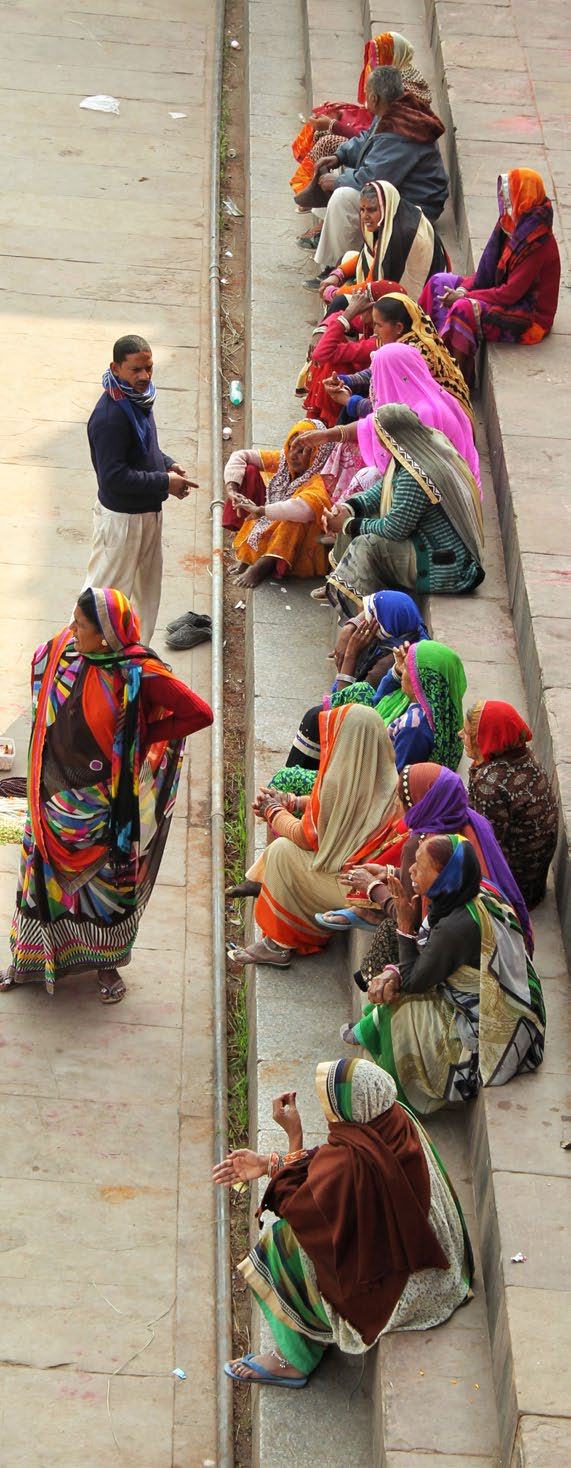
Russell Ackoff, the famous systems thinker, gives the following analogy which is quite suitable in our context: "Imagine 500 of the best cars in the world in one place. Experts now evaluate and pick the best tyre, best engine, best seats, best entertainment system etc from each car. Now imagine piecing together a new car from each of the 'best' parts of all the cars. Will this new car work? Of course not. A car is more than its parts." The goal of the Lab was to find the 'car' that can work, rather than the individual parts that are best or most innovative.
What we set out to achieve in the lab
We set out to run the lab in two phases. Phase one, which has been funded by the Children's Investment Fund Foundation (CIFF) and ran for six months between January and June 2019, set out to achieve three ambitious things. First, to generate new solutions based on the following:
- Bringing in new partners, cross-sector collaboration and localised, context-specific solutions to acute malnutrition prevention.
- A programme grounded in systems thinking to result in new, innovative and holistic approaches to acute malnutrition prevention.
- Shattering the current nutrition-focused perspective and approach to developing solutions by bringing together local stakeholders from various sectors.
- Focus on bottom-up, user-centred approaches that account for a detailed understanding of existing assets, community dynamics and local investment, rather than imposing external solutions.
- Building a portfolio of solutions that work together to address malnutrition prevention.
Secondly, the lab planned to drive innovation learning and capacity building for the partners, which included CIFF and our Indian based innovation partner, Vihara. Thirdly, the lab intended to build innovation capacity within the teams of participants, in order to view problem solving in a more systemic way. Three very ambitious goals for six months of activity.
What we achieved in the AMP Lab
Phase One – AMP Lab
The following outputs were achieved during the first phase:
- A problem synthesis report was produced to guide the lab. This report was produced by Vihara after over a dozen expert interviews were conducted.
- The development of an intervention framework, which identified the key areas for interventions based on the synthesis.
- Development of a monitoring and evaluation framework, and measurement of the progress of the lab.
- Communications and promotion of the lab with over 40 organisations to find the final participants for the lab.
- Interviews with most of those 40 organisations and a final selection of eleven organisations.
- Development and dissemination of the lab launchpad and problem report to all participants prior to the lab.
- Participation of lab participants (two per organisation) in two workshops over a total of seven days; the same lab participants engaged in the entire process.
- A field visit for participants to an urban slum area in Delhi.
- The engagement of experts in the first workshop.
- Participation of lab participants in team calls and activity between workshops (at least four calls per team).
- Participation of lab participants in several team outputs – theory of change, graphic game plan, business model and demonstration of the concept.
The main experience for participants of the lab was a series of two 'sprints' to quickly develop a portfolio of solutions to be tested during the proof of concept phase (phase two). The first sprint was held in Delhi from 20 to 23 May 2019. This was followed by the second sprint from 24 to 26 June 2019, with a demonstration day for donors and other stakeholders held on the 26 June 2019. In the time between the sprints, the teams worked together to explore individually how their product/programmes connect to each other. They also worked as groups to generate joined-up solutions. The twenty three participants from eleven organisations formed three teams to develop the concepts.
The lab and sprint design was based on the following model, where we focused not only on activities and resources but also on attitude, skills and impact.
Figure 1: Nesta innovation lab design
A circular diagram illustrating the "Partnership Lab approach" with "Mission and purpose" at its center. Four quadrants surround the center:
- Attitudes and skills: Includes Values, Competences, Leadership, Team design, Work organisation, Space, Methods and tools.
- Governance structure: Includes Mandate, Funding, Strategy, Ownership, Decision-making, Positioning, Process.
- Impact and assessment: Includes Accountability, Documentation, Learning, Evaluation, Impact assessment.
- Activities and resources: Includes Advice, Capacity building, Communication, Convening, Projects, Research, Partnerships.
The central "Mission and purpose" links to each quadrant via "Pathway to change". Surrounding this, three iterative loops labeled "Learning", "Experimentation and prototyping", and "Reflection" connect to "Identify the problem", "Understand the system", "Establish shared purpose", "Visualise a new system", "Co-design a new system", and "Activating the new system" in a continuous cycle, with "Sustaining and embedding" overarching the whole process.
The lab not only supported the participants to develop new and more joined up solutions, it also helped them to embrace 'next generation' innovation practices – including systems thinking, ecosystem asset mapping, multiple experiments and iteration.
The lab is based on the following framework and the proposed proof of concept phase will reinforce this framework. The framework sees the individuals and their organisations deliberately connecting and contributing to the wider systems change required.
Figure 2:
A diagram showing the relationship between different levels of engagement in the AMP Lab, from individual to system change, and how they are funded and supported.
- System change: Ventures and teams are all funded and supported based on a portfolio approach to support system change.
- Complimentary new cross sector ventures: New ventures are developed within the teams that support tackling a specific intervention area within the system. Teams also work across ventures to support each other.
- Cross sector teams: Individuals and organisations join teams with a focus on developing interventions within the system.
- Organisation teams: Two members from each organisation join the lab and commit to being part of the development of solutions.
- Individuals: Skilled and motivated individuals from across sectors including nutrition experts, WASH, AI and tech, research etc.
What we developed together – outcomes of the first phase
Throughout the sprints, participants explored the development of new solutions to prevent acute malnutrition using an innovative 'idealised design' process, which helped them to envision a new future without acute malnutrition. The participants named this design the 'Baby Ready Family'. This baby ready family is not just about focusing on the baby or the mother but also the father, the grandparents and the larger community. The solution gathers under an umbrella the peripheral sectors like nutrition, behaviour change, health-tech and potentially WASH (water, sanitation and hygiene), in needing to give immediate attention to tackle the issue of urban acute malnutrition, while also being part of a larger ecosystem too.
During the sprints, the teams developed their proposals for a proof of concept phase, introduced below. It is visualised that this activity would take place in six month sprints in order to explore what might or might not work in the longer term. This is subject to change, depending on funder requirements. The concept is to deliver the interventions as a portfolio so that the teams can test, learn and adapt what works in the portfolio rather than being independent interventions within the system.
At this stage we have chosen to develop the concept around three groups, identified as being important parts of the malnutrition prevention story.
- Adolescent girls and boys.
- Newly married couples.
- First 1,000 days (from conception).
Our theory of change
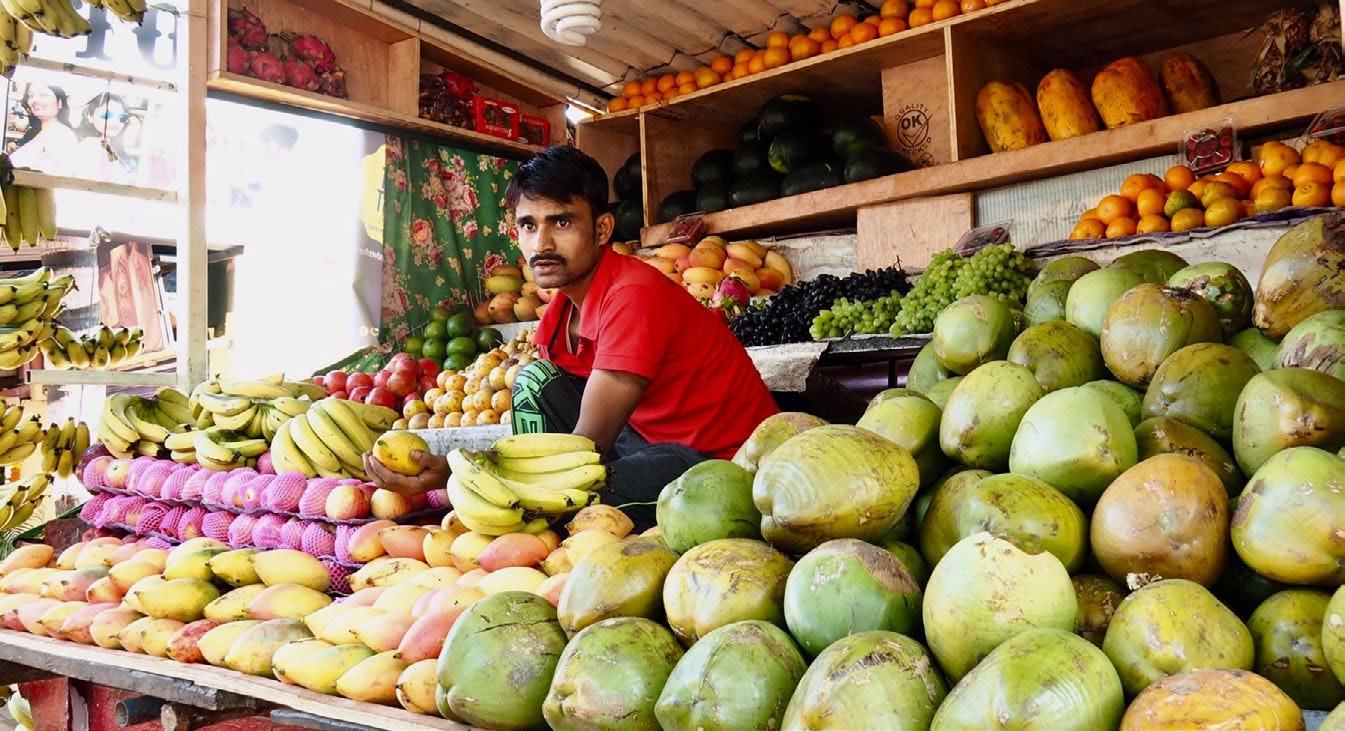
Our theory of change shows that in order to impact on the prevention of acute malnutrition, we must test to see if a portfolio of nutritional change coupled with behavioural interventions and smarter, real-time monitoring will have an impact on acute malnutrition prevention in our target communities.
The teams have focused on building a systems approach which includes supply (of better food/services etc), demand (building community need and demand) and data to support the system in real time. The teams will work together as a portfolio group over the period of the proof of concept.
Teams
Lab participants come from diverse sectors including nutrition, health, technology, urban infrastructure, WASH (water, sanitation and hygiene), agriculture, livelihood and behaviour change. They represent different organisations including research institutes, NGOs, government bodies and the private sector. A list of the participant organisations is listed at the end of this report. The purpose of working in teams, and in cross sector teams, was to generate more learning and to share new ideas and new approaches across different sectors.
Unlike other labs where teams enter together with an already established working relationship, we developed the teams throughout the sprint process. This added a layer of complexity in that teams needed to learn to work together, a notoriously difficult task across sectors. All teams except for one have committed to seeing the ideas through proof of concept phase, while phase two of the lab proposes work that supports teams to learn and develop their capabilities, not just deliver services.
Outputs Team One: Nutrition Team
This team includes participants from Prodigal Cook Farms, Fields of View, The Breakfast Revolution, and Swami Shivananda Memorial Institute.
The problems the team identified were the lack of access to nutritious food, the lack of diversity of nutritious food in the identified communities and the lack of context-specific nutritious food, as different communities prefer to eat different hot and cold foods at different times.
Through phase one of the lab, the team developed the concept of 'Food webs'. These are a network of producers, processors, sellers, role models and end users, working collectively on market and non-market based sustainable models to ensure access to the right food at the right time.
This is a challenge that is hard to tackle, therefore the team has proposed several phases to the work to see what is possible to scale up in each of the identified geographical areas. These concepts, or activities, will be subject to rapid testing and prototyping to see if they have potential for impact on the ground during the proof of concept phase.
Activity One: Mapping and understanding community assets
This has been done to a certain extent on the ground but needs to be done with the teams.
Activity Two: Introducing the interventions
Expanding and reframing the food spectrum.
- Fresh food webs: Building fresh food webs by identifying spaces in the slum to grow and sell fruit and vegetables.
- Supplementary food webs: Strengthening supplementary food webs by repackaging the healthy food options, and identifying channels for distribution in the neighbourhood.
- Cooked meal food webs: Engaging communities through an established community kitchen model, including self-help groups (SHGs), and enriching the model through incorporating peoples' food preferences. These models are shown to have worked in other slums.
- Micro enterprises for fortified snacks: The team aims to come up with micro enterprise shops, for the community to sell the packaged healthy food, prepared from the locally produced food, prepared by the people from the community and sold to the local beneficiaries.
Activity Three: Introducing replicability
Developing a guiding framework and toolkit to assess the effectiveness of intervention and to support others to implement the food web concept.
The team aims to achieve a sustainable model and create impact by collaborating with existing stakeholders and cross-team partnerships for knowledge and content creation, introducing sustainable business models in the nutrition space for the targeted community.
In order to quantify the quality and safety of nutritious food, the team aims to develop a set of guidelines for setting up community kitchens that can also be replicable. This can enhance the trust value and increase acceptance of proposed intervention in the neighbourhood. Prodigal Cook Farms have developed community farms and kitchens in communities and are keen to scale this.
Output Team Two: Changemakers Team
The Changemakers Team includes the following organisations: Matri Sudha, Centre for Health, Education, Training and Nutrition Awareness (CHETNA), Swami Shivananda Memorial Institute and Kaboom. The team comprises of participants with a strong understanding of behaviour change, who are aiming to change the prevailing mindset in lower income communities.
During the sprints, the team aimed to go beyond the traditional focus on the mother and focus on the husband/father, as well as, the mother. In the areas we are proposing, the mother gets a reasonable amount of support once she is near birth and after birth, however prevention needs to start earlier. The goal ideally is to support and educate the whole family in crafting a responsible and baby ready family.
However, understanding the time constraints to achieve results in the changing behaviour of the whole family, the team will focus on making nutritious food 'cool' in the first instance, with a focus on adolescents on their way to becoming young married couples. The vision is to build knowledge and shift attitudes of adolescents about the food they consume. The idea is to make 'Nutritious Food Cool' to equip the 'baby ready family' with knowledge and attitudes to consume healthy options that are available locally.
The current communication on nutrition is to target 'everyone' with messages heavily loaded with information on nutritious consumption patterns, importance of WASH etc. The idea is to flip the communication to make the 'user' understand what nutrition means and advocate for it within their households. The communication visualised is not just 'user centric' but also conveyed in a language that the 'user' speaks.
The team plans to achieve this in three activity phases to provide knowledge and shift attitudes of adolescents to pro-nutritious food:
Activity one: Audience study through field research that would study the community, user behaviours, aspirations, preferences and the pain points
This is complementary to the data collection in phase one of the other teams work.
Activity two: Introducing interventions
Capacity building sessions, campaigns, training and workshops to train the community for focused behaviour change.
- Content creation and knowledge banks would be created to make the end users aware of what a balanced diet means, in a language that works for the 'user'. Adolescents will also be prepared to share essential knowledge around overcoming the problem of malnutrition in the community.
- Make nutritious food cool: In order to reinforce the behaviour change, the team aims to connect with the Nutrition Team to provide tangible understanding of the nutritional values of food. Behaviour change team aims to guide the localities through executing focused campaigns around nutrition, and developing community nutrition champions who can provide leadership within the community once the programme is over, to ensure the intervention sustains - thus making this model a sustainable one.
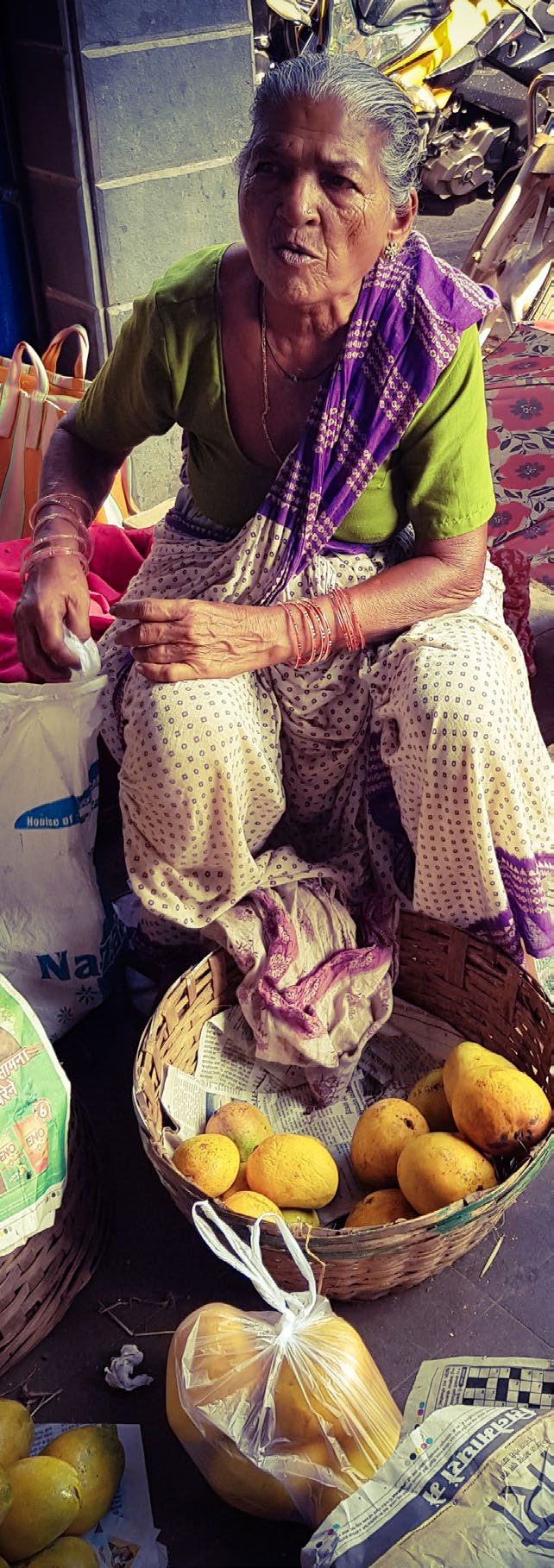
Activity three: Focusing on the cost-effective use of media platforms to disseminate the information
Social Mobilisation and community participation will be considered for advocacy and scaling up the model.
Outputs Team Three: Data Team
The Data Team consists of participants from Parentune, Dhwani RIS, Shelter Associates and Prodigal Cook Farms. The team has identified as a key issue the lack of a data-driven evidence model for users, community, policy makers and funders. The goal is to create a system that enables real-time feedback to stakeholders at all levels to make the right decisions and iterate or change as required.
The team proposes three different solutions which will work in tandem to enable this to happen:
1A user-friendly 'baby ready app' focused on individuals and community workers. The app already exists and is designed to make data collection simple and real-time, with an interface that is voice-driven rather than text heavy. 2A dashboard, that already exists, which supports visualisation of key data: for the individual to learn about the growth of the child, for the community worker for the families they are supporting, and finally for the policy makers and funders to see where the trend lines are and whether the interventions are working. 3A GIS mapping system, that already exists, which combines traditional baseline surveys with geographic information systems to visualise the current context in a specific location (e.g V.P. Singh Camp), including housing, sanitation infrastructure, micro-enterprises and anganwadis; with additional layers in terms of demographic data, nutrition information etc.
These will be updated periodically over the course of the project to visualise the changes in the community and provide holistic feedback.
On an activity level, the team will focus on the following activities:
Activity One: Data collection
The gathering of data from family members in the target community working with the Nutrition and Changemakers teams, and from other stakeholders including policy advocacy/research agencies. The team also aims to carry out GIS mapping of the settlement, which will become the anchor of location-based information about the inhabitants. Several additional layers of information will relate to the health of an individual alongside a complete data set for the whole family.
Activity Two: Design and development of tools with the community
Development and rollout of one or more of the following custom software tools for each stakeholder's baseline and pilot phase needs. These software tools will be responsible for assimilating the information and simulating it for the end users, in order to overcome the knowledge barriers, intent-behaviour gaps and actionable insights on emerging health issues.
The software could include:
- Mobile Apps.
- Reporting MIS.
- Dashboards.
Impact of the Lab Phase One
As part of the first phase, Nesta, Vihara and CIFF have been measuring impact in three ways. Firstly, the development of investable ideas from the teams, secondly the learning and development of CIFF and Vihara and thirdly the learning and development of the participants.
The concepts developed during the sprints have merit based on sustainability, scalability and originality for the proposed geographic areas.
From participants, the most positive feedback with regards to the lab was overwhelmingly about the diversity of the group and how the lab improved their understanding (e.g. paradigm shift and ecosystem discussion) of the challenges and the issue of acute malnutrition prevention. Participants have noted the importance and value of group work, bringing different perspectives to the problems and system thinking. Additionally, they praised the efficiency of the method in supporting them to synthesise their research and build a clear strategy for interventions. They considered it effective that they were able to turn their ideas around a complex issue into concrete strategies for long-term interventions.
CIFF and Vihara felt that the two strongest areas of impact were the capacity building for teams and the multi-sector partnerships.
What we learnt for next time
There were plenty of learnings, regarding how we developed the lab and how we would implement phase two or any further labs on this, or other issues.
1. A greater specificity of the challenge, objectives and direction from those executing the lab needs to be agreed prior to activities commencing.
The lab would have benefitted from better contextualisation of urban malnutrition, even if only by selecting an area where activities would take place first, where we worked with the teams to decide the area, due to the short amount of time we had to develop the concepts it might have been better to have a preselected geographic region. The diverse group of actors would have been able to apply their skills in a more efficient way to the innovation process and ideation if this contextual work had been further developed prior to the lab commencing.
2. Need for more time focused on on-the-ground context and critical assessment of solutions prior to pitch day.
Both the participants and the funder would have been more satisfied with the outputs if more time had been allocated to refining the ideas generated, prior to the pitch. Particularly, thinking about specifics related to the gaps that actors and the intervention would need to fill. Time to allocate to this focus may have been found if tensions around contextualisation were resolved as per recommendation one, or if the lab had a longer timeframe to work within. A pitch day after six days of innovation could not have yielded much more refinement of the proposed interventions. A realistic layout of resources versus future outputs would need to happen. There was a strong desire to have the whole process completed quickly, however the consequence of this was that there was not enough time for the participants to fully develop their solutions.
3. Approach requires buy-in and equal involvement between partners.
Relationships in the consortium were fairly traditional, which constituted a considerable barrier to learning and to success in producing better, more investable ideas. Not all partners were equal, greatly affecting the outputs and buy-in at the end of the lab process. Ideally in these lab processes the funders, designers etc should have been an active participant throughout the lab process, rather than a satellite observer, while execution partners should have identified the fundamental need for active participation of all in the lab process, in order for the desired learning to occur.
Next steps
The concepts developed during the sprint are ambitious and will need refining for the next step, however the approach of working together over one month (with seven days of workshops) did stimulate some shared learning, new thinking and collaborative working. The group is now a strong cohort of actors who are committed to action in this area.
How to deliver Phase Two
We know that networked, dynamic problems require a reimagination of NGOs and other actors to interact with the system - the challenge is how. For the proof of concept phase, we want to find out which interventions show the most promise for evidence of impact and sustainability. We also want to identify which interventions are required for a systems change – are all of the interventions in the portfolio necessary?
The purpose of this approach is to orient and challenge partners to recognise when we need to be evidence-informed – building validity through experimentation – rather than evidence-based, as currently there isn't conclusive evidence in this sector.
This design strives to equip participants with the beginnings of a 'problem-framing' mindset and some methods they can apply to continue approaching their problem spaces differently. Framing is about sense-making - the shifting from unknown-unknowns to higher levels of certainty, acknowledging that how we think greatly affects methods and outcomes. Rather than producing a proof of concept proposal which assumes we already have the solution (no pre-defined logframes, no flashy new app or awareness-raising campaign), we wish to further develop this portfolio of multiple parallel concepts so organizations and CIFF can learn what works in tackling this complex issue.
This approach is shown in the diagram below. Adapted from Collaborate CIC, we have developed this model further to include the necessary components for the lab. During the first phase, we have completed the first sections (understanding the ecosystem) and we are now working through co-design with the participants. The experimentation (learning, reflection and design phases)

How this will look in practice is a shared data collection and co-design phase in two identified geographies. The intention of this phase is to collaborate on data collection and baseline development, to refine which of the interventions should be tested and when. For the second phase we also recommend embedding learning. It is intended that all teams would come together and learn after each experimentation phase.
Figure 3:
A circular diagram illustrating the "Partnership Lab approach" with several stages. Starting from "Identify the problem" at the top-left and moving clockwise:
- Identify the problem
- Understand the system (connected by an arrow from "Identify the problem")
- Establish shared purpose (connected by an arrow from "Understand the system")
- Visualise a new system (connected by an arrow from "Establish shared purpose")
- Co-design a new system (connected by an arrow from "Visualise a new system")
- Activating the new system (connected by an arrow from "Co-design a new system")
- Sustaining and embedding (connected by an arrow from "Activating the new system")
The process then loops back to "Identify the problem". Three smaller iterative loops (each containing "Learning", "Experimentation and prototyping", and "Reflection") are shown: one between "Sustaining and embedding" and "Identify the problem", one between "Visualise a new system" and "Co-design a new system" (but shown branching from "Co-design" and ending near "Activating"), and a third one between "Activating the new system" and "Sustaining and embedding". The source is "Model adapted from Collaborate CIC".
Funding
Initial funding estimates show that the approach could be delivered for approximately £1 million over a two-year period. This doesn't include provision for further investment in the ideas but does include scaling during that period. We expect that, from the concepts, many of the interventions would not be successful, but acknowledge that this is the nature of testing and experimenting. We do however see this adding to the body of knowledge about what works and what could be expanded after proof of concept.
We expect the systems approach to mean that development of the concepts moves more slowly than in a normal venture lab, because of the strong emphasis on learning and on the interdependence between the interventions – something that the development sector has struggled to develop.
Proposed geographical locations
The teams have chosen two geographical locations in which they would like to develop their proof of concept. The reason for selecting two areas is so that we are able to compare and contrast between the two while we are developing the project, as a way of further understanding what works.
The two chosen areas are V.P. Singh camp in urban Delhi and Vasna Slum in urban Ahmedabad, both in India.
V.P. Singh Camp
Lab participant Matri Sudha works in V.P. Singh camp, which currently has 8,000 inhabitants.
Lab participant Matri Sudha started its intervention in V.P. Singh camp in 2017, based on the finding that young people living there had little support and had a range of health needs. The main reason behind these health needs was the non-availability of any government programmes or support which may have improved their health and nutritional status.
For more than four decades, V.P. Singh camp did not have any Anganwadi centres (local health worker centres) which was also one of the reasons for the poor health and nutritional status of children.
Many children in the camp were found to be wasted, based on their baseline data conducted in 2017. They feel that the slow growth in children was likely to be the result of poor awareness during pregnancy, resulting in many children being born with low birth weight. In the camp there has been limited intervention by the health workers during the prenatal and postnatal period.
There are currently three Anganwadi centres in the camp. There are three Accredited Social Health Activist (ASHA) workers available but their role is limited to mother and child vaccinations.
How the lab will complement current work
Matri Sudha works to prevent malnutrition through community based work, which includes key interventions in the first 1000 days and work with adolescents. However, the work is currently limited to a small area and needs support to scale. The second limitation of the existing work is the absence of any technology-based intervention. There is scope for capacity building of fathers, mother-in-laws and young parents. Awareness of nutrition is limited to household level when it comes to keeping a baby healthy, and is not connected to the families in a sustainable way. A lot of the current work is focused on treatment, while there is also a lack of food accessibility.
The AMP lab will bring a focused intervention to prevent acute malnutrition in the first 1,000 days and provides a complementary contribution to the current whole intervention. The changemakers will be important as they can leverage off the work of the ASHA workers. We hope they could play the role of external mentors or resource persons for the community on health and nutrition issues. For the first time, fathers and mother-in laws have been added to complement mothers' efforts in improving the health and nutritional status of children. Lastly, the technology intervention may be helpful in improving the efficiency of the current work, in helping the teams understand what works at a more granular level. The lab interventions would ideally support the generation and collection of data to help inform what is needed in the community. The current service provision is limited and could better focus on prevention of malnutrition.
Vasna Slum in Ahmedabad
Ahmedabad is the largest city in Gujarat and the fifth largest metropolis in India with a population of 60 lakh, (Census 2011). The population of the city has increased from 35 lakh in 2001 to 55.68 lakh in 2011. The slum population has increased from 12.4 per cent to 17.9 per cent.
Lab participant CHETNA has worked in an urban slum of Ahmedabad city since 2017. It is located in Vasna ward (West Zone). Based on the individual household survey carried out by the team members in the month of April to May 2017, the actual household numbers are 3,460.
The area is densely populated with an average of five-to-six members per nuclear family and 12 to 15 members in joint families. The slum dwellers are mainly from Rajasthan, Orissa, Uttar Pradesh and Bihar. The men are involved in construction labour, working as daily wagers, or as drivers, while a few own their small business. The women are working as housekeepers or maids, while some even do labourer jobs. The area does not have proper sanitation and water facilities. The Urban Health Centre is functional and located very near to the proposed area. There are many private practitioners playing an important role in providing both preventive and curative services. There are ten Anganwadi in the area.
CHETNA have been actively training frontline workers (Anganwadi workers, ASHAs and Auxiliary Nurse Midwives) to increase their knowledge of Maternal and Child issues. Individual and group counselling sessions are an ongoing activity throughout the year for the families who have had children who were severely or mildly underweight. Special energy-dense food is promoted. CHETNA have been able to reduce about 40 per cent of undernutrition through counselling and education. They also organise and deliver community awareness activities in the form of puppet shows, street drama, Poshan Mela, Godh Bharai, Women's Health Mela, etc. Nutrition Mela for pregnant and lactating women are organized to disseminate information on the importance of food and nutrition during pregnancy and lactation.
Sharing meetings are held quarterly with Ahmedabad Municipal Corporation officials and monthly with Urban Health Centre (UHC) medical officers. Government functionaries are invited during community-level awareness activities.
How the lab work will complement current work
The current baseline data shows that undernutrition among children, adolescents and women is a major concern. In addition, access to health services during pregnancy and lactation is poor. The current data from the 2018 baseline survey for the Vasna Slum region is as follows:
- Thirty per cent of children below five years old are underweight. Of which 58 per cent are severely underweight and the rest are moderately underweight.
- Twenty-three per cent of adolescents (both boys and girls) are underweight. Of which 25 per cent are severely underweight and 75 per cent are moderately undernourished.
- Fifty-three per cent of adolescents are anaemic.
- Forty per cent of pregnant women are anaemic.
- Thirty-two per cent lactating women are anaemic.
- Only 66 per cent of women are availing iron folic acid tablets.
- Only 10 per cent of pregnant women have undergone three Antenatal check ups.
In addition, there are other issues to consider, such as general awareness about nutrition being very poor. The majority of the population is migrant, delivering their babies in their hometown, resulting in poor access to services. The lab interventions will complement what is already happening on the ground by scaling up what works already and implementing much-needed behavioural change programmes.

Participant organisations
These are the eleven organisations who participated in the first phase of the lab:
Centre for Health, Education, Training and Nutrition Awareness (CHETNA)
Based in Gujarat, CHETNA supports Government and Non-Government Organisations (GOs and NGOs) through building the management capacities of educators, health practitioners, supervisors and managers, enabling them to implement their programmes related to children, young people and women, and advocating for people-centred policies.
The organisation has experience in addressing the issue of nutrition using various approaches, including:
- Awareness building: promoting awareness on the use of locally available foods, personal hygiene and environmental sanitation, care during pregnancy and lactation, and children's nutrition from conception to the age of two years.
- Counselling through home visits, one-to-one counselling and group sessions (women, family members and the neighbouring families, including men) on optimal care and feeding practices, health and nutrition services and their uptake.
- Creating an enabling environment for women and their families to adopt appropriate care and feeding practices through family/group meetings and village level meetings.
- Partnership with local community-based organisations and NGOs, and support for reaching out to the communities.
- Strengthening the government systems: working with elected representatives and women's self-help groups.
- Strengthening existing monitoring mechanisms and service delivery platforms to improve links between service delivery and community.
CHETNA director Pallavi Patel and Public Health Nutritionist Hetvi Shah attended the lab workshops.
Dhwani Rural Information System
Dhwani Rural Information System is a technology enterprise that provides affordable, integrated and smart ICT tools to organisations working with poor communities. The company has been working with Niti Aayog, Vedanta Foundation and Tata Trusts on its nutrition interventions.
The organisation is interested in building an augmented reality and machine-learning-driven solution, which makes calculation of anthropometric parameters (body measurements) easy, and classification of malnutrition quick and effective.
Shobhit Mathur and Ambalika Gupta from Dhwani attended the lab workshops.
Parentune
Founded in 2012 by Nitin Pandey, Parentune is an online community that provides personalised and trusted advice to parents from fellow parents and experts. One of the most awarded Indian startups, Parentune now supports millions of parents across India, from different socio-economic backgrounds. Parentune brings the following to the lab:
- Nationwide reach of parents to help prevent malnutrition in their children.
- Data/intelligence/research on current behaviour/consumption habits.
- Prowess in leveraging Data analytics, Machine Learning, NLP & AI on top of its network to solve parents' concerns promptly.
- Positive real time intervention – prototype, testing and scaling.
- Expertise in knowledge and counselling on nutrition in early years, including experts who have worked in this area.
- Trusted by millions of parents in curating credible content and solutions.
Parentune Founder Nitin Pandey attended the lab workshops.
The Breakfast Revolution
Based in Mumbai, The Breakfast Revolution (TBR) is an innovative programme based on nutrition science and behaviour change communication. At the heart of the programme are innovative 'snacks' that provide 100 per cent of the vitamins and minerals a child lacks in their diet, along with as much (vegetarian) protein as two or three eggs.
These power-packed snacks are tasty and cost only $0.10 to $0.15 per meal. In addition to these meals, TBR's programme includes health check-ups, de-worming and nutritional education to improve hygiene and food choices at home.
Over the last three years, TBR has served more than five million meals to 50,000 malnourished children and women, and more than 70 per cent of the children on the programme have shown significant improvement in their health within six months.
Chief Operating Officer Melvin Lewis and Co-Founder Neelam Jetwani attended the lab workshops.
www.thebreakfastrevolution.org
Matri Sudha
Matri Sudha is asking: "If the economic situation in India is improving, then whose children are malnourished? Is there no change in the 10 per cent of the population who lie at the bottom of the ladder?"
The organisation has developed 'Nutrition Champions' with the objective of transforming the thinking and action on nutrition in the urban slums of Delhi.
The concept has a four-part approach:
- Working directly with families to build their capacity and education around health and nutrition, and support during pregnancy and the first two years of life.
- Pilot phase to establish convergence of frontline workers i.e. ASHA (accredited social health activist) and Anganwadi workers (who provide basic health and nutrition education and services for children under the age of six).
- To create a platform and leaders within the community for action-oriented engagements on nutrition.
- To support, facilitate coordination and collaboration for knowledge building and policy change.
Arvind Singh from Matri Sudha attended the lab workshops.
National Institute of Urban Affairs
National Institute of Urban Affairs (NIUA) is an institute for research, capacity building and dissemination of knowledge for the urban sector in India. It conducts research on urbanisation, urban policy and planning, municipal finance and governance, land economics, transit-oriented development, urban livelihoods, environment and climate change, and smart cities. NIUA runs the Child Friendly Smart Cities Initiative. The knowledge collated through this initiative has broadened the institution's perspective around the relationship between the urban environment and the overall health of children.
Divya Jindal from NIUA attended the lab workshops.
Shelter Associates
Shelter Associates is a civil society organisation (CSO) established in 1993 to improve the living conditions of the urban poor in India. It works in slums and informal settlements to provide technical support for, and facilitate access to, improved housing and essential services. Shelter Associates works extensively with urban local bodies (ULBs) to deliver these services. This provides granular data sets for cities, which are live on the organisation's data portal and linked to the websites of the respective ULBs where it has been working.
'One Home One Toilet (OHOT)' is an ongoing process wherein through the combination of technology, mobilization and stakeholder participation, SA delivered over 17,500 toilets in the slums across seven cities of Maharashtra. It is a cost sharing, replicable, scalable and sustainable model backed by technology solutions aimed to achieve ODF status for cities.
Another critical issue is affordable housing for the urban poor. Many of India's citizens live in slums without access to security of tenure or essential services. The slum rehabilitation projects that are prioritized by the government fail to take account of on-the-ground realities and are implemented in an intrusive and opaque manner. SA has therefore implemented various housing projects in the cities of Pune and Sangli.
The core competencies of the organization are: Poverty Mapping using GIS technology (mapped and surveyed over 233,000 households), Housing (impacted over 9,000 people) and Sanitation (impacted over 365,000 people directly and indirectly).
Shelter Associates Executive Director Pratima Joshi and Monitoring and Evaluation lead Smita Kale attended the lab workshops.
Swami Sivananda Memorial Institute (SSMI)
SSMI has provided supplementary nutrition and midday meal programmes for over a decade. These projects are carried out, not as a catering exercise, but as women empowerment projects based on the Jahangirpuri Model developed by SSMI. This involves:
- Locating the kitchen in the midst of the beneficiary community.
- Employing women from the beneficiary community.
- Using industrial practices to ensure food safety.
- Choosing technologies that maximise women's employment but minimise drudgery.
- Maintaining economies of scale for ensuring food safety, making sure the distance/time travelled by cooked food is minimal.
- Ensuring personal and food safety by adopting simple practices, such as providing 'smokeless chullahs' (stoves that run on LPG gas rather than firewood) and providing aprons and head gear to employees.
Director Sunita Bhasin and General Secretary Ashok Rao attended the lab workshops.
Prodigal Cook Farms
As a local experiential farm enterprise, growing seasonal local produce using natural farming and permaculture practices, Prodigal Cook Farms collaborates with local communities to help them set up and cultivate urban edible spaces. The organisation works with schools, children and parents as farm educators, with the aim of creating a food secure future and initiating a dialogue on the 'right' nutrition. With a goal of "knowing, growing and reviving 'real' food," they work with local farmers to revive traditional foods, healing herbs, forgotten grains and greens, and to curate knowledge on how to use these ingredients in India's biological ecosystems.
Founders of Prodigal Cook Farms Neha Bhatia and Puneet Tyaagi attended the lab workshops.
Fields of view
Fields of View's goal is to undertake research at the intersection of technology, social sciences and art to design tools for policymakers and people. Fields of View is a not-for-profit group based in Bangalore. Its work involves three inter-related threads:
- A policy lab where the organisation undertakes research at the intersection of technology, social sciences and arts. This involves creating and designing new methods and tools in the areas of simulations and games.
- A school of policy, which includes training programmes and workshops for government agencies and civil society organisations across South Asia on these new tools and methods, as well as making policy more accessible.
- Developing artifacts such as graphic novels, games and videos to make policy more accessible and actionable.
Vaibhav Dutt attended the lab workshops from Fields of View.
Kaboom
Kaboom is a creative agency to accelerate social change and people's movements, applying user-centered design thinking and creating entertaining content. The organisation brings two distinct sets of expertise - understanding and the ability to apply human-centred design and expertise in WASH, specifically menstrual hygiene management.
Founder of Kaboom Nirmala Nair and team member Yashna Jhamb attended the lab workshops.
Euphoria Technosoft (MyChild App)
The organisation acknowledges the emerging question: "How do we get our technology in the hands of the users in the underprivileged part of society?" It aims to answer this question in two ways.
Euphoria Technosoft has a product in the market called MyChild App, a mobile app that uses algorithms to screen for developmental disorders in children between the age of one to 24 months. Since there is a direct correlation between some developmental disorders and malnutrition, they want to explore this in the lab.
The organisation is also building a new piece of software called Accio, which is attempting to target and understand depression, stress and anxiety levels in pregnant women. Founders of MyChild App Harsh Songra and Aafreen Ansari attended the lab workshops.
58 Victoria Embankment London EC4Y ODS +44 (0)20 7438 2500 [email protected] @nesta_uk www.facebook.com/nesta.uk www.nesta.org.uk
Nesta is a registered charity in England and Wales with company number 7706036 and charity number 1144091. Registered as a charity in Scotland number SCO42833. Registered office: 58 Victoria Embankment, London, EC4Y ODS.
-
Urban HUNGAMA Survey. Accessed at https://bit.ly/2z3VfOe ↩
-
Global Food Policy Report. IFPRI. Accessed at https://bit.ly/2J6IZ3n ↩