
Local authorities often face a delivery gap between strategic plans and the actual installation of low-carbon heating. To address this, we partnered with Plymouth City Council to develop a localised, area-based clean heat planning approach.
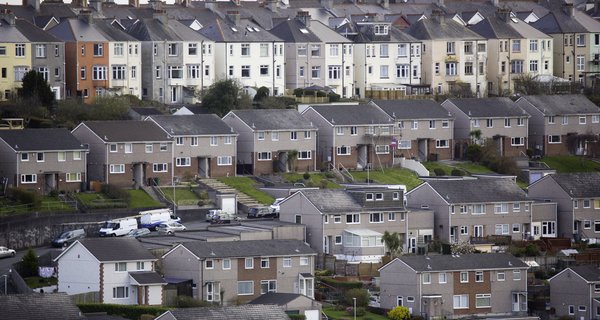
Focused on a complex-to-decarbonise urban ward, the project output was a clean heat plan shaped by the local stakeholders, the supply chain, and residents. The result is a draft plan for the Ward of Stoke in Plymouth, assigning suitable technology to groups of properties and surfacing opportunity areas, a pipeline of prospective projects.
This work is accompanied by a playbook featuring plan templates, household communication guides, and a prototype digital automation tool. It offers a scalable, actionable framework for policymakers and communities to accelerate the transition to clean heat.
What's in the report
The clean heat plan has seven sections covering:
- Introduction: the invitation to partner
Establish the scale of ambition and the commercial intent - The track record: delivering clean heat
De-risk the project for the private sector - The market opportunity: scale and technology pipeline
Provide a granular breakdown of the project’s technical requirements - Opportunity deep dive: targeted project briefs
Provide a clear understanding of the 'ideal' solution for each pocket of area - Local authority commitment: generating demand and de-risking delivery
Align financial models with the local population- Community and resident engagement
Define the 'social infrastructure' of the project - Securing anchor projects
Make it safe for supply chain to invest in the area - Streamlining delivery
Council acting as a central coordinator to reduce friction for the supply chain
- Community and resident engagement
- The financial framework: underpinning the market
Demonstrate the plan is commercially viable - Implementation roadmap: aims, roles and next steps
Move from strategiser to market-facilitator
Findings/recommendations
Local heat plans are vital catalysts for delivery. In Plymouth, our clean heat plan sparked stakeholder discussions regarding multi-tenure, area-based solutions that otherwise wouldn't have occurred. This highlights a shift for local authorities toward becoming market facilitators, ensuring entire areas are considered rather than just isolated opportunities.
For residents, these plans provide the certainty needed to reduce transition friction and build confidence in new technologies.
While this research document doesn't constitute a formal council commitment, it identifies critical pathways for progress.
Moving forward, we are scaling this work across Great Britain to refine our data tools and communication strategies. These insights will shape our Clean Heat Neighbourhoods Playbook, supporting our ambition to see area-based clean heat delivery become a national standard.
Acknowledgements
The plan, its contents and the approach were shaped with input from local and national stakeholders. Nesta and Plymouth City Council would like to thank all those who contributed their time, including City College Plymouth, Dartmoor Energy, Kensa, Mitsubishi Electric, Peter Warm Associates, Plymouth Community Homes, Plymouth Energy Community, Thermly, The Village Hub (Plymouth), and the residents of Stoke ward who engaged with this work