Data in the early years: learnings from Greater Manchester’s Early Years App
 www.nesta.org.uk/feature/data-in-the-early-years-learning-from-local-authorities/greater-manchesters-early-years-app/
www.nesta.org.uk/feature/data-in-the-early-years-learning-from-local-authorities/greater-manchesters-early-years-app/
www.nesta.org.uk/feature/data-in-the-early-years-learning-from-local-authorities/greater-manchesters-early-years-app/

In our new series, Nesta is talking to local authorities who have found innovative solutions to common challenges, and who are using data to better support young children and their families. We will be drawing out key learnings and insights to help other local authorities consider how similar solutions could work in their local context.
The first years of a child’s life are some of the most important for their lifelong development. But the systems supporting these formative years - such as the ways assessments are run, or how practitioners access information about the children and families they are working with - are not always as effective as they could be. We have been talking to teams who have found ways of improving these services.
We spoke to Philippa Hendrie, digital transformation project and product manager at Greater Manchester Combined Authority, about their Early Years App: a digital system that allows parents and early years professionals to complete and access assessments in one place.
In 2019, Greater Manchester had a clear goal to increase the number of children starting school ready to learn, but was behind the national average in child school readiness, in particular in terms of communication and language skills.
Part of the issue in reaching families with timely, relevant support was that the systems weren’t set up for using data in this way. Paper-based assessment forms and ad-hoc completions meant there was missing information and repeated assessments, with information often living in siloes. It was difficult for health visitors, early education practitioners and parents to share vital information with one another, or coordinate support.
In response, Greater Manchester launched a one-stop digital solution for families and practitioners. The Early Years App:
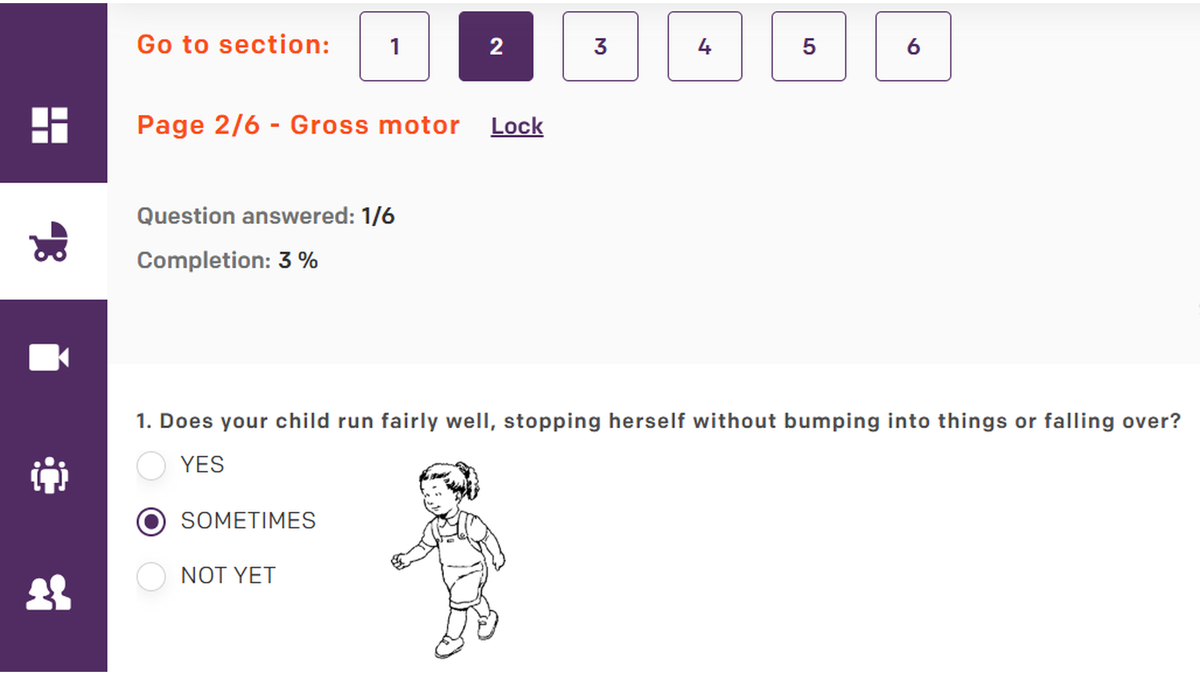
The app was developed and built in approximately six months. Parents can now complete the assessments digitally at home at a time that suits them, and then can access both the completed assessments and other supporting information. Meanwhile, practitioners have better access to the data they need.
The Early Years App has made it easier for Greater Manchester practitioners across the multiagency early years workforce to identify where additional support is needed, facilitated through the digitised ASQs and data sharing with relevant professionals (with parental consent). Philippa explained how it works:
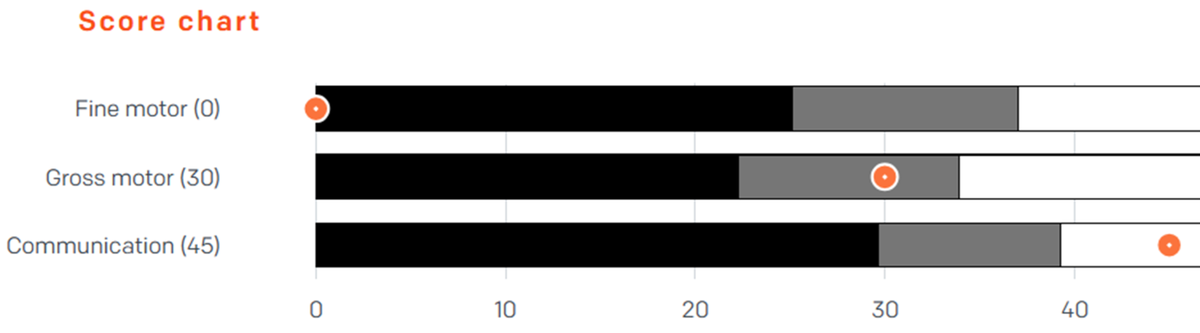
“The app allows for parent-led assessments to be completed virtually, with the scores of assessments sent through to Health Visiting Teams in advance of appointments. So if a concern is raised before an appointment, practitioners have an opportunity to prepare before the visit. Resources can be targeted to children who are not meeting developmental milestones, and data sharing in the App helps avoid delays caused by letters or repeat appointments. The app helps to ensure continuity of care and enables faster interventions when needed.”
“Health visiting teams are able to triage results of assessments completed by parent/carers and target resources where they are most needed: for example by providing individual appointments for the children struggling and then arranging group appointments for children performing well for their age, rather than scheduling individual appointments in all cases.”
In Stockport, the digital transformation has led to numerous benefits, with one team measuring 98% completion of two-year ASQs (by parents, carers and staff) and a 59% reduction in clinical time spent delivering two-year assessments.
Philipa said: “The app has also led to a drop in missed appointments in Stockport. In the past, fixed clinic times sent by letter often clashed with work or family schedules, resulting in cancellations or no-shows. Now, families can choose and book appointments online using Eventbrite, improving attendance and ensuring more children receive the support they need.”
For parents and carers, they have more control over their own data and can easily track their child’s development. One parent noted, “It’s so much easier than paper forms I had to do with my first. Can complete whilst feeding!”
The Greater Manchester Combined Authority (GMCA) team developed the app with partners Accenture and Mendix, using an easy-to-use development platform supplied by Mendix.
To ensure that the final app would be used by and useful to families and practitioners, Greater Manchester built buy-in and trust from the outset. Philipa talked about how they went about this:
“We ensured a multi-stakeholder approach to developing the application - involving digital professionals, developers, information governance, early years practitioners, health visiting senior management etc. It was important that all roles came together to develop the product. Health visiting and early years teams across Greater Manchester trialled the system, provided feedback in workshops and collaborated with developers to iterate quickly.
“To build credibility with parents, we collaborated with trusted content providers such as the BBC and Essential Parent to provide a library of useful streaming content, in addition to the data about their child. And the app uses NHS Login - an existing, trusted login that parents are used to - to authenticate parents and carers.”
“The Early Years App has achieved integration with Personal Demographic Service (PDS) notifications. This was secured through established NHS partnerships, with GMCA working collaboratively with the NHS National Events Management Service (NEMS) team through assurance and onboarding. This structured and well-supported process enabled the adoption of real-time notifications, including new birth and personal demographic data. As a result, the Early Years App system benefits from automated updates, improving data accuracy, reducing administrative burden and ensuring practitioners always have access to the most current information.”
The easy-to-use development platform meant that the app could be built quickly and Greater Manchester were able to iterate and implement more quickly than if they’d attempted a complete overhaul at the outset.
Philipa said: “We took an incremental and pragmatic approach to digital development and integration. While integration can be a valuable long-term ambition, not all aspects may be immediately achievable, and pursuing full integration too early can risk delaying progress altogether. In many cases, there are clear advantages to implementing standalone digital solutions initially, which can be refined and integrated over time. Building flexibly was also important in this ever-changing digital environment, where strategies and priorities can shift. It’s essential to be responsive to change.”
Philipa explained that the Early Years App was developed as part of a wider reform package led by GMCA to improve outcomes for young children.
“Rather than being a standalone tool, it sits within GMCA’s broader school readiness programme, which aims to ensure that children start school with the foundational skills they need to learn and thrive. Alongside the app, the school readiness programme includes other digital components such as shared data systems, digital assessment tools and communication platforms that help professionals work more effectively across organisational boundaries. By integrating these elements the programme strengthens coordination between services and reduces fragmentation, which is a common challenge in early years support.
“Establishing a combined authority and having the role of governor of the application has enabled the GMCA to drive change forward in Greater Manchester. Decisions could be made at the right scale to support the whole city region. GMCA was able to operate as a single, stronger voice when reaching agreements with suppliers and partners. We use devolved powers to design solutions that are tailored to local needs.”
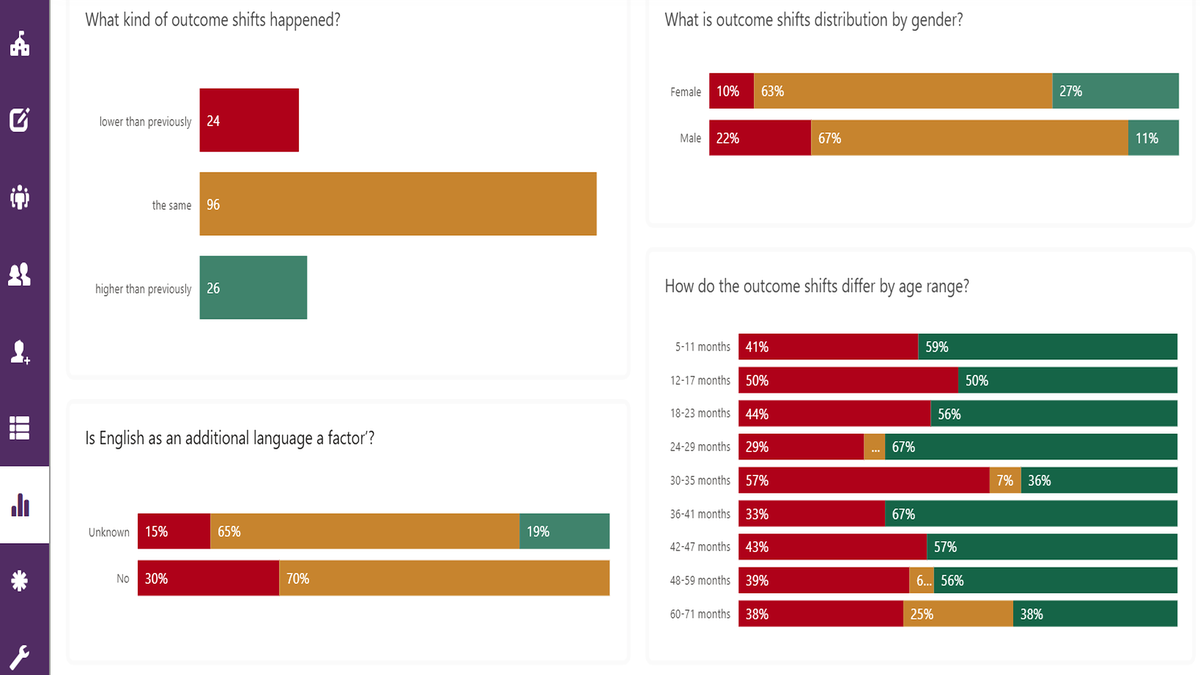
The Early Years App has helped Greater Manchester to achieve its ambition of improving rates of school readiness. From improved efficiencies in scheduling appointments to supporting data-informed decisions about where support is targeted, the app shows the potential data has to help local authorities in delivering change for children and families.
GMCA are currently looking at options for how the App could be made available beyond Greater Manchester. If your council or local authority may be interested, please contact Simon Banfield ([email protected]) from Mendix for further details.
Find out more in Greater Manchester and Mendix case study.
If you have a case study you’d like to contribute to our series, please contact [email protected]