Introduction
Between February and August 2015, researchers from the Open Knowledge Foundation International (Rubinstein) and the Oxford Internet Institute (Cowls, Cath) visited five countries on three continents to discover the methods and motivations behind innovative uses of open government data, and how these might be adopted in a UK context. Through a series of interviews with open data practitioners and experts in each country, we encountered a multitude of perspectives and practices illustrating how actors in different sectors of society make innovative uses of open government data. Yet, as we will show, various factors geographic, political and often personal influence the prospects for open data innovation. Our journey thus provoked as many questions as it yielded answers, but we believe it represents a meaningful first step towards an important destination: understanding how open government data can be fully harnessed to improve society.
This paper describes this journey. First, it explains what open government data is and why a framework of innovation can be a useful means of understanding impact. Second, it explains our use of a qualitative research methodology. Third, it describes the key insights from each of the countries visited - Chile, Argentina, Uruguay, Israel, and Denmark. Finally, we offer a series of reflections on the four most important concepts for understanding open data innovation that we came across: data supply and demand, data literacy, crisis conditions, and communities of practice.
Defining open government data
The "Open Definition”, a statement of principles around open information, defines open data as “data that can be freely used, modified, and shared by anyone for any purpose". Data belongs to - and can thus be opened by - many different entities, including government, the private sector, academia and others. It also can be in different forms - financial data, geographic data, metadata for archives and collections, and so on. After data is opened by any entity, it can be freely reused by others to create new knowledge and new applications of information for commercial and non-commercial use.
In this paper, we examine open government data, meaning data that is collected and published by government entities, at the national, regional and municipal levels. To allow for a more direct comparison between the countries visited as part of this research, we have adopted a narrow definition of open government data - focusing on data that relates to basic public services provision. By our definition, open government data does not include data which does not relate directly to government services provision. This means that data relating to, for example science or culture, are beyond the scope of this study.
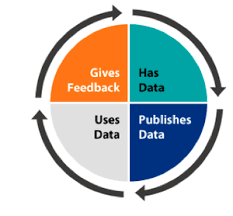
FIGURE 1: OPEN DATA CYCLE BY EVELIEN CHRISTIANSE
The above diagram, produced by Evelien Christianse, shows how data use fits into the broader data lifecycle. Much academic research has been done on the north-east and south-east arcs of the cycle - data ownership, and data publication - but much less on the actual use of data, which remains a work in progress. Knowledge gaps found on the south-west end of the circle are therefore our research focus: to understand both the methods involved with and the motivations behind the reuse of open government data in order to innovate. In particular, we lean on the principle of 'first reuse' - that is, examining cases where data is reused for the first time by entity A after being opened by entity B. In addition the entity using the data for the first time often has a major role in the opening of the data as in the case of Freedom of Information requests, for example.
While the infrastructure around the publication of open data is relatively robust, there are few mechanisms in place through which the innovative use of open government data can be ascertained. Users do not have to report their use of open government data and sometimes even do not have to credit the data publisher. The absence of reporting makes it hard to track different uses of the data, not only by researchers but also to the data publishers themselves. There is ongoing work to create a common assessment to help and examine this topic, but there is still no concrete method to monitor and analyse use.
Our framework for analysing data use: innovation
Given our focus on the relatively under-researched area of open government data (re)use, we require a framework for conceptualising the ways in which data is being used by different actors in different places. For this, we draw on the definition of innovation provided by the Oxford English Dictionary as a “new product, idea, method, etc." While innovation is often considered a singular or discrete process, many examples of innovation involve a series of processes or actions on the part of the innovator. There are also different forms of innovation, described by Dawson and Andriopoulos in Managing Change, Creativity and Innovation. First, we can look at the scope of the innovation: is it incremental, modular or radical in form? Incremental innovation describes small changes built on top of current knowledge; modular innovation involves building on top of current knowledge and adding a significant degree of new knowledge; while radical innovation occurs when the existing knowledge becomes obsolete.
Secondly, we have adopted Dawson and Andriopoulos' innovation categories as a means of understanding impactful uses of open government data which are as follows:
- "Products" - applications that use open data as a basis for their work;
- "Services” - improving government services to citizens by using open data;
- “Processes" - using data to change how processes work, either by employees or users;
- “Management” - using open data analysis for decision making and changing of directives;
- "Market” - creating economic models that are based on open data;
- "Social interventions” - using open data for the improvement of existing social behaviour;
The final distinction in how we conceptualise innovation in the context of open government data is between 'continuous' and 'disruptive' innovation. Innovation is continuous if it occurs without causing a major change in the wider ecosystem of rules, norms and/or relationships between relevant stakeholders. Innovation is disruptive if it transforms these rules, norms and/or relationships - as with a corruption scandal which causes a change in financial disclosure laws, for example.
Our framework encompasses all of the categories and forms of innovation we describe above, and we refer back to these throughout the discussion of our research and findings, noting their different effects.
Rationale and background: the UK context
The UK government has long been considered at the forefront of open data. Since 2010, the government has taken active steps in publishing government data 'openly'. It has also helped to shape international policies around open data as part of the Open Government Partnership, and has topped the ranks of both Open Knowledge Global Open Data Index (regarding data publishing) and the Web Foundation Open Data Barometer (regarding policies, data publishing and impact).
This being said, relatively little is known about open data use in the UK. The Open Data Institute (ODI) was established and funded by an initial sum of £10 million by the UK government, prompting open data use mainly in the UK private sector but also in other locations around the world. Since its establishment, the ODI has been an important collaborator with the government's own open data and transparency division, which is part of the Cabinet Office. These groups work together to connect businesses, startups and other innovators to government. Various efforts aimed at sparking engagement with open government data are underway. The introduction of Open Data Challenges - to incentivise the use of open data by individuals and businesses to create solutions, and the Open Data Camp - which brings together different stakeholders to speak about open data issues in a non-formal environment are but two examples.
Early research suggests that a range of different individuals are making use of open data, but their motivations for doing so are unclear. Moreover, for all the influence that the UK government has exercised around the release of open data, (both at home and abroad) our preliminary research suggests a relative lack of (innovative) use of this data by civil society. Looking for examples in the applications section of the UK Open Data Portal, it appears that many uses of open data are repetitive, revolving around the same subjects. Drawing on the Oxford Internet Institute Open Data applications portal, a careful examination on the applications that were developed in 2014 suggests that while there are a lot of applications, they are repetitive and do not bring something new to the ecosystem.
Methodology
From February to August 2015, the project team examined open data innovation in 5 countries: Argentina, Chile, Uruguay, Israel and Denmark. These countries were chosen based on several factors at macro, meso and micro levels. First, at the macro level, we sought to cover a broad geographical scope, spanning multiple continents, languages and cultures, to encompass as wide a range of examples of open data analysis as possible. At the meso level, in the case of Latin American countries we wanted to draw out more precise comparison between three bordering countries. These countries belong to the same open data scene at the continental level, but have had distinct experiences with open data at the national level. Finally, at the micro level, we focused on visiting places with prominent open data organisations and individuals, based on prior research, such as Fundacion Ciudadano Inteligente in Chile and Hasadna in Israel.
The research method we used is grounded in comparative qualitative data gathering methods based on purposive sampling. We primarily used participant observation, casual conversations, semi-structured interviews and focus groups to gather data, often deploying multiple methods to analyse a single organisation. As part of our research we spoke to a total of 40 different actors including representatives of civil society organisations as well as private individuals, all of whom use open datasets in the target countries. These actors mostly belonged to one of four sectors: civil society and activist groups; national, regional or municipal government; startups and the tech industry more widely; and media organisations.
This particular research method was chosen because in-depth analysis is required to investigate the complex factors that influence open data use. This approach enabled the research team to investigate how knowledge and experiences held by individuals contribute to the wider ecosystem of open data use. The sampling method was chosen as it allowed us to target a wide variety of individuals to talk about our research subject, whilst ensuring that the samples were made up of people with extensive experience in the open data field. Setting up interviews with professionals in the field can be difficult, as they are often approached for such studies on the basis of their expert knowledge. In order to mitigate this issue, we used our personal and professional networks to gain access to the field, and asked our interviewees to make additional introductions as part of further 'snowball' sampling.
Admittedly, qualitative interview-based research has several limitations. It can be influenced by the bias of the interviewees, the interviewers and the sampling methods. In order to ensure the findings presented in this research were credible, trustworthy, and dependable, we undertook continuous triangulation of data sources, across cases and literature. In addition, we presented our findings to the participants on a rolling basis, in order to receive further feedback on our work. We are mindful of the limits of this research. Yet we also believe that Denzin and Lincoln were right when they emphasised the advantages of collecting a large amount of data on a limited number of cases as opposed to gathering little information about many cases. The interviews were done in English, even though this was not the mother language of most of our participants (or indeed members of our research group). For the sake of consistency and comparison across participants from multiple countries we felt this necessary, but remained cognizant of the accompanying limitations.
In the proper spirit of qualitative research, we do not claim that our findings represent the full picture on open data innovation. Rather we hope it shines a new light on this presently under-researched area. We also believe that the method chosen for this research has made visible aspects that would have been missed in quantitative research. And we hope that our findings spur an array of additional research, and further inform the policy debate on innovative uses of open data for societies.
Country insights
The remainder of the report describes the results of our research. In this section we discuss in-depth each of the countries we visited, and the key insights and discoveries which emerged from our conversations with participants. In the later section, Reflections and Recommendations, we combine and compare these findings in a series of themes, yielding a set of recommendations as to how open data innovation might be better deployed in the UK.
Chile
Our field research began in Chile. A South American country of 18 million people, Chile is judged to be one of the most stable and prosperous countries on the continent, with high levels of democratic development and low perceptions of corruption. The country also fares reasonably well in estimates of its open government data provision, ranking 20th overall and 3rd on the continent in the 2014 Open Data Index.
A recurring theme in all of our interviews in Chile was the relatively strong framework of national laws and rules which promote the availability of open data.
Key facts:
Corruption perception index (2014) - #21
Open Data Index (2014) - #20
Chile's landmark Transparency Law, enacted in 2009, is a lens through which open data is perceived in the country. The law contains both active and passive principles for different kinds of data. Some information, such as government salaries, must be actively put online regularly, whereas passive principles allow certain data to be released where citizens make freedom of information requests. This was followed up in 2011 by the directive of then-President Sebastián Piñera in 2011, which mandated the publication of government datasets.
These legally enshrined rights and responsibilities have helped to galvanize open data efforts. Where data isn't open, it can be made open upon request (unless of course, it is private data information such as ID numbers). Yet, while there is a strong foundation of transparency, ironically this may have made some aspects of open data innovation harder to achieve. The fact that most data is passively rather than actively available means that in practice, having to ask for data a process which typically takes at least a month (and often even longer) can stymie rapid innovation -as interviewee Luis Bajana, an open data entrepreneur who is taking part in the innovation hub in Santiago, pointed out to us. In addition, the government will typically not open data if it is not asked to, and people will not ask for it because they don't know they can. Roadblocks associated with the freedom of information request process are not unique to Chile, but demonstrate that even with transparency laws, bureaucratic issues persist.
The legislative backdrop in Chile thus provides a strong framework for open data, but may not be as strong an encouragement for the actual use of this data. Nonetheless, Chile certainly has a well-established innovation scene that utilises the available data. The most prominent organisation in this space is Fundacion Ciudadano Inteligente (FCI), a non-profit based in the capital Santiago, which was founded in 2009 with a mission to use technology to promote transparency and democratic participation. FCI seeks to straddle the boundary between technical capacity on one side and activism and accountability on the other, providing platforms and tools for others to use, and doing research themselves. A good example from the former category is FCI's Congreso Abierto, a site which makes information available about congressional representatives and their legislative activities.
It is worth pointing out that partly as a consequence of how well-established the open data environment is in the country - Chilean organisations and individuals have also turned their attention to Latin America more widely. FCI was instrumental in the development of Desarrollando America Latin (DAL), a collaborative community of open data activists across the continent. In conjunction with British innovation group MySociety, FCI also set up the Poplus platform, which promotes transparency in governments around the world. One of our interviewees, Paloma Baytelman, a local open data academic, set up a Facebook group in 2011 to bring together open data activists. The group has since expanded to include Spanish-speaking members from across the region, as well as some Portuguese speakers in Brazil.
One of the lessons we learned from the research carried out in the Latin American region is that innovation needs an audience to use the items that are being created. From many of our interviewees we heard that Chilean society writ-large is still lacking the knowledge about what open data is and how it might be used. While this is by no means unique to Chile, the Chilean open data ecosystem is lacking key actors to mediate between the open data community and other stakeholders in society. Without these intermediaries, the process of innovation becomes harder and in some cases reduces its effectiveness.
Journalists are an intermediary group seemingly lacking in the Chilean context. According to Hanna Beck, a local journalist and open data activist, there are very few data journalism efforts underway in Chile. Journalists are still using official communications announcements as the basis for many stories, and lack the time or resources to, for example, create meaningful visualisations which would allow readers to understand complex data. A similar point was raised by Alvaro Garves, an academic and a hacker, who argued that data journalism plays a critical role in the exposure of new ideas and applications.
There are some explanations for the lack of journalistic engagement with the widely available open data. Our interviewees pointed to Chile's media industry, where newspapers have been less profitable than before, leading to a lack of resources to support more journalists. This created a situation where journalists cannot put the effort into producing investigative pieces using open data. Second, there is also a lack of data literacy: many journalists do not have the skills to analyse complex datasets to produce content. In addition to limitations on the supply side, the demand does not seem especially strong. We learned from Hanna Beck that the public doesn't clamour for data-driven journalism, creating little pressure for journalists to produce it. Such demand can sometimes be driven by a public feeling of discontent or perceptions of corruption, but at the time of our visit in Santiago, few cases of government corruption were reported, and perceptions of corruption, as noted above, remain low at the national level.
Since our visit, however, FCI and other transparency organisations helped to bring a number of politicians to justice in as many as 5 different corruption cases. These cases are changing the open data infrastructure by making more data open, with the creation of a new government committee to create more transparency and initiate further releases of data.
Argentina
When it comes to open government data, Argentina lags behind other countries in the region. It is currently ranked 54th on the Open Knowledge Global Open Data Index. There are some exceptions to this trend, including Argentina's comprehensive national health program PAMI, which in 2014 began publishing data on their open data portal to promote better access to public services. In general, however, it is at other levels of government where the release and use of open data is more widespread.
Key facts:
Corruption perception index
This is especially the case in the capital city, Buenos Aires. In 2007, mayor Mauricio Macri was elected. Macri's election brought a novel opportunity for the city of Buenos Aires, and a new open government data directive was developed by the city government. During our visit to the City of Buenos Aires' Open Data Team, we were struck by the city government's commitment to improving the publication and use of open data. This commitment was made apparent with the development of an open data portal and the creation of a space for public feedback. Besides having a comprehensive open data portal, the government officials we spoke to describe their sense of being part of the wider multi-stakeholder community. This is particularly significant given the apparent importance of communities in developing open data innovation. The city government's perspective suggests a need for a shift in mindset when it comes to the use and reuse of open data: there is a need for constant dialogue between data consumers - civil society, businesses and government departments themselves - in order to create productive flows of data and best practices. Indeed, other open data stakeholders in the city who we spoke to seemed to agree, sharing the sense that the city government sits as part of, rather than outside of, the open data innovation community.
The Buenos Aires Open Data team explained to us what they saw as three core purposes of open government data: creating transparency; achieving compliance with public services; and providing additional economic value. Crucially, these objectives do not occur entirely concurrently. Rather, the team explained how establishing greater transparency was their first aim, noting that great strides have already been made here. Creating additional economic value is a longer-term aim, and work in this area is just getting started, for example, with a new policy of city procurement. It is hoped this process will allow new businesses to apply for a tender with the city government in order to promote more applications and uses of open data.
The city government's progressive attitude to opening data was in contrast to the comparative lack of movement in this area at the national level. This point of difference could be useful, however. Different levels of government may deal with different types of data - meaning a side-by-side comparison is not always possible. That said, it may follow that if citizens of Buenos Aires see the benefits of open data at a city level, demand for more releases of data at the national level will grow too. Also worth noting is that following our trip to Argentina, the mayor of Buenos Aires, Mauricio Macri, was elected the President of the country. It remains to be seen whether Macri's election will extend the productive culture of open data that we observed in Buenos Aires to the country at large.
Another sector we observed in Argentina was the media, and here we found two primary actors. The first was the Argentine branch of Hacks/Hackers, a group which brings together journalists and technologists to share expertise around the use of data in the news industry and society more generally. The Argentine branch, we were informed, is the largest outside the U.S., and the enthusiasm and activity was palpable in our interviews with some of the group's leaders. The group organises a Media Party every year in which data journalists, activists and hackers come together to create quality data journalism. They also develop useful products such as Hackdash, an app which helps to bring the community together to set goals and tasks for the group's hackathons.
Alongside innovative local initiatives such as this, we also found a great drive amongst sections of the traditional media to use open data. La Nación, a leading national newspaper, pioneered innovative, useful, and often beautiful uses of open data in its journalism. La Nación's data team is led by highly motivated journalists and technical specialists (most of whom are women), who work around the clock to make compelling stories from whatever data they can get their hands on. As part of their wider outreach efforts, La Nación also promotes data journalism in local universities and the newspaper is an integral part of the open data community. To aid reuse of their data, they publish data in their own open data catalogue, which members of the public can analyse and use for their own purposes. One popular dataset tries to predict inflation, which fills an important need since the government's national statistics office does not supply this information.
Both Hacks/Hackers and La Nación are filling a vacuum opened up by the absence of national government efforts in this area. The hackers and journalists are scraping and curating their own datasets, for their own use in order to inform citizens. One of the founders of the Hack/Hackers groups, Martin Sarsale, even helps to fill the void in the business arena, where he founded a startup which uses open data to enrich his product, a real estate application. Yet the battle is ongoing, as unintentionally, these initiatives can create a catch-22 situation. Activists and journalists will often scrape data from government websites and create a permanent, open, machine-readable database; only to notice later that the government has changed the level at which data is aggregated, so that individual patterns cannot be detected. Sometimes, however, the whole data collection is stopped at once, such as when the government stopped publishing information about how much it was spending on marketing.
Yet these efforts only serve as a catalyst for more work on the part of activists, hackers and journalists, who try and find new ways to uncover and present the data. This creates a cat-and-mouse game in which the more the government tries to hide or obfuscate, the more activists will try to reveal. As such, it's the very lack of data at the national level – and ongoing attempts to limit what is already available – which, creates the rich environment of innovation in Argentina with more than 40 different civic tech initiatives at the last count. One of these initiatives is Cargografias, a website that visualises politicians' professional timelines, and helps to show to the public politicians' current and former roles in order to highlight conflicts of interest. Another example is a map with the national evaluation of education in the different regions in Argentina. While this map is relevant to the years 2003-2009 - the data that is available at present - it would promote the educational agenda if new data were to be released.
There is a strong sense of community among open data stakeholders in Argentina. As participant-observers of the Open Data Day event that took place in Buenos Aires, we saw how civil society, journalists, hackers, and various levels of government came together to exchange ideas and discuss future collaboration. While it seems that there is a tension between different parts of the community - mostly between government and civil society - this tension, in the right context, can create incentives for all sides to drive further work. Having all of these stakeholders in the same room paves the path for future innovative activities.
Looking ahead, the key question is: will the community be able to keep creating more innovation with less data? Or will a more thorough change be needed at the national government level? Regardless of what happens next, our research suggests that in cases where governments are less forthcoming with open data, a grassroots community can emerge to lead innovation efforts.
Uruguay
Uruguay, the small country of 3.4 million people nestled between Argentina and Brazil, emerged from a civic-military dictatorship in the 1970s and 80s to become one of the most liberal, advanced and stable countries in Latin America today.
This openness is reflected, we found, in the cooperative and open-minded government agency AGESIC (Agencia de Gobierno Electrónico Sociedad de la Información y las Comunicaciones), which is charged with implementing digital government.
Key facts:
Corruption perception index (2014) - #21
Open Data Index (2014) - #13
AGESIC's main concerns in relation to open data are civic cooperation, increasing trust in government, encouraging business growth and delivering better services to citizens. AGESIC launched several initiatives, including an educational programme around the benefits and risks of personal and public data, and runs regular hackathons which aim to encourage the use of open data by businesses.
However, it appears that the best example of innovation in open data comes from the collaboration between AGESIC and civil society. DATAUY is a volunteer-run civil society group that creates civic tech applications and promotes open data use. Together, the two entities created ATuServicio, a web application that allows patients to compare health insurance rates in Uruguay. The cooperation was so successful that it recently won an Open Government Partnership award.
Although small, civil society groups are working hard to pull other organisations into the open data ecosystem, usually ones that do not necessarily think of data as a solution to a given problem. DataUY created ATuNombre ("Your Name”) , a website that explains the origin of street names in Montevideo, serving to highlight the problematic absence of women in public spaces and collective imagination. More broadly, DATAUY is working not only on exclusively Uruguayan issues, but is also a powerful force in the open data community in Latin America. The AbreLatam conference, which featured 500 attendees in 2015, began as an idea from DATAUY, as a way to learn about other open data challenges and successes from across the region.
Open data activities in Uruguay do not on the whole derive from crises or mistrust. Activities address problems that may affect day-to-day life, but not acute basic needs. Open data is generally used to improve government services and to advocate for important issues both online and off. However, from the interviews we conducted it seems that one area currently underserved by open data initiatives is intra-governmental compliance. With the strong focus on improving services for citizens, it can prove difficult to access and share data between government offices. For instance, one interviewee noted that it is difficult as a government employee to get the data needed to create better reports.
Another area for potential growth is in the media. Uruguay has only a small mainstream media, which limits its investigatory power. Open data provides additional value here, and a data journalism workshop was recently organised by Agesic and Data Uruguay to encourage data journalism that may allow better democratic dialogue in the future.
Israel
Israel advertises itself as a 'startup nation', being second only to Silicon Valley in the number of tech start-ups. The release of open data, however, falls far behind this startup friendly culture, with Israel ranking only 44th in the most recent Open Data Index. Our research suggests that this is related to the protracted conflict in the country, which has led government officials to be wary of opening large datasets; especially, when they are perceived to contain information that might pose a threat to national security, or could be used by third parties to expose some of the practices of the Israeli government in the Occupied Territories. Unfortunately, many datasets fall under this umbrella - such as use of government services, energy policy, water use, land use etc. which, in many other countries, are considered part of the public commons.
Key facts:
Corruption perception index (2014) - #55
Open Data Index (2014) - #40
The datasets that have been made available are mainly directed towards supporting the corporate side of the startup community in Israel. From our interviews, it seems that the government's approach is an economically driven one. It focuses on making data available to organisations that have a direct commercial use for it, or using it to facilitate the ability of the government to provide services. The potential use for civil society, in contrast, is not a direct aim of the government.
Another obstacle to innovation is the system by which the government makes datasets available. The government outsources the collection and creation of datasets to commercial companies or agencies. These companies then lease out the data only to organisations or individuals able to pay the unusually high access fees.
All of these factors indicate that the government's approach to open data provides a barrier to innovation. Overall, these issues may be rooted, as suggested in our interviews, in the Israeli political culture where open data is associated with left-wing, progressive values. Currently, most open data initiatives are dealt with in low-level governmental departments. The Israeli government is not officially adopting open data policies like in Chile and Uruguay; nor does it have a separate open data ministry like in Denmark or the UK. This makes it difficult for the government to be open or provide open datasets for innovation.
There are several other hurdles that further complicate the creation of a thriving open data culture in Israel. For example, Hasadna, a group of around 45 civic hackers who congregate every Monday night in the main Google building in Tel Aviv, that come together for a variety of reasons. Some individuals have personal stories that pulled them into the civic hacking community; others a passion for cleaning up datasets so that third parties can develop apps. The hackers run into the aforementioned political issues, but are also very directly confronted with the limited interest and capacity of the general public to participate in their work. Interviewees noted that the technical skills - and patience - that such hacking requires, as possible constraints on wider interest and participation.
Nonetheless, there have been very successful and high-profile examples of data generated by this civic tech hub being used more widely. One poignant example of open data being used to generate a huge societal impact was a website that was created during the height of the social protests in Tel Aviv in response to the housing crisis. This website, Madlan – which is run by a for-profit entity – collected data about the rent people were paying in different neighbourhoods. This enabled consumers to compare and contrast, and where appropriate bargain for a better deal. The website was an instant success, as it provided a crucial service at just the right moment. But the founder of the organisation was reluctant to acknowledge that his work was an innovative use of open data in Israel, as he noted in the interview that having large financial resources was necessary to acquire the raw data. It was not like he could just use the data without any financial barriers. Which is also why the Madlan model includes a profit model whereby users are encouraged to opt for the paid premium data service, and the website's freely accessible section has many advertisements. These steps he said were necessary to earn back the high initial investment required to start the website.
In spite of Israel's position as an important player in the global tech scene, the attitude of the government towards open data, along with the system that has been set up for gaining access to it, greatly complicates the country's ability to create a truly thriving open data culture. Despite the fact that various civil society actors, journalists and companies are doing innovative and important work with the resources available to them, the larger political attitude towards open data frustrates the ability of civil society actors to leverage the full potential of open data.
Denmark
Modern Denmark is almost a byword for peace, prosperity and development. The country ranks at the top of indices relating to living standards, government services, and human rights protection. Even by the elusive, subjective standard of ‘happiness', Denmark scores highly not bad for a country where it rains just about every other day.
Key facts:
Corruption perception index (2014) - #1
Open Data Index (2014) - #2
Our time in Denmark helped bring us closer to the answer of one of the central questions of our study: where does open data innovation come from? Is an active open data scene more likely to arise in conditions of social stability, or strife? Does innovation emerge from an abundance or an absence of openly available data?
Denmark's history not only as a ‘happy' but also a peaceful state has a strong bearing on its attitudes to open data. Citizens are, compared to many of their European counterparts, far more trusting of government holding their private data. As a result, there is a longstanding tradition of the national government using high-quality data as a basis for improving the functioning of the state, such as the free release of the country's address database.
This long history of data utility inside government has clearly served the country well, judging by the provision of its public services and the efficiency of its welfare state. Moreover, the country does very well overall in opening high-quality data, ranking third worldwide on the most recent Open Data Index. This ranking has been powered in part by the government's Basic Data programme, which involves the release of a large set of core data collected by the government over a period of five years (with existing protections on private data held in place.)
Beyond the success of the Basic Data programme, there was the sense in our interviews that this openness has not automatically translated into innovative uses of data. The government's focus is on creating further economic value, but in the relatively narrow sense of improving the efficient functioning of public services by saving money and solving problems internally. Given the large share of the economy accounted for by the state, this is not surprising, nor insignificant, but nonetheless may push aside opportunities for other non-governmental actors to make use of available data in ways which might be more innovative and far-reaching.
Open data innovation does not appear to be a very salient issue within civil society one interviewee characterised this as resulting from a 'publicity deficit'. Danish society is not, of course, perfect. The seeming lack of pressing problems, in addition to the high levels of trust most Danes have in the state, may account for a lack of urgency in this space compared with other countries. Since the large public sector is perceived to 'take care of everything', the impression given by our interviewees was that it is harder for civil society groups to mobilise activists, than in other countries. Similarly, interviewees noted that journalists played an important role advocating on behalf of civil society. While Denmark's robust Freedom of Information rules yields valuable data, this does not guarantee it will become open or more widely available.
This is not to say that there are no positive initiatives around open data in Denmark. As well as the Basic Data Programme, a recent Open Data Week event held in coordination with other Scandinavian countries helped nurture and expand the open data network. There is evidence of greater energy around open data at the municipal level. Municipal data has several advantages in the Danish context: it is often distinct and highly granular, allowing municipalities to benchmark themselves against others, thus stimulating constructive competition between areas, in ways not possible at the national level. Some of the best open data initiatives take place at the city level, especially in Copenhagen and Aarhus: hackathons and ‘data drinks' have yielded interesting discussions, but as yet there have been no major impacts.
It is telling that some of the most high-profile and productive efforts have taken place at both the supra- and sub-national levels, rather than nationally. Danes are blessed with a well-functioning national government which has released copious amounts of structured, high-quality data. Our findings however suggest that this provision of open data, has not on the whole served to stimulate use and reuse of this data.
Reflections and recommendations
1. Supply and demand
Even though we focused our investigation on the usage component of the open data cycle model shown above, the issue of supply - in other words, the public availability of open data was consistently raised by our interviewees. Each of the countries we looked at are participating in the Open Government Partnership, but are at different stages of publishing open data. Not only does the supply of open data vary between the countries we surveyed, but so does the demand from different sectors of each society. The demand, supply and use of open data are all, therefore, interlinked.
Civil society
Civil society is a consistently strong actor in demanding data, and in many places there is a network of open data, open source, transparency, and anti-corruption organisations that champion efforts in this domain. While data can be made available by a simple bureaucratic act, like a Freedom of Information request, in most cases we looked at, more efforts were needed whether because of a lack of relevant legislation, bureaucratic obstructionism, or other obstacles. Governments and civil society organisations need to be in a constant dialogue with the government, looking for feedback and different types of data that can be used in different contexts. In the case of Chile and Uruguay, there are regular updates about data publication, typically once every quarter. This is done at official meetings. In the case of Chile, a special committee, that involves civil society actors from transparency and open data domains, meets to suggest new datasets that could be open and discuss new ways to collaborate.
Not all the countries that we surveyed had such good practices. In Israel and Argentina, data is sometimes not published in machine readable formats, or published at all. In these cases, great demand on the part of civil society groups is not matched by supply. This creates a challenge for the users, or as the open source community calls it: an 'itch' for action. In some cases this leads to the scraping the data from government websites, in others to legal battles. These challenges and battles inspire innovative applications, visualisations, and other initiatives, but as these outputs are based on crowdsourced or scraped data from elsewhere, they are filling the vacuum created by an absence of open data released by the government.
Lastly, all the individuals we interviewed mentioned that the civil society uses of open data are predominantly around governance issues such as accountability and corruption. There groups are trying to 'seed' the use of open data by ‘thematic' NGOs that deal with other topics such as health, youth, women, the environment, etc. This is done through community events such “Cafe Data” in Uruguay and various hackathons in Israel, but also by paid projects such as the Civic Lab led by Ciudadano Inteligente. In this project, the team is working with a coalition of thematic NGOs from Peru, Bolivia and Ecuador to understand which datasets can help solve their problems, and creating a standardised methodology of how to work with such data.
From our interviews, it became clear that the media is acting as the intermediary between open data and citizens. Reporters help by interpreting complicated data and simplifying it through articles targeted at the general public. Traditionally, journalists had sources in government to supply data, some of whom were anonymous. Open data allows journalists to access data that was previously hard to find. It helps them explain to the public that this data exists and allows the journalists to give the public better insights into government processes.
However, crucial datasets are often not published in an open data format. In Argentina, where data is not published in an open form, La Nación, uses volunteers to help enter data from government websites to transform it into open datasets. As mentioned above, this creates inadvertent problems, causing the government to change what it publishes and in some cases block the release of data. The more the government tries to hold data from journalists, the more the media will dig around to try to use it, in the interest of writing compelling stories.
Private sector
Companies can use open data to create or enrich their products. However, in most of our interviews it seems that governments' desire for companies to use data outstrips actual demand from the private sector. It seems that when companies do ask for data, they can't access it for either political or technical reasons either there is no open license or data may not be in a machine readable format. Moreover, governments do not always know how go about supplying good quality data, a fact that can hamper its use or limit its value.
Government
In addition to government being a publisher of data, it is also demanding it. This demand can arise from the same level of government - between national government offices or among different levels of government. Data supply within government still depends partly on the political culture. In Denmark, data sharing is seen as crucial to improving governance processes. In other countries, data is still a source of political power and control, and therefore will not always be supplied. Here, as well as in the private sector, the lack of supply will stop the use of the data and will eventually block some innovation processes within government.
Recommendation
Increase demand to create pressure for greater supply, and accelerate sustainable processes of opening data by default.
While open by default is a directive, in reality, it is a challenge to make sure all relevant data is open. In addition, openness is not enough. The data need to actually answer needs, and the quality of the data should be a high standard.
One of the mechanisms to make sure data is open and of good quality is legislation. We suggest borrowing elements from the Chilean active transparency law and making a list of datasets that could be monitored by the government digital agency and should be open by law. Another mechanism can be internal planning. Use the Digital UK strategy to define what basic data will help meet government needs and then open these datasets to others.
Lastly, we believe there should be a public consultation that involves all stakeholders and helps to prioritise what data is needed and should be therefore published openly. Government should include itself not only as a data provider, but also as data consumer in these consultations.
2. Data Literacy
In order to increase demand and therefore increase the use of data, it is essential that stakeholders know about the existence of the data, and how they can get hold of it. It is unclear at present to what extent stakeholders across various sectors (besides those we spoke to) have the requisite skills and understanding to take advantage of datasets that have been, or could be, accessed. This is a classic example of what has been dubbed the 'second digital divide' - expressed in general terms as between “those with the competencies and skills to benefit from computer use from those without."
We can divide different stakeholders' skills or knowledge level in the following ways:
- Existence of tools: basic knowledge about the existence of Freedom of Information legislation and open data, and how these can be utilised. Do people know how to make a FOI? Do they know what open government data is and how to get it?
- Rationale: an understanding of how data might be used beneficially. Which processes, functions or causes might the data be used for? How might having and using data ultimately make a difference?
- Practicalities: the skills and capacities required to take full advantage of data. How can analytical tools such as query scripts and visualisation software be useful?
Most of our interviewees had knowledge of technological and/or legal aspects of data. They were familiar with either data analysis or coding. However, many were not fully aware about the political processes and how they can use data to affect them. They used a lot of trial and error to create better products or increase their impact. Most participants in our research mentioned literacy as a catalyst to more use, indicating that it is a key to have more users and perspectives that can bring innovation to the field.
Private sector
All of the government officials we spoke to, except perhaps Denmark, targeted the private sector as a high priority stakeholder requiring special outreach, both to spread awareness about open data and active data requests. This was mainly driven by economic aspirations: as suggested by McKinsey, the more companies use data, the bigger their profit and market value. However, private sector organisations are sometimes hard to reach for governments. From the interviews, it seems like hackathons are the most common method used to introduce open data to businesses, though these usually attract young startups keyed into the local tech scene, rather than more established companies. Government departments in Chile, Uruguay, Buenos Aires and Israel had plans which were based on the ODI model of “nodes” to spread open data expertise more widely in the near-future, or the Govlab Open Data 500 Project, which provides tools for mapping the relationships between companies and open government datasets, rather than setting up their own unique programmes. From the few interviews that we had with entrepreneurs that based their business model on open data, it seems that they derived many of their ideas from their personal experience and interactions with civil society. Our sample of these businesses was too small and unsystematic to judge whether civil society plays an inspirational role for startups in this space more broadly, but we thought it an interesting finding nonetheless.
Government
Another priority for promoting data literacy is within government itself. It is clearly in the interest of governments for their officials to know about the tools available. Not only for broadening the practice of opening data, but also for using it to improve how government works. In Denmark, the Basic Data programme is focusing on changing government data processes to improve government operations. It increases the knowledge about the programme by changing procedures gradually, and supporting government officials in using the data, either by having a coordinator for the programme or a technical support team.
In Chile, the government is trying to increase awareness around data by building applications in the Modernisation Unit, the office which is responsible for open data policies. The office built an app showing the location of pharmacies based on open data. This simple app served to make other offices realise what can be done with data and in response, release more data and suggest more ideas for potential applications. The examples of government efforts around literacy that we saw were focused on spreading awareness of existing data and tools. However, it seems that still there is no particular effort to teach civil servants advanced practical data analytical skills as part of their work. Since government officials are very familiar with political processes, combining practical data skills with domain expertise may help address some of the challenges they face.
Data journalism is a growing trend around the world, yet from our interviews, it seems to demand resources and knowledge that traditional newsrooms do not have. In some countries, like Chile and especially Uruguay, the media sector is small and so does not have the available resources to learn these new skills. In Uruguay, the government agency AGESIC teamed up with civil society groups to host two workshops with journalists from Latin America to promote data-driven journalism within Uruguay. The workshop taught participants how to acquire information and how to use data for research storytelling.
In Argentina and Israel, journalists collaborate with universities to teach data journalism as part of academic courses. In Argentina, La Nación staff teach courses in local communication schools about data journalism and data analysis, and give students a chance to tell stories with the data the paper acquires. In Israel, the newspaper Calcalist is collaborating with the design school Shenkar, to offer students real datasets to visualise or make interactive to the public. Two projects have already been published on the newspaper website and gained a lot of public exposure and traction.
Civil Society
In Israel, Hasadna is offering Hackaita (“the class” in Hebrew), a training scheme that aims to help people with previous coding knowledge to become open source hackers and create new applications based on open data. This was created in order to draw more volunteer developers to Hasadna's work. Elsewhere, the Chilean civic tech organisation Ciudadano Inteligente conducts civic lab sessions where they work with other local civic groups in Peru, Ecuador and Bolivia. In these sessions they inspect these groups' existing processes and demonstrate how data can help to create better advocacy campaigns.
Recommendation
Make data literacy broad-based and widespread.
As noted, in order to increase use, people need to be aware of the available tools. While the UK has conducted surveys regarding public awareness public of freedom of information rights for several years, there is less information about public awareness of open data. Research conducted by Sciencewise in 2013 suggests that most of the public confuse open data with data sharing and are unaware of the uses of open data. Engagement with open data should therefore be encouraged in the general public at large. We believe that there is a need for an updated survey about public awareness of open data in order to determine which areas of literacy should be focused on.
The UK could draw on the initiatives undertaken in Latin America. In Uruguay, the national government, for instance, launched an initiative to spread open data skills and awareness to the wider population by teaching it in schools. This way, knowledge is spread not only to the children, but also to their parents. The programme looks at privacy and freedom of information and in future will address how open data can be used. Launching similar programmes in the UK would help with wider engagement and may serve to help young people spur future innovation.
3. Crisis as a motivator for innovation
The public service is a stable environment which is not always receptive to change, especially when it comes to technology. Yet information technology is a fast-changing field, and governments can sometimes struggle to keep pace. Open data is just one part of this field, and flexibility and understanding from government is needed in order to publish, use and get feedback on the data. As mentioned in our introduction, innovation can be continuous, with the gradual building on top of current knowledge, or disruptive, with the creation of completely new initiatives. During our research, we have detected both these forms of innovation, which operate in different ways and at different speeds. In this section, we reflect on disruptive innovation, and its powerful effect on the relationship between government and stakeholders demanding open data.
When does disruptive innovation happen?
Most of the disruptive innovation examples that we have noted were prompted by sudden events or crises that occurred in the surrounding environment of the innovators. These events were usually highly significant and stressful, which encouraged a coalition of actors to come together in order to use data to solve the problems those events created.
In Israel, one of these events was the extreme example of war. During Operation Protective Edge, which took place in the summer of 2014, the Israeli army released an API that announced information about the firing of rockets from the Gaza Strip into Israeli territory. Cellular apps using this data were coded in a matter of hours by individual developers who wanted to improve information sharing about this situation. In general, the sudden visibility of particular social needs - often as a result of emergency situations - formed a catalyst to many Israeli open data applications. Their open budget website was created due to a fire in the Carmel mountain; and ANYWAY, the application that tracks car accidents and alerts drivers about dangerous intersections, was created after one of its developers experienced a personal tragedy involving a car accident.
Other types of events, such as elections, have brought particular social needs into foreground, and thus catalysed innovation. In Israel, elections were behind the creation of the local open parliament website, Open Knesset, as well as several data journalism projects to help the public understand the different parties' stances on local issues. In Argentina, the absence of open data led to many crowdsourced ideas to deal also with elections data, but also to try to support citizens to understand financial questions they may have had related to the economic crisis.
While the government in Argentina and Israel reacted slowly to stakeholder pressure to release more data, in Chile parliament data allowed anti-corruption groups to detect corruption in Congress and to bring people to justice. This created a fast policymaking cycle that allowed further release of data.
In Denmark, where government officials stated are very few crises to deal with, and innovative activities more often emerge from within the centralised government and seek to solve very specific problems. This form of innovation is continuous, and sometimes seems to be slow, with the risk of falling behind the pace of technological change. In Uruguay, by contrast, innovation proceeds collaboratively between government and civil society, creating change on a more consistent basis. In this context, innovation nonetheless occurs in response to the day-to-day issues of ordinary life because these issues take on urgency and importance. Cooperation between government and citizens persists in spite of the relative absence of crisis.
Recommendation
Avoiding the complacency trap
The examples above illustrate how major events can work to align a coalition of actors to tackle social challenges together. Countries such as Denmark and the UK are fortunate in not being highly likely to experience such critical social crises - but this should not diminish the incentive to forge cross-society coalitions that could improve both current and future challenges. Our recommendation is therefore for government to reorient its open data approach, undertaking a ‘rapid prototyping' approach to existing and (where foreseeable) future problems. At any given time, governments face more problems than they are able to fully handle. Not all of these are urgent or dramatic. But encouraging an open innovation approach with diverse actors along with a trouble-shooting mindset amongst users of open data is more likely to generate impactful solutions.
'Community' was a recurrent theme in the interviews. We found little evidence of individuals independently working on big datasets. Most innovative practices were developed when individuals with various skills and backgrounds worked together. In our opinion, such communities offer support on many levels: practical knowledge sharing, funding and even sometimes emotional support. All this helps to sustain and grow the community as well as put ideas into practice.
Regional communities
There is constant cooperation and dialogue between all Latin American countries that we looked at. This extends beyond professional contexts and encompasses less formal settings. For instance, the open data community has its own group on the Telegram mobile app that has 100 members from across Latin America. In Argentina, the Hacks/Hackers community attracts both journalists and hackers to attend regular meetups, as well as an annual global gathering, to help consider how to use best data for media purposes.
Exchanges of ideas and reuse of apps come from hubs like DataUY or Fundacion Ciudadano Inteligente, but also through individuals that seek help from other countries. Bringing together media, civil society, government and even businesses, the LATAM community is diverse in the sense of different perspectives and ideas. People are moving from one sector and country to another, spreading knowledge while maintaining ties to the community. This creates cross-pollination and more ideas for potential data use. Close, face-to-face social interaction plays a big role in the LATAM community, which also makes it difficult to replicate in other places.
This might be demonstrated by the case of Denmark. The open data community is small and not united under one central organisation, nor is it closely connected to government. This community therefore tends to look to civil society members from other Nordic countries as allies. Sharing the same cultural experience thus drives the formation of a strong community more so than being engaged with open data. The Nordic network is mainly communicating by Facebook and records its activities on its website. Due to financial challenges, the group cannot have face-to-face meetings.
Israel: a local silo
In Israel, regional cooperation is impossible due to political circumstances. The community is usually local, based in Tel Aviv with a small presence in Jerusalem, and is led by a close group of coders. This community is based on volunteers; hence its capacity is small and cannot support all the new ideas or projects suggested by its members.
The open data community is not very diverse. Businesses and academia are not part of the community. The Israeli government does not view itself as an integral part of the efforts by civil society to use open data, as in some countries in Latin America. Where journalists do actively engage with the open data civil society hub in Israel, the government refrains from explicitly supporting or drawing on civil society efforts.
This siloed position of the civil society community makes it hard to find new ideas to reuse. There is no European or Latin American community for it to tap into, learn from or exchange ideas with. This leads back to the lack of capacity of Israeli civil society working on open data and the limited opportunities for finding external funding, which in their turn, blocks potential innovation.
Recommendation
Build bridges between sectors, and reach outside of the UK.
We believe that having a healthy ecosystem means more cooperation between all stakeholders. While creating different working groups based on sectors can be helpful, we see added value in sharing experiences between sectors. This will help shed a light on problems and find creative solutions. In addition, we believe that crossing borders and speaking with other countries will further increase knowledge sharing. The UK has shown an ability to lead international initiatives such as the D5 (a forum comprised of five of the most digitally advanced governments in the world) or OGP (The Open Government Partnership, an international partnership that promotes open government principles) and in, and we believe can be a leader of an interdisciplinary open data network as well.
Conclusions
This report summarised the many important insights derived from our study of open government data innovation from five countries located across three continents. While the research has yielded clear insights as to how governments might enhance innovation around open government data in the UK, we close with some wider discussion as to the utility and limitations of our approach.
We have found that there are elements that are crucial for open data use: an established sustainable system for the publication of open data (availability), the ability of users to acquire and use this data (literacy), a culture encouraging fast-paced problem-solving (urgency), and strong cross-national and cross-sectoral networks to support these uses of data (community). These elements can be represented as four pillars undergirding open data innovation, as shown in Figure 1.
FIGURE 2: FOUR PILLARS OF OPEN DATA INNOVATION
A diagram titled "Open Data" illustrating four pillars:
- Availability of data
- Literacy of users
- Community of supporters
- Visibility of needs
Our research has also shown that users of data are typically aware of the power of the data they have used, and want to make it accessible to others. This can create new applications for civic technology, but also new business models. Having a community of practice can help to cross-pollinate ideas between different sectors; however, even though open data communities are themselves typically ‘open', many find it hard to find information about open data practices and many silos remain in the open data community. Connecting the silos might be helpful to increase global cooperation and make new ideas for use.
However, there is still a lot to reveal about open data use and the feedback mechanisms which guide how lessons are learned. Without strong, robust feedback mechanisms, difficulties emerge around the use and promotion of open data. Greater awareness can also promote use of data by new actors, such as domain-focused NGOs (NGOs which are focused on a theme such as water or education, rather than technology per se). We believe that the recommendations that we propose can assist in promoting greater awareness, and therefore, help build a wider base of innovation.
Our choice of a qualitative, interview-based methodology yielded findings that would not have been possible through other methods. It might seem ironic, or even inappropriate, to use a qualitative approach to investigate the use of large, mostly quantitative datasets. Yet in every country we visited and every interview we conducted, we saw the fundamental role human factors play. Investigating questions of motivation, collaboration, and how people perceive success in this space was only possible with our use of in-person interviews, which relied on trust and sensitivity to the issues at hand. Similarly, it might not seem necessary for the research to have taken place 'on-site' - would a series of questionnaires or virtual interviews from afar have sufficed? We strongly suspect not. Again, appreciating the very human factors which undergird innovation requires a level of respect and trust that could only be established in person through conversation. Moreover, our visits often deliberately coincided with local open data events, allowing us to witness first-hand the role of social networks and community in promoting innovation.
Nonetheless, our approach has various limitations. Though it might seem an obvious point in hindsight, we were struck by the unique qualities of each country we visited, and how historical and cultural factors are inextricably linked to the nature of innovation which developed in each locality. Yet, rather than disparaging our qualitative approach and encouraging a return to quantitative methods, this realisation shows the utility - in fact, the necessity - of a sensitive, ground-level methodology for understanding open data innovation. It might therefore seem impossible to generalise from one country to another, even between neighbouring countries: as demonstrated by the clear differences in innovation practice between Chile, Argentina and Uruguay.
However, this inability to generalise does not limit the applicability of our findings or resulting recommendations for the UK. Instead, we see great potential for sharing both success stories and lessons learned across sectoral and national boundaries. We therefore strongly encourage engagement with each of our areas of recommendation, in terms of the supply of and demand for data; data literacy; the potential impacts of open data at addressing particular needs; and the role of communities at every level. At the same time, policymakers and academics working in this field need to be cognizant of the context of each locations visited, and the specific challenges and opportunities that each different country and region offers.
Appendix
Interviewees list:
Argentina
Desarollo America Latina - Paula Alzualde
Andres Snitcofsky
Buenos Aires Municipality - Rudi Borrmanm, Gonzalo Iglesias
Martín Szyszlican
Martin Sarsale
Sergio Sorin
La Nacion - Flor Cohelo, Romina Colman
PAMI: Luciana Vajnenko, Nicolas Passerini
Chile
Alvaro Graves
Luis Bajana - Open Data entrepreneur
The Office of modernisation, Chile - Gob.cl :
Natalia Carfi
Pablo Paladino
Felipe Mancini Ruiz-Tagle
Hanna Back Pyo
The team of Foundation Ciudadano Inteligente
Paloma Baytelman
Andres Bostamenta
Denmark
Jacob Egelykke Rasch
Michael Tornøe
Thorhildur Jetzek
Christian Villum
Nielse Rikkaaber Rasmussen
Israel
Mushun Zer Aviv
Maya Adulami
Benny Daon
The members of the Public Knowledge Workshop
Adam Kariv
Amir Winstok
Shaul Amsterdamski
Stav Shaffir
Gali Ben Or
Uruguay
The members of DATA Uruguay - data.uy
Diego Gonnet Ibarra
AGESIC - Gustavo Suarez gustavo, Virginia Pardo
Fabrizio Scrollini
Bibliography
Andriopoulos, Constantine, and Patrick Dawson, Managing Change, Creativity and Innovation (Los Angeles: SAGE, 2009)
Babbie, Earl, The Basics Of Social Research (Belmont, CA: Cengage., 2010)
Buckley, Oliver, "Open Data - The Race to the Top", Data in Government, 2015 https://data.blog.gov.uk/2015/12/15/open-data-the-race-to-the-top/ [accessed 21 December 2015]
Caplan, Robyn, Tim Davies, Asiya Wadud, Stefaan Verhulst, Jose M. Alonso, and Hania Farhan, "Towards Common Methods for Assessing Open Data: Workshop Report & Draft Framework" (New York: The Web Foundation and The Gov Lab, 2014) http://opendataresearch.org/sites/default/files/posts/Common%20Assessment%20Workshop%20Report.pdf [accessed 27 December 2015]
Ciudadanointeligente.org, "Fundación Ciudadano Inteligente", 2015 http://ciudadanointeligente.org/ [accessed 28 December 2015]
Davies, Tim, "Enabling the Data Revolution an International Open Data Roadmap - Conference Report", in The 3rd International Open Data Conference (The 3rd International Open Data Conference, 2015) http://1a9vrva76sx19qtvg1ddvt6f.wpengine.netdna-cdn.com/wp-content/uploads/2015/11/opendatacon-report-en-web.pdf [accessed 27 December 2015]
Davies, Tim, "Open Data, Democracy And Public Sector Reform. A Look at Open Government Data Use from Data.Gov.Uk" (unpublished MSc., University of Oxford, 2010)
Denzin, Norman K, and Yvonna S Lincoln, Handbook of Qualitative Research (Thousand Oaks, Calif.: Sage Publications, 2000)
Fumega, Silvana, Report: City Of Buenos Aires Open Government Data Initiative, "Opening Cities: Open Data In Buenos Aires, Montevideo And Sao Paulo” (The Web Foundation, 2014) http://www.opendataresearch.org/sites/default/files/publications/Final-Opening%20Cities%20-%20Buenos%20Aires%20final%20report.pdf [accessed 15 December 2015]
Gov.uk, "Digital Economy: £120 Million for Innovative Business Projects - News Stories - GOV.UK", 2015 https://www.gov.uk/government/news/digital-economy-120-million-for-innovative-business-projects [accessed 23 December 2015]
"Innovation", Oxford English Dictionary, 2015 http://www.oxforddictionaries.com/definition/english/innovation [accessed 27 December 2015]
Lincoln, Yvonna S, and Egon G Guba, Naturalistic Inquiry (Beverly Hills, Calif.: Sage Publications, 1985)
Manyika, James, Michael Chui, Steve Van Kuiken, Peter Groves, and Elizabeth Almasi Doshi, Open Data: Unlocking Innovation And Performance With Liquid Information (McKinsey Global Institute, 2013)
Moss, Ilan, "Start-Up Nation: An Innovation Story - OECD Observer", Oecdobserver.org, 2011 http://www.oecdobserver.org/news/fullstory.php/aid/3546/Start-up_nation:_An_innovation_story.html [accessed 14 December 2015]
Nesta.org.uk, "The Open Data Challenge Series | Nesta", 2015 http://www.nesta.org.uk/project/open-data-challenge-series?gclid=CKDF56fW68kCFVVAGwodo8AJIg [accessed 27 December 2015]
Open Data Camp UK, "Open Data Camp UK", 2015 http://odcamp.org.uk/ [accessed 27 December 2015]
Open Data Institute, "ODI to Forge Stronger Connections between UK Data Innovators and Government | News | Open Data Institute", 2015 http://theodi.org/blog/odi-welcomes-new-role-with-cabinet-office [accessed 27 December 2015]
Opendata.oii.ox.ac.uk, "Open Data Apps Directory", 2015 http://opendata.oii.ox.ac.uk/ [accessed 28 December 2015]
Open Knowledge International, "Open Data Index Open Knowledge", Open Data Index, 2015 http://index.okfn.org [accessed 27 December 2015]
Raymond, Eric S, The Cathedral & The Bazaar (Beijing: O'Reilly, 1999)
Ritchie, Jane, and Jane Lewis, Qualitative Research Practice (London: Sage Publications, 2003)
Romero, Simon, "Chile Joins Other Latin American Nations Shaken By Scandal", Nytimes.com, 2015 http://www.nytimes.com/2015/04/10/world/americas/chile-joins-other-latin-american-nations-shaken-by-scandal.html?_r=0 [accessed 17 December 2015]
Shepard, Alicia C., "American Journalism Review", Ajrarchive.org, 1994 http://ajrarchive.org/Article.asp?id=1596 [accessed 15 December 2015]
The Web Foundation, "Home", Barometer.opendataresearch.org, 2015 http://barometer.opendataresearch.org/ [accessed 27 December 2015]
The Public Knowledge Workshop, "The Public Knowledge Workshop ("Hasadna") - Home", 2015 http://www.hasadna.org.il/en/ [accessed 28 December 2015]
Thomas, Robert J, "Interviewing Important People In Big Companies", in Studying Elites Using Qualitative Methods, (Thousand Oaks, CA, USA: Sage Publications, 1995)
Ostrander, Susan A. ““Surely You're Not in This Just to Be Helpful': Access, Rapport, and Interviews in Three Studies of Elites.” In Studying Elites Using Qualitative Methods (Thousand Oaks, CA, USA: Sage Publications, 1995).