About Longitude Prize 2014
Longitude Prize 2014 has been developed and run by Nesta, the UK's innovation foundation. It was launched by the Prime Minister at G8 last year and is being supported by the Technology Strategy Board, the UK's innovation agency, as launch funding partner.
Longitude Prize 2014 is a £10 million prize fund to help solve one of the greatest issues of our time and launched in May 2014 with a special show on Horizon, the BBC's flagship science programme. The Longitude Committee shortlisted six major issues facing the world and the public could vote for the one they wanted to be the focus of the Prize. Those six challenges were: flying without damaging the environment; ensuring everyone has nutritious, sustainable food; preventing the rise of resistance to antibiotics; restoring movement to those with paralysis; ensuring everyone can have access to safe and clean water; helping people with dementia to live independently for longer.
At the end of June 2014 the British public voted for antibiotics to be the focus of the Longitude Prize 2014. Full prize criteria will be available from autumn 2014, when people can submit their ideas.
The Prize commemorates the 300th anniversary of the Longitude Act where in 1714 the British government threw down the gauntlet to solve one of the great scientific challenges of that century: how to pinpoint a ship's location at sea by knowing its longitude. The challenge was solved by watchmaker and carpenter John Harrison who designed the chronometer, the first seafaring clock that allowed accurate navigation. The solution not only led to safer sea travel but opened up global trade.
Keep informed by following Longitude Prize 2014 on Twitter @Longitude prize and using the hashtag #LongitudePrize, liking on Facebook/longitudeprize and signing up to the newsletter at www.longitudeprize.org.
Executive Summary
The Longitude Prize 2014 will focus on the problem of the overuse of antibiotics which are becoming less effective as pathogenic bacteria acquire resistance at increasing rates.
Solving this problem requires a global and coordinated response. The Longitude Prize 2014 aims to contribute to the solution by encouraging the development of new point-of-care diagnostics.
More easily attainable results from diagnostic tools would help clinicians make better informed decisions when prescribing antibiotics, restricting their use only to those cases when they are beneficial. This will lead to better health outcomes for those that require antibiotic treatment and help conserve the effectiveness of antibiotics – leading to improved healthcare for everyone.
The prize will encourage a wide variety of diagnostics to be developed, rather than limit the scope to a particular type of infection or clinical context. It will be the choice of the competitors as to what type of diagnostic they develop and what type of bacterial infection(s) they target. However, diagnostics that cannot be used at the point-of-care will be excluded from the competition (as defined by the time, medical resources and expertise required to use them). The entrants will be judged on the potential global health benefit their diagnostic will create. Diagnostics that can be used globally will have a greater potential impact than those that are only suitable for use in well-resourced medical systems.
The Longitude Prize will be judged in a two-stage assessment. The first stage will evaluate the level of access to a proposed diagnostic and whether it satisfies the entry criteria. The second stage will combine this access evaluation with an independent verification of the accuracy of the diagnostic and a market analysis performed by a panel of experts. These criteria will be collated to create an impact assessment which will be used to compare entries. The full list of assessment criteria are listed below:
Stage 1 Access assessment criteria :
- Level of healthcare resources required
- Need for diagnostic
- Time to result
- Cost per test
Stage 2 assessment criteria:
- Accuracy (independent lab verification)
- Potential contribution to global surveillance of AMR
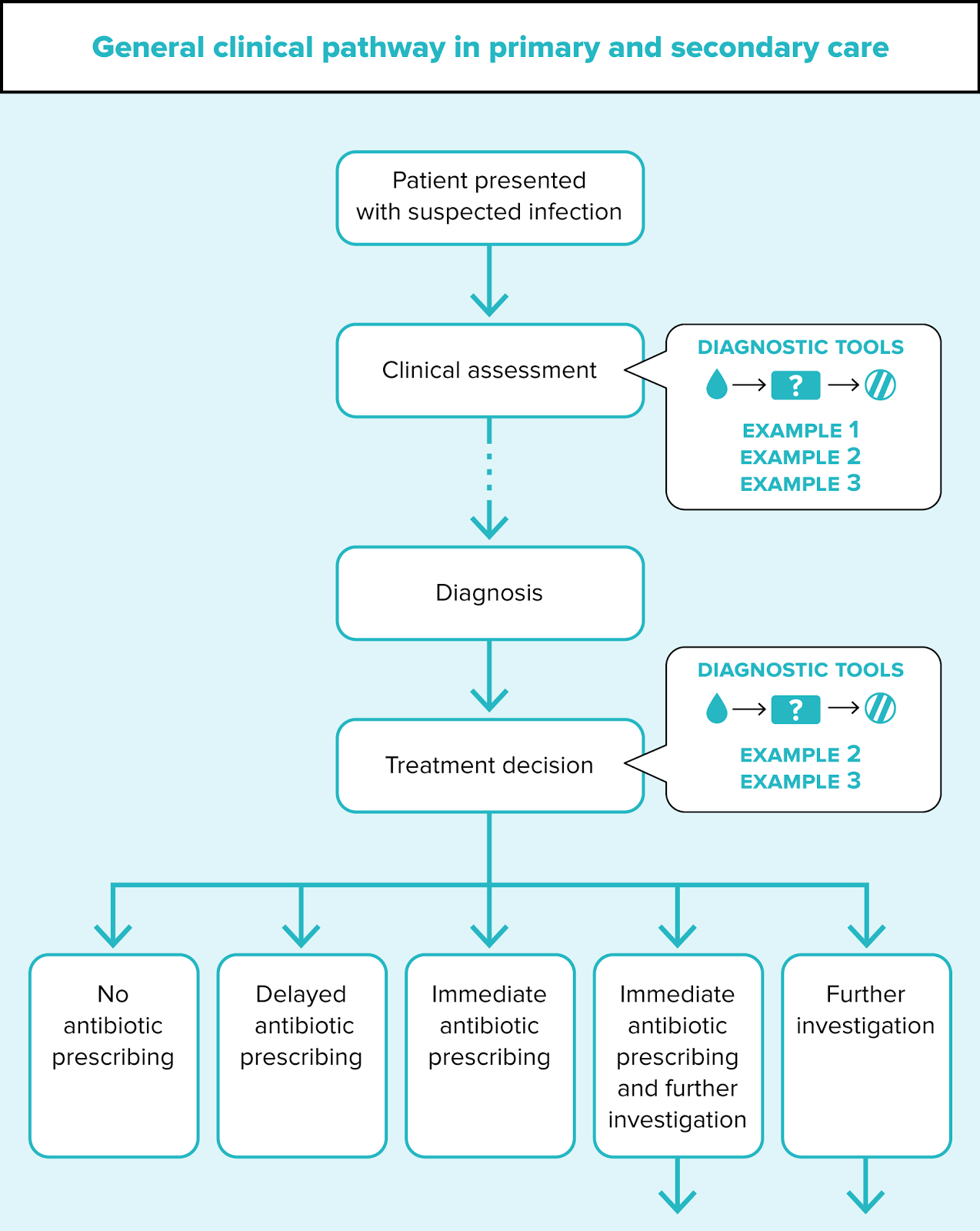
- Market analysis
This document constitutes a draft of the rationale for the prize, the structure of the competition and the judging criteria. There remain several open questions to answer before the rules and judging criteria can be finalised (see “Questions for reviewers"). Any comments or suggestions from reviewers of this document will be gratefully received.
Research process
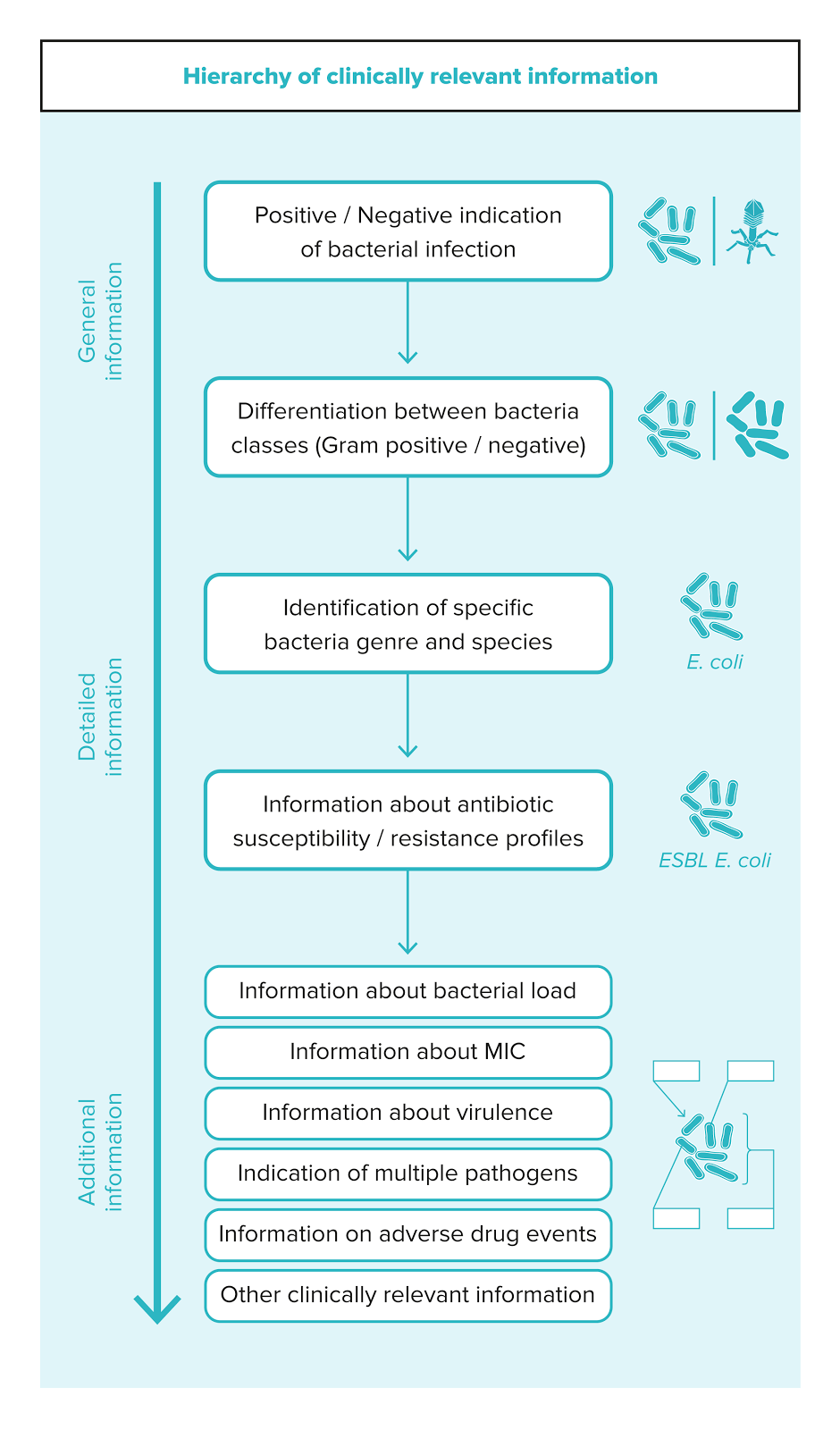
The research process for designing the Longitude Prize 2014 was composed of three key phases. In the first phase of the research the scientific and technical challenges within the landscape were defined by conducting research and interviewing experts.
In the second phase, a prototype for the Challenge Prize was created and used as a starting point for further in-depth discussion with experts around the existing barriers to innovation in the area, opportunities for progress and criteria for assessing potential solutions.
In the third phase of the research, an updated paper including the experts' feedback was created and presented for a closed review for feedback on Version 1 of the paper. Additional research was also carried out in order to refine the judging criteria and the structure of the competition.
The present paper represents the most comprehensive document and reflects the feedback received throughout these three research phases.
We would like to gratefully acknowledge the following reviewers for their feedback on earlier drafts of this paper:
- Mr. Enrique Castro-Sánchez, Academic Research Nurse, National Centre for Infection Prevention and Management & NIHR Health Protection Research Unit Antimicrobial Resistance and Healthcare Associated Infection, Imperial College London
- Prof. Andrzej Górski, Professor at the Institute of Immunology and Experimental Therapy, Polish Academy of Sciences
- Prof. Nicholas Grassly, Chair in Vaccine Epidemiology, Department of Infectious Disease Epidemiology, Imperial College London
- Dr. John Hays, Assistant Professor, Dept. Medical Microbiology & Infectious Diseases, Erasmus University Medical Centre
- Prof. Dr. David Heymann, Professor, Infectious Disease Epidemiology, London School of Hygiene and Tropical Medicine
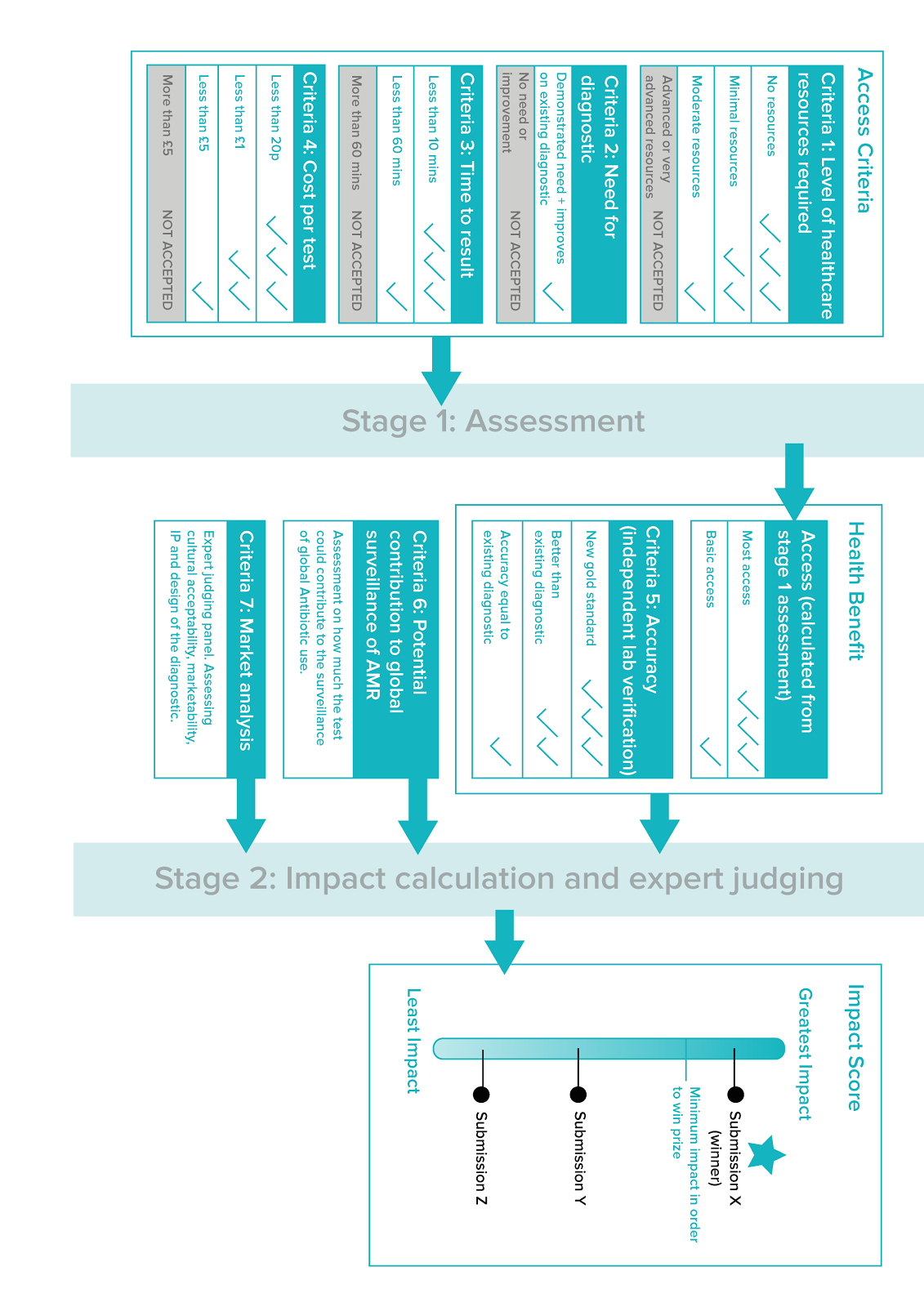
- Dr. Susan Hopkins, Consultant in Infectious Diseases, Royal Free London NHS Foundation Trust
- Dr. Louise Johnson, School of Biological Sciences, University of Reading
- Prof. Paul Kaye, Professor of Immunology and Director, Centre for Immunology and Infection, University of York
- Prof. Roy Kishony, Faculty of Biology, Technion-Israel Institute of Technology, Department of Systems Biology, Harvard Medical School
- Dr. Jeffrey A. Linder, Associate Professor of Medicine, Division of General Medicine and Primary Care, Brigham and Women's Hospital, Harvard Medical School
- Dr. Lynn Marks, SVP, Pharma R&D, GlaxoSmithKline
- Dr. Linda A. Miller, Director of Diagnostics & Clinical Microbiology, Antibacterials R&D, Infectious Diseases Therapeutic Area Unit, GlaxoSmithKline
- Dr. Ir. Pieter Moons, Universiteit Antwerpen, Vaccine & Infectious Disease Institute
- Prof. Julian Parkhill, Head of Pathogen Genomics, The Wellcome Trust Sanger Institute
- Prof. David Patrick, Professor and Director, UBC SPPH, Medical Epidemiology Lead for Antimicrobial Resistance, BCCDC
- Prof. Laura J.V. Piddock, Professor of Microbiology and Deputy Director of The Institute of Microbiology and Infection, University of Birmingham, BSAC Chair in Public Engagement and Director, Antibiotic Action
- Prof. Shiranee Sriskandan, Professor & Consultant in Infectious Diseases, Department of Medicine, Imperial College Faculty of Medicine, Hammersmith Hospital
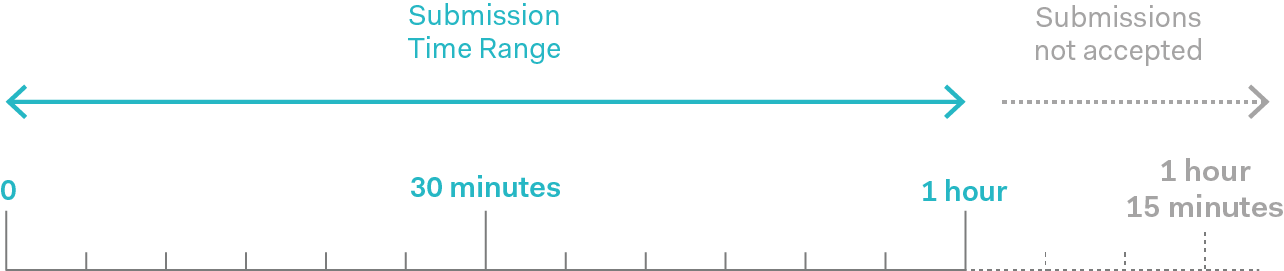
- Dr. Martin Turner, Laboratory of Lymphocyte Signalling and Development, The Babraham Institute
- Dr. Hendrik van Veen, Reader in Molecular Pharmacology, Fellow at Clare College, Department of Pharmacology, University of Cambridge
- Prof. Paul Williams, Professor of Molecular Microbiology, Centre for Biomolecular Sciences, University of Nottingham
- Prof. Mark Woolhouse, Chair of Infectious Disease Epidemiology, University of Edinburgh
This paper has been produced by Science Practice in collaboration with Nesta.
Questions for reviewers
The Longitude Prize to tackle antibiotic resistance was selected by a public vote in June 2014. We are now entering into our last phase of consultation. The feedback received here will be used by our advisory panel and committee to review and finalise the criteria for the prize.
You do not have to answer all the questions, please feel free to only answer the questions that are of interest to you/ align with your area of expertise.
It is advisable that you read the whole prize research document before answering the question/s.
We are currently exploring answers to the following questions and would greatly appreciate your comments:
There are guidance questions underneath each key question to guide your response.
Question 1:
Is the proposed assessment method logical? Please refer to the sections named 'Judging Criteria', the diagram on page 23 and 'Assessment Methods'.
- Would you propose any alternative criteria?
- Are there any assessment criteria in stage one that should be in stage two, or vice versa?
Question 2:
How can we make sure that the proposed solution will be relevant across different healthcare settings? Please refer to the section named 'Criteria 1: Level of healthcare resources required'.
- Does the table on page 26 reflect an accurate way to categorise healthcare resources required?
- Is there an accurate way to calculate the percentage of the global population with access to these different levels of healthcare resources?
Question 3:
What is the best method for predicting whether a healthcare intervention will provide 'value for money' in a given healthcare context?
- Is £5 or less a suitable cost limit per test?
Question 4:
We are currently looking for methods and ideas on how to measure the impact proposed solutions will have on global healthcare. Do you have any suggestions on how this measurement could be best achieved?
Question 5:
Are there any other points that you think we should consider with respect to criteria or assessment?
Please email [email protected] if you would like to provide us with any further details.
The Problem: Antimicrobial resistance is now a global health threat
1Antibiotics underpin much of modern medicine. We take for granted the vastly lower risks of giving birth, undergoing surgery, and even surviving infections from minor bumps and scratches. But in the 80 years since the discovery of penicillin, the overuse and inappropriate use of antibiotics is rapidly diminishing their effectiveness by putting pressure on bacteria to acquire antimicrobial resistance.
2Antimicrobial resistance is accelerating due to the overuse and inappropriate use of antibiotics. After penicillin was granted regulatory approval in 1943, it took about 22 years for the first cases of penicillin resistance in pneumonia to develop. It took 15 years for erythromycin (approved in 1953, resistance in Staphylococcus) and 12 years for gentamicin (approved in 1967, resistance in Enterococcus) (Hede, 2014). First cases of resistance to linezolid outside of clinical trials were reported in 2001, only one year after its regulatory approval in 2000 (Tsiodras, et al., 2001).
3The problem is urgent and demands immediate action (WHO, 2014a). Our ability to treat infections that once were believed to be under control is now at risk and a 'post-antibiotic era' is becoming a real possibility for the 21st century.
4As with climate change — another global problem accelerated by humans — antimicrobial resistance needs to be addressed globally and simultaneously on many levels (scientific, regulatory, educational) if we are to see a real change. Wide-ranging coordination must be maintained to effectively mitigate resistance, because we all — general practitioners, scientists, lawmakers, farmers and patients — contribute to the problem and have a role to play in the solution. Calls have been made to establish a competent, international body that would marshal global policies around antimicrobial resistance (Woolhouse and Farrar, 2014).
Towards reductions in overuse and inappropriate use of antibiotics
5Currently, we are dependent on antimicrobials to treat bacterial infections. In the long-term we need to expand our portfolio of treatments by creating viable alternatives to existing antibiotic therapies. Antibiotic adjuvants (Kalan and Wright, 2011), phage therapy (Sulakvelidze, Alavidze and Morris, 2001), prebiotics (Gibson, McCartney and Rastall, 2005), antivirulence strategies and biological therapeutics (Laxminarayan, et al., 2013) are potential options at various stages of research. Developing these novel approaches could usher in the era of entirely new, targeted, and potent antimicrobial therapies. In parallel to these developments, we still need to be developing new antibiotic drugs.
6A new antibiotic would have a very limited lifespan if it was used in the same irresponsible fashion as antibiotics are used today. If the efficacy of existing and future antibiotics is to be preserved, we need to learn how to conserve them and target them more effectively. Addressing the problem of antibiotic overuse and inappropriate use is a central part of this challenge.
7Clinical practice will inevitably need to change. Healthcare practitioners are often pressured by patient demands to administer antibiotics even when they are not needed (Singh, 2013). Up to half of antibiotic prescriptions given to respiratory infections in the US are inappropriate (Meeker, et al., 2014). In many cases clinicians must also administer antibiotics when they are pressed to act quickly on imperfect information. In urgent situations, when there is no clear direction for treatment, broad-spectrum antibiotics are used to cover a range of suspected pathogens (Peacock, 2014). There are also major problems with counterfeit antibiotics and self-prescription (Vikram, et al., 2005).
8Better diagnosis of infections would enable clinicians and patients to make more informed decisions on the course of prescribed treatment. With the intention to reduce antibiotic overuse and inappropriate use, the Longitude Prize for Antibiotics will focus on methods and tools for diagnosing bacterial infections in people.
The Challenge: Better point-of-care diagnosis of bacterial infections
9More easily attainable results from diagnostic tools would help clinicians make better informed decisions, thereby conserving antibiotics and restricting their use only to those cases when they are really beneficial. Slowing down the pace at which bacteria attain resistance will not only minimise the costs involved in healthcare and new drug research, but also benefit patient safety in general.
10Besides enabling better stewardship of antibiotics, diagnostic tools will also help in coordinating policy, regulation and surveillance efforts to manage and track the use of antibiotics worldwide. They will contribute to the identification and understanding of pathogen resistance mechanisms, aiding the development of better treatments and clinical trials as well as targeting novel therapies alternative to antibiotics.
11In a hospital laboratory, there are many tools available for diagnosing bacterial infections — so many, in fact, that it is often a challenge to determine the best diagnostic available from amongst the many competing tools and techniques. However, there is a great need to improve upon available point-of-care diagnostics that do not require the time, resources and expertise that laboratory-based diagnostics do. This is especially true in developing countries where the availability of resources such as clean water or electricity cannot be guaranteed. The Longitude Prize 2014 will therefore focus on diagnostic technologies that can be used at the point-of-care and exclude technologies that can only be used in a laboratory.
12For the purposes of the Longitude Prize 2014, whether a diagnostic can be considered suitable for point-of-care use is governed by three main criteria: the level of resources required to use the diagnostic, the level of expertise required to administer it and the time taken for the diagnostic to provide a result. More details can be found in the judging criteria section of this paper.
13A valuable diagnostic tool is one that can provide timely and salient information to help a clinician refine an empirical diagnosis and guide a treatment decision. Diagnostics are often designed to play a particular role within a clinical pathway — to be used in moments when a clinician is uncertain about the cause of an infection or the right course of treatment for the patient. These roles can vary significantly and therefore the attributes that make a diagnostic valuable in one situation do not necessarily transfer to a diagnostic used in another.
14To understand the type of novel diagnostics that could potentially compete in the Longitude Prize, we present four examples. The list is not exhaustive and serves only to illustrate different situations in clinical decision-making where a diagnostic need might be addressed. Our intention is that all four examples — and many more not included in our list — would be eligible for competing for the Longitude Prize 2014.
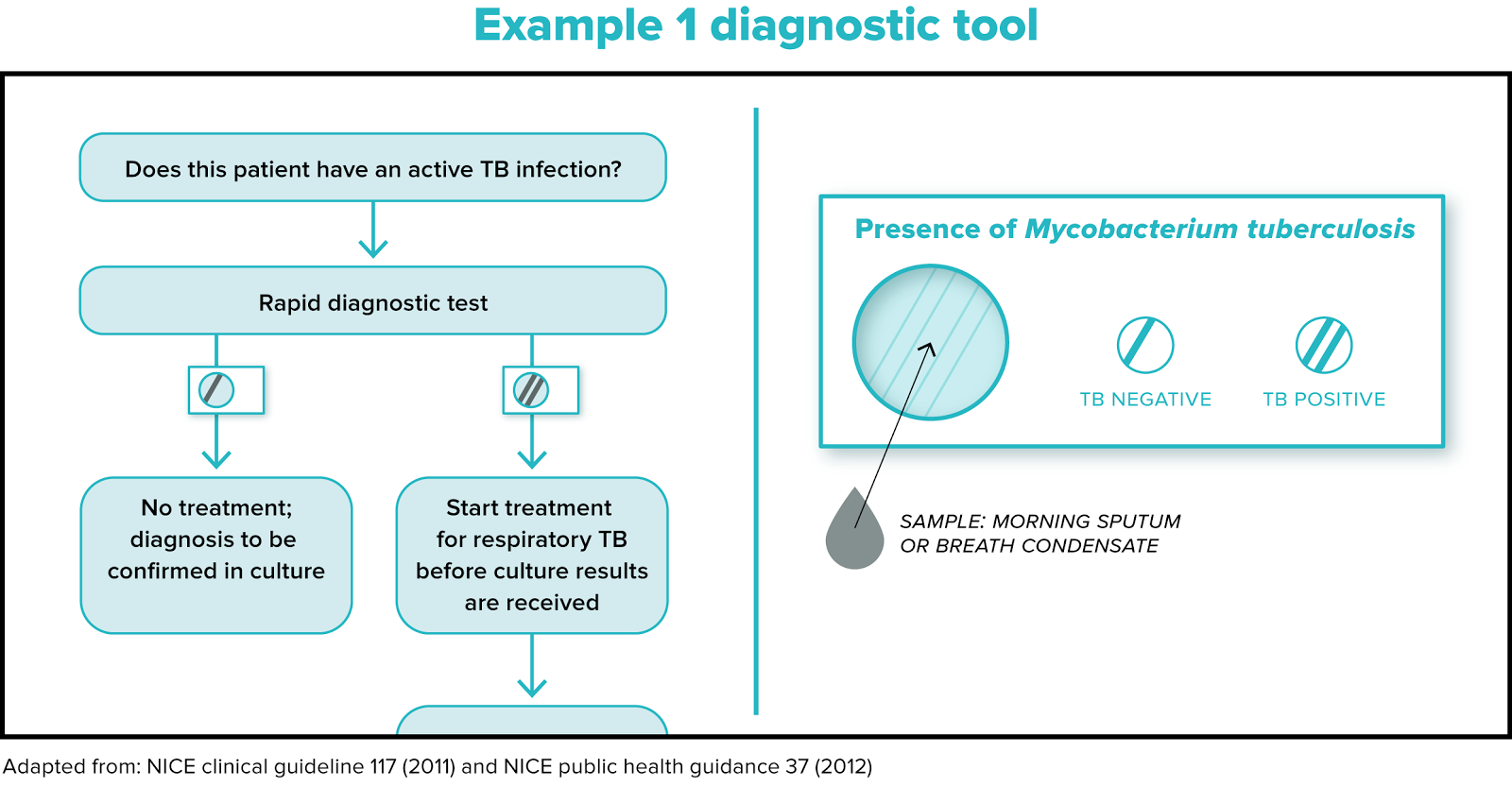
Adapted from: NICE clinical guideline 117 (2011) and NICE public health guidance 37 (2012)
15### Example 1: "Does this patient have a tuberculosis infection?" {: #section-1-does-this-patient-have-a-tuberculosis-infection }
If a patient presents with symptoms of a suspected TB infection then a diagnostic that could rapidly identify the presence of Mycobacterium tuberculosis would enable the clinician to confirm or rule-out this suspicion. This rapid TB test could work by detecting a single biomarker specific to M. tuberculosis complex strains. This same diagnostic might also be used to screen members of a population for TB, even before symptoms are apparent.
Sample types – Morning sputum, breath condensates
Level of resources required – No resources or minimal resources required
Complexity – can be used by non-expert personnel (only for breath condensates)
Accuracy – 99.9% sensitivity, 94% specificity
Time – 5 minutes
Cost – £0.25
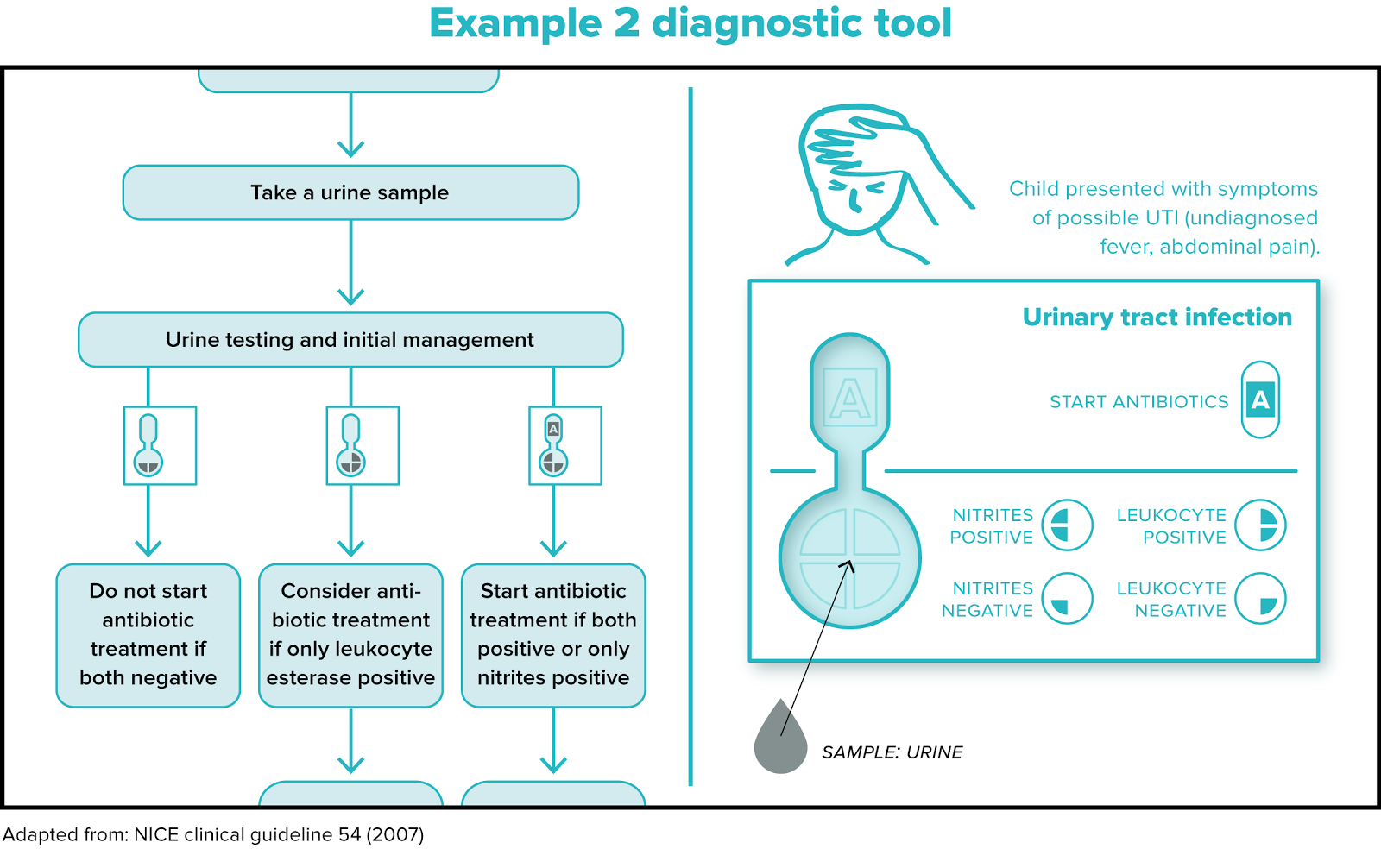
Adapted from: NICE clinical guideline 54 (2007)
16### Example 2: "Is this a urinary tract infection?" {: #section-2-is-this-a-urinary-tract-infection }
Urinary tract infection is a common infection affecting infants, children and adults alike. Recognising the UTI in children may not be easy, because signs and symptoms of the infection are often non-specific. A young patient presenting with, for example, an undiagnosed fever and abdominal pain should be considered for UTI, but before starting a course of antibiotics a clinician would want to support the diagnosis by conducting a test that provides sufficient evidence of a bacterial infection and increases confidence in the treatment decision. The diagnostic could work by detecting generalised biomarkers specific for UTIs, such as nitrites and leukocyte esterase. An additional indication to prescribe antibiotics would help clinicians in situations which are indecisive.
Sample types – Urine
Level of resources required – No resources or minimal resources required
Complexity – can be used by non-expert personnel (only for clean catch urine)
Accuracy – Nitrites: 98% sensitive / 97% specific, Leukocytes: 96% sensitivity / 98% specific, Antibiotics: 80-95% sensitivity / 80-90% specificity
Time – 3 minutes
Cost – £0.08
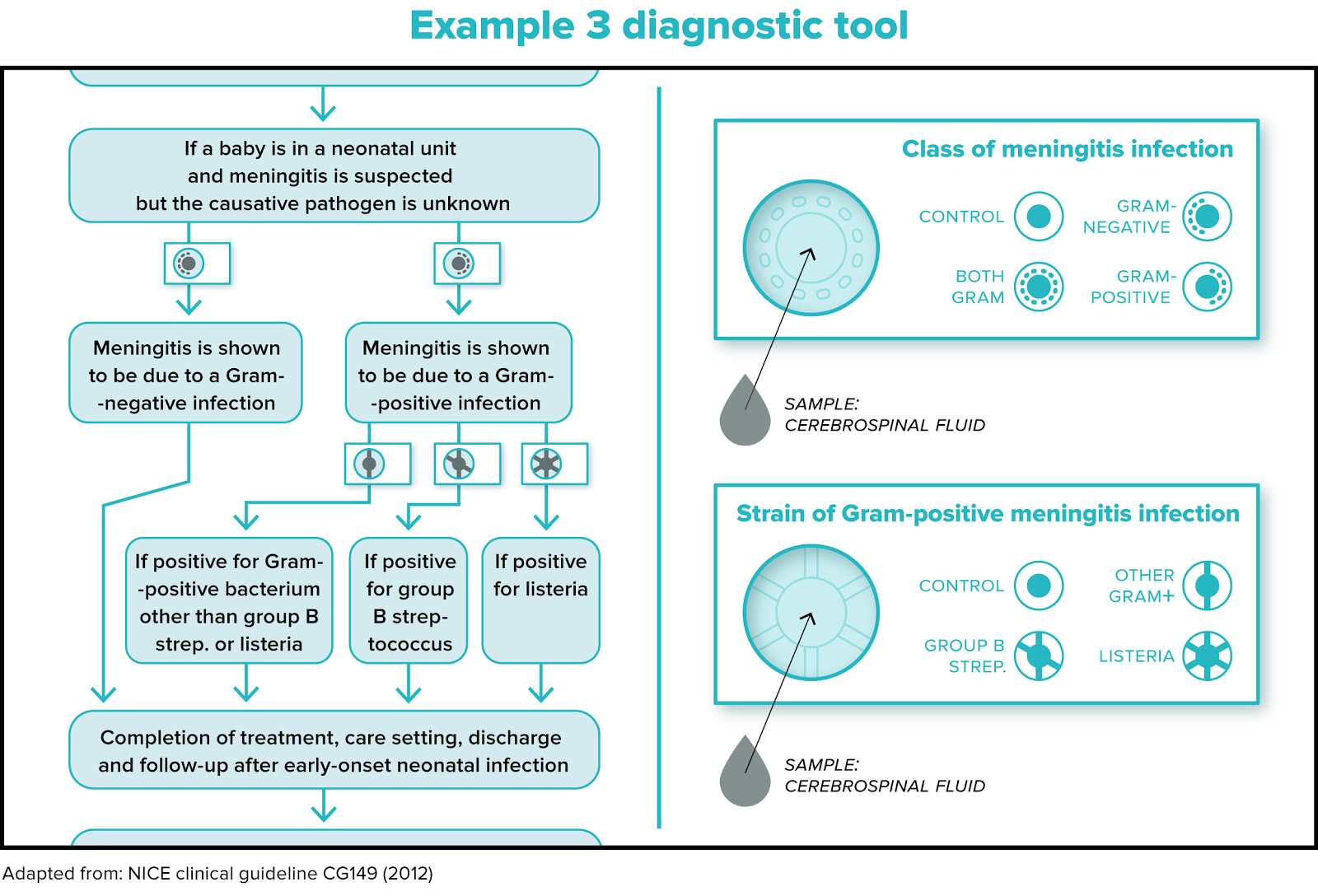
Adapted from: NICE clinical guideline CG149 (2012)
17### Example 3: "Which antibiotic should be used to treat this case of meningitis?” {: #section-3-which-antibiotic-should-be-used-to-treat-this-case-of-meningitis }
If a patient presents with symptoms of meningitis, the question is not whether to treat with antibiotics or not (antibiotics should be administered immediately), but which antibiotics to use. Meningitis can be caused by a number of different Gram-negative and Gram-positive bacteria and knowing what the causal organism is will enable clinicians to choose the right type of antibiotic more effectively. In this case, two different diagnostic tools could be used in tandem. The first could differentiate between Gram-positive and Gram-negative infections by detecting a biomarker general to each. If it indicated a Gram-positive infection, the second diagnostic could be used to further identify whether the cause is group B Streptococcus, Listeria or another Gram-positive organism.
Sample types – Cerebrospinal fluid
Level of resources required – Advanced resources required
Complexity – performed by a skilled nurse only
Accuracy – Identify class: 96-98% sensitivity / 92-93% specificity
Identify strain: 91-95% sensitivity / 84-89% specificity
Time – 10 minutes each
Cost – £4.80 each
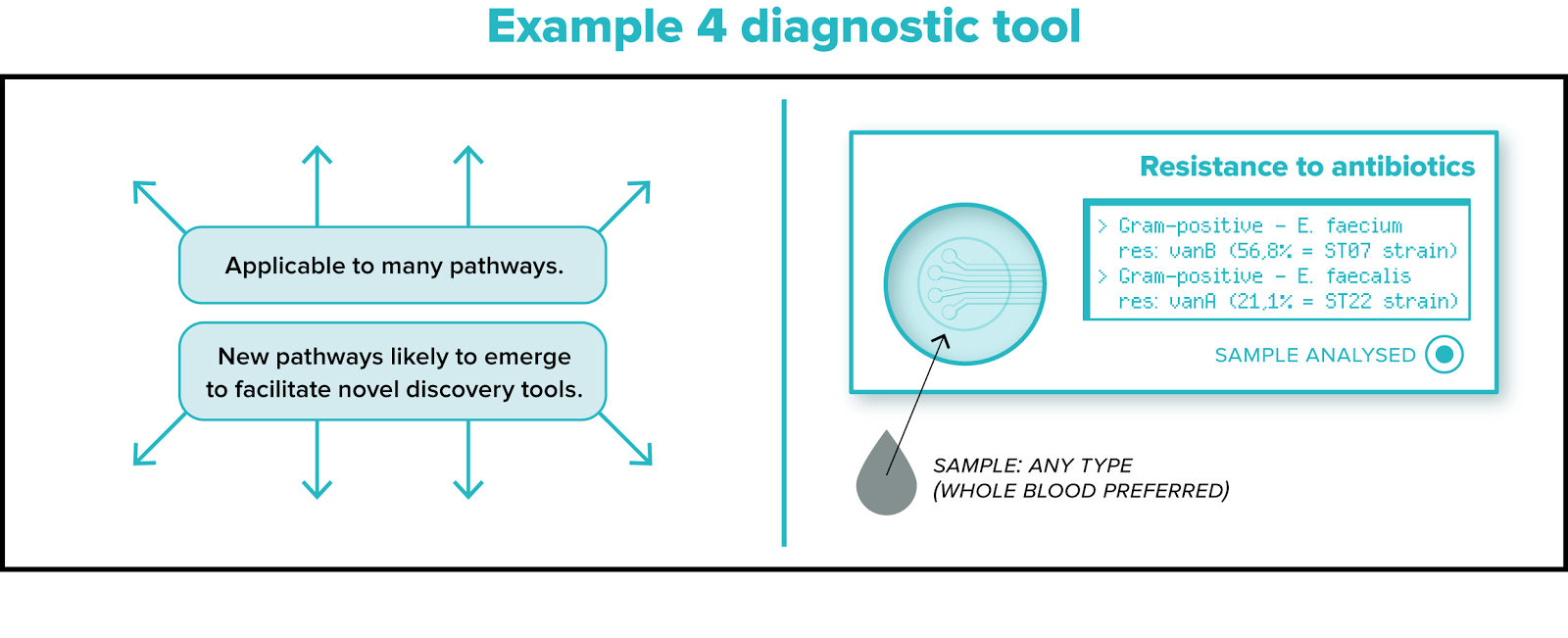
18### Example 4: "What can I learn about antibiotic resistance in all pathogens present?” {: #section-4-what-can-i-learn-about-antibiotic-resistance-in-all-pathogens-present }
Certain types of diagnostics can be used as discovery tools — to provide as much information as possible about antibiotic resistance in any pathogens present without searching for any biomarkers in particular. As an example, DNA sequencing could be used to detect the presence of hundreds, or even thousands of genetic markers — identifying organisms or resistance profiles. The challenge then becomes determining which results are important and which irrelevant. Discovery diagnostics can be used to detect asymptomatic infections or provide useful clues to help diagnose an infection when all the likely causes have been ruled out.
Sample types – Any sample type (whole blood preferred)
Level of resources required – Resource requirements limited
only by sample type
Complexity — Can be used by non-expert personnel,
Requires an expert consultant to interpret the result
Accuracy – Varies: > 95% specificity and > 66% sensitivity
Time – 20 minutes
Cost – £0.15 per test
Variety in scope
19These 4 examples serve to illustrate that the scope of a diagnostic can be very narrow or very broad. A diagnostic might be developed to support a specific clinical pathway (as in example 1), or it may be useful in any number of pathways (as in example 4). A new diagnostic might even enable completely new ways of managing and treating infectious diseases.
20Despite this variety in scope it is possible to draw a generalised pathway for treating bacterial infections (see below). This is helpful when contextualising the role of diagnostics and emphasises that these can be used to both help diagnose the cause of an infection as well as guide the treatment decision.
21It is important to remember that a diagnostic tool will always be used in support of a clinician's decision-making process and not to replace it. This is especially true when it comes to making treatment decisions. These always require a cost-benefit analysis and must take into account many factors external to the results of a diagnostic such as the age of the patient, their medical history, whether they are allergic to a particular antibiotic and any comorbidities they might have.
22The four examples above also illustrate a wide variety in the level of information each diagnostic aims to provide. A diagnostic might help determine if an infection is due to a specific organism (example 1) or differentiate between general categories of infection (examples 2 and 3). A diagnostic might help select the most appropriate antibiotic treatment (example 3 and 4) or help determine whether antibiotic treatment is necessary to begin with (example 2).
23By surveying the reviewers of this paper, we have developed a scale that categorises the types of information a new diagnostic might provide. It starts with differentiating between bacterial and viral infections, follows with distinguishing bacterial classes (Gram-positive and Gram-negative), then leads to identifying a specific bacterial strain and genus, and completes the hierarchy with specifying resistance profiles and antibiotic susceptibility.
24This scale does not imply that information provided at one end of the scale is more valuable than information provided at the other. The value of information depends entirely on the clinical context. However, information at the top end of this scale is generally more useful when diagnosing the cause of an infection, while information at the lower end of the scale is more useful when deciding on a course of treatment.
Variety in technology
25Depending on the kind of specimen used, the subject, and mechanism of detection, various technologies may prove useful on their own or in combination. This includes but is not limited to: advancements in microfluidics (Mohan, et al., 2013) and optical sensing (Timm, et al., 2009) — which show potential for producing rapid and point-of-care results; improvements in microbial sequencing (Peacock, 2014); microarrays — where high cost is still a barrier for practical use of this accurate and versatile technology (Donatin and Drancourt, 2012), phage-based detection (van der Merwe, et al., 2014) and enzyme-mediated amplification — which demonstrate high accuracy (Cassol, et al., 1989), or the discovery of new biomarkers (Holub, et al., 2013).
The aim in running the Longitude Prize for Antibiotics
26The aim for the Longitude Prize for Antibiotics is to promote the development of new methods for diagnosing infections as one element of a combined, global and interdisciplinary effort to address the problem of antimicrobial resistance.
27In order to encourage innovation in all aspects of diagnostic development for point-of-care use, the Longitude Prize 2014 will not narrow its focus further to a particular subset of diagnostic tools or clinical problems. Developing a new diagnostic tool requires ingenuity, not only in selecting biomarkers and developing a suitable mechanism for detecting them, but also in determining a clinical context in which a diagnostic tool can have the greatest impact. It will be up to the competitors in this challenge to determine the scope of their proposed diagnostic test.
28The Longitude Prize 2014 invites a variety of proposals from a wide range of specialist fields and sectors: from academic groups through to commercial companies, from biomedical scientists through to material engineers, from synthetic and molecular biologists through to physicians and specialist clinicians. We would hope that the Longitude Prize 2014 could also encourage proposals from completely unexpected sources.
The Longitude Prize for Antibiotics challenge statement
29The Longitude Prize 2014 will address the problem of antibiotic resistance, by awarding the innovator who develops the best, rapid, accurate, affordable, point-of-care method for diagnosing bacterial infections on a global scale with universal benefit.
Judging criteria
30Without a narrowly defined problem to solve, it is likely that submissions for the Longitude Prize 2014 will come in all shapes and sizes, designed for use in a variety of clinical contexts and each targeting a different problem to solve.
31Girosi, et al. (2006b) have demonstrated a method for calculating the potential health benefits of novel diagnostics. This method could potentially be repurposed to help assess the health benefits of any new diagnostic submitted to the Longitude Prize.
32The following criteria are listed on the assumption that they can be used as inputs into the assessment method.
Assessment method
Question 1 for reviewers:
Is the proposed assessment method logical?
- Would you propose any alternative criteria?
- Are there any assessment criteria in stage one that should be in stage two, or vice versa?
33The proposed assessment method is composed of two stages. In the first stage, the basic criteria for the Prize, including minimum targets for consideration, are outlined. These are defined as 'Access Criteria' and include the level of healthcare resources required (1), the need for diagnostic (2), time to result (3), and cost per test (4). At this stage, participants will be required to supply documentation of how their proposed solution fulfils each of these criteria.
34In the second stage, the assessment of these 4 criteria will create a measurement for the accessibility of the proposed solution (named Access). The specificity and sensitivity values of the solution will also be considered at this stage. In order to measure these, an independent lab-based verification of the diagnostic will be carried out; this will allow to determine the accuracy (5) of the submission. Access and accuracy will be used in a calculation to measure the health benefit of the diagnostic; this measurement will then be used in the overall impact of the submission. Two additional criteria, potential contribution to global surveillance of AMR (6) and market analysis (7) will also be assessed at this stage by an expert panel of judges.
35These criteria will be collated to create an impact assessment which will be used to compare entries. The submission which is shown to have the most impact, beyond the minimum impact requirements, will be awarded the Longitude Prize 2014.
Criteria 1: Level of healthcare resources required
Question 2 for reviewers:
How can we make sure that the proposed solution will be relevant across different healthcare settings?
- Does the table on page 26 reflect an accurate way to categorise healthcare resources required?
- Is there an accurate way to calculate the percentage of the global population with access to these different levels of healthcare resources?
36As the Longitude Prize for Antibiotics is focused specifically on point-of-care tests, more complex diagnostics that require specialist microbiology laboratories and highly trained technicians will be excluded. However, point-of-care tests will also require varying levels of infrastructure in order to function. Diagnostics that require fewer resources will be more accessible to greater numbers of people. Of particular importance are the requirements for refrigeration, power, running water and sterilisation facilities.
37The knowledge and training of the people using the test is another healthcare resource that must be considered. Every new diagnostic will vary in complexity — from very simple tests that an untrained person could carry out to extremely complex tests that only a highly trained technician can perform.
38Lower complexity tests that can be used in as many clinical settings as possible and by people with no training will have better outcomes in the impact measurement. As the prize is focused on point-of-care tests, high complexity diagnostics which require specially trained clinicians will not be considered.
39Below is a provisional table of resource levels, based on the work of Girosi, et al. (2006b) and Olmsted, et al. (2006) and updated to use the same conventions as the WHO's Service Availability and Readiness Assessment (SARA) tool (WHO, 2014b). This table can be used in conjunction with population statistics to determine how many people would have access to a diagnostic (see Appendix 1 for further details).
| Example of setting |
No healthcare resources |
Minimal healthcare resources |
Moderate healthcare resources |
Advanced healthcare resources |
Very advanced healthcare resources |
|
In the community or home (Africa) |
Health clinics (Africa), rural health clinics (Asia & Latin America) |
Hospitals (Africa), urban health clinics (Asia & Latin America) |
Hospitals (Asia & Latin America) |
Primary & Secondary (healthcare Europe and North America) |
| Power (Facility routinely has electricity for lights and communication (at a minimum) from any power source during normal working hours; there has not been a break in power for more than 2 hours per day during the past 7 days.) |
No power |
No power |
May have power |
Power |
Power |
| Improved Water within 500m (Improved water source uses uniform definitions for safe water sources promoted by UNICEF. These include the following: Piped, public tap, standpipe, tubewell/borehole, protected dug well, protected spring, rain water.) |
No improved water |
No improved water |
May have improved water |
Improved water |
Improved water |
| Refrigerator Facilities (Energy source and power supply for refrigerator available 24h/day and 7 days/week.) |
Not available |
Not available |
Available |
Available |
Available |
| Sterilisation equipment (This is usually either a dry heat sterilizer or an autoclave. If the machine is not electric, then make sure that the heat source is available and (If relevant) functioning (e.g. wood or gas is present for the autoclave).) |
No sterilisation equipment |
Boiling/ Bleach Sterilisation |
Autoclave or boiling sterilisation |
Autoclave or boiling sterilisation |
Autoclave sterilisation |
| Safe final disposal of infectious wastes (Safe final disposal of infectious wastes includes incineration, open burning in protected area, dump without burning in protected area, or remove offsite with protected storage. If method is incineration, incinerator functioning and fuel available.) |
No safe disposal |
No safe disposal |
Safe disposal |
Safe disposal |
Safe disposal |
| Knowledge and Training (The healthcare skills and experience level of the staff at the healthcare facility.) |
No training or knowledge |
Minimal training and knowledge |
Moderate training and knowledge |
Good training and knowledge |
Excellent training and knowledge |
40The type of sample that a diagnostic can use will also vary depending on the healthcare setting.
41Samples that require advanced techniques to obtain may have limited impact in lower-resource settings. For instance, it would be very difficult to obtain a sample of cerebrospinal fluid through lumbar puncture in a rural health clinic where the staff have minimal training and facilities — see table below compiled from Urdea, et al., (2006) and online clinical resources.
| Specimen type |
Collection procedure |
Specimen components |
Healthcare resources |
| Blood |
Finger prick |
Whole blood |
Advanced / Moderate / Minimal / No |
|
Venipuncture |
Whole blood, Plasma, Serum |
Advanced / Moderate / Minimal |
| Urine |
Midstream clean catch |
Urine |
Advanced / Moderate / Minimal / No |
|
Catheter |
Urine |
Advanced / Moderate |
|
Suprapubic aspiration |
Urine |
Advanced / Moderate |
| Saliva |
Spitting |
Mucus, Serous fluid |
Advanced / Moderate / Minimal / No |
| Sputum |
Expectoration, Catheter |
White blood cells |
Advanced / Moderate / Minimal |
| Faeces |
Stool |
Faeces, Occult blood, Vapours |
Advanced / Moderate / Minimal |
| Cerebrospinal fluid |
Lumbar puncture |
Fluid |
Advanced |
| Pus |
Evacuation, Swabs |
Dead leukocytes, Protein |
Advanced / Moderate / Minimal / No |
| Infected tissue |
Swabs, Scratchings, Washings, Aspirates |
Pus, Pathogen cells |
Advanced / Moderate / Minimal / No |
| Breath |
Exhalation |
Volatile organic compounds |
Advanced / Moderate / Minimal / No |
42Participants should be able to select a sample type that best suits their diagnostic. The Longitude Prize for Antibiotics will not be limited to a specific sample type in order not to exclude novel techniques for both collection and analysis.
Criteria 2: Need for diagnostic
43Every diagnostic tool addresses a specific healthcare need. The needs can vary in terms of the number of people it concerns, and the frequency in which a condition occurs in given populations. These are complex considerations, but in order to maximise its potential impact on global health, the Longitude Prize will include in the judging process an assessment of how proposed solutions can address specific healthcare needs.
44Firstly, the new diagnostic should offer an improvement on the existing clinical diagnostic for the type of infection it targets. Secondly, the type of infection(s) the diagnostic targets will need to be relevant to the current challenge of antimicrobial resistance and have a high enough prevalence that the introduction of a new diagnostic will have sufficient impact. The new diagnostic will also need to be an improvement on any currently available diagnostic that serves the same need.
Criteria 3: Time to result
45The time required to perform the test and receive its results will affect its impact overall. As the Longitude Prize is focusing on point-of-care diagnostics, the results must be received within an acceptable waiting time. Anything over one hour could be considered unacceptable especially in low-infrastructure settings where patients would be unlikely to return the next day to collect results.
46The quicker the test can be performed and results can be collected, the more beneficial the diagnostic will be for both the patient (who can receive treatment in a more timely manner) and the clinician (who can see more patients). The length of time required could also promote uptake through quick results.
47The cut-off point for submissions will be 1 hour. This will mean that any tests that take longer than this to perform and receive results will not be accepted. The impact measurement will favour diagnostics that can be used in as short time as possible.
Criteria 4: Cost per test
Question 3 for reviewers:
What is the best method for predicting whether a healthcare intervention will provide 'value for money' in a given healthcare context?
- Is £5 or less a suitable cost limit per test?
48The cost of a new diagnostic may also affect which global settings they can be used in. £5 was considered to be acceptable for countries in the developed world, whereas it may be prohibitively expensive in countries with weaker medical infrastructure.
49The new diagnostic should provide value for money for the particular setting it is designed for. In countries where cheap antibiotics are available over the counter, an expensive test will not provide sufficient incentive for use.
50In general, a lower cost will translate into a greater availability of the diagnostic to clinicians across the world. Cost will be measured on a per test basis. The cut-off point for submissions will be £5. This will mean that any tests that cost more than £5 (per test) will not be accepted. The Longitude Prize will favour submissions that are as inexpensive as possible, however the £5 cut-off allows for a variety of approaches in diagnostic development.

Criteria 5: Accuracy
51Healthcare communities around the world are likely to embrace only those new diagnostics, which — compared to the tools currently available — are able to provide better confidence in diagnosing and treating infectious diseases. Therefore, the winning submission for the Longitude Prize for Antibiotics should offer improved accuracy.
52In order to ensure that the accuracy characteristics of the diagnostics are measured fairly and objectively, the Prize organisers will arrange for an independent lab-based evaluation of each diagnostic that makes it through to stage 2 of the assessment. This will measure the sensitivity and specificity of each diagnostic against the most appropriate gold-standard.
Criteria 6: Potential contribution to global surveillance of AMR
53The Longitude Prize aims at addressing the global problem of antimicrobial resistance in a way that can yield holistic and long-lived results. Therefore, improving world-wide surveillance of antibiotic use and the spread of antimicrobial resistance falls within the scope of the judging criteria.
54Novel diagnostic tests can be used as a cheaper and more easily distributed method of improving antibiotic surveillance. Currently, many primary healthcare settings in lower and medium income countries lack laboratory resources. Even when quality data is generated in these settings, the information is often not connected to a surveillance system. The potential benefit of a novel diagnostic tool for contributing to antibiotic surveillance will be assessed by a panel of experts. Diagnostics that are connected to robust methods for collecting and pooling their result data at a national and international level will be favoured over diagnostics that are not.
Criteria 7: Market analysis
55In order to ensure that the novel diagnostics entered into the competition are marketable, the judging panel will also provide a market assessment of each — considering the design, marketability and any issues relating to IP rights or cultural acceptability.
Longitude Prize timeline
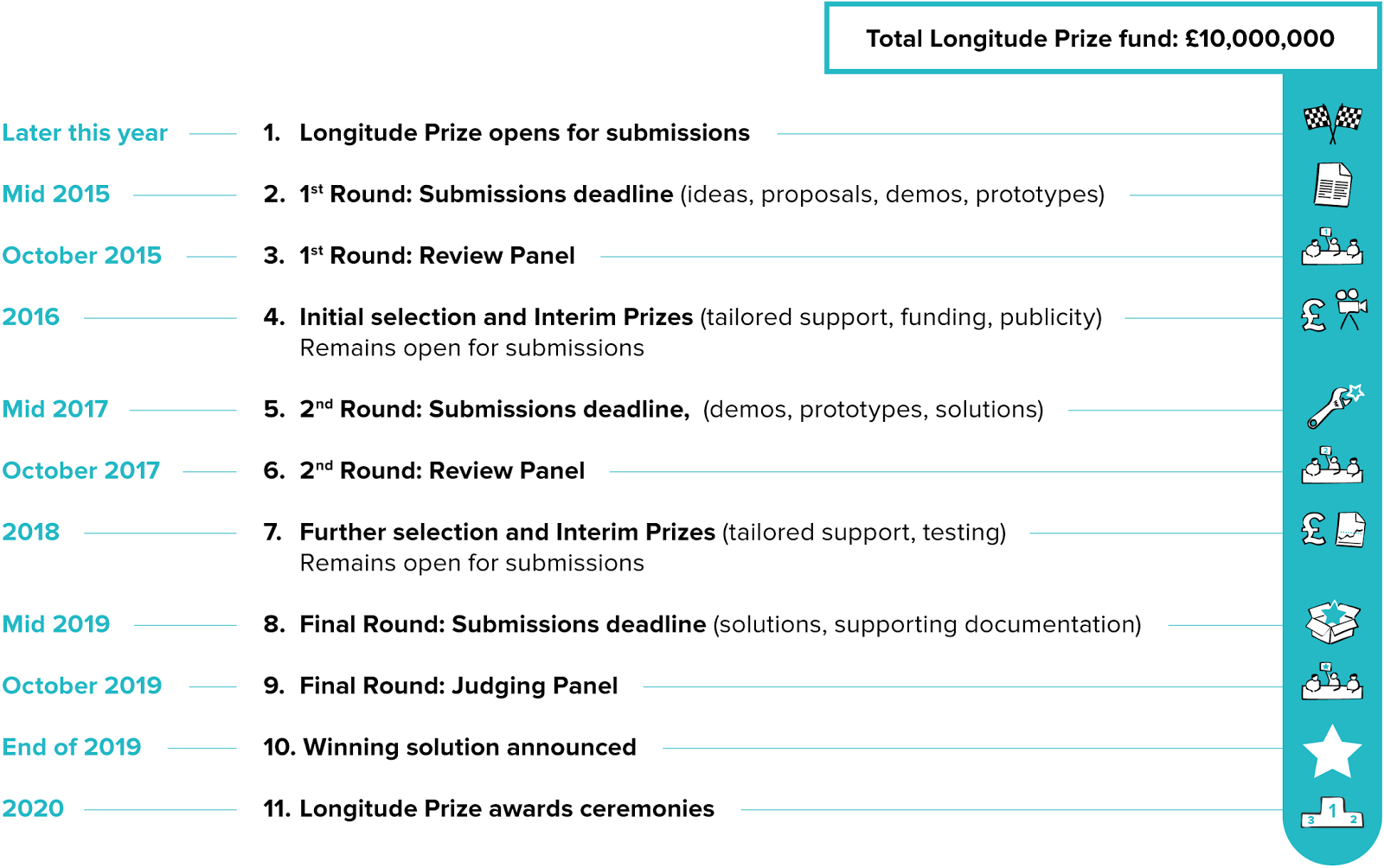
Total Longitude Prize fund: £10,000,000
|
|
| Later this year |
1. Longitude Prize opens for submissions |
| Mid 2015 |
2. 1st Round: Submissions deadline (ideas, proposals, demos, prototypes) |
| October 2015 |
3. 1st Round: Review Panel |
| 2016 |
4. Initial selection and Interim Prizes (tailored support, funding, publicity) Remains open for submissions |
| Mid 2017 |
5. 2nd Round: Submissions deadline, (demos, prototypes, solutions) |
| October 2017 |
6. 2nd Round: Review Panel |
| 2018 |
7. Further selection and Interim Prizes (tailored support, testing) Remains open for submissions |
| Mid 2019 |
8. Final Round: Submissions deadline (solutions, supporting documentation) |
| October 2019 |
9. Final Round: Judging Panel |
| End of 2019 |
10. Winning solution announced |
| 2020 |
11. Longitude Prize awards ceremonies |
Reference List
Cassol, S.A., Poon, M.C., Pal, R., Naylor, M.J., Culver-James, J., Bowen, T.J., Russell, J.A., Krawetz, S.A., Pon, R.T., Hoar, D.I., 1989. Primer-mediated enzymatic amplification of cytomegalovirus (CMV) DNA. Application to the early diagnosis of CMV infection in marrow transplant recipients. The Journal of Clinical Investigation, 83(4):1109-1115. [Online] Available at: http://www.jci.org/articles/view/113990
Donatin, E., Drancourt, M., 2012. DNA microarrays for the diagnosis of infectious diseases. Médecine et Maladies Infectieuses, 42(10): 453-9. [Online] Available at: http://www.ncbi.nlm.nih.gov/pubmed/23058632
Gibson, G.R., McCartney, A.L., Rastall, R.A., 2005. Prebiotics and resistance to gastrointestinal infections. British Journal of Nutrition, 93(1): 31-4. [Online] Available at: http://www.ncbi.nlm.nih.gov/pubmed/15877892
Girosi, F., Olmsted, S.S., Keeler, E., Burgess, D.C.H., Lim, Y-W, Aledort, J.E., Rafael, M.E., Ricci, K.A., Boer, R., Hilborne, L, Derose, K.P., Shea, M.V., Beighley, C.A., Dahl, C.A., Wasserman, J., 2006a. Developing and interpreting models to improve diagnostics in developing countries. Nature S1, November: 3-8. [Online] Available at: http://www.nature.com/nature/journal/v444/n1s/pdf/nature05441.pdf
Girosi, F., Rafael, M.E., Aledort, J.E., Lim, Y-W., Boer, R., Ricci, K.A., Shea, M., Keeler, E.B., 2006b. Determining the Priority Global Health Needs and Quantifying the Health Benefits Resulting From the Introduction of New Diagnostics in the Developing World. RAND Health, December. [Online] Available at: http://www.rand.org/pubs/working_papers/WR418.html
Hede, K., 2014. Antibiotic resistance: An infectious arms race. Nature, 509. [Online] Available at: http://www.nature.com/nature/journal/v509/n7498_supp/full/509S2a.html
Holub, M., Lawrence, D.A., Andersen, N., Davidová, A., Beran, O., Marešová, V., Chalupa, P., 2013. Cytokines and Chemokines as Biomarkers of Community-Acquired Bacterial Infection, Mediators of Inflammation, Volume 2013. [Online] Available at: http://www.hindawi.com/journals/mi/2013/190145/
Kalan, L., and Wright, G.D., 2011. Antibiotic adjuvants: multicomponent anti-infective strategies. Expert Reviews in Molecular Medicine, 13, e5. [Online] Available at: http://dx.doi.org/10.1017/S1462399410001766
Laxminarayan, R., Duse, A., Wattal, C., Zaidi, A.K.M., Wertheim, H.F.L., Sumpradit, N., Vlieghe, E., Hara, G.L., Gould, I.M, Goossens, H., Greko, C., So, A.D., Bigdeli, M., Thompson, G., Woodhouse, W., Ombaka, E., Peralta, A.Q., Qamar, F.N, Mir, F., Kariuki, S., Bhutta, Z.A., Coates, A., Bergstrom, R., Wright, G.D., Brown, E.D., Cars, O., 2013. Antibiotic resistance-the need for global solutions. The Lancet Infectious Diseases, 13(12): 1057-1098. [Online] Available at: http://dx.doi.org/10.1016/S1473-3099(13)70318-9
Meeker, D., Knight, T.K., Friedberg, M.W., Linder, J.A., Goldstein, N.J., Fox, C.R., Rothfeld, A., Diaz, G., Doctor, J.N., 2014. Nudging Guideline-Concordant Antibiotic Prescribing: A Randomized Clinical Trial. JAMA Internal Medicine, 174(3): 425-431. [Online] Available at: http://archinte.jamanetwork.com/article.aspx?articleID=1815102
van der Merwe, R.G., van Helden, P.D., Warren, R.M., Sampsona, S.L., van Pittiusa, N.C.G., 2014. Phage-based detection of bacterial pathogens. Analyst, 139: 2617-2626. [Online] Available at: http://pubs.rsc.org/en/content/articlelanding/2014/an/c4an00208c#!divAbstract
Mohan, R., Mukherjee, A., Sevgen, S.E., Sanpitakseree, C., Lee, J., Schroeder, C.M., Kenis, P.J., 2013. A multiplexed microfluidic platform for rapid antibiotic susceptibility testing. Biosensors and Bioelectronics, November, 49: 118-25. [Online] Available at: http://www.ncbi.nlm.nih.gov/pubmed/23728197
NICE, 2012. Antibiotics for early-onset neonatal infection: Antibiotics for the prevention and treatment of early-onset neonatal infection. [Online] Available at: http://www.nice.org.uk/guidance/CG149
NICE, 2007. Urinary tract infection in children: Diagnosis, treatment and long-term management. [Online] Available at: http://www.nice.org.uk/guidance/CG54
NICE, 2011. Tuberculosis: Clinical diagnosis and management of tuberculosis, and measures for its prevention and control. [Online] Available at: http://www.nice.org.uk/guidance/CG117
NICE, 2012. Identifying and managing tuberculosis among hard-to-reach groups. [Online] Available at: http://www.nice.org.uk/guidance/PH37
Olmsted, S.S., Derose, K.P., Beighley, C., 2006. Determining Access to Care and User Requirements for Diagnostic Tests in Developing Countries. RAND Health, December. [Online] Available at: http://www.rand.org/pubs/working_papers/WR423.html
Peacock, S., 2014. Health care: Bring microbial sequencing to hospitals. Nature, 509: 557-559. [Online] Available at: http://doi.org/doi:10.1038/509557a
Singh, M., 2013. Despite Many Warnings, Antibiotics Are Still Overprescribed. NPR, October 04. [Online] Available at: http://www.npr.org/blogs/health/2013/10/04/229167826/despite-many-warnings-antibiotics-are-still-overprescribed
Sulakvelidze, A., Alavidze, Z., Morris, J.G., 2001. Bacteriophage Therapy. Journal of Antimicrobial Agents and Chemotherapy, 45(3): 649–659. [Online] Available at: http://www.ncbi.nlm.nih.gov/pmc/articles/PMC90351/
Timm, U., Lewis, E., McGrath, D., Kraitl, J., Ewald, H., 2009. Optical sensor system for non-invasive blood diagnosis. IEEE Sensors Applications Symposium, pp. 240-244. [Online] Available at: http://ieeexplore.ieee.org/xpl/articleDetails.jsp?reload=true&arnumber=4801808
Tsiodras, S., Gold, H.S., Sakoulas, G., Eliopoulos, G.M., Wennersten, C., Venkataraman, L., Moellering, R.C., Ferraro, M.J., 2001. Linezolid resistance in a clinical isolate of Staphylococcus aureus, The Lancet, 358(9277): 207 - 208. [Online] Available at: http://www.thelancet.com/journals/lancet/article/PIIS0140-6736(01)05410-1/fulltext#articleupsell
Urdea, M., Penny, L.A., Olmsted, S.S., Giovanni, M.Y., Kaspar, P., Shepherd, A., Wilson, P., Dahl, C.A., Buchsbaum, S., Moeller, G., Burgess, D.C.H., 2006. Requirements for high impact diagnostics in the developing world, Nature S1, November: 73-79. [Online] Available at: http://doi.org/10.1038/nature05448
USAID, 2008. Profiles of Health Facility Assessment Methods. [Online] Available at: http://www.cpc.unc.edu/measure/publications/tr-06-36
Vikram, P., Vaidya, R., Naik, D., Borker, P., 2005. Irrational drug use in India: A prescription survey from Goa, Journal of Postgraduate Medicine, 51(1): 9 – 12. [Online] Available at: http://www.bioline.org.br/request?jp05003
WHO, 2014a. Antimicrobial resistance: global report on surveillance. June 2014. [Online] Available at: http://apps.who.int/iris/bitstream/10665/112642/1/9789241564748_eng.pdf?ua=1
WHO, 2014b. Health statistics and information systems: Service availability and readiness assessment. [Online] Available at: http://www.who.int/healthinfo/systems/sara_introduction/en/
Woolhouse, M. and Farrar, J., 2014. Policy: An intergovernmental panel on antimicrobial resistance. Nature, 509: 555-557. [Online] Available at: http://www.nature.com/news/policy-an-intergovernmental-panel-on-antimicrobial-resistance-1.15275
Glossary of Terms and Abbreviations
Accuracy — in the field of science and diagnostics, the accuracy of a measurement is the degree of closeness of measurements of a quantity to that quantity's actual (true) value.
Adjuvant — an agent that modifies the effect of other agents. An adjuvant can, for example, boost the response of the immune system, or reduce antimicrobial resistance to antibiotic drugs.
Antivirulence strategies — virulence is the ability of an infecting organism to invade tissues and cause disease. Antivirulence strategies aim at reducing or eliminating pathogens' infectivity and disease severity.
Antimicrobial — an agent that kills microorganisms or inhibits their growth.
Asymptomatic infection — an infection where a patient is a carrier for a disease or infection but experiences no symptoms.
Bacterial genus — genus is a taxonomic rank used in the biological classification of organisms. Genus includes individual species. Homo is the human genus. Homo sapiens is the human species.
Biological therapeutics — medicinal products that are derived from biological sources, and which can be used to obtain a therapeutic effect — any kind of desirable or beneficial result of a medical treatment.
Biomarker — a measurable indicator of a biological state or condition.
Broad-spectrum antibiotic — an antibiotic that acts against a wide-range of disease-causing bacteria.
Clinical pathways — also known as care pathways, are one of the main tools used to standardise and manage the quality of healthcare processes.
Commensal bacteria — normal microflora or indigenous microbiota. These are bacteria that co-evolved with their host and are normally present in and on a host's body.
Comorbidity — the presence of additional conditions with the initially diagnosed illness.
Enzyme-mediated amplification – multiplication of biological material mediated by enzymes — large biological molecules that catalyse specific metabolic reactions. Polymerase chain reaction is a popular technique for amplifying genetic material.
Empirical diagnosis — a diagnosis derived from practical experience or observation, not from scientific method.
Gram-negative bacteria — a class of bacteria that do not retain the crystal violet stain used in the Gram staining method of bacterial differentiation. Popular Gram-negative genera are for example: Helicobacter, Shigella, Salmonella or Pseudomonas.
Gram-positive bacteria — a class of bacteria that retain the crystal violet stain used in the Gram staining method of bacterial differentiation. Popular Gram-positive genera are for example: Streptococcus, Listeria, Staphylococcus or Clostridium.
Microfluidics — an interdisciplinary field of sciences which studies and designs systems for handling very small volumes of fluids.
Microarray — is a 2D array on a glass slide or silicon thin-film cell that assays large amounts of biological material using high-throughput screening methods.
Microbial sequencing — determining microbial resistance profiles using sequencing technologies that allow to determine the nucleotide order of a given DNA fragment.
Narrow-spectrum antibiotic — an antibiotic that acts against specific families of bacteria.
Optical sensing — detection methods using sensors operating within the optical spectrum of light; widely used for medical applications.
Pathogen — an infectious agent (such as bacteria, virus or fungus).
Phage therapy — therapies that treat pathogenic bacterial infections with the use of bacteriophages (viruses that infect and replicate within bacteria).
Phage-based detection — detection of bacterial pathogens with the use of bacteriophages — viruses that infect and replicate inside bacteria.
Point-of-care — medical testing at or near the site of patient care (also known as bed-side testing).
Primary care — primary care is provided by healthcare professionals who act as first point of consultation for all patients within the healthcare system; primary care is provided by General Practitioners.
Prebiotic - a selectively fermented ingredient that allows specific changes in the gastrointestinal microflora which can benefit the host.
Resistance profile - patterns of resistance to antimicrobials found in bacteria.
SAM - Service Availability Mapping; a tool used formerly to collect and present basic information on health services.
SARA - Service Availability and Readiness Assessment; a tool designed to assess and monitor the service availability and readiness of the health sector.
Secondary care — secondary care is the healthcare provided by medical specialists who do not have first contact with the patient; this includes for example: dermatologists, cardiologists or urologists.
Self-limiting — a condition that would run its course without need for external influence.
TB — short for Tuberculosis, a common, and sometimes fatal, infectious disease caused by various strains of mycobacteria, usually Mycobacterium Tuberculosis.
UTI — Urinary tract infection.
Venipuncture — surgical puncture of a vein for the withdrawal of blood or for administration of intravenous fluids or drugs.
WHO - World Health Organisation.
Appendix 1: Measuring Diagnostic Access
Clinical facilities and the level of access people have to them vary greatly across the world. The level of clinical infrastructure required to run a specific diagnostic will directly affect how many people benefit from its use. For instance, a diagnostic that requires refrigeration (2–8 °C) in order to provide good results cannot be used in facilities without a functioning cold chain and therefore may exclude use by people in resource-limited settings.
In Developing and interpreting models to improve diagnostics in developing countries, Girosi, et al., (2006a) define four levels of infrastructure for facilities in the developing world. According to the authors, “country-level data describing the availability, accessibility and characteristics of the health-care settings of developing countries are limited” (Girosi, et al., 2006a, pp. 6), so they developed a questionnaire based on Service Provision Assessment surveys and the draft World Health Organization (WHO) Service Availability Mapping (SAM) reports. The questionnaire was used in interviews with members of the Global Health Diagnostics Forum whose collective field experience spans 35 countries. For each country a member of the Forum had experience in, the authors asked questions about the type of health-care settings, their basic functions and infrastructure, the level of staff training and access, and the user requirements.
In order to improve the approach the authors suggest “using the modelling approach described above and adding a few more layers of complexity, it is possible to generate a rich set of scenarios that describe the diagnostic landscape of a country” (Girosi, et al. 2006a, pp.8).
The questionnaire was developed from SAM which ceased use in 2009 and has subsequently been replaced with SARA (Service Availability and Readiness Assessment) tool which purports to build upon previous designed to assess health care facilities and fill the data gap about health care facilities in developing countries and work towards a Master Health Facility List. Availability is defined as the physical presence of services and readiness as the capacity to deliver services. In Determining Access to Care and User Requirements for Diagnostic Tests in Developing Countries (Olmsted, et al., 2006) the basic infrastructure characteristics (availability of water, electricity, trained staff, and physical location) reflect the questions in SARA about the general service readiness levels such as power, water and sterilisation equipment available at the facility.
In Profiles of Health Facility Assessment Methods published by USAID in 2008, they list eight main instruments used for health facility assessment, these are:
- Service Provision Assessment (SPA);
- Facility Audit of Service Quality (FASQ);
- Health Facility Census (HFC);
- Service Availability Mapping (SAM); (now replaced with SARA)
- Health Facility based survey of Human Resource for Health Services (HRHS);
- Rapid Health Facility Assessment in Child Health (Rapid HFA)
- AQUIRE Evaluation of LAPM Services (ELMS); and
- Population Council HFA (PCHFA).
Girosi, et al. (2006a) devised a computer model for estimating the access to care using data from Measure DHS surveys. They took data from the DHS surveys and “drew on four survey questions about the following aspects of health-care utilisation: the person who delivered prenatal care for the last pregnancy; the source of care for the last STI; the source of care for the last fever/cough (within the past 2 weeks) in a child aged <5 years; and the source of care for the last case of diarrhoea (within the past 2 weeks) in a child aged <5 years. For each of the conditions listed, the respondents were asked whether or not they received care. Those who gave a positive response were then asked where or from whom they received care. Respondents to the prenatal care question were also asked to provide the level of training of the person who delivered the care (for example, physician, nurse, traditional birth attendant or family member)” (Girosi, et al., 2006a, pp. 7).
This data was then used to model access to different care infrastructures across different countries.
Nesta
1 Plough Place
London EC4A 1DE
www.twitter.com/nesta_uk
www.facebook.com/nesta.uk
www.nesta.org.uk
July 2014
Nesta is a registered charity in England and Wales with company number 7706036 and charity number 1144091. Registered as a charity in Scotland number SCO42833. Registered office. 1 Plough Place, London, EC4A 1DE