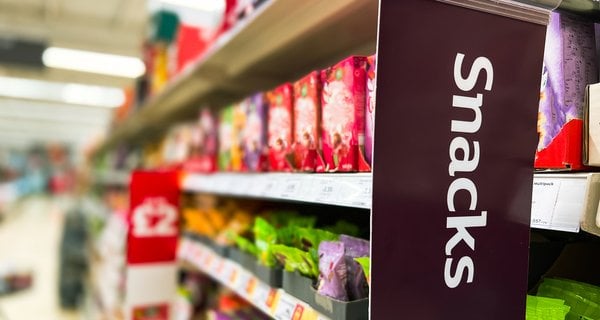
Harnessing policy to create a healthier food advertising environment
 www.nesta.org.uk/project/harnessing-policy-to-create-a-healthier-food-advertising-environment/
www.nesta.org.uk/project/harnessing-policy-to-create-a-healthier-food-advertising-environment/
www.nesta.org.uk/project/harnessing-policy-to-create-a-healthier-food-advertising-environment/
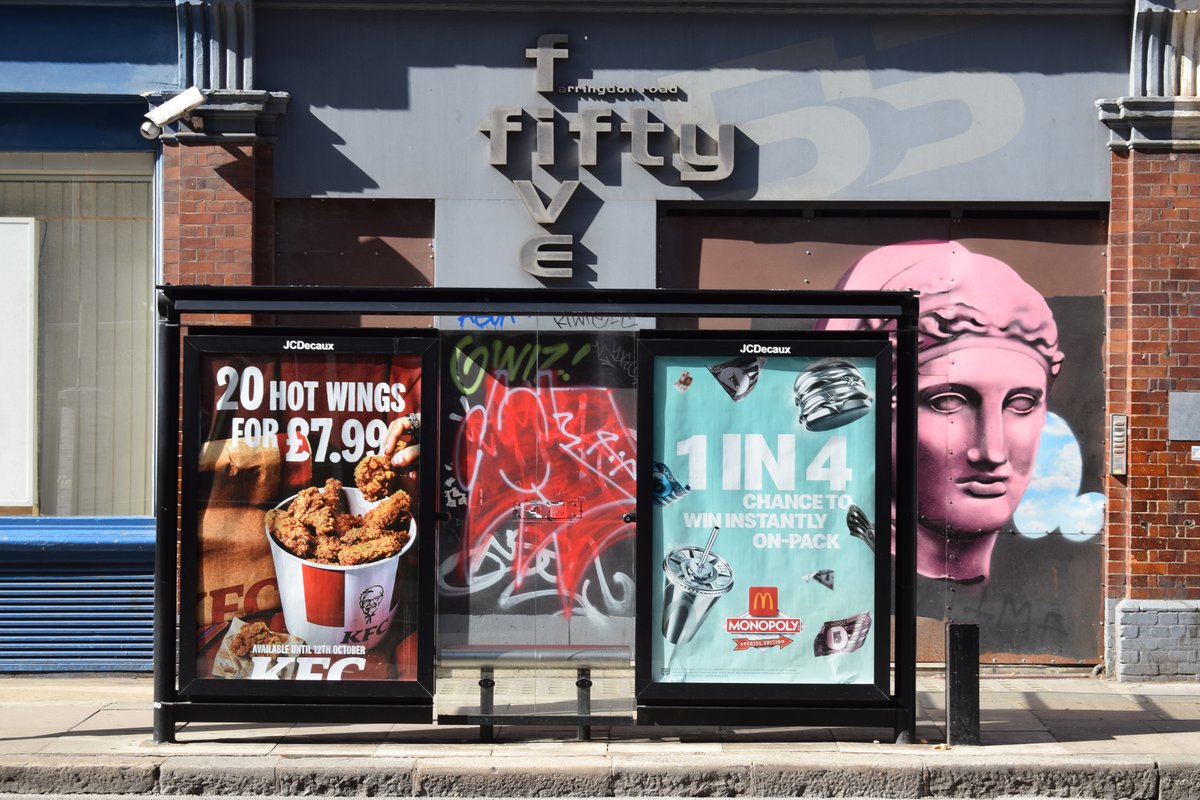
Understanding how food and drink advertising has changed over time, how this contributes to our health, and the options for strengthening policy responses.
Nesta is exploring how food and drink advertising in the UK has changed over the last two decades, how this affects our diets and health, and how policy could support the restriction of unhealthy food and drink advertising. We will analyse recently implemented advertising restrictions, consider the policy choices that led to the significant reduction in the potential health impact of these new restrictions, and explore what more effective regulation might look like.